
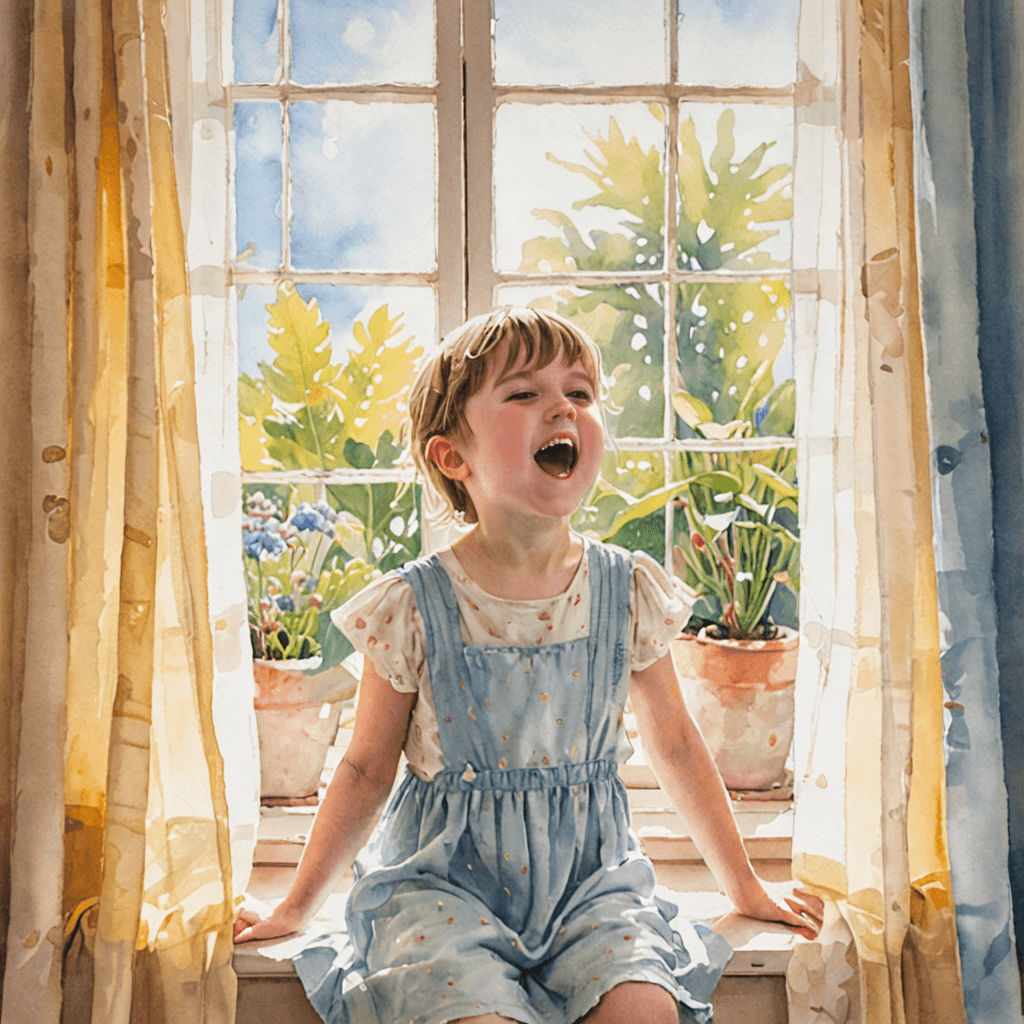
Singing Lessons for Kids Etobicoke: When to Start
Table of Contents
Parents of a child who sings constantly around the house often wonder whether formal singing lessons make sense yet — or whether they’d squash the very joy that makes their kid sing in the first place. It’s a fair worry, and the answer depends far more on the child’s readiness and the teacher’s approach than on hitting a particular age. Below, we walk through when children are genuinely ready for singing lessons, what good early instruction actually looks like, and how lessons protect rather than pressure a young voice.
The right age is really about readiness
There’s no single “correct” age to start singing, and pinning the decision to a birthday tends to lead families astray. Some children are ready for gentle, structured singing lessons quite young; others benefit from waiting until they can engage with a lesson in a focused way. The deciding factor isn’t age — it’s whether the child can participate in a short, structured activity and follow along with a teacher.
At Muzart Music and Art School, when a parent asks whether their young child is ready to start singing, we’ve learned to look for two specific signals rather than a number. The first is whether the child can settle into and stay with a short, structured block — a few minutes of focused activity without drifting off entirely. The second is whether they can follow a simple instruction and mirror something back: echo a short sung phrase, match a pitch you give them, copy a rhythm with their voice. When those two are present, singing lessons tend to take beautifully. When they’re not quite there, a season of singing together at home, listening, and playing copy-the-sound games usually gets a child there — and a fresh trial lesson a few months later often finds a completely ready student.
Notice that a “good voice” isn’t on the checklist. Nearly every child can learn to sing better with good instruction; the raw sound they start with says very little about where they’ll end up. What matters far more at the beginning is the ability to engage, listen, and imitate.
What early singing lessons actually involve
Good singing instruction for children looks nothing like the intense vocal training people sometimes picture. For young students, lessons are playful and built around the ear: matching pitches, copying short melodies, singing simple songs, and games that develop listening and rhythm. Technique is introduced gently and age-appropriately — never the kind of heavy, forceful vocal work that could strain a developing voice.
Because Muzart teaches singing privately, one-on-one, lessons adapt completely to the individual child. A shy child gets a gentle pace and a lot of encouragement; a confident belter learns to channel that energy without pushing the voice too hard. That individual fit is one of the biggest advantages of private instruction for young singers — a teacher can meet the child exactly where they are, week to week. Families exploring singing lessons in Etobicoke are sometimes surprised at how much of an early lesson is really about listening and play rather than performance.
If you’d like to find out whether your child is in that ready zone, a trial lesson is the clearest way. Our $35 music trial gives a teacher real one-on-one time with your child and gives you an honest read on whether now is the moment. The monthly program runs at $155 with all materials included, so there’s nothing extra to buy to get started.
Protecting a young voice
A concern worth taking seriously is vocal health. A child’s voice is still developing, and the goal of good early instruction is never to push volume or range beyond what’s comfortable. A qualified teacher watches for signs of strain and keeps the focus on healthy, relaxed singing — proper breathing, easy tone, and no forcing. Done well, singing lessons actually protect a young voice by teaching good habits early, before poor ones take hold.
This is another reason the private format matters. In a large group, a child straining to be heard over others can develop exactly the pushing-and-forcing habits that lessons should prevent. One-on-one, a teacher can hear precisely what a child is doing and correct gently in the moment. That attentiveness is difficult to replicate any other way, and it’s why we teach all music — singing included — privately.
Parents can support healthy singing at home too, mostly by keeping it joyful and unforced. Encourage singing along to favourite songs, but resist the urge to turn every car ride into a rehearsal or to push for higher, louder, more. A child who associates singing with pressure will sing less; a child who associates it with fun will sing constantly, which is exactly the practice a young singer needs.
How singing connects to the rest of a musical life
Singing is a wonderful first musical experience for a child, in part because the instrument is built in — there’s nothing to buy, carry, or tune. But it also lays groundwork that helps with everything else. The ear training at the heart of early singing — matching pitch, hearing melody, feeling rhythm — transfers directly to any instrument a child might later pick up.
Many families find that a child who starts with singing develops a musical foundation that makes learning an instrument easier down the road. It’s common for young singers to become curious about the keyboard, and the same listening skills that serve them in singing lessons give them a head start. Families who eventually pair singing with piano lessons in Etobicoke often notice how naturally the two reinforce each other. Whether singing stays a child’s main pursuit or becomes a gateway to other instruments, the early ear training is never wasted.
Frequently asked questions
What age can my child start singing lessons?
There’s no fixed age — readiness matters more than a number. The signals we look for are whether a child can focus through a short structured activity and echo back simple sung phrases or match a pitch. Some children are ready quite young; others benefit from waiting a season. A trial lesson is the best way to find out where your child stands.
Will formal lessons take the fun out of singing for my child?
Not when they’re taught well. Good early singing instruction is playful and built around games, songs, and listening — it adds to a child’s enjoyment rather than draining it. The risk of dampening joy comes from pushing too hard, which is exactly what a thoughtful private teacher avoids.
Is singing safe for a young, still-developing voice?
Yes, when instruction is age-appropriate. A qualified teacher keeps the focus on healthy, relaxed singing and never forces volume or range beyond what’s comfortable. In fact, learning good vocal habits early helps protect a young voice from the strain that poor, untaught singing can cause.
Does my child need to already sing well to start?
No. A “good voice” at the start is a poor predictor of where a child will end up, because nearly every child improves substantially with good instruction. Far more important is the willingness to listen, engage, and imitate — the skills that early lessons are designed to build.
Are singing lessons for kids private or group?
All of our music instruction, including singing, is private and one-on-one. For young voices this is a real advantage: a teacher can hear exactly what a child is doing, adapt the lesson to them, and protect the developing voice from strain in a way group settings can’t.
Find out if your child is ready to start
If your child sings all day and you’re wondering whether lessons are the next step, the surest way to know is to let a teacher spend a little one-on-one time with them. Book a trial lesson at Muzart Music and Art School in Etobicoke, near Cloverdale Mall, and you’ll leave with an honest sense of whether now is the moment and what the early lessons would look like. If you’d like to talk it through first, request more information and we’ll help you decide.