Category: Articles

  • Watercolor Techniques for Beginners: Basic Skills for Young Artists

    Watercolor Techniques for Beginners: Basic Skills for Young Artists

    Watercolor Techniques for Beginners: Basic Skills for Young Artists

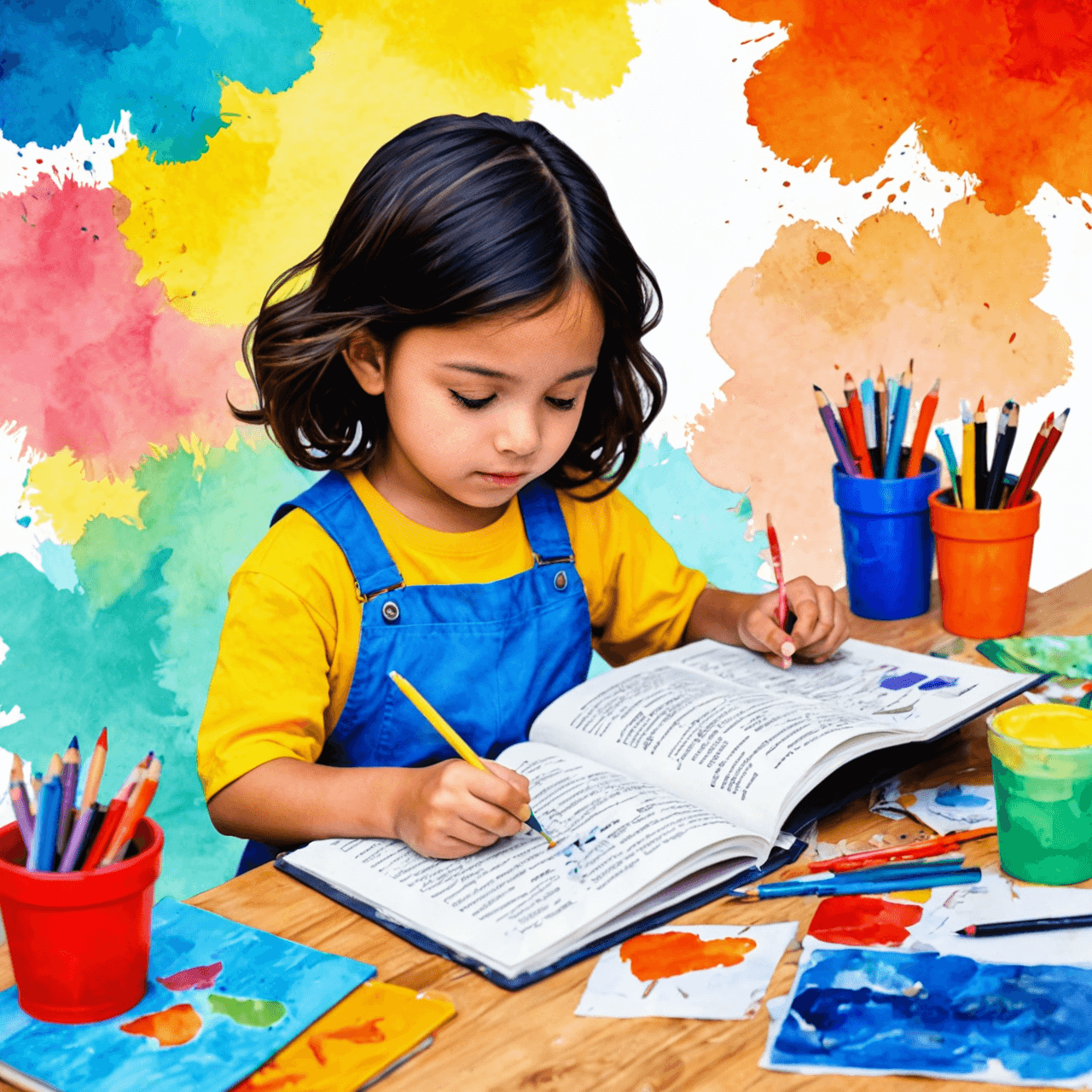
    Watercolor painting offers a unique blend of spontaneity, luminosity, and expression that captivates young artists and helps develop crucial artistic skills. As one of the most accessible yet nuanced painting mediums, watercolor provides an ideal starting point for children exploring painting while offering endless possibilities for growth and development. At Muzart Music and Art School, our instructors have guided countless young artists through their first watercolor experiences, helping them build confidence and skills with this versatile medium.

    This comprehensive guide explores fundamental watercolor techniques specifically adapted for young beginners. We’ll cover essential skills, practical approaches, and engaging projects designed to introduce children to the magic of watercolor painting while building their technical abilities and creative confidence.

    Essential Watercolor Materials for Young Artists

    Success with watercolor begins with appropriate materials. While professional-grade supplies aren’t necessary for beginners, certain quality considerations ensure a positive learning experience.

    Watercolor Paints

    Young artists benefit from paints that offer vibrant color and smooth application:

    • Student-grade pan sets: These solid paint blocks activate with water and prevent wastage, ideal for beginners
    • Limited palette approach: Starting with 8-12 colors teaches color mixing and prevents overwhelm
    • Primary focus: Ensuring the set includes quality versions of primary colors (red, yellow, blue)
    • Transparent options: Looking for paints with good transparency for learning layering techniques

    At our Etobicoke location near Cloverdale Mall, our group art lessons provide appropriate student-grade materials that balance quality with accessibility. For home practice, we recommend brands like Prang or Crayola for very young beginners (ages 5-7) and Sakura Koi or Winsor & Newton Cotman for older beginners (ages 8+).

    Paper Considerations

    Paper quality significantly impacts the watercolor experience, especially for beginners:

    • Weight requirements: Using paper at least 140lb/300gsm to prevent buckling
    • Cold press texture: Starting with slightly textured paper that forgives minor mistakes
    • Proper sizing: Choosing properly sized paper that accepts water appropriately
    • Pad format: Using spiral-bound or glued pads for convenient storage and transport

    We recommend beginning with mid-sized paper (9″×12″) that provides enough space for exploration without being intimidating. For young artists in our private art lessons, we often introduce special techniques using various paper types to demonstrate how surface affects watercolor behavior.

    Brush Selection

    Appropriate brushes make watercolor techniques more accessible for small hands:

    • Round brushes: Starting with sizes 6 and 10 for most techniques
    • Wash brush: Including one larger flat brush (½” or ¾”) for background washes
    • Handle length: Choosing medium-length handles that balance control and freedom
    • Synthetic options: Selecting quality synthetic brushes that maintain a point but release color easily

    Young artists benefit from brushes specifically designed for watercolor, which hold more water and release it more consistently than all-purpose brushes. Quality children’s watercolor brushes provide the right balance between affordability and performance.

    Auxiliary Tools

    Additional tools enhance the beginner watercolor experience:

    • Water containers: Using two containers—one for rinsing, one for clean water
    • Mixing palette: Providing ample mixing space with wells or a plate
    • Paper towels/cloth: Having absorbent material for blotting and controlling moisture
    • Masking tape: Securing paper and creating clean edges
    • Pencil and eraser: Drawing light guidelines before painting

    In our Etobicoke art studio, we introduce various auxiliary tools progressively, helping young artists understand how each tool extends their technical capabilities and creative options.

    Fundamental Watercolor Techniques for Young Beginners

    Building a foundation of basic techniques gives young artists the tools to express their creativity while developing technical control.

    Flat Washes

    The foundation of watercolor painting, flat washes create even areas of color:

    • Paper preparation: Starting with properly angled paper (slight tilt)
    • Edge loading: Loading the brush generously and creating a bead of color
    • Consistent movement: Moving steadily across the paper maintaining the wet edge
    • Brush reloading: Learning when and how to reload the brush before the bead dries

    Young artists typically begin with simple shape exercises—painting squares, circles, and rectangles with even color—before applying this technique to skies, backgrounds, or large elements in compositions.

    Graduated Washes

    Building on flat wash skills, graduated washes create smooth transitions from dark to light:

    • Concentration gradient: Starting with more pigment and gradually diluting with water
    • Continuous motion: Maintaining a wet edge while working from dark to light
    • Brush cleaning: Progressively rinsing the brush to lighten the color
    • Controlled dilution: Adding water methodically rather than randomly

    This technique teaches young artists about color value and creates effects perfect for skies, simple landscapes, and backgrounds. In our Etobicoke group art classes, we often practice this technique with sunset scenes that naturally showcase color gradation.

    Wet-on-Wet Technique

    This technique introduces the magic of watercolor flow and spontaneity:

    • Surface preparation: Wetting the paper evenly before applying color
    • Timing awareness: Understanding the “sheen stage” when paper is perfectly receptive
    • Controlled application: Touching color to the wet surface and watching it bloom
    • Edge softening: Using this approach to create soft-edged shapes and transitions

    Children typically delight in the unpredictable quality of wet-on-wet effects, which teach important lessons about relinquishing some control while guiding the medium. This technique builds comfort with watercolor’s fluid nature—a fundamental mindset shift for beginning painters.

    Wet-on-Dry Application

    For more defined shapes and lines, wet-on-dry provides greater control:

    • Brush loading: Preparing the brush with an appropriate paint-to-water ratio
    • Edge attention: Creating defined edges by applying paint to dry paper
    • Paint consistency: Adjusting the thickness of paint for different effects
    • Deliberate placement: Planning brush strokes before applying them

    Young artists alternate between wet-on-wet and wet-on-dry techniques to understand when each approach serves their artistic intentions. This comparative experience builds decision-making skills and technical flexibility.

    Layering and Glazing

    Introducing transparency and depth through multiple layers:

    • Patience practice: Allowing each layer to dry completely before adding the next
    • Transparency awareness: Understanding how underlying colors affect subsequent layers
    • Light-to-dark progression: Building colors gradually from lighter to darker tones
    • Layer planning: Thinking ahead about how colors will interact and blend

    While younger children (5-7) might find these techniques challenging due to the required patience, slightly older beginners (8+) can begin exploring simple layering with remarkable results. At our Etobicoke studio near Cloverdale Mall, we introduce progressive layering exercises that build both technical skill and patience.

    Color Theory and Mixing for Young Watercolorists

    Understanding color relationships provides young artists with the foundation for expressive watercolor painting while limiting frustration.

    Primary Mixing Foundations

    Beginning with the three primary colors teaches fundamental mixing principles:

    • True primaries: Using clean versions of red, yellow, and blue
    • Secondary creation: Mixing two primaries to create oranges, greens, and purples
    • Ratio experimentation: Changing the proportions of colors to create variations
    • Mixing zone techniques: Learning proper palette use for clean color mixing

    Through guided primary color mixing exercises, children discover they can create countless colors from just three starting points—an empowering realization that encourages experimentation.

    Creating Neutral Tones

    Moving beyond bright colors to develop sophisticated neutral tones:

    • Complementary mixing: Combining opposite colors to create browns and grays
    • Earth tone development: Making natural colors for landscapes and nature subjects
    • Value adjustment: Controlling the lightness/darkness of neutral mixtures
    • Temperature balance: Understanding warm versus cool neutrals

    These skills help young artists move beyond the “rainbow palette” stage toward more nuanced color application. In our private art lessons at Muzart, we introduce special exercises that transform bright primary palettes into sophisticated earth tones, helping children appreciate subtle color variations.

    Color Harmony Concepts

    Introducing basic color harmony for more cohesive paintings:

    • Analogous relationships: Using colors adjacent on the color wheel
    • Complementary dynamics: Understanding opposite color energy
    • Limited palette benefits: Working with restricted color sets for harmony
    • Dominant color strategies: Using one main color with supporting accent colors

    Through simplified color scheme exercises, young artists learn to make intentional color choices rather than random selections. These foundational concepts build compositional thinking alongside technical skill.

    Practical Color Mixing Exercises

    Structured exercises build color confidence and intuition:

    • Color wheel creation: Making a personal watercolor color wheel
    • Swatch libraries: Creating reference charts of mixed colors
    • Match challenges: Attempting to match colors from objects or images
    • Mood painting: Using colors to express different feelings or times of day

    These practical applications help children connect color theory to creative expression. Our Etobicoke art instructors make these exercises playful and engaging, turning technical learning into creative exploration.

    Special Effects and Texture Techniques

    Beyond basic application, special techniques introduce young artists to watercolor’s unique expressive capabilities.

    Salt Texturing

    Creating crystalline patterns using ordinary table salt:

    • Timing sensitivity: Applying salt at the “sheen stage” of wetness
    • Application control: Sprinkling salt with varying density for different effects
    • Medium crystals: Using kosher or sea salt for larger patterns
    • Patience development: Allowing the paper to dry completely before removing salt

    Children typically find this technique magical, as the salt draws moisture and pigment into crystalline formations. This introduces the concept of using ordinary materials to create extraordinary effects.

    Plastic Wrap Texturing

    Creating organic patterns with household plastic wrap:

    • Application timing: Placing plastic wrap on wet paint
    • Pressure variations: Adjusting how tightly the wrap is pressed
    • Directional effects: Creating flow patterns by manipulating the wrap
    • Removal timing: Determining when to remove the wrap for different effects

    This technique creates beautiful marble-like patterns perfect for backgrounds, landscapes, or abstract elements. Young artists learn how timing and manipulation affect watercolor behavior.

    Sponge Techniques

    Using natural and synthetic sponges for textural effects:

    • Dabbing application: Creating textured surfaces through light contact
    • Lifting techniques: Removing color with a barely damp sponge
    • Pattern creation: Using sponge shapes for specific textural elements
    • Varied pressure: Adjusting pressure for different textural densities

    Sponge techniques are particularly accessible for young children, as they require less fine motor control than brush techniques while teaching important concepts about adding and removing color.

    Resist Methods

    Creating white space through planning and resistance materials:

    • Masking tape techniques: Using tape to preserve white areas
    • Crayon or oil pastel resists: Drawing elements that repel watercolor
    • White crayon “invisible” drawings: Creating surprise reveal paintings
    • Liquid mask introduction: For older beginners, introducing removable liquid resist

    These techniques teach planning and the critical watercolor concept of preserving white space. At our Etobicoke studio, we make these techniques accessible through projects like “magic reveal” paintings that engage children while building technical understanding.

    Engaging Projects for Young Watercolorists

    Applied projects help children integrate techniques while creating satisfying artwork.

    Gradient Skies and Landscapes

    Simple landscape projects that teach gradient washes and horizon concepts:

    • Horizon placement: Understanding compositional effects of horizon positioning
    • Sky gradation: Creating graduated color for sky effects
    • Simple silhouettes: Adding foreground elements against wash backgrounds
    • Time-of-day variations: Exploring how color creates different lighting moods

    These projects combine technical practice with composition basics, helping young artists create complete paintings with minimal frustration.

    Pattern and Texture Explorations

    Abstract projects focusing on technique rather than representational accuracy:

    • Geometric divisions: Creating spaces for different texture techniques
    • Pattern repetition: Developing rhythm through repeated elements
    • Texture combinations: Experimenting with multiple special effects in one composition
    • Color harmony application: Using limited palettes within pattern structures

    These non-representational projects remove the pressure of “getting it right” while building fundamental skills. For children in our Etobicoke group art lessons, these explorations often lead to breakthrough moments in technique and confidence.

    Simple Still Life Studies

    Observational projects with forgiving subject matter:

    • Fruit and vegetable studies: Simple forms with interesting colors
    • Wet-on-dry contours: Practicing defined edges for outlines
    • Wet-on-wet fills: Filling shapes with blended color
    • Value studies: Observing and recreating light and shadow

    These projects introduce observational skills gradually, helping young artists bridge imagination and perception while applying watercolor techniques to representational subjects.

    Watercolor Greeting Cards

    Practical projects that provide purpose and audience:

    • Size management: Working within smaller dimensions
    • Occasion inspiration: Creating season or celebration-specific themes
    • Gift orientation: Understanding art as communication and connection
    • Production skills: Learning to mount and present finished work

    Creating cards provides meaningful context for skill development and introduces the concept of art as communication. These projects are particularly popular in our Etobicoke art programs around holidays and special occasions.

    Frequently Asked Questions

    At what age can children start learning watercolor techniques?

    Children as young as 5 can begin exploring watercolor with adapted approaches and appropriate expectations. For these youngest artists, we focus on process-oriented exploration—discovering how colors blend, how water moves pigment, and how different brushstrokes create various effects. By ages 7-8, children typically have the fine motor control and attention span to begin learning specific techniques more systematically. At Muzart Music and Art School in Etobicoke, our group art lessons include age-appropriate watercolor instruction with different expectations and projects for various developmental stages. Our trial lessons at $35 allow parents to assess their child’s readiness for more structured watercolor instruction before committing to regular monthly classes at $155, which include all necessary materials for the year.

    How can parents support watercolor practice at home without creating a mess?

    Watercolor can be surprisingly manageable with a few practical preparations:

    Designate a specific space with good lighting and a washable surface
    Use a vinyl tablecloth or plastic sheet under the work area
    Provide stable water containers that resist tipping (heavy mugs or containers with wide bases)
    Use muffin tins or ice cube trays for paint mixing to contain spills
    Have paper towels or a dedicated cloth always within reach
    Consider using watercolor brush pens for very young children as an introduction
    Establish clear routines for setup and cleanup that children follow consistently

    In our Etobicoke studio near Cloverdale Mall, we teach children proper material management alongside technique, and can provide parents with specific age-appropriate strategies for successful home practice that balances creative freedom with practical considerations.

    My child gets frustrated when watercolors don’t look “perfect” right away. How can I help?

    Watercolor’s unpredictable nature can challenge perfectionistic tendencies in some children. Here are effective approaches:

    Start with techniques where unpredictability is the point (salt texturing, wet-on-wet blooms)
    Model embracing “happy accidents” in your language and response to their work
    Provide examples of professional watercolor that showcase loose, flowing styles
    Break down projects into small steps with success at each stage
    Create low-pressure “experiment pages” separate from “final projects”
    Use language that emphasizes discovery rather than mastery
    Share authentic observations about interesting effects rather than generic praise

    At Muzart, our instructors are trained to guide children toward a growth mindset about watercolor through specific language, project sequencing, and appropria

    What’s a good first watercolor set to purchase for a child?

    For children 5-7, we recommend:

    Prang or Crayola watercolor pan sets (8-10 colors)
    Two synthetic brushes (sizes 6 and 10 round)
    One ½-inch flat wash brush
    140lb/300gsm watercolor paper pad, 9″×12″, cold press
    Two stable water containers

    For children 8+, consider upgrading to:

    Sakura Koi or Winsor & Newton Cotman student sets (12-18 colors)
    Add a smaller detail brush (size 2 or 4 round)
    Include a larger wash brush (¾-inch flat)
    Consider a simple mixing palette with wells

    These materials balance quality with affordability while providing the tools needed for successful technique development. Through our Etobicoke art programs, children learn to use these ba

    How does watercolor learning benefit overall artistic development?

    Watercolor offers unique developmental benefits that transfer to other art forms:

    Develops planning skills, as artists must think ahead about light areas and color sequencing
    Builds patience and acceptance of unpredictability, valuable mindsets for all creative pursuits
    Teaches color theory through transparent mixing, creating deeper understanding than opaque media
    Encourages decisive mark-making, as corrections are more challenging than in other media
    Improves observation of light, value, and color relationships through transparency

    At Muzart Music and Art School, we view watercolor as a foundational medium that builds transferable skills for all artistic development. Even children who ultimately prefer other media benefit from the specific challenges watercolor presents. In our comprehensive art c

    Nurturing Young Watercolorists

    Watercolor offers young artists a perfect balance of accessibility and challenge. Its transparent nature teaches fundamental color principles, its fluidity develops adaptability and planning, and its luminous quality creates results that inspire continued exploration. By introducing children to appropriate materials and techniques in a structured yet playful approach, we can help them develop both technical skills and creative confidence.

    At Muzart Music and Art School in Etobicoke near Cloverdale Mall, our comprehensive art instruction incorporates watercolor as both a standalone medium and a complementary technique within broader artistic development. Through both group art classes and private art lessons, we guide young artists through progressive watercolor exploration that builds skills while maintaining the joy of creation.

    The techniques outlined in this guide provide a foundation for ongoing watercolor development. From basic washes to special texture effects, these approaches give young artists the tools to express their unique vision while building technical capabilities that transfer to many other artistic pursuits. By emphasizing process alongside results, we help children develop the patience, adaptability, and observational skills that characterize successful artists in any medium.

    Ready to help your child explore the magic of watercolor painting? Book a trial art lesson for just $35 and experience our teaching approach firsthand. Our comprehensive monthly programs at $155 include all necessary materials and systematic skill development designed for young artists at every stage of development. Serving families from Toronto, Etobicoke, and Mississauga, Muzart provides the guidance children need to discover the joy and creative possibilities of watercolor painting.

    Book your trial lesson today or request more information about our art programs designed for young artists eager to explore watercolor and other exciting artistic media.
  • Preparing for Summer Music Lessons: Maintaining Progress During Break

    Preparing for Summer Music Lessons: Maintaining Progress During Break

    Preparing for Summer Music Lessons: Maintaining Progress During Break

    Summer break brings warm weather, outdoor activities, and a welcome respite from the school routine for children. However, for music students, this seasonal shift often disrupts the consistent practice schedule established during the academic year. At Muzart Music and Art School, we understand the challenge of balancing summer fun while maintaining musical progress. This guide explores effective strategies to keep your child’s musical journey on track during the summer months, ensuring they return to fall lessons with confidence rather than regression.

    The Summer Slide: Why Consistency Matters in Music Education

    The “summer slide” isn’t just an educational phenomenon affecting academic subjects—it impacts musical development too. Research shows that students who take extended breaks from music practice can lose up to three months of skill development. This regression happens because musical proficiency depends on muscle memory, neural pathways, and technical facility that require consistent reinforcement.

    When children stop practicing regularly, their fingers lose dexterity, their ear training diminishes, and their reading fluency declines. More concerning is that rebuilding these skills can take two to three times longer than the initial learning process. For example, a technique that took two weeks to master might require four to six weeks to recover after an extended break.

    At Muzart, we’ve observed that students who maintain even a modified practice schedule during summer months progress approximately 30% faster in the following term compared to peers who take complete breaks. This difference becomes particularly noticeable when students prepare for Royal Conservatory of Music (RCM) examinations or performances, where consistent skill development proves critical.

    The good news? Even limited but regular engagement with music during summer can prevent most skill regression while still allowing for a more relaxed schedule.

    Creating a Summer-Friendly Practice Schedule

    Summer schedules differ significantly from the school year routine. Rather than fighting this reality, embrace it by adapting your child’s practice approach:

    Shorter, More Frequent Sessions

    Replace longer practice sessions with shorter, more frequent engagements. Instead of expecting 30-45 minutes of focused practice, aim for 10-15 minute sessions two or three times daily. These concentrated “practice snacks” can maintain skills while accommodating the spontaneous nature of summer activities.

    Time-Block According to Summer Rhythm

    Identify when your child has natural downtime during summer days. Early mornings before activities begin, mid-afternoon “cool down” periods during hot weather, or evenings after dinner often work well. Establish these as consistent practice windows while remaining flexible about exact timing.

    Connect Practice to Summer Routines

    Anchor practice to existing summer routines to create natural triggers. For example, “after breakfast practice” or “before screen time practice” creates a reliable structure without requiring strict clock-watching.

    Set Weekly Rather Than Daily Goals

    Shift from daily requirements to weekly achievements. This approach accommodates days filled with special activities while ensuring consistent engagement across the week. A practice chart tracking weekly progress rather than daily sessions relieves pressure while maintaining accountability.

    For Etobicoke students attending our location near Cloverdale Mall, we offer summer practice tracking sheets specifically designed for this weekly approach. These resources help students visualize their progress even when following a more relaxed summer schedule.

    Maintaining Motivation Through Summer-Specific Goals

    Summer offers unique opportunities to explore different aspects of musical learning that might receive less attention during the academic year. By setting summer-specific goals, you can maintain motivation while broadening musical horizons:

    Exploration Goals

    Encourage your child to explore new musical genres, composers, or techniques that interest them. Summer is the perfect time to dive into jazz improvisation, try composing simple pieces, or learn popular music outside their regular repertoire. This freedom often reignites enthusiasm for practice.

    Performance Mini-Goals

    Create casual performance opportunities throughout summer. This might include performing for visiting relatives, organizing neighborhood “porch concerts,” or recording videos to share with grandparents. These low-pressure opportunities maintain performance skills without the formality of recitals.

    Technique Challenges

    Focus on specific technical skills that will benefit future progress. Whether it’s mastering scales in new keys, improving sight-reading with unfamiliar material, or perfecting a challenging rhythm pattern, concentrated work on foundation skills pays tremendous dividends when regular lessons resume.

    Collaborative Projects

    Summer play dates can include musical components. Arrange for your child to play duets with friends who also study music, form a temporary “summer band,” or collaborate on a musical project like scoring a homemade movie or creating a soundtrack for a story.

    Our Etobicoke music instructors can help design customized summer goals tailored to your child’s interests and development needs. During the last lesson before summer, ask your teacher to suggest specific focus areas that will both maintain skills and prepare for fall advancement.

    Summer Technology Tools and Resources

    Technology offers valuable support for maintaining summer practice momentum. These digital tools can supplement traditional practice and provide structure during travel or schedule disruptions:

    Practice Apps

    Applications like Tonara, Practicia, or Simply Piano provide interactive practice experiences with tracking features and gamification elements that increase engagement. Many offer summer-specific challenges that align perfectly with seasonal practice goals.

    Recording and Feedback Tools

    Encourage your child to record practice sessions or performances using simple smartphone apps. These recordings allow for self-assessment and can be shared with their teacher for occasional feedback even between lessons.

    Online Learning Platforms

    Platforms like Musication, Tiny Taps Music, or music theory websites offer supplemental learning opportunities that maintain engagement with musical concepts even when physical practice isn’t possible.

    Virtual Lessons

    Consider occasional virtual lessons during extended vacations. At Muzart Music and Art School, our instructors offer flexible online sessions that maintain connection and accountability even when families are traveling. A 20-minute check-in every two weeks can significantly impact summer practice motivation.

    For families spending significant time at cottages or traveling, we recommend preparing a “music practice pack” with essential materials and portable technology options. Our teachers can help identify the most valuable resources to include based on your child’s current repertoire and goals.

    Transitioning Back to Fall Lessons

    The transition back to regular lessons goes much smoother with thoughtful preparation. As summer winds down, help your child prepare for the return to structured learning:

    Gradual Schedule Adjustment

    Beginning two weeks before lessons resume, gradually shift back toward the academic year practice schedule. Increase session length and structure incrementally to avoid a jarring transition.

    Repertoire Review

    Dedicate several sessions to reviewing all repertoire from the previous year, particularly pieces that will continue into the fall. This refreshes muscle memory and rebuilds confidence.

    Teacher Communication

    Share your summer music activities with your teacher before the first fall lesson. A brief email summarizing what your child practiced, explored, or struggled with helps instructors plan appropriate first lessons back.

    Goal Setting Conversation

    Have a conversation with your child about their musical goals for the upcoming year. This forward-looking discussion reignites motivation and creates positive anticipation for returning to lessons.

    At Muzart Music and Art School, we offer a special “Back to Lessons” assessment during the first September session that helps instructors identify areas needing reinforcement after summer break. This personalized approach ensures that any summer regression is addressed promptly while celebrating progress made during the break.

    For families interested in exploring our music programs, we offer trial lessons for just $35, allowing you to experience our teaching approach before committing to regular lessons at $155 monthly. This trial option is especially valuable for families considering starting lessons in the fall and wondering how to prepare during summer months.

    Frequently Asked Questions

    How much should my child practice during summer break?

    While the academic year might require 30-45 minutes of daily practice, summer schedules can be more flexible. We recommend a minimum of 15-20 minutes of focused practice at least 3-4 days per week to maintain skills. This reduced but consistent schedule prevents significant regression while accommodating summer activities. Some families find that shorter, more frequent sessions (10 minutes, twice daily) work better during summer than longer dedicated blocks.

    We’re traveling for three weeks this summer. Should we bring our instrument?

    For piano students, traveling with your instrument isn’t practical, but keyboard apps or roll-up keyboards can provide some tactile practice. For portable instruments like guitars, violins, or flutes, we highly recommend bringing them along if feasible. Even 5-10 minutes of practice every other day during travel can maintain crucial muscle memory. If bringing the instrument isn’t possible, focus on music theory, listening exercises, and mental practice techniques that our teachers can provide before your trip.

    Is it worth continuing lessons during summer, or should we take a break until fall?

    Most students benefit from at least some summer lessons, even if on a reduced schedule. At Muzart Music and Art School, we offer flexible summer options including bi-weekly lessons, lesson packages, and even online sessions for traveling families. Our trial lessons at $35 let new students experience our teaching approach, while regular students maintain their progress at the standard rate of $155 monthly. The continuity helps prevent regression and provides structure for practice. However, if a complete break is necessary, we recommend following the maintenance strategies outlined in this article and scheduling a “refresher” lesson 1-2 weeks before regular lessons resume in fall.

    How can I tell if my child is losing skills during summer break?

    Watch for signs like increased frustration during practice, difficulty remembering previously mastered pieces, deteriorating technique (hand position, posture), or resistance to returning to the instrument. These indicators suggest some skill regression. To address this, try breaking practice into smaller segments, revisiting familiar and enjoyable pieces to rebuild confidence, and focusing on fundamentals like scales or basic exercises. If you notice significant regression, consider scheduling a mid-summer check-in lesson at our Etobicoke location near Cloverdale Mall to reset technique and practice approaches.

    What’s the best way to prepare for fall RCM examinations during summer?

    Students preparing for fall Royal Conservatory of Music examinations should maintain more consistent practice throughout summer. We recommend 25-30 minutes at least 4-5 days weekly, with structured practice covering technical requirements, repertoire, sight reading, and ear training components. Our RCM examination preparation program offers specialized summer support including technique workshops, theory reinforcement, and performance opportunities that keep examination candidates on track during break months. For students in Etobicoke working toward examinations, maintaining some lesson consistency through summer significantly increases examination readiness and reduces stress when fall sessions intensify.

    Keep the Music Playing This Summer

    Summer break doesn’t need to mean breaking from music. With thoughtful planning, flexible expectations, and creative approaches, your child can maintain their musical momentum while still enjoying all that summer has to offer. The strategies outlined here create a balanced approach that prevents regression while acknowledging the different rhythm of summer days.

    At Muzart Music and Art School, our Etobicoke location near Cloverdale Mall offers specialized summer programs designed to support continuous musical growth with flexibility for summer schedules. Whether you’re a current student looking to maintain progress or considering starting lessons in the fall, our experienced instructors can provide the guidance needed for summer success.

    Ready to explore summer music options? Book a trial lesson for just $35 and discover how our personalized approach can keep your child’s musical journey moving forward even during the summer months. For more information about our programs serving Toronto, Etobicoke, and Mississauga areas, request more information or visit our website today.

  • Art Journaling for Children: Creative Development Through Regular Practice

    Art Journaling for Children: Creative Development Through Regular Practice

    Art Journaling for Children: Creative Development Through Regular Practice

    Art journaling offers children a unique combination of visual expression and personal reflection, creating a powerful tool for creative development. At Muzart Music and Art School, we’ve incorporated art journaling techniques into our art programs as a way to build consistent creative habits and foster artistic growth. This comprehensive guide explores the benefits of art journaling for children, practical implementation strategies, and techniques appropriate for different developmental stages.

    Understanding Art Journaling for Children

    Unlike traditional sketchbooks or diaries, an art journal blends visual and written elements in an open-ended format that invites regular creative practice without pressure for finished “display” art.

    Defining Art Journaling

    Art journaling for children combines:

    • Visual elements: Drawings, paintings, collage, and mixed media
    • Written components: Words, phrases, thoughts, observations, and questions
    • Experimental approaches: Testing techniques without pressure for perfect results
    • Regular documentation: Creating entries that track development over time
    • Personal expression: Reflecting individual interests, observations, and experiences

    This hybrid format provides a safe space for creative exploration that builds skills while honoring the natural creative impulses of childhood.

    Developmental Benefits of Regular Art Journaling

    Research in arts education consistently demonstrates that regular creative practice yields significant developmental advantages. Art journaling specifically offers:

    Cognitive Benefits:

    • Enhanced observation skills through visual documentation
    • Improved problem-solving through mixed media exploration
    • Strengthened memory through experiential documentation
    • Developed planning capabilities through multi-step processes
    • Increased focus through sustained creative engagement

    Emotional Benefits:

    • Healthy emotional processing through visual expression
    • Improved self-understanding through reflective components
    • Reduced perfectionism through process-focused creation
    • Enhanced resilience through creative problem-solving
    • Strengthened identity development through personal documentation

    Artistic Benefits:

    • Consistent skill development through regular practice
    • Technical experimentation without performance pressure
    • Personalized artistic voice development
    • Media exploration and preferences identification
    • Visual thinking and composition development

    These comprehensive benefits make art journaling a valuable practice beyond traditional art instruction, complementing the structured learning in our group art classes and private art lessons.

    Setting Up Successful Art Journaling Practices

    Creating the right environment and expectations significantly impacts children’s engagement with art journaling. At our Etobicoke art studio, we’ve developed effective approaches for introducing and sustaining art journal practices.

    Selecting Appropriate Materials

    The right materials balance quality, durability, and accessibility:

    Journal Options:

    • Ages 4-7: Spiral-bound mixed media paper (9×12″) with heavy pages
    • Ages 8-12: Hardcover sketchbooks with multimedia paper (80-100lb)
    • Ages 13+: Artist-quality journals with heavier paper (120lb+)

    Look for paper that can handle light water media without excessive warping, as mixed media approaches are central to art journaling.

    Core Supply Kit:

    • Graphite pencils (HB and 2B)
    • Colored pencils (12-24 colors)
    • Fine-tip black pens (waterproof for mixed media)
    • Washable markers
    • Glue stick
    • Safety scissors
    • Watercolor pan set (basic colors)
    • Washi tape or masking tape
    • Collection container for found collage materials

    This fundamental kit provides sufficient variety without overwhelming young artists. In our art classes in Etobicoke, we introduce additional materials gradually as children develop specific interests.

    Creating Supportive Routines

    Consistent art journaling requires thoughtful integration into daily or weekly routines:

    Scheduling Approaches:

    • Daily mini-sessions: 5-15 minutes for younger children
    • Tri-weekly practice: 15-30 minutes for elementary students
    • Weekly in-depth exploration: 30-60 minutes for older children
    • Responsive journaling: After special events, trips, or experiences

    Establishing a dedicated art journal space with materials readily accessible removes barriers to regular practice. Many families find that keeping art journal supplies in a dedicated container enables children to engage with minimal setup.

    Balancing Structure and Freedom

    The most effective art journaling practice balances guided structure with creative autonomy:

    Structured Components:

    • Consistent time allocation
    • Thematic prompts when needed
    • Technique introductions
    • Materials exploration guidance
    • Reflection questions

    Freedom Elements:

    • Self-directed content choices
    • Personal style development
    • Decision-making about media use
    • Privacy boundaries (what to share vs. keep private)
    • Judgment-free experimentation

    Finding the right balance between guidance and independence varies by age, personality, and experience level. Our Etobicoke art teachers help families determine appropriate parameters based on individual child development.

    Age-Appropriate Art Journaling Techniques

    Children’s cognitive, emotional, and physical development influences their optimal engagement with art journaling. At Muzart, we adapt journaling approaches to match developmental capabilities:

    Early Childhood (Ages 4-7)

    Young children benefit from highly sensory, exploratory approaches:

    Recommended Techniques:

    • Observation drawings: Simple documentation of objects, people, or experiences
    • Color explorations: Experimenting with color mixing and emotional associations
    • Texture rubbings: Collecting textural impressions from environment
    • Nature documentation: Recording seasonal changes and natural elements
    • Emotion mapping: Simple visual expressions of feelings

    Implementation Strategies:

    • Keep sessions brief (5-15 minutes)
    • Offer verbal prompts rather than written ones
    • Emphasize process over product
    • Provide physical assistance with cutting or complex tasks
    • Include verbal dictation for written elements when desired

    Young children often create more abstract, expressive journal entries focusing on color, shape, and texture rather than representational accuracy. Our group art lessons for this age incorporate sensory journaling experiences that build foundation skills.

    Middle Childhood (Ages 8-12)

    Elementary-aged children can engage with more structured journaling approaches:

    Recommended Techniques:

    • Visual diary entries: Documenting daily experiences through combined words and images
    • Mixed media explorations: Combining drawing, collage, and painting
    • Technique sampling: Trying various approaches on single journal pages
    • Theme-based entries: Creating content around specific topics or questions
    • Sequential visual storytelling: Developing multi-panel narratives

    Implementation Strategies:

    • Provide written prompts in addition to verbal guidance
    • Introduce new techniques systematically
    • Balance skill development with personal expression
    • Create thematic challenges to spark interest
    • Establish regular sharing opportunities (if desired by child)

    Children in this age range benefit from technique-focused instruction balanced with open-ended application opportunities. Our private art lessons often include personalized art journal development based on individual interests.

    Adolescence (Ages 13+)

    Teenage art journalists can explore more complex conceptual and technical approaches:

    Recommended Techniques:

    • Visual research pages: Collecting inspiration and information visually
    • Concept development spreads: Working through ideas for larger projects
    • Technical practice pages: Focused skill development in specific techniques
    • Integration of digital elements: Incorporating printed photographs or digital designs
    • Social commentary: Visual responses to world events or issues

    Implementation Strategies:

    • Provide sophisticated art materials that support advanced techniques
    • Discuss the artist’s sketchbook tradition in art history
    • Connect journaling to portfolio development
    • Respect increased privacy needs
    • Encourage critical thinking through visual means

    For students in our portfolio preparation program, art journaling becomes an essential component of the creative development process, documenting their artistic journey and conceptual thinking.

    Art Journal Prompts and Activities for Children

    Strategic prompts can inspire engaged art journaling when children need direction. These age-appropriate starting points have proven successful in our Etobicoke art classes:

    Sensory and Observation Prompts

    These prompts connect journaling to direct experience:

    • Color collector: Find and document five different shades of one color in your environment
    • Sound sketching: Create visual responses to different music or environmental sounds
    • Texture hunter: Gather rubbings of interesting textures from your home or neighborhood
    • Weather watcher: Document the same view in different weather conditions
    • Smell sketcher: Create abstract visual representations of different scents

    Sensory prompts ground art journaling in direct experience, building observational skills while providing accessible entry points.

    Emotional and Self-Expression Prompts

    These prompts support emotional intelligence development:

    • Feeling flower: Create a flower with petals representing different emotions
    • Color mood map: Divide a page into sections for different feelings with appropriate colors
    • Dream recorder: Visually document dream fragments or sleep impressions
    • Worry transformer: Transform written worries into images, then modify those images
    • Gratitude collage: Collect and arrange images representing things that inspire thankfulness

    Emotional prompts provide healthy processing tools while building self-awareness through creative expression.

    Imaginative and Storytelling Prompts

    These prompts develop narrative thinking and creativity:

    • Imaginary creature: Combine features from different animals to create a new species
    • Doorways to elsewhere: Design doors that open to fantastical worlds
    • Story starter squares: Create four small drawings that could begin different stories
    • Map of an imaginary place: Design a landscape with features and landmarks
    • Character creator: Develop a character through multiple drawings showing different aspects

    Imagination-based prompts build crucial creative thinking skills while engaging children’s natural storytelling instincts.

    Mixed Media Exploration Prompts

    These prompts encourage technical experimentation:

    • Layer explorer: Create a page with at least three different media layers
    • Found object prints: Use household objects to create printed patterns
    • Text and image integration: Combine word cutouts with drawn elements
    • Resist technique tester: Experiment with wax resist or tape resist approaches
    • Surface alteration: Modify the journal page through folding, cutting, or texture addition

    Technique-focused prompts build artistic vocabulary while encouraging experimentation with different approaches.

    Integrating Art Journaling into Broader Learning

    Art journaling naturally connects to many educational domains, extending its benefits beyond artistic development. At Muzart Music and Art School in Etobicoke, we help families integrate art journaling across learning areas:

    Cross-Curricular Connections

    Art journals effectively support learning across subjects:

    Science Connections:

    • Nature observation journals
    • Science experiment documentation
    • Seasonal change recording
    • Animal and plant studies
    • Weather patterns visualization

    Language Arts Integration:

    • Visual responses to literature
    • Word and image poetry
    • Character visualization
    • Setting development
    • Story structure mapping

    Social Studies Applications:

    • Cultural exploration documentation
    • Historical figure journals
    • Map creation and annotation
    • Community study visual notes
    • Family history visual documentation

    These cross-curricular applications make art journaling valuable beyond the art studio, supporting holistic learning through visual thinking.

    Supporting Special Learning Needs

    Art journaling offers unique benefits for children with various learning differences:

    For Children with Attention Challenges:

    • Provides focused, structured creative outlet
    • Builds executive function through multi-step processes
    • Offers manageable timeframes for attention development
    • Creates success experiences through process-focused approach

    For Children with Language-Based Differences:

    • Provides non-verbal expression opportunities
    • Builds confidence through visual strengths
    • Offers alternative demonstration of knowledge
    • Supports processing through visual thinking

    For Children with Anxiety:

    • Creates predictable creative routine
    • Offers emotional processing opportunities
    • Builds confidence through regular practice
    • Provides safe space for expression

    At Muzart, our private art lessons can be tailored to leverage the benefits of art journaling for children with diverse learning needs.

    Building Long-Term Creative Habits

    Perhaps the most significant benefit of childhood art journaling is the development of sustainable creative practices:

    Habit Formation Elements:

    • Consistent, manageable time commitments
    • Intrinsically motivating activities
    • Visible progress over time
    • Balance of skill development and enjoyment
    • Connection to personal interests and experiences

    These elements help children develop not just artistic skills but a creative mindset that extends into other areas of life. Many professional artists and designers credit early journaling practices with establishing their creative foundation.

    Frequently Asked Questions

    How is art journaling different from regular drawing or sketchbooks?

    Art journaling differs from traditional sketchbooks by emphasizing process over product and intentionally combining multiple elements—visual, written, and mixed media. While sketchbooks often focus on drawing practice or finished illustrations, art journals embrace experimentation, reflection, and personal documentation. In our $35 trial lessons at Muzart, we demonstrate this distinction with concrete examples, helping families understand how art journaling complements other artistic practices.

    My child worries about “messing up” their art. How can art journaling help?

    Art journaling specifically addresses perfectionism by creating a low-stakes environment for creative exploration. We introduce several strategies in our Etobicoke art classes: starting with “messy” techniques that can’t be perfect, creating deliberate “mistake pages” to overcome fear, emphasizing process documentation rather than finished products, and demonstrating how artistic “mistakes” can transform into new directions. Many children experience significant creative freedom once they understand that art journals are different from display artwork.

    How can parents support art journaling without taking over?

    Effective parent support balances encouragement with respect for the child’s creative autonomy. We recommend providing quality materials, establishing consistent time and space for journaling, offering prompts when needed but not directing content, modeling your own creative practice (adults can keep journals too!), and respecting privacy boundaries around journal sharing. In our regular monthly programs ($155), we provide ongoing parent guidance about appropriate support levels for different developmental stages.

    Can digital tools be part of art journaling for children?

    Yes, particularly for older children and teenagers, digital elements can enhance traditional art journaling. Options include incorporating printed photographs, creating hybrid pages with traditional and digital elements, using digital tools to scan and preserve physical journal pages, and even creating fully digital art journals using tablets and styluses. For students in our portfolio preparation program ($310 monthly), we often incorporate digital-traditional hybrid approaches that build relevant skills for contemporary art pathways.

    Conclusion: Nurturing Creative Growth Through Regular Practice

    Art journaling offers children not just artistic skill development but a foundation for creative thinking, emotional intelligence, and self-expression. By establishing regular creative practice in a low-pressure format, art journaling builds confidence while developing technical abilities and visual thinking skills.

    At Muzart Music and Art School, our Etobicoke location near Cloverdale Mall incorporates art journaling principles throughout our curriculum, from introductory experiences in group classes to sophisticated applications in portfolio preparation. Our experienced instructors guide children in developing personalized journaling practices appropriate to their age, interests, and goals.

    Ready to explore how art journaling can enhance your child’s creative development? Book a trial lesson for just $35 and experience our approach firsthand. Our regular monthly programs ($155) include weekly instruction with art journaling components integrated throughout the curriculum. Book your trial lesson today or request more information about our art programs serving the Toronto, Etobicoke, and Mississauga areas.

  • Music Lessons Near Cloverdale Mall: The Muzart Studio Experience

    Music Lessons Near Cloverdale Mall: The Muzart Studio Experience

    Music Lessons Near Cloverdale Mall: The Muzart Studio Experience

    Finding the right music school in Etobicoke involves balancing location convenience, teaching quality, and program options. Muzart Music and Art School, located near Cloverdale Mall, offers comprehensive music lessons that serve families throughout Toronto, Etobicoke, and Mississauga. This guide explores the distinctive features of our Etobicoke music studio, program offerings, and the educational philosophy that has established Muzart as a leading choice for musical education in the Cloverdale Mall area.

    The Muzart Studio: A Creative Hub Near Cloverdale Mall

    Conveniently situated near Cloverdale Mall in Etobicoke, the Muzart Music and Art School facility has been thoughtfully designed to provide an optimal learning environment for students of all ages and skill levels.

    Strategic Location Advantages

    Our Etobicoke location offers several key benefits for local families:

    • Central accessibility: Positioned near the intersection of Highway 427 and Dundas Street West
    • Convenient shopping integration: Easy to combine music lessons with regular Cloverdale Mall visits
    • Public transit access: Close to multiple TTC bus routes
    • Ample parking: Free parking available for families
    • Proximity to schools: Convenient for after-school programming

    This strategic location makes Muzart an efficient choice for families throughout the western Toronto area, minimizing travel time to quality music instruction. Many families appreciate being able to accomplish shopping errands while their children attend lessons, maximizing family schedule efficiency.

    Purpose-Designed Learning Spaces

    The Muzart studio features specialized teaching spaces that enhance the learning experience:

    • Soundproofed private lesson rooms: Each equipped with professional instruments
    • Proper acoustical treatment: Ensuring accurate sound for developing ears
    • Natural lighting: Creating an inviting, energizing environment
    • Recording capabilities: For student progress tracking and performance preparation
    • Comfortable waiting area: Where parents can observe lessons through viewing windows

    Unlike converted retail spaces or home studios, our facility has been specifically designed for music education, with attention to the acoustical and psychological factors that influence learning effectiveness.

    Comprehensive Music Programs Near Cloverdale Mall

    Muzart offers a diverse range of music lessons in Etobicoke, allowing families to find the perfect match for their children’s interests and goals.

    Private Instrumental Instruction

    Our core music program focuses on comprehensive one-on-one instruction in various instruments:

    Piano Lessons

    • Structured technique development from beginner to advanced
    • Classical and contemporary repertoire options
    • Integration of theory, ear training, and sight-reading
    • Optional RCM examination preparation

    Guitar Lessons

    • Acoustic and electric guitar options
    • Diverse stylistic approaches (classical, rock, pop, jazz)
    • Focus on both technical fundamentals and creative expression
    • Lead and rhythm guitar development

    Voice Lessons

    • Healthy vocal technique development
    • Repertoire selected for each student’s unique voice
    • Performance skill development
    • Optional competition and audition preparation

    Drum Lessons

    • Complete percussion fundamentals
    • Reading and notation skills
    • Various styles from rock to jazz
    • Technical development balancing rudiments and creativity

    Each private lesson program follows our structured curriculum while allowing for personalization based on student interests and learning styles. This balanced approach ensures steady progress while maintaining student engagement.

    Specialized Music Programs

    Beyond standard instrument instruction, Muzart offers specialized programs for specific student needs:

    RCM Examination Preparation

    • Structured preparation following RCM curriculum
    • Mock examination experiences
    • Technical development focused on examination requirements
    • Theory preparation integrated with practical skills

    Early Childhood Music Foundations

    • Age-appropriate introduction to musical concepts
    • Development of pre-instrument skills
    • Focus on rhythm, singing, and musical exploration
    • Preparation for formal instrument study

    Teen-Focused Programs

    • Repertoire selection emphasizing contemporary music
    • Recording and production elements
    • Performance opportunities with peer groups
    • Accelerated advancement options

    These specialized offerings allow us to meet diverse student needs beyond standard music lessons, creating pathways for various musical ambitions.

    The Muzart Teaching Approach: Beyond Basic Instruction

    What truly distinguishes the Muzart experience from other music lessons near Cloverdale Mall is our educational philosophy and teaching methodology.

    Balanced Skill Development

    Our curriculum addresses multiple dimensions of musicianship:

    Technical Foundations

    • Instrument-specific technique development
    • Proper posture and ergonomics
    • Effective practice strategies
    • Sound production fundamentals

    Music Literacy

    • Reading notation fluently
    • Theory understanding
    • Ear training development
    • Historical and stylistic context

    Creative Expression

    • Improvisation introduction
    • Composition basics
    • Interpretation skills
    • Performance communication

    This comprehensive approach ensures students develop as complete musicians rather than simply learning to play notes, providing lasting musical capabilities that transfer across various contexts.

    Personalized Learning Pathways

    While following structured curriculum frameworks, our instructors create individualized learning experiences:

    • Initial assessment: Identifying learning styles, interests, and goals
    • Customized repertoire: Selecting music that balances challenge with enjoyment
    • Adaptive pacing: Adjusting instruction speed to optimize progress
    • Regular reassessment: Evolving teaching strategies as students develop
    • Parent communication: Keeping families informed about progress and goals

    This personalized approach ensures each student receives appropriate challenges and support, maximizing both progress and enjoyment.

    Technology Integration

    Muzart embraces technological tools that enhance the learning experience:

    • Digital practice tools: Apps that support at-home practice
    • Recording capabilities: For self-assessment and progress tracking
    • Online resources: Supplementary materials between lessons
    • Virtual lesson options: When needed for schedule flexibility

    By combining traditional teaching methods with technological innovation, we create a learning environment that resonates with today’s students while maintaining pedagogical effectiveness.

    Student Experience at Muzart Near Cloverdale Mall

    Understanding the day-to-day experience of students helps families evaluate whether Muzart aligns with their educational priorities.

    First Lesson Experience

    New students begin with a carefully structured first lesson:

    • Instrument exploration: Hands-on experience with the chosen instrument
    • Musical background assessment: Identifying previous experience and knowledge
    • Learning style identification: Observing how the student processes information
    • Immediate musical creation: Ensuring students make music from day one
    • Goal setting discussion: Establishing short and long-term objectives

    This thorough introduction sets the foundation for a successful musical journey, providing immediate engagement while gathering essential information for effective teaching.

    Regular Lesson Structure

    Weekly private lessons follow a consistent format that maximizes learning effectiveness:

    • Progress review: Checking development since previous lesson
    • Technical development: Instrument-specific skill building
    • New concept introduction: Advancing theoretical understanding
    • Repertoire work: Developing musicality through appropriate pieces
    • Practice plan creation: Clear guidance for home practice

    This structured approach ensures comprehensive development while maintaining student engagement through variety and clear progression.

    Beyond-the-Lesson Support

    The Muzart experience extends beyond scheduled lesson times:

    • Structured practice guides: Detailed instructions for home practice
    • Parent education: Resources to support effective practice supervision
    • Progress documentation: Regular updates on student development
    • Performance opportunities: Recitals and informal sharing events
    • Community events: Musical gatherings that build peer connections

    This comprehensive support system creates an encouraging environment for consistent musical growth, addressing the reality that significant progress happens between lessons.

    Frequently Asked Questions

    What ages do you teach at your Cloverdale Mall location?

    Muzart Music and Art School near Cloverdale Mall welcomes students from age 4 through adults. Our teaching approaches are adapted for different developmental stages, with special attention to young beginners (ages 4-7) who benefit from our preparatory programs before advancing to formal instrument study. Our oldest current student is 78, demonstrating our commitment to lifelong musical learning! Our $35 trial lessons allow families to assess the appropriate starting age for their specific child.

    Do I need to own an instrument before starting lessons near Cloverdale Mall?

    While having an instrument at home is eventually necessary for effective practice, we recommend consulting with your instructor before purchasing, especially for beginners. During your $35 trial lesson, our teachers can provide specific recommendations based on your budget and space constraints. For piano students, we can suggest digital keyboard options that provide adequate learning support until an acoustic instrument becomes practical. For guitar, violin, and other instruments, we can recommend appropriate starter instruments and local rental options.

    How much do music lessons cost at your Etobicoke studio?

    Our standard program includes weekly 30-minute private lessons for $155 monthly, with all necessary learning materials provided for the year. This comprehensive rate includes instructor-selected books and resources, eliminating unexpected additional costs throughout the year. We offer a discounted trial lesson at $35 to experience our teaching approach before committing to regular instruction. Longer lesson options (45 or 60 minutes) are available for advancing students at proportional rates.

    Do you offer RCM examination preparation at your Cloverdale Mall location?

    Yes, we provide comprehensive RCM examination preparation for piano, guitar, voice, and other instruments. Our structured approach includes all examination components: technique, repertoire, ear training, sight reading, and theory requirements. Our students consistently achieve high marks, with many receiving First Class Honours or Honours with Distinction. We help families determine whether examinations align with their musical goals during initial consultations, as this structured path works excellently for many students but isn’t necessary for all musical journeys.Artistic illustration of music studio near Cloverdale Mall with instruments

    Conclusion: Your Musical Journey Begins Near Cloverdale Mall

    Choosing the right music school significantly impacts not just skill development but also the formation of lifelong attitudes toward music and learning. Muzart Music and Art School near Cloverdale Mall offers a comprehensive, personalized approach to music education that balances structured development with creative engagement.

    Our convenient Etobicoke location provides families throughout Toronto, Etobicoke, and Mississauga areas with access to premium music instruction in a purpose-designed facility. With diverse program offerings spanning multiple instruments and specialized approaches, we accommodate various musical interests and ambitions.

    Experience the Muzart difference with a trial lesson for just $35, where you’ll receive a comprehensive introduction to our teaching approach and facility. Our regular monthly programs ($155) include weekly private instruction with all materials provided for the year.

    Ready to begin your musical journey near Cloverdale Mall? Book your trial lesson today or request more informationabout our music programs serving the Etobicoke area.

  • Digital Art on iPad: Essential Apps and Techniques for Students

    Digital Art on iPad: Essential Apps and Techniques for Students

    Digital Art on iPad: Essential Apps and Techniques for Students

    The iPad has revolutionized digital art creation, transforming from a consumption device into a powerful, portable studio. At Muzart Music and Art School, our art classes in Etobicoke have increasingly incorporated digital techniques alongside traditional media, recognizing the growing importance of digital fluency for young artists. This comprehensive guide explores essential iPad art applications, fundamental techniques, and strategies for integrating digital art into a balanced artistic education.

    The iPad as a Serious Art Tool

    The evolution of the iPad, particularly with Apple Pencil integration, has elevated this device from casual sketching tool to professional-grade art studio. In our art classes, we’ve observed several key advantages that make iPad art particularly valuable for students:

    • Portable studio capabilities with professional-grade tools
    • Unlimited media exploration without material costs
    • Mistake-friendly environment with unlimited undos
    • Process documentation through automatic timestamped versions
    • Seamless integration with traditional portfolios
    • Immediate sharing capabilities for feedback and collaboration

    While some art education purists initially questioned digital art’s legitimacy, today’s art schools actively seek students with digital fluency alongside traditional skills. Programs like portfolio preparation now require digital components, making iPad proficiency increasingly essential for college-bound art students.

    Essential iPad Art Apps for Students

    The App Store offers hundreds of art applications, ranging from simple sketching tools to complex professional suites. Through our teaching experience at Muzart’s Etobicoke art studio, we’ve identified these core applications for student artists:

    Procreate ($9.99 – One-time purchase)

    Best for: General digital painting, illustration, and animation Key features for students:

    • Intuitive layer system with extensive blending modes
    • Comprehensive brush library with customization options
    • Animation capabilities through frame-by-frame creation
    • Extensive export options for portfolio preparation
    • Gesture controls for efficient workflow

    Procreate represents the gold standard for iPad art and forms the cornerstone of our digital curriculum. Its professional capabilities coupled with an intuitive interface make it ideal for students transitioning from traditional media.

    Adobe Fresco (Free with premium subscription options)

    Best for: Realistic traditional media simulation Key features for students:

    • Live brushes that mimic watercolor and oil painting physics
    • Seamless integration with Adobe Creative Cloud
    • Vector and raster capabilities in one application
    • Extensive brush library with traditional media focus
    • Learning-focused interface with in-app tutorials

    Adobe Fresco excels at bridging traditional and digital techniques, making it particularly valuable for students in our private art lessons who are developing hybrid approaches.

    Concepts (Free with in-app purchases)

    Best for: Design thinking, architectural drawing, and technical illustration Key features for students:

    • Infinite canvas for unlimited exploration
    • Vector-based for scalability and precision
    • Perspective guides and precision tools
    • Flexible export options for portfolios
    • Concept development workflow support

    Concepts provides valuable vector capabilities for students exploring design fields or architectural drawing, complementing our portfolio preparation program.

    Affinity Designer ($21.99 – One-time purchase)

    Best for: Vector illustration and graphic design Key features for students:

    • Professional-grade vector capabilities
    • Pixel persona for raster work within the same app
    • Comprehensive text and typography tools
    • Advanced export options for print and digital use
    • Industry-standard workflow introduction

    Affinity Designer introduces students to professional vector workflows, preparing them for design-focused educational pathways.

    Animation & Video Apps

    Best for: Extending static art into motion Recommended options:

    • Rough Animator ($4.99) – Traditional animation approach
    • Stop Motion Studio (Free with in-app purchases) – Frame-by-frame creation
    • iMovie (Free) – Basic video editing for art presentations

    These motion-based applications allow students to extend their artistic expression into the fourth dimension, creating dynamic portfolio pieces.

    Fundamental Digital Art Techniques for iPad

    Technical proficiency with iPad art requires understanding fundamental concepts and techniques. In our Etobicoke art classes, we teach these essential approaches:

    Digital Drawing Foundations

    The transition from traditional to digital drawing requires adjusting to new surface dynamics:

    Stylus Control Techniques:

    • Pressure sensitivity calibration for natural line weight
    • Palm rejection settings to prevent unwanted marks
    • Stylus angle adjustments for brush variation
    • Screen texture adapters for better tactile feedback

    Basic Exercise Sequence:

    1. Line confidence drills with varied pressure
    2. Hatching and cross-hatching experiments
    3. Contour drawing with emphasis on observation
    4. Value scale creation with digital brushes

    We recommend at least 10-15 minutes of daily foundational practice to develop stylus control comparable to traditional media mastery.

    Layer-Based Workflow Development

    Understanding layers transforms digital art capabilities:

    Essential Layer Concepts:

    • Stacking order and visibility controls
    • Opacity adjustment for subtle effects
    • Blend modes for color and texture interaction
    • Clipping masks for contained adjustments
    • Layer groups for organizational clarity

    Beginner Layer Exercise:

    1. Create background on bottom layer
    2. Add main subject on middle layer
    3. Add highlights/details on top layer
    4. Experiment with layer visibility and opacity

    This structured approach builds organization habits that prepare students for complex compositions.

    Color Management for Digital Art

    Digital color requires understanding both technical and artistic considerations:

    Color System Fundamentals:

    • RGB color space understanding
    • HSB (Hue, Saturation, Brightness) controls
    • Color harmony through digital color wheels
    • Palette creation and saving for consistency

    Digital Coloration Methods:

    • Flat color application techniques
    • Digital color blending approaches
    • Color selection tools and eyedropper strategies
    • Custom palette development for personal style

    Color management exercises help students transition from physical mixing to digital color selection with confidence.

    Texture and Brush Customization

    Digital brushes provide unlimited textural possibilities:

    Brush System Understanding:

    • Brush behavior parameters (spacing, scatter, etc.)
    • Texture mapping concepts
    • Pressure curve customization
    • Brush creation from custom textures

    Texture Development Exercise:

    1. Photograph interesting textures
    2. Import and process as brush textures
    3. Customize brush settings for desired effect
    4. Create a texture library for ongoing use

    Custom brush development encourages experimental approaches while building technical understanding of digital tools.

    Age-Appropriate iPad Art Approaches

    At Muzart Music and Art School, we tailor digital art instruction to developmental stages. Our group art classes in Etobicoke implement these age-specific approaches:

    Young Artists (Ages 8-10)

    Younger children benefit from structured introduction to digital fundamentals:

    Recommended Apps:

    • Procreate ($9.99) – Simplified interface options
    • Tayasui Sketches (Free with in-app purchases) – Intuitive tools

    Focus Areas:

    • Basic navigation and tool identification
    • Simple layer concepts through concrete metaphors
    • Digital drawing fundamentals with emphasis on play
    • Color exploration within controlled palettes
    • Integration with traditional media (scan and enhance)

    Screen Time Considerations: We recommend balancing 15-20 minute digital sessions with traditional media to maintain developmental benefits of physical art-making.

    Middle School Artists (Ages 11-13)

    Pre-teens can explore more complex digital techniques:

    Recommended Apps:

    • Procreate ($9.99) – Full feature utilization
    • Adobe Fresco (Free with premium options) – Traditional media simulation

    Focus Areas:

    • Intermediate layer management and organization
    • Digital color theory and palette development
    • Basic photo integration and reference techniques
    • Animation fundamentals through simple frame sequences
    • Drawing assistance tools (symmetry, perspective guides)

    Integration Strategies: Projects that combine traditional sketching with digital enhancement help build hybrid workflows appropriate for this developmental stage.

    High School Artists (Ages 14-18)

    Teenage artists prepare for potential art school applications:

    Recommended App Suite:

    • Procreate ($9.99) – Core creation tool
    • Affinity Designer ($21.99) – Vector capabilities
    • Adobe Fresco (Free+) – Media simulation
    • Animation tools as needed for portfolio pieces

    Focus Areas:

    • Advanced composition using digital advantages
    • Workflow optimization for efficient creation
    • Portfolio preparation with mixed media approaches
    • Digital presentation techniques for artwork
    • Field-specific techniques (illustration, design, fine art)

    Portfolio Integration: Our portfolio preparation program helps students develop digital components that complement traditional work for competitive art school applications.

    Integrating iPad Art with Traditional Techniques

    The most effective approach to digital art education balances screen-based and traditional techniques. At our Etobicoke studio, we promote these integration strategies:

    Hybrid Workflow Development

    Digital and traditional techniques can enhance each other through thoughtful combination:

    Traditional to Digital Pathways:

    • Sketch traditionally, then scan for digital enhancement
    • Create textures with physical media for digital brush creation
    • Develop compositions traditionally, then refine digitally

    Digital to Traditional Approaches:

    • Plan compositions digitally, then execute traditionally
    • Experiment with color schemes digitally before committing to paint
    • Use digital tools for preliminary studies before larger traditional works

    These hybrid workflows teach students to leverage the strengths of each approach while maintaining comprehensive skill development.

    Digital Art Printing Considerations

    The transition from screen to physical artwork requires technical understanding:

    Print Preparation Concepts:

    • Resolution requirements for various output sizes
    • Color space considerations (RGB vs. CMYK)
    • Paper selection for different artistic effects
    • Fine art printing services vs. consumer options

    Display Strategies:

    • Portfolio presentation formats (screen vs. print)
    • Exhibition considerations for digital artwork
    • Archival concerns for digital art documentation

    Understanding output options helps students present digital work effectively in physical contexts, including art school portfolio submissions.

    Skill Transferability Assessment

    Certain skills transfer bidirectionally between digital and traditional approaches:

    Transferable Fundamentals:

    • Composition principles and design theory
    • Color theory and harmony concepts
    • Observational drawing skills and visual thinking
    • Conceptual development and ideation

    Medium-Specific Skills:

    • Physical media handling vs. stylus techniques
    • Material understanding vs. digital tool parameters
    • Traditional mixing vs. digital color selection
    • Physical layering vs. digital layer management

    Recognizing these relationships helps students develop comprehensive artistic capabilities rather than siloed skill sets.

    Frequently Asked Questions

    What iPad model is best for student artists?

    Any iPad compatible with Apple Pencil (1st or 2nd generation) provides sufficient capabilities for student artists. While the iPad Pro offers advanced features (larger screen, better color accuracy), the standard iPad (8th generation or newer) paired with 1st generation Apple Pencil offers excellent value for students. At Muzart’s private art lessons ($155/month), we help families determine appropriate technology investments based on the student’s specific interests and goals.

    Will focusing on digital art disadvantage students in traditional techniques?

    When thoughtfully integrated, digital art enhances rather than replaces traditional skill development. In our Etobicoke art classes, we maintain balance by teaching fundamental principles applicable across all media, while leveraging digital tools for experimentation and refinement. Most competitive art programs now expect students to demonstrate proficiency in both traditional and digital approaches, making balanced development essential.

    How do art schools view digital artwork in portfolio submissions?

    Leading art schools increasingly expect digital components in portfolios, particularly for design, illustration, and animation programs. However, they typically still require traditional media samples to demonstrate fundamental skills. Our $70 trial lesson for portfolio preparation includes a comprehensive assessment of current portfolio requirements for specific schools and programs, ensuring strategic development of both digital and traditional work.

    How can parents monitor appropriate content with digital art apps?

    Most professional art applications focus entirely on creation tools without social components, making them generally safe for student use. Parents should primarily be concerned with overall screen time balance rather than content within art applications. For younger students, we recommend establishing clear guidelines about when and how long iPad art sessions should last, ensuring balance with traditional art development.

    Conclusion: Embracing Digital Art Within Comprehensive Education

    iPad art represents not a replacement for traditional techniques but an expansion of artistic possibilities for today’s students. By thoughtfully incorporating digital tools alongside traditional fundamentals, young artists develop comprehensive capabilities that prepare them for both current educational requirements and future creative careers.

    At Muzart Music and Art School, our Etobicoke location near Cloverdale Mall offers specialized instruction in digital art techniques through both group art classes and private art lessons. Our experienced instructors help students navigate the exciting intersection of traditional and digital approaches, developing balanced capabilities that serve them throughout their artistic journey.

    Ready to explore digital art techniques? Book a trial lesson for just $35 and experience our balanced approach firsthand. Our regular monthly programs ($155) include weekly instruction with integrated digital components appropriate to each student’s age and interests. For students preparing portfolios for art schools, our specialized program ($310 monthly) provides comprehensive digital and traditional preparation. Book your trial lesson today or request more information about our art programs serving Toronto, Etobicoke, and Mississauga areas.

  • Guitar Lessons for Teenagers: Repertoire That Inspires Practice

    Guitar Lessons for Teenagers: Repertoire That Inspires Practice

    Guitar Lessons for Teenagers: Repertoire That Inspires Practice

    Motivating teenagers to practice guitar consistently ranks among the top challenges for both parents and instructors. At Muzart Music and Art School, our guitar teachers in Etobicoke have discovered that the right repertoire makes all the difference in inspiring dedicated practice. This comprehensive guide explores effective song selections, practice strategies, and motivational approaches specifically tailored for teenage guitar students.

    Understanding Teen Motivation and Guitar Practice

    The teenage years represent a critical period for musical development, characterized by significant growth in technical capability but often challenged by competing priorities and identity exploration. Our experience teaching guitar lessonsacross Toronto has revealed several key insights about teenage musicians:

    • Personal connection to music becomes increasingly important
    • Peer recognition grows as a powerful motivator
    • Technical capacity expands rapidly with consistent practice
    • Musical preferences become more defined and personalized
    • Long-term goals begin to form around musical identity

    Teenagers often approach guitar with grand ambitions but limited patience. The repertoire selection process thus becomes crucial—finding music that bridges technical accessibility with the stylistic preferences that resonate with their developing identity.

    “Choosing the right songs can transform practice from an obligation into a passion project,” notes our approach at Muzart, where we’ve refined repertoire selection strategies for teens through years of teaching experience.

    Selecting Effective Repertoire for Teen Guitarists

    The ideal practice repertoire for teenage guitarists balances three key elements: technical accessibility, personal relevance, and progressive challenge. At our Etobicoke music studio, we categorize song selections based on skill level while considering contemporary appeal.

    Beginner Level Repertoire (0-6 Months of Study)

    Beginners need early wins to build confidence while developing fundamental techniques. Effective repertoire choices include:

    Pop/Rock Foundations:

    • “Seven Nation Army” by The White Stripes (introduces single-note melodies)
    • “Zombie” by The Cranberries (basic chord progression with distinctive sound)
    • “We Will Rock You” by Queen (rhythm development with power chords)
    • “Best Day Of My Life” by American Authors (introduces strumming patterns)

    Alternative/Indie Approachable Classics:

    • “Pumped Up Kicks” by Foster The People (repetitive chord progression with recognizable melody)
    • “Ho Hey” by The Lumineers (simple chord changes with engaging rhythm)
    • “Bad Guy” by Billie Eilish (distinctive sound with accessible technique)

    These selections provide immediate gratification through recognizable songs while building essential skills in chord transitions, strumming patterns, and simple melodic playing. At Muzart’s private guitar lessons, we adapt arrangements to match each student’s developing capabilities.

    Intermediate Repertoire (6-18 Months of Study)

    As technical skills develop, repertoire can expand to include more challenging elements while maintaining engagement:

    Pop/Rock Development:

    • “Believer” by Imagine Dragons (builds dynamic control and rhythmic precision)
    • “Boulevard of Broken Dreams” by Green Day (introduces barre chords in musical context)
    • “Someone You Loved” by Lewis Capaldi (develops fingerpicking in a contemporary context)
    • “Heather” by Conan Gray (combines strumming and picking techniques)

    Alternative/Indie Growth:

    • “The Less I Know The Better” by Tame Impala (distinctive bass line and chord voicings)
    • “Dreams” by Fleetwood Mac (introduces more complex fingerpicking patterns)
    • “Drivers License” by Olivia Rodrigo (builds expressive playing through dynamics)

    These selections introduce intermediate techniques like barre chords, fingerstyle approaches, and more complex rhythms within songs that maintain cultural relevance for teenagers.

    Advanced Repertoire (18+ Months of Study)

    Advanced teen guitarists benefit from repertoire that challenges technical ability while providing performance satisfaction:

    Contemporary Challenges:

    • “Circles” by Post Malone (combines fingerstyle with rhythmic precision)
    • “Sunflower” by Harry Styles (intricate chord voicings with melodic elements)
    • “Good 4 U” by Olivia Rodrigo (dynamic contrast and technical versatility)

    Technical Development Pieces:

    • “Neon” by John Mayer (challenging right-hand technique)
    • “Stairway to Heaven” by Led Zeppelin (progressive difficulty within one piece)
    • “Hotel California” by Eagles (develops solo playing and complex chord transitions)

    These selections challenge students while providing impressive performance pieces that motivate continued growth. Our guitar instructors carefully guide advanced students through the technical demands of these complex pieces.

    Genre-Specific Approaches for Teen Engagement

    Different musical genres develop distinct technical skills while appealing to varied stylistic preferences. Our Etobicoke guitar program incorporates genre diversity to build well-rounded musicians:

    Rock Guitar Fundamentals

    Rock repertoire effectively develops power chords, palm muting, and rhythmic precision:

    Classic Rock Foundations:

    • “Smoke on the Water” by Deep Purple (iconic riff development)
    • “Iron Man” by Black Sabbath (power chord technique)
    • “Come As You Are” by Nirvana (distinctive riff with simple technique)

    Modern Rock Applications:

    • “Natural” by Imagine Dragons (dynamic contrast and rhythmic development)
    • “High Hopes” by Panic! At The Disco (varied strumming patterns)
    • “Stressed Out” by Twenty One Pilots (genre-blending techniques)

    Rock selections naturally motivate teenage guitarists through cultural relevance while building core technical skills applicable across multiple genres.

    Pop Guitar Development

    Pop music develops chord vocabulary, strumming finesse, and accompaniment skills:

    Teen-Relevant Pop:

    • “Happier” by Olivia Rodrigo (emotional expression through simple techniques)
    • “All of Me” by John Legend (introduces jazz-influenced chord voicings)
    • “Perfect” by Ed Sheeran (combines strumming and fingerpicking)

    Singer-Songwriter Approaches:

    • “Glimpse of Us” by Joji (atmospheric chord progressions)
    • “Before You Go” by Lewis Capaldi (dynamic strumming patterns)
    • “Daylight” by Taylor Swift (vocal accompaniment techniques)

    Pop repertoire builds versatile accompaniment skills while connecting with the music teens actively consume, creating natural practice motivation.

    Alternative and Indie Exploration

    Alternative and indie music often features distinctive guitar approaches that appeal to teens seeking unique sounds:

    Distinctive Alt Selections:

    • “My Kind of Woman” by Mac DeMarco (introduces chorus and vibrato effects)
    • “Thinkin Bout You” by Frank Ocean (R&B-influenced guitar techniques)
    • “Yellow” by Coldplay (distinctive arpeggiated patterns)

    Indie Guitar Techniques:

    • “This Charming Man” by The Smiths (jangly arpeggios and clean tone development)
    • “Do I Wanna Know” by Arctic Monkeys (riff-based playing with dynamic control)
    • “Softcore” by The Neighbourhood (atmospheric guitar techniques)

    These selections appeal to teens seeking distinctive musical identities while developing versatile technical approaches.

    Adapting Teaching Strategies for Teenage Students

    Beyond repertoire selection, effective teen guitar instruction requires tailored pedagogical approaches. At Muzart Music and Art School in Etobicoke, we implement these teen-specific strategies:

    Technology Integration

    Today’s teenagers are digital natives who respond well to technology-enhanced learning:

    • Video demonstrations between lessons support home practice
    • Slow-motion analysis of challenging techniques
    • Digital backing tracks create fuller practice experiences
    • Recording assignments for self-assessment and sharing
    • App-based practice logs to track progress and build accountability

    These technological approaches align with teen preferences while building structured practice habits. Our guitar students receive digital resources that complement their weekly private lessons.

    Social Connection Through Music

    Teenagers value peer connection and recognition, which can be leveraged for motivation:

    • Small group workshops to showcase progress (while maintaining private lesson focus)
    • Student spotlights on social media (with appropriate permissions)
    • Informal performance opportunities throughout the year
    • Collaborative projects with other instrument students
    • Peer recommendation systems for new repertoire discovery

    These social elements transform solitary practice into a connected experience, addressing the significant role of peer affirmation during adolescence.

    Clear Progression Pathways

    Teenagers respond positively to visible progress markers and achievable challenges:

    • Skill-level certificates acknowledging technique mastery
    • Repertoire challenge ladders with increasing complexity
    • Recording portfolios documenting growth over time
    • Technique-specific challenges with tangible rewards
    • Custom arrangements that grow with student abilities

    By structuring guitar development with clear milestones, teens can visualize their progress and maintain motivation through challenging learning periods.

    Frequently Asked Questions

    How long should teenagers practice guitar daily for consistent progress?

    Quality trumps quantity, especially for beginners. For teenage beginners, 20-30 minutes of focused daily practice yields better results than occasional longer sessions. As skills advance, this can gradually increase to 45-60 minutes. At Muzart, we help students develop strategic practice routines that maximize efficiency, making practice realistic alongside busy school schedules. Our $35 trial lessons include personalized practice plan development.

    My teenager wants to learn songs not covered in traditional lessons. How do you address this?

    We embrace student song preferences as powerful motivational tools. Our Etobicoke guitar instructors are experienced in creating custom arrangements that preserve the essence of contemporary songs while targeting appropriate skill development. We typically allocate a portion of lesson time to student-selected material, balancing this with foundational technique development. This student-directed element significantly increases practice engagement between lessons.

    Are electric and acoustic guitars equally suitable for teenage beginners?

    Both instruments have advantages. Acoustic guitars require no additional equipment and develop finger strength more quickly. Electric guitars generally have easier playability (lower string tension) and provide immediate contemporary sound satisfaction that many teens crave. At Muzart, we discuss each student’s musical preferences, physical factors, and practical considerations before making recommendations. Many students begin with acoustic fundamentals and add electric guitar as their skills develop, with our $155 monthly lessons accommodating both approaches.

    How do you keep teenagers engaged when they hit technical plateaus?

    Technical plateaus are normal in guitar development, particularly when advancing to barre chords or complex fingerstyle techniques. We address plateaus through multiple strategies: temporarily shifting to different technical areas, introducing new genres that reinvigorate interest, incorporating recording projects that showcase current abilities, and breaking challenging techniques into smaller, achievable steps. Our student retention rate demonstrates the effectiveness of these plateau-busting approaches.

    Conclusion: Building Lifelong Guitar Skills Through Teenage Years

    The teenage years offer a unique window for guitar development—a period when technical capacity, musical identity, and personal passion can align to create lifelong musicians. By thoughtfully selecting repertoire that balances accessibility with relevance, teenage guitarists develop both the skills and motivation needed for long-term success.

    At Muzart Music and Art School, our Etobicoke location near Cloverdale Mall provides specialized guitar instruction for teenage students throughout Toronto, Etobicoke, and Mississauga areas. Our experienced instructors understand the unique motivational factors and learning preferences of adolescent musicians, creating personalized approaches that transform guitar practice from obligation to passion.

    Ready to inspire your teenager’s guitar journey? Book a trial lesson for just $35 and experience our approach firsthand. Our regular monthly programs ($155) include weekly private guitar lessons with comprehensive support between sessions, including personalized repertoire selection. Book your trial lesson today or request more information about our guitar programs.