Category: Articles

  • How to Document Art for Portfolios: Professional Guide (2025)

    How to Document Art for Portfolios: Professional Guide (2025)

    How to Document Art for Portfolios: Professional Guide (2025)

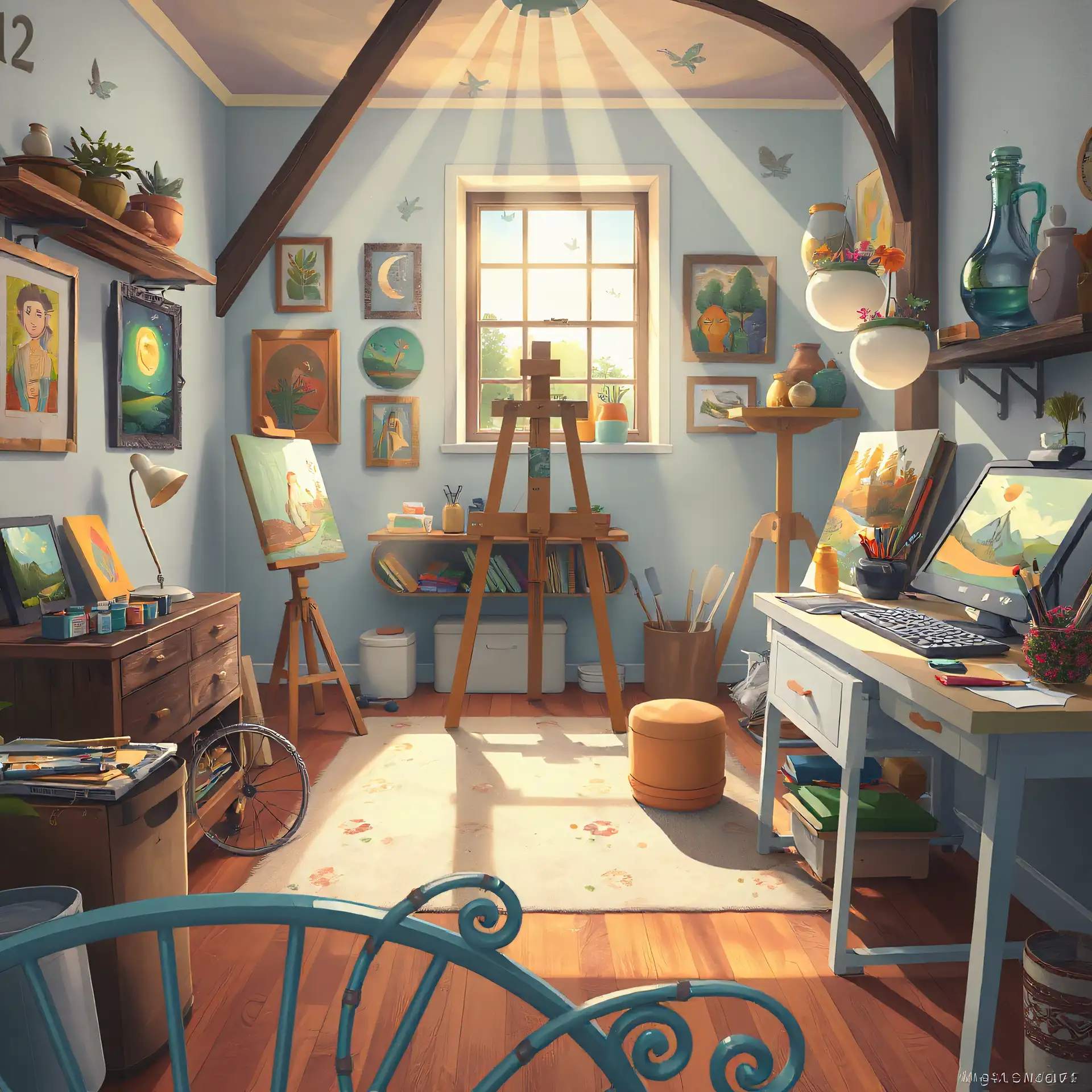
    Professional documentation of your artwork can make or break your portfolio application. At Muzart Schools’ portfolio preparation program, we guide students through creating professional-quality documentation of their work. Our Toronto portfolio preparation experts have helped countless students document their work for successful art school applications, and we’re sharing our proven documentation techniques in this comprehensive guide.

    Essential Equipment for Art Documentation

    Creating professional documentation requires the right tools. Here’s what you’ll need:

    1. Camera Equipment
    • DSLR or high-quality mirrorless camera
    • Tripod for stability
    • Wide-angle lens (24-35mm) for larger works
    • Macro lens for detail shots
    • Remote shutter release (optional but recommended)
    1. Lighting Setup
    • Two softbox lights minimum
    • Diffusion screens or umbrellas
    • Natural daylight bulbs (5500K)
    • Light stands with adjustable height
    • Reflectors for fill light

    Setting Up Your Documentation Space

    Creating the perfect environment for art documentation is crucial:

    1. Space Requirements
    • Clean, uncluttered area
    • Neutral-colored walls (white or light gray)
    • Sufficient distance for camera setup
    • Room for lighting placement
    • Flat, level surface for artwork
    1. Background Setup
    • Seamless paper backdrop
    • Proper mounting system
    • Clean, wrinkle-free surface
    • Neutral gray or white color
    • Sufficient size for largest works

    Camera Settings and Technical Requirements

    Proper camera settings ensure professional-quality documentation:

    1. Basic Camera Settings
    • ISO: 100-400 (lowest possible)
    • Aperture: f/8 to f/11 for depth of field
    • Shutter speed: Based on lighting conditions
    • White balance: Manual setting to match lights
    • File format: RAW + JPEG
    1. Advanced Considerations
    • Focus stacking for 3D works
    • Exposure bracketing for high contrast pieces
    • Color checker card usage
    • Tethered shooting when possible
    • Backup file management

    Post-Processing Best Practices

    Editing your documentation photos requires a careful balance:

    1. Essential Adjustments
    • White balance correction
    • Exposure optimization
    • Perspective correction
    • Cropping to proper dimensions
    • Color accuracy verification
    1. File Preparation
    • Resolution requirements (300 DPI minimum)
    • File format specifications
    • Color space settings (sRGB/Adobe RGB)
    • File naming conventions
    • Backup creation

    FAQ About Art Documentation

    Do I need expensive equipment to document my artwork?

    While professional equipment helps, our portfolio preparation program ($310 monthly) provides access to professional documentation equipment and guidance.

    How many photos should I take of each piece?

    Take multiple shots including full artwork, details, and different angles for 3D pieces. Better to have too many than too few.

    Should I edit my documentation photos?

    Minimal editing is acceptable to ensure accurate color and proper exposure, but avoid any manipulation that changes the artwork’s appearance.

    What if I can’t get good documentation photos?

    Our portfolio preparation sessions include professional documentation assistance and guidance. Book a trial session ($70) to learn more.

    Ready to Create Professional Portfolio Documentation?

    Don’t let poor documentation hold back your portfolio! Our experienced instructors are ready to guide you through the documentation process.

    Special Offer: Book Your Trial Portfolio Session Today

    • ✓ $70 for a full trial session
    • ✓ Access to professional equipment
    • ✓ Expert documentation guidance
    • ✓ Tour our documentation setup
    • ✓ Review your current documentation

    Monthly portfolio preparation programs starting at $310 include access to professional documentation equipment and expert guidance. Join our thriving artistic community today!

    Visit Our Studio

    Our professional studio at 225 The East Mall Unit 11, Etobicoke, provides all the equipment needed for portfolio documentation:

    Hours:

    • Monday to Friday: 3:30 PM – 9 PM
    • Saturday: 10 AM – 4 PM
    • Sunday: 10AM – 4PM

    Contact Us

    Questions about documenting your portfolio? We’re here to help:

    Ready to take your portfolio documentation to the next level? Book your trial portfolio session today →
  • Preparing for Your First Music Recital: A Complete Guide (2025)

    Preparing for Your First Music Recital: A Complete Guide (2025)

    Preparing for Your First Music Recital: A Complete Guide (2025)

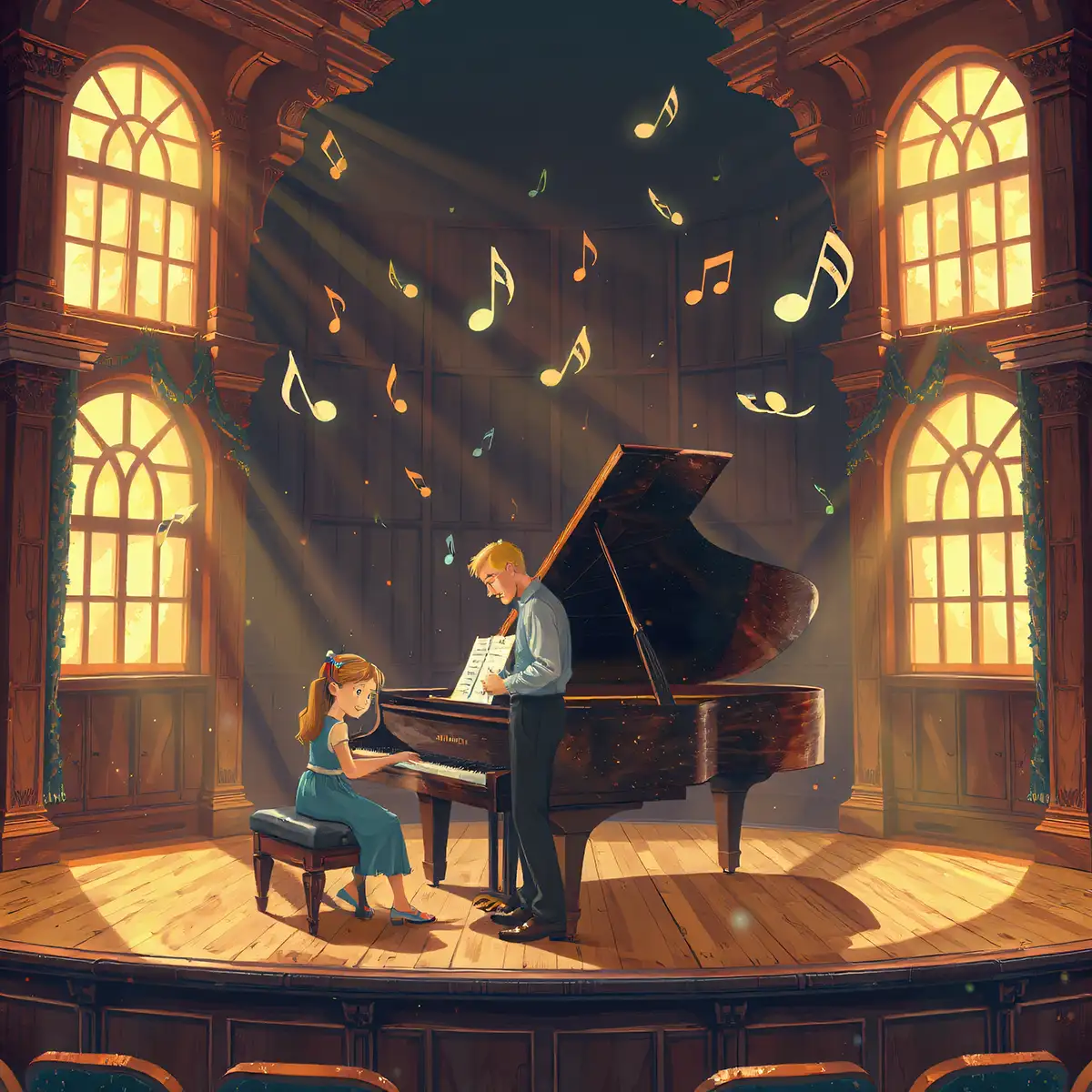
    Your first music recital is an exciting milestone in your musical journey! At Muzart Schools, we understand that this moment can feel both thrilling and nerve-wracking. Our experienced Toronto music teachers have helped countless students prepare for successful performances, and we’re excited to share our comprehensive guide to help you shine on stage.

    Selecting Your Performance Piece

    Choosing the right piece for your first recital is crucial for building confidence and ensuring a successful performance:

    1. Skill Level Compatibility
    • Select a piece you can play comfortably
    • Choose something you’ve mastered, not something you’re still learning
    • Consider your teacher’s recommendations
    • Allow room for expression beyond just the notes
    1. Performance Duration
    • Aim for 2-4 minutes for your first recital
    • Consider your comfort level on stage
    • Factor in potential nerves affecting tempo
    • Include time for setup and bow

    Effective Practice Strategies

    Proper preparation is key to a confident performance. Here’s how to structure your practice sessions:

    1. Daily Practice Schedule
    • Set aside dedicated practice time
    • Break the piece into manageable sections
    • Practice with a metronome
    • Record yourself regularly
    1. Mock Performances
    • Practice in front of family and friends
    • Wear your performance clothes during practice
    • Record full run-throughs
    • Practice your bow and stage presence

    Managing Performance Anxiety

    It’s natural to feel nervous before your first recital. Here are proven strategies to help manage those butterflies:

    1. Mental Preparation
    • Visualize a successful performance
    • Practice deep breathing exercises
    • Arrive early to familiarize yourself with the venue
    • Focus on sharing your music, not perfection
    1. Physical Preparation
    • Get adequate rest the night before
    • Eat a light, energizing meal
    • Stay hydrated
    • Warm up properly before performing

    Day-of-Performance Guidelines

    Follow this timeline to ensure you’re fully prepared on recital day:

    Morning:

    • Wake up early
    • Have a nutritious breakfast
    • Do a gentle warm-up
    • Review your piece slowly

    Pre-Performance:

    • Arrive 30 minutes early
    • Do finger exercises
    • Stay warm and limber
    • Focus on calm breathing

    Performance Time:

    • Walk confidently to your instrument
    • Take a moment to settle
    • Smile and enjoy the experience
    • Remember your performance routine

    FAQ About First Recitals

    How long should I practice before my first recital?

    We recommend having at least 8-12 weeks of dedicated practice with your piece before performing it. Your teacher at Muzart (lessons starting at $155 monthly) will help you determine when you’re ready.

    What should I wear for my first recital?

    Choose comfortable, semi-formal attire that allows you to move freely while playing your instrument. Avoid noisy jewelry or uncomfortable shoes.

    What if I make a mistake during the performance?

    Remember that even professional musicians occasionally make mistakes. Keep going, stay focused, and most audience members won’t even notice.

    How early should I arrive at the recital venue?

    Plan to arrive at least 30 minutes before the scheduled start time to warm up and familiarize yourself with the space.

    Ready to Begin Your Performance Journey?

    Don’t wait to start preparing for your first recital! Our experienced instructors are ready to guide you through your musical development.

    Special Offer: Book Your Trial Lesson Today

    • ✓ $35 for a full trial lesson
    • ✓ Professional instruction
    • ✓ Meet our expert teachers
    • ✓ Tour our state-of-the-art facility
    • ✓ Discuss your performance goals

    Monthly music programs starting at $155 include regular performance opportunities and expert guidance. Join our vibrant musical community today!

    Visit Our Studio

    Our professional studio at 225 The East Mall Unit 11, Etobicoke, provides the perfect environment for your musical development:

    Hours:

    • Monday to Friday: 3:30 PM – 9 PM
    • Saturday: 10 AM – 4 PM
    • Sunday: 10AM – 4PM

    Contact Us

    Questions about our music programs or upcoming recitals? We’re here to help:

    Ready to start your musical journey? Book your trial lesson today →

  • OCAD Portfolio Requirements: What to Submit and Mistakes to Avoid

    OCAD Portfolio Requirements: What to Submit and Mistakes to Avoid

    OCAD Portfolio Requirements: What to Submit and Mistakes to Avoid

    Are you preparing your portfolio for OCAD University? As one of Toronto’s leading portfolio preparation programs, our experienced instructors at Muzart Schools have guided numerous students to successful OCAD admissions. In this comprehensive guide, we’ll walk you through OCAD’s latest portfolio requirements and provide expert insights from our Toronto art portfolio preparation specialists.

    Understanding OCAD’s Portfolio Evaluation Criteria

    OCAD’s admission committee looks for specific qualities in student portfolios that demonstrate both technical skill and creative thinking. Here’s what they’re specifically evaluating:

    • Original thinking and innovative approaches to creative challenges
    • Strong observational skills and attention to detail
    • Technical proficiency across various mediums
    • Understanding of composition, color theory, and design principles
    • Ability to develop and execute creative concepts

    Essential Portfolio Components for OCAD

    Your OCAD portfolio should include carefully selected pieces that showcase your versatility and strength as an artist:

    1. Observational Drawings: Include 3-4 pieces showing your ability to draw from life
    • Still life compositions
    • Figure drawings
    • Architectural or interior spaces
    • Natural objects or landscapes
    1. Process Work: Demonstrate your creative journey with:
    • Preliminary sketches
    • Development studies
    • Material experimentation
    • Final execution
    1. Personal Projects: Show your unique creative voice through:
    • Self-directed artwork
    • Experimental pieces
    • Mixed media projects
    • Digital art (if applicable)

    Digital Documentation Requirements

    Proper documentation of your artwork is crucial for OCAD’s digital submission process:

    • High-resolution images (minimum 300 DPI)
    • Proper lighting without glare or shadows
    • Neutral background for 3D works
    • Accurate color representation
    • Clear detail shots for larger pieces
    • Proper file naming convention
    • A short description (up to 50 words) for each piece, uploaded through SlideRoom after you apply through OUAC

    Common Portfolio Mistakes to Avoid

    Our portfolio preparation instructors regularly help students overcome these common pitfalls:

    1. Poor Image Quality
    • Blurry photographs
    • Improper lighting
    • Distracting backgrounds
    1. Weak Selection Strategy
    • Including too many similar pieces
    • Not showing enough variety
    • Including dated or immature work
    1. Incomplete Documentation
    • Missing dimensions
    • Lack of media information
    • Insufficient process work

    FAQ About OCAD Portfolios

    How many pieces should my OCAD portfolio include?

    OCAD currently asks first-year applicants for 8 to 10 finished pieces, plus process work such as a sketchbook (which counts as one piece) and a statement of intent of up to 300 words. Some programs publish their own guidelines, so check OCAD’s admissions pages for yours before selecting work.

    Can I include digital art in my portfolio?

    Yes, digital art is accepted and encouraged, especially for programs like Digital Futures or Illustration.

    How recent should the work in my portfolio be?

    Most pieces should be from the last 1-2 years to show your current skill level.

    What if I don’t have enough portfolio pieces?

    Our portfolio preparation program ($310 monthly) can help you create new pieces and strengthen existing work through guided instruction.

    Ready to Begin Your Portfolio Journey?

    Don’t wait to start building your OCAD portfolio! Our experienced instructors are ready to guide you through the preparation process.

    Special Offer: Book Your Trial Portfolio Session Today

    • ✓ $70 for a full trial session
    • ✓ All materials included
    • ✓ Meet our professional instructors
    • ✓ Tour our state-of-the-art facility
    • ✓ Discuss your portfolio goals

    Monthly portfolio preparation programs starting at $310 include all materials and personalized guidance. Join our thriving artistic community today!

    Visit Our Studio

    Located at 225 The East Mall Unit 11, Etobicoke, our studio provides a professional environment for portfolio development:

    Hours:

    • Monday to Friday: 3:30 PM – 9 PM
    • Saturday: 10 AM – 4 PM
    • Sunday: 10AM – 4PM

    Contact Us

    Have questions about our portfolio preparation program? We’re here to help:

    Ready to take the next step in your artistic journey? Book your trial portfolio session today →

  • Balancing Activities Guide: Managing Arts Education & Life (Updated for 2025)

    Balancing Activities Guide: Managing Arts Education & Life (Updated for 2025)

    Balancing Activities Guide: Managing Arts Education & Life (Updated for 2025)

    Finding the right balance between artistic development and other activities is crucial for long-term success. At Muzart Music and Art School, we’ve helped families in our music and art programs manage this balance since 2010. This comprehensive guide shares our expertise in creating sustainable schedules that support both artistic growth and overall well-being.

    Understanding Activity Balance

    The Importance of Balance

    Key Benefits:

    • Reduced stress
    • Better performance
    • Sustained motivation
    • Healthy development
    • Long-term success
    • Enhanced enjoyment

    Core Principles:

    • Priority setting
    • Time management
    • Energy allocation
    • Schedule flexibility
    • Regular assessment
    • Quality focus

    Creating a Balanced Schedule

    Step 1: Activity Assessment

    Evaluate Current Activities:

    • School commitments
    • Artistic pursuits
    • Sports activities
    • Family time
    • Social activities
    • Free time

    Time Requirements:

    • Class duration
    • Practice needs
    • Travel time
    • Preparation
    • Recovery
    • Transitions

    Step 2: Priority Setting

    Essential Categories:

    1. Core Responsibilities
    • School work
    • Family commitments
    • Health needs
    • Basic rest
    • Personal care
    • Required activities
    1. Development Activities
    • Artistic practice
    • Sports training
    • Skill development
    • Personal growth
    • Social connections
    • Creative expression

    Age-Specific Balance Strategies

    Elementary Age (5-8)

    Focus Areas:

    • Play-based learning
    • Basic time management
    • Simple schedules
    • Family involvement
    • Regular breaks
    • Fun integration

    Recommended Balance:

    • School: Primary focus
    • Arts: 2-3 sessions weekly
    • Free play: Daily
    • Family time: Daily
    • Rest: Age-appropriate
    • Social: Regular interaction

    Middle School (9-12)

    Focus Areas:

    • Structured schedules
    • Growing independence
    • Multiple activities
    • Homework management
    • Social development
    • Skill building

    Recommended Balance:

    • School: Academic priority
    • Arts: 3-4 sessions weekly
    • Sports/Activities: 2-3 times weekly
    • Social time: Regular
    • Family time: Scheduled
    • Personal time: Daily

    High School (13+)

    Focus Areas:

    • Advanced planning
    • Multiple commitments
    • Career preparation
    • College readiness
    • Leadership development
    • Specialized training

    Recommended Balance:

    • Academics: College prep
    • Arts: Focused development
    • Activities: Selective participation
    • Work/Volunteer: As appropriate
    • Social: Balanced integration
    • Personal: Self-care focus

    Time Management Strategies

    Schedule Optimization

    Weekly Planning:

    • Core commitments first
    • Regular practice times
    • Buffer periods
    • Transition time
    • Rest breaks
    • Flexibility allowance

    Daily Structure:

    • Morning preparation
    • Peak performance times
    • Energy management
    • Regular breaks
    • Recovery periods
    • Evening wind-down

    Energy Management

    High-Energy Activities:

    • New skill learning
    • Technical practice
    • Performance preparation
    • Creative work
    • Complex problems
    • Focused study

    Lower-Energy Activities:

    • Review work
    • Organization
    • Planning
    • Simple practice
    • Maintenance
    • Reflection

    Managing Multiple Activities

    Success Strategies

    Coordination Tips:

    • Calendar system
    • Activity tracking
    • Communication plan
    • Backup schedules
    • Emergency plans
    • Regular review

    Balance Indicators:

    • Energy levels
    • Performance quality
    • Enjoyment
    • Progress
    • Health
    • Motivation

    Start Your Balanced Journey

    At Muzart Music and Art School, we understand the importance of balanced artistic development. Our professional facility in Etobicoke offers:

    • Flexible scheduling
    • Trial lessons for $35
    • Monthly programs from $155
    • All materials included
    • Free parking
    • Convenient location near Highway 427

    Begin Your Journey

    Visit our studio at 225 The East Mall Unit 11, Etobicoke, or contact us:

    Frequently Asked Questions

    How many activities are too many?

    Consider these factors:
    – Available time
    – Energy levels
    – School performance
    – Sleep quality
    – Stress levels
    – Family balance
    Watch for signs of overcommitment and adjust accordingly.

    How do I prioritize activities?

    Consider:
    – Long-term goals
    – Personal interest
    – Development needs
    – Time requirements
    – Energy demands
    Regular evaluation helps maintain proper balance.

    When should I scale back activities?

    Watch for signs like:
    – Decreased performance
    – Increased stress
    – Sleep problems
    – Mood changes
    – Physical fatigue
    – Loss of enjoyment

    How do I maintain quality in multiple activities?

    Focus on:
    – Clear priorities
    – Effective scheduling
    – Quality practice
    – Regular assessment
    – Open communication
    – Flexibility when needed

    Located in Etobicoke and serving Toronto, Etobicoke, and Mississauga communities with professional music and art instruction since 2010.

  • Practice Routine Development: Expert Guide for Students (Updated for 2025)

    Practice Routine Development: Expert Guide for Students (Updated for 2025)

    Practice Routine Development: Expert Guide for Students (Updated for 2025)

    Developing an effective practice routine is crucial for musical and artistic growth. At Muzart Music and Art School, we’ve helped students in our music lessons and art classes establish successful practice habits since 2010. This comprehensive guide shares our proven strategies for creating and maintaining productive practice routines that lead to consistent progress.

    Understanding Effective Practice

    The Science of Practice

    Key Elements of Productive Practice:

    • Focused attention
    • Clear objectives
    • Structured approach
    • Regular feedback
    • Progressive challenge
    • Consistent schedule

    Brain-Based Learning Principles:

    • Short, frequent sessions
    • Active engagement
    • Specific goal setting
    • Multiple repetitions
    • Regular breaks
    • Progress tracking

    Building Your Practice Routine

    Step 1: Time Assessment

    1. Evaluate available time
    2. Identify peak energy periods
    3. Consider family schedules
    4. Account for school commitments
    5. Plan around activities
    6. Set realistic durations

    Step 2: Structure Development

    Basic Practice Framework:

    • Warm-up period (5-10 minutes)
    • Technical work (10-15 minutes)
    • Main focus area (15-20 minutes)
    • Creative exploration (5-10 minutes)
    • Cool-down activity (5 minutes)

    Advanced Framework:

    • Extended warm-up (10-15 minutes)
    • Technical development (15-20 minutes)
    • Repertoire work (20-30 minutes)
    • Sight reading (10 minutes)
    • Performance practice (10-15 minutes)

    Age-Specific Practice Guidelines

    Elementary Age (5-8)

    • 15-20 minute sessions
    • Fun-focused approach
    • Regular breaks
    • Parent involvement
    • Clear achievements
    • Positive reinforcement

    Middle School (9-12)

    • 20-30 minute sessions
    • Structured approach
    • Goal-oriented practice
    • Independent work
    • Progress tracking
    • Regular evaluation

    High School (13+)

    • 30-45+ minute sessions
    • Advanced techniques
    • Self-directed practice
    • Long-term planning
    • Performance preparation
    • Technical mastery

    Creating Practice Success

    Environment Setup

    Physical Space:

    • Proper lighting
    • Comfortable temperature
    • Good ventilation
    • Minimal distractions
    • Required materials
    • Appropriate equipment

    Organization:

    • Practice materials ready
    • Clear workspace
    • Accessible tools
    • Progress journal
    • Practice log
    • Goal sheet

    Motivation Strategies

    Short-Term Motivation:

    • Daily achievements
    • Progress tracking
    • Small rewards
    • Personal bests
    • Skill mastery
    • Regular feedback

    Long-Term Motivation:

    • Performance opportunities
    • Recording sessions
    • Skill benchmarks
    • Technical growth
    • Repertoire expansion
    • Achievement celebration

    Practice Techniques for Success

    Focus Development

    Concentration Strategies:

    • Clear session goals
    • Timed intervals
    • Specific targets
    • Progress notes
    • Success tracking
    • Challenge identification

    Problem-Solving Approach:

    • Identify challenges
    • Break down problems
    • Systematic practice
    • Gradual progress
    • Regular assessment
    • Adjustment planning

    Practice Tools

    Essential Equipment:

    • Metronome
    • Recording device
    • Practice journal
    • Progress tracker
    • Technical aids
    • Reference materials

    Overcoming Practice Challenges

    Common Obstacles

    Time Management:

    • Schedule conflicts
    • Inconsistent availability
    • Rushed practice
    • Interrupted sessions
    • Delayed starts
    • Shortened practice

    Solutions:

    • Flexible scheduling
    • Priority setting
    • Alternative times
    • Make-up sessions
    • Mini-practices
    • Quality focus

    Maintaining Consistency

    Success Strategies:

    • Regular schedule
    • Clear objectives
    • Progress tracking
    • Achievement recognition
    • Routine adjustment
    • Support system

    Start Your Practice Journey

    At Muzart Music and Art School, we provide expert guidance in developing effective practice routines. Our professional facility in Etobicoke offers:

    • Structured learning approach
    • Trial lessons for $35
    • Monthly programs from $155
    • All materials included
    • Free parking
    • Convenient location near Highway 427

    Begin Your Journey

    Visit our studio at 225 The East Mall Unit 11, Etobicoke, or contact us:

    Frequently Asked Questions

    How long should practice sessions be?

    Optimal practice duration varies by age and level:
    – Beginners: 15-20 minutes
    – Intermediate: 20-30 minutes
    – Advanced: 30-45+ minutes
    Focus on quality over quantity.

    What makes a practice session effective?

    Effective practice includes:
    – Clear goals
    – Focused attention
    – Proper technique
    – Regular breaks
    – Progress tracking
    Quality practice produces better results than lengthy, unfocused sessions.

    How do I maintain practice motivation?

    Stay motivated through:
    – Setting achievable goals
    – Tracking progress
    – Celebrating success
    – Regular performances
    – Teacher feedback
    Consistent encouragement and achievement recognition support long-term motivation.

    When should I adjust my practice routine?

    Consider routine adjustments when:
    – Progress plateaus
    – Schedule changes occur
    – Skills advance
    – Goals evolve
    – Challenges arise
    Regular evaluation ensures continued effectiveness.

    Serving Toronto, Etobicoke, and Mississauga communities with professional music and art instruction since 2010.

  • Creating an Art Space at Home: Complete Setup Guide (Updated for 2025)

    Creating an Art Space at Home: Complete Setup Guide (Updated for 2025)

    Creating an Art Space at Home: Complete Setup Guide (Updated for 2025)

    A dedicated art space is essential for artistic development and creative expression. At Muzart Music and Art School, we’ve helped countless families through our private art lessons optimize their home art spaces since 2010. This comprehensive guide shares our expertise in creating the perfect environment for artistic growth, whether you’re setting up a corner of a room or a dedicated studio space.

    Essential Elements of an Effective Art Space

    1. Location Selection

    Key Considerations:

    • Natural light availability
    • Ventilation options
    • Floor protection capability
    • Storage possibilities
    • Water source proximity
    • Traffic flow patterns

    Ideal Characteristics:

    • Away from main traffic areas
    • Good lighting (natural or artificial)
    • Adequate space for movement
    • Easy-to-clean surfaces
    • Proper ventilation
    • Comfortable temperature

    2. Workspace Design

    Surface Requirements:

    • Stable work table
    • Appropriate height for user
    • Easy-to-clean material
    • Sufficient work area
    • Storage underneath
    • Comfortable seating

    Space Organization:

    • Clear workspace zones
    • Material storage areas
    • Drying space for artwork
    • Display area
    • Cleaning station
    • Portfolio storage

    Professional Setup Guidelines

    Lighting Solutions

    Natural Light Setup:

    • Position workspace near windows
    • Use light-diffusing curtains
    • Avoid direct sunlight
    • Consider north-facing location
    • Install adjustable blinds
    • Maintain consistent light

    Artificial Lighting:

    • Task lighting for detailed work
    • Overall room illumination
    • Daylight-balanced bulbs
    • Adjustable light sources
    • Proper positioning
    • Glare prevention

    Storage Systems

    Supply Organization:

    1. Primary Supplies
    • Drawing materials
    • Painting supplies
    • Cutting tools
    • Adhesives
    • Paper stocks
    • Basic tools
    1. Special Materials
    • Specialty papers
    • Mixed media supplies
    • Digital tools
    • Reference materials
    • Project supplies
    • Seasonal items

    Work Surface Options

    Table Requirements:

    • Height appropriate for user
    • Stable construction
    • Cleanable surface
    • Edge protection
    • Storage access
    • Adequate size

    Additional Surfaces:

    • Portable drawing boards
    • Tabletop easels
    • Wall-mounted surfaces
    • Storage surfaces
    • Drying racks
    • Display areas

    Space Optimization Techniques

    Small Space Solutions

    Maximize Limited Area:

    • Vertical storage systems
    • Folding work surfaces
    • Multi-use furniture
    • Mobile storage units
    • Wall-mounted options
    • Space-saving equipment

    Organization Tips:

    • Clear workflow patterns
    • Essential supply focus
    • Regular decluttering
    • Efficient storage
    • Mobile solutions
    • Dual-purpose items

    Safety Considerations

    Essential Safety Features:

    • Proper ventilation
    • Non-slip surfaces
    • Safe storage systems
    • First aid supplies
    • Cleaning materials
    • Protective equipment

    Material Safety:

    • Proper material storage
    • Ventilation for supplies
    • Child-safe organization
    • Secure sharp tools
    • Clean workspace
    • Safety protocols

    Special Considerations

    Age-Appropriate Setups

    Young Artists (5-8):

    • Easy supply access
    • Simple organization
    • Safe materials only
    • Clear workspace rules
    • Regular cleaning routine
    • Height-appropriate furniture

    Developing Artists (9-12):

    • Expanded storage options
    • Project space allocation
    • Material variety
    • Independent access
    • Portfolio storage
    • Technical tools

    Advanced Artists (13+):

    • Professional setup
    • Specialized equipment
    • Complex storage
    • Project planning space
    • Digital integration
    • Portfolio development

    Digital Art Integration

    Technology Setup:

    • Proper device placement
    • Cable management
    • Power access
    • Storage solutions
    • Screen positioning
    • Lighting considerations

    Start Your Artistic Journey Right

    At Muzart Music and Art School, we understand the importance of proper space for artistic development. Our professional facility in Etobicoke offers:

    • Expert art instruction
    • Trial lessons for $35
    • Monthly programs from $155
    • All materials included
    • Free parking
    • Convenient location near Highway 427

    Begin Creating

    Visit our studio at 225 The East Mall Unit 11, Etobicoke, or contact us:

    Frequently Asked Questions

    What’s the minimum space needed for an art area?

    A functional art space can be created in as little as 4×4 feet, though more space is beneficial. Focus on:
    – Efficient organization
    – Vertical storage
    – Multi-use furniture
    – Mobile solutions
    – Clear workspace

    How do I protect floors and surfaces?

    Protect your space with:
    – Drop cloths
    – Washable mats
    – Table covers
    – Splash guards
    – Easy-clean surfaces
    Regular maintenance prevents permanent damage.

    What lighting is best for art creation?

    Optimal lighting includes:
    – Natural north light
    – Daylight-balanced bulbs
    – Adjustable task lighting
    – Even illumination
    – Glare prevention
    Consider both overall and focused lighting needs.

    How can I create storage on a budget?

    Affordable storage solutions include:
    – Repurposed furniture
    – Rolling carts
    – Wall organizers
    – Clear containers
    – Vertical systems
    Focus on functionality and accessibility.

    Begin Your Artistic Journey Today →

    Located in Etobicoke and serving Toronto, Etobicoke, and Mississauga communities with professional art instruction since 2010.