
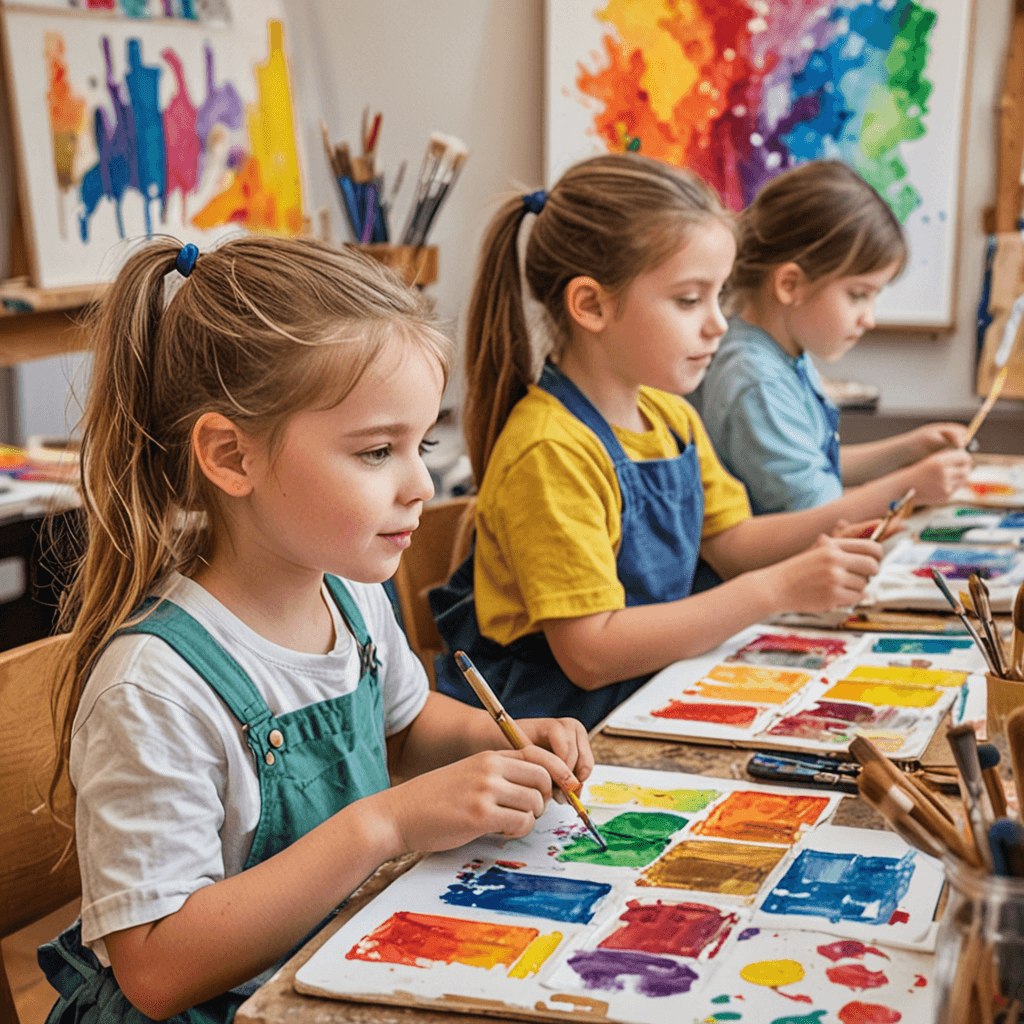
Art Classes for Children: Building Creative Skills in Etobicoke
Table of Contents
Every child possesses creative potential waiting to be nurtured and developed. If you’re a parent in Etobicoke searching for ways to encourage your child’s artistic abilities, structured art lessons in Etobicoke offer far more than simple craft time. Quality art education builds technical skills, fosters creative thinking, and develops confidence that extends into every area of a child’s life. This guide explores what makes children’s art classes valuable and how to choose the right program for your young artist.
Why Art Education Matters for Children’s Development
Art classes provide children with unique developmental opportunities that complement academic learning and support overall growth. The benefits extend well beyond the ability to draw or paint.
Cognitive Development receives substantial support through art education. When children engage in artistic activities, they develop spatial awareness and visual processing skills. They learn to observe details carefully, understand proportions and relationships, and translate three-dimensional objects into two-dimensional representations. These skills support mathematical thinking and scientific observation.
Problem-solving abilities grow naturally through art. Every artistic project presents challenges: How do I mix this color? How can I create the texture I want? What technique will work best for this effect? Children learn to experiment, evaluate results, and adjust their approach. This iterative process of trial, error, and refinement builds resilience and creative problem-solving skills applicable to any field.
Fine Motor Skills develop significantly through art practice. Holding pencils, paintbrushes, and sculpting tools strengthens the small muscles in hands and fingers. This development directly impacts handwriting ability and manual dexterity. The precision required for detailed artwork builds hand-eye coordination that serves children in sports, music, and everyday tasks.
Emotional Intelligence flourishes in art classes. Art provides a safe outlet for expressing feelings that children may struggle to verbalize. Through color choices, subject matter, and artistic style, children communicate their inner experiences. This emotional expression builds self-awareness and helps children process complex feelings in healthy ways.
Social Skills develop naturally in group art settings. Children learn to share materials, respect others’ creative choices, give and receive constructive feedback, and appreciate diverse perspectives. These interactions build empathy and communication skills essential for healthy relationships throughout life.
Understanding Different Art Class Formats
Parents choosing art education for their children encounter two primary formats: group classes and private lessons. Each offers distinct advantages, and the right choice depends on your child’s personality, learning style, and artistic goals.
Group Art Classes create dynamic learning environments where children benefit from peer interaction and collaborative energy. In group art classes, students work on similar projects while developing their individual artistic voices. This format works exceptionally well for children who thrive on social interaction and enjoy learning alongside peers.
The group setting offers unique benefits. Children gain inspiration from observing classmates’ approaches to the same project. They learn that multiple solutions exist for artistic challenges and that different perspectives enrich creative work. This exposure to diverse thinking styles broadens their creative problem-solving abilities.
Group classes also provide natural opportunities for developing social skills. Children practice patience while waiting for assistance, learn to share limited resources thoughtfully, and build confidence by displaying work alongside peers. The sense of community in group classes often motivates children who might resist solitary practice.
Private Art Lessons offer personalized attention and customized curriculum tailored to individual interests and skill levels. Private art lessons allow instructors to move at the student’s pace, spend extra time on challenging techniques, and explore subjects that particularly interest the child.
This individualized approach proves especially valuable for children with specific artistic goals, such as portfolio development for specialized programs. It also benefits students who need additional support with particular techniques or those whose skill level differs significantly from typical age-group abilities.
Private lessons accommodate shy children who may feel inhibited in group settings. The one-on-one environment allows these students to ask questions freely, experiment without self-consciousness, and build confidence at their own pace.
What Children Learn in Quality Art Programs
Comprehensive art education programs teach far more than basic drawing and painting techniques. They develop well-rounded artistic abilities across multiple disciplines.
Drawing Fundamentals form the foundation of visual arts education. Children learn to observe subjects carefully, understand proportions and perspective, create depth through shading and value, and translate what they see onto paper. These core skills support all other artistic endeavors.
Beginning artists start with simple shapes and progress to more complex subjects. They learn various drawing tools—pencils, charcoal, pastels, markers—and discover how each medium creates different effects. This technical knowledge gives children options for expressing their creative visions.
Painting Techniques introduce children to color theory and brushwork. They experiment with different paint types, learning the unique properties of watercolors, acrylics, and tempera. Through hands-on experience, they discover how colors mix, how brush techniques create various textures, and how composition guides the viewer’s eye.
Color theory becomes practical rather than abstract as children mix paints to achieve desired hues. They learn about primary, secondary, and tertiary colors, understand warm and cool tones, and explore how colors interact and influence mood.
Mixed Media and Collage expand creative possibilities by combining materials and techniques. Children learn that art isn’t limited to traditional methods. They might combine painting with found objects, incorporate fabric into drawings, or create three-dimensional elements. This experimentation builds creative confidence and encourages innovative thinking.
Three-Dimensional Work develops different spatial awareness skills. Through clay modeling, sculpture, and construction projects, children understand form, structure, and balance in ways that flat artwork doesn’t teach. These projects also engage tactile learning, which benefits kinesthetic learners particularly well.
Age-Appropriate Progression in Art Education
Quality art programs recognize that children’s abilities and interests change as they develop. Curriculum should match developmental stages while maintaining appropriate challenges.
Early Elementary Years (Ages 5-7) focus on exploration and basic skill development. Children at this age benefit from:
- Simple projects with clear, achievable goals
- Introduction to various materials and tools
- Focus on process over product
- Emphasis on experimentation and play
- Basic color recognition and mixing
- Simple shape drawing and pattern creation
At this stage, art classes build confidence and foster positive associations with creative work. Success matters more than technical perfection. Children should leave class feeling proud of their creations and eager to return.
Middle Elementary Years (Ages 8-10) allow for more complex technical instruction. Children develop:
- Refined motor control enabling detailed work
- Understanding of more complex techniques
- Ability to follow multi-step processes
- Interest in realistic representation
- Pride in finished products
- Beginning awareness of artistic styles
During these years, children often become more critical of their work. Quality instruction balances technical skill development with continued creative freedom, preventing perfectionism from stifling creativity.
Pre-Teen Years (Ages 11-13) mark significant artistic development. Students can:
- Master advanced techniques in chosen mediums
- Develop personal artistic style preferences
- Create complex, multi-session projects
- Understand and apply art historical concepts
- Engage in meaningful critique discussions
- Begin portfolio development for specialized programs
Children at this stage often know whether they wish to pursue art seriously or enjoy it recreationally. Programs should accommodate both paths, offering advanced technical instruction for serious students while maintaining an enjoyable, low-pressure environment for recreational artists.
Supporting Your Young Artist at Home
Parents play an important role in nurturing their child’s artistic development between classes. The home environment significantly impacts how children view their creative abilities and how quickly their skills progress.
Creating an Art-Friendly Space doesn’t require a dedicated studio. A corner of the kitchen table works well if you establish clear boundaries and protect surfaces appropriately. Provide easy access to basic supplies—paper, pencils, crayons, markers. When materials are readily available, children create more frequently.
Consider displaying your child’s artwork prominently. This visible appreciation validates their efforts and builds confidence. Rotate displayed pieces regularly to showcase their developing abilities and maintain fresh interest.
Encouraging Artistic Exploration means supporting experimentation without judgment. When your child tries new techniques or creates abstract work, respond with curiosity rather than evaluation. Ask about their process, what they enjoyed, and what they might try differently next time. This open-ended conversation develops critical thinking and self-evaluation skills.
Avoid correcting your child’s artistic choices. If they color the sky purple or give people green faces, resist the urge to “fix” it. Art isn’t about replicating reality; it’s about expression and creativity. Corrections during creative work can inhibit experimentation and self-expression.
Balancing Instruction with Freedom proves essential for healthy artistic development. Structured classes at Muzart Music and Art School near Cloverdale Mall provide technical instruction and guidance. At home, balance this structured learning with unstructured creative time. Let your child draw, paint, or create without assignments or expectations. This free exploration keeps art joyful and allows children to develop their unique creative voices.
The Investment in Art Education
When considering art classes for your child, understanding the value and structure of programs helps you make informed decisions.
At Muzart Music and Art School in Etobicoke, art programs include all necessary materials for the year. Parents don’t need to purchase supplies or worry about forgotten items. This comprehensive approach ensures every student has access to quality materials regardless of family circumstances.
Both group art classes and private art lessons provide structured curriculum taught by experienced instructors who understand child development and artistic progression. Classes meet weekly, providing consistent instruction that builds skills systematically over time.
The investment in art education pays dividends beyond artistic ability. Children develop confidence, problem-solving skills, emotional intelligence, and creative thinking that serve them throughout life. Many parents observe that the discipline and focus their children develop through regular art classes transfer positively to academic work and other activities.
For students interested in pursuing art more seriously, specialized portfolio preparation programs help them develop bodies of work for applications to specialized high school programs. These intensive programs provide focused instruction on building cohesive portfolios that showcase range, technical skill, and creative vision.
Frequently Asked Questions About Children’s Art Classes
What’s the difference between group and private art lessons?
Group art classes offer social learning environments where children work alongside peers, gaining inspiration from classmates and developing social skills through shared creative experiences. Classes typically follow a structured curriculum with projects designed for the group’s general skill level. Private lessons provide individualized attention with curriculum customized to the student’s specific interests, skill level, and goals. The instructor can move at the student’s pace and focus on particular techniques or subjects. Many families choose based on their child’s personality—outgoing children who enjoy peer interaction often thrive in groups, while those seeking intensive skill development or with specific artistic goals benefit from private instruction.
How often should my child attend art classes?
Weekly classes provide optimal balance for skill development. This frequency allows children to learn new techniques, practice between classes, and return with questions and experiences to share. More frequent classes can overwhelm younger children, while less frequent instruction makes it difficult to build on previous lessons. Consistent weekly attendance proves far more effective than sporadic participation, as artistic skills develop through regular practice and incremental learning.
What if my child says they’re “not good” at art?
Every child can develop artistic skills with proper instruction and encouragement. Often, children compare their work to older students or professional artists and feel discouraged. Quality art instruction meets children where they are and builds skills systematically. More importantly, “being good” at art isn’t the primary goal. Art education develops creativity, problem-solving, fine motor skills, and emotional expression—all valuable regardless of whether your child becomes a professional artist. Focus on the process and effort rather than comparing results to others.
Will art classes help my child who struggles academically?
Art education supports academic performance in several ways. The visual-spatial skills developed through art support mathematics and science understanding. The observation and attention to detail required for artistic work transfer to reading comprehension and analytical thinking. Perhaps most significantly, art provides an area where struggling students can experience success and build confidence. This positive experience often improves their attitude toward learning generally, creating a more positive cycle in all subjects.
What supplies do I need to purchase for art classes?
At Muzart Music and Art School, all art materials are included in the program. Students receive comprehensive art kits containing everything needed for the year’s curriculum. This eliminates the confusion of supply lists and ensures every student works with quality materials. Parents don’t need to purchase anything before starting classes. For home practice, basic supplies like paper, pencils, and crayons suffice. Your instructor can recommend specific items if your child expresses interest in particular techniques or mediums.
Can my child start art classes at any time during the year?
Yes, children can begin art classes at any point. Quality programs assess each child’s current skill level and integrate them appropriately into the curriculum. New students receive any background instruction necessary to participate fully in current projects. The individualized attention ensures children don’t feel behind or lost, regardless of when they start.
Beginning Your Child’s Artistic Journey
If you’re ready to explore art education for your child, the first step is simple. Experience a trial class to see whether the program suits your child’s interests and learning style. This low-pressure introduction allows both you and your child to meet instructors, observe the teaching approach, and get a feel for the class environment.
During the trial, instructors assess your child’s current skill level, creative interests, and learning style. This information helps them tailor instruction to your child’s needs, whether they join a group class or private lessons.
The convenient Etobicoke location near Cloverdale Mall makes attending weekly classes practical for local families. Reducing travel time means more energy for creative work and easier integration into busy family schedules.
Art education offers children more than technical skills. It builds confidence, develops creative problem-solving abilities, provides emotional outlets, and creates a lifelong appreciation for beauty and self-expression. Whether your child becomes a professional artist or simply someone who finds joy in creative pursuits, the skills and perspectives gained through art education enrich their entire lives.
Ready to nurture your child’s creative potential? Book a trial class to experience the program firsthand. Have questions about class formats, scheduling, or what to expect? Request more information and we’ll help you choose the best option for your young artist.
Every artist starts somewhere, and for many, that beginning happens in a welcoming classroom where creativity is celebrated, skills are developed systematically, and every child’s unique artistic voice is encouraged to flourish. Your child’s creative journey can begin today.