
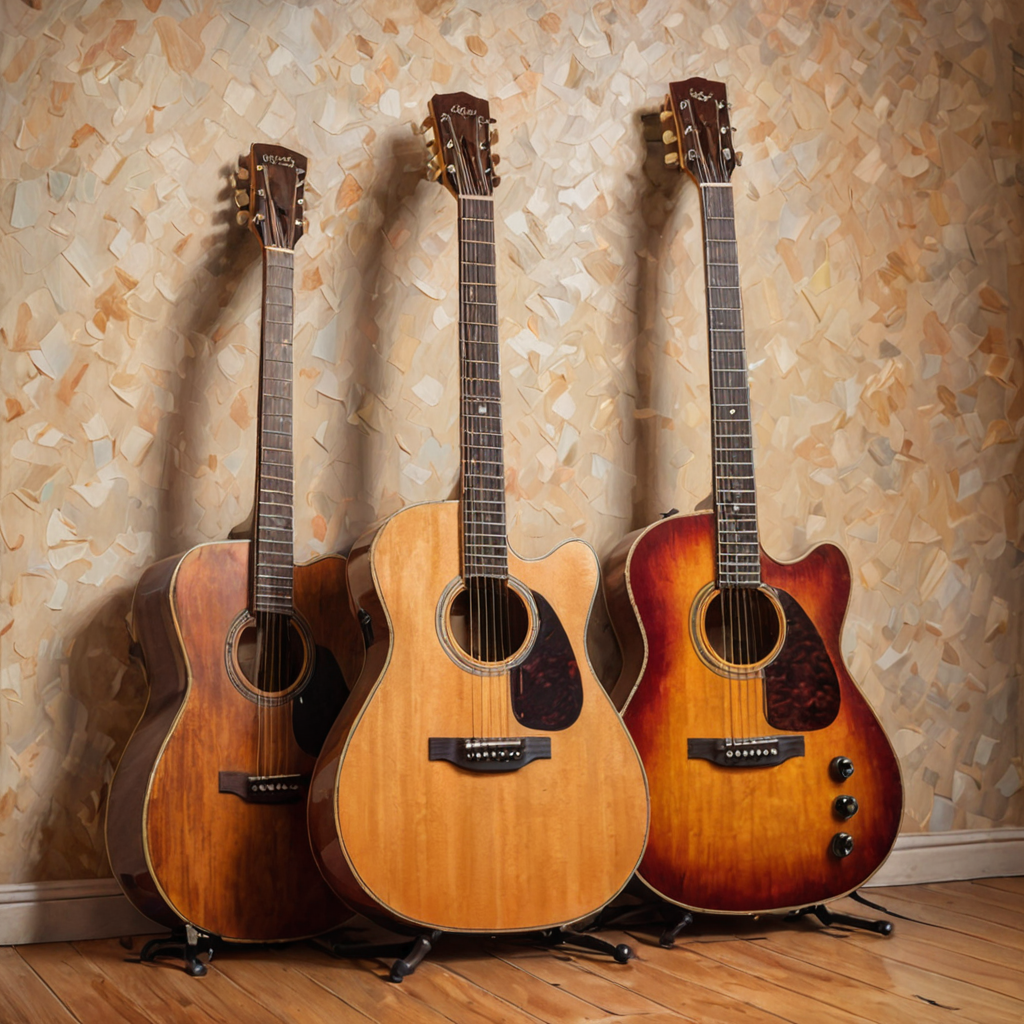
Electric vs Acoustic Guitar: Which Should Beginners Start With?
Table of Contents
If you’re about to start guitar lessons — or you’re a parent enrolling your child — one of the first decisions you’ll face is whether to begin on an acoustic or electric guitar. It’s a question that sparks surprisingly strong opinions in the music world, and much of the conventional wisdom around it is outdated or simply wrong.
The truth is that both acoustic and electric guitars are excellent instruments for beginners. The right choice depends on the student’s musical interests, physical comfort, and practical circumstances — not on some universal rule about which one is “better” for learning. Here’s what you actually need to know to make a confident decision.
The Old Advice: Start Acoustic, Then Switch
For decades, guitar teachers and music stores repeated the same guidance: start on acoustic, and once you’ve built enough strength and discipline, switch to electric. The reasoning was that acoustic guitars are harder to play physically — with thicker strings and higher action — so learning on one would make electric guitar feel effortless later.
There’s a kernel of truth buried in this advice. Acoustic guitars do require more finger pressure, which can build hand strength faster. But the unintended consequence of this approach is that many beginners — especially young children and adults with smaller hands or joint concerns — find the first few weeks on acoustic so physically uncomfortable that they lose motivation before they ever experience the joy of playing.
Modern guitar instruction has largely moved past this one-size-fits-all approach. The best guitar for a beginner is the one that keeps them excited to practise. If a student dreams of playing rock, metal, or blues and you hand them a folk acoustic, you’ve introduced a barrier between them and the music they love. If a student wants to play singer-songwriter material and you put an electric guitar in their hands, the same disconnect occurs.
How Acoustic and Electric Guitars Differ for Beginners
Understanding the practical differences between the two instruments helps make this decision much easier. The differences go beyond just sound — they affect how the instrument feels, what equipment you need, and how your learning path unfolds.
Physical Feel and Playability
Acoustic guitars typically have steel strings with higher tension and a wider neck. This means more finger pressure is required to press strings cleanly against the frets. For adult beginners or children with strong hands, this isn’t a significant issue. But for younger children (under eight or nine), adults with arthritis or hand sensitivity, or anyone who finds the initial discomfort discouraging, acoustics can present a steeper physical learning curve in the first month.
Electric guitars have thinner strings, lower action (the distance between strings and fretboard), and narrower necks. This makes them physically easier to play, especially for beginners who haven’t yet developed calluses or hand strength. The trade-off is that electric guitars require an amplifier to produce their full sound, adding to the initial cost and setup.
Classical guitars — a subset of acoustic guitars that use nylon strings — offer a middle ground. The nylon strings are softer on fingertips than steel, and the wider neck gives small fingers more room. Many young children start on classical guitars for these reasons before transitioning to steel-string acoustic or electric later.
Sound and Musical Style
This is where personal preference should drive the decision. Acoustic guitars produce a warm, resonant sound that’s ideal for folk, country, pop, singer-songwriter, and classical styles. They’re self-contained — no amplifier needed — which makes them convenient for casual playing anywhere.
Electric guitars, through an amplifier, produce a wider range of tones. Clean electric tones suit jazz, blues, and indie styles, while distortion and effects open up rock, metal, punk, and countless other genres. If your child lights up when they hear electric guitar solos or heavy riffs, starting on electric channels that excitement directly into their learning.
At Muzart Music and Art School in Etobicoke, our guitar instructors teach both acoustic and electric guitar and help each student choose the instrument that best matches their goals. Whether your child is drawn to acoustic strumming or electric shredding, the curriculum adapts to the instrument and the student’s interests.
Equipment and Cost
An acoustic guitar is the simpler setup — you need the guitar, a tuner, some picks, and you’re ready to play. Budget around $150 to $300 for a reliable beginner acoustic.
Electric guitar requires a few more pieces: the guitar itself, an amplifier, a cable, and the same accessories. Starter packs that bundle everything together are widely available in the $200 to $400 range. While the initial investment is slightly higher, the ongoing costs are similar.
In both cases, avoid the cheapest instruments available. A guitar that won’t stay in tune or has uncomfortably high action can make learning feel impossible, and that frustration has nothing to do with the student’s ability.
What Guitar Teachers Actually Recommend
The modern consensus among experienced guitar instructors is straightforward: let the student’s musical interest guide the choice. A motivated student who’s excited about their instrument will always outpace a student playing something they’re not passionate about, regardless of which type of guitar they’re holding.
That said, there are a few practical guidelines that teachers commonly share.
For children under eight, a classical guitar with nylon strings is often the most comfortable starting point. The softer strings reduce finger soreness, and smaller sizes are readily available.
For children aged eight to twelve, either acoustic or electric works well. Ask the child what songs or artists they love, and let that inform the decision. A child who idolizes a rock guitarist will be far more motivated with an electric, while one who loves acoustic pop will connect immediately with a steel-string acoustic.
For teenagers and adults, the choice is almost entirely about musical preference and physical comfort. Adults with hand or joint concerns may find electric guitar more comfortable. Adults drawn to unplugged, intimate styles will gravitate naturally toward acoustic.
During a guitar lesson in Etobicoke at Muzart, your teacher will assess the student’s comfort level with both types and make a personalized recommendation. A trial lesson is $35 and provides an ideal opportunity to explore both options before committing to a purchase.
Do the Fundamentals Transfer Between Acoustic and Electric?
Yes — and this is an important point that often gets lost in the acoustic-versus-electric debate. The core skills of guitar playing — chord shapes, strumming patterns, fingerpicking technique, scales, music reading, and rhythmic accuracy — are fundamentally the same on both instruments.
A student who learns open chords on an acoustic guitar can sit down with an electric and play those same chords immediately. A student who learns pentatonic scales on an electric can pick up an acoustic and use those scales without relearning anything. The muscle memory, the ear training, and the musical knowledge transfer completely.
Where the instruments diverge is in the techniques specific to each one. Electric guitar introduces techniques like palm muting, hammer-ons and pull-offs (which are easier on electric), bending, and using effects pedals. Acoustic guitar develops a stronger strumming hand and fingerpicking technique because the instrument relies entirely on physical touch for volume and dynamics.
Students who begin on one type of guitar frequently explore the other after a year or two, and the transition is natural. Starting on the “wrong” guitar is not a risk — starting on a guitar that kills your motivation is.
Common Myths About Choosing a Beginner Guitar
Myth: Acoustic Builds More Discipline
The idea that acoustic guitar is more virtuous because it’s harder physically is a holdover from an era when guitar instruction was less student-centred. Discipline comes from consistent practice and genuine engagement with the material, not from enduring unnecessary discomfort. A student who loves their instrument practises more, and more practice builds more discipline.
Myth: Electric Guitar Is Just for Rock
Electric guitar is one of the most versatile instruments in existence. Jazz, blues, country, R&B, funk, and pop all feature electric guitar prominently. Limiting the electric guitar to rock music is like limiting a piano to classical — it ignores the instrument’s extraordinary range.
Myth: You Should Switch to Electric After Learning Acoustic
There’s no requirement to follow this path. Some students play acoustic their entire lives and are perfectly fulfilled. Others start on electric and never pick up an acoustic. The instruments are different tools for different musical expressions, not sequential steps in a progression.
Myth: Beginners Shouldn’t Use Amplifiers
Amplifiers are part of the electric guitar experience, and learning to control your tone through an amp is itself a valuable musical skill. Modern practice amplifiers have headphone outputs for quiet practice, volume controls for home use, and built-in effects that make practising more engaging. There’s no reason to delay amplifier use.
Making the Decision: A Practical Framework
If you’re still unsure, work through these questions:
What kind of music does the student love? If their favourite songs feature acoustic guitar prominently, start acoustic. If they’re drawn to electric guitar sounds, start electric. If they’re unsure or like both, either option works — or ask their teacher for guidance during a trial lesson.
Is physical comfort a concern? For very young children, older adults, or anyone with hand sensitivity, the lighter string tension of electric guitar or the nylon strings of a classical guitar may provide a more comfortable starting experience.
Does the student have a space for an amplifier? If noise is a major concern, an electric guitar with headphones plugged into a practice amp is actually quieter than an acoustic guitar. This surprises many parents who assume acoustic is the quieter option.
What’s the budget? If budget is tight, a quality acoustic guitar with no additional equipment needed is the most economical starting point. If there’s flexibility, electric guitar starter packs offer excellent value.
Frequently Asked Questions
Can My Child Switch From Acoustic to Electric Later?
Absolutely. The transition from acoustic to electric (or vice versa) is smooth because the fundamental skills transfer directly. Most students find that switching feels natural after even a few months of playing one type. Your guitar teacher in Etobicoke can facilitate this transition and adjust the curriculum accordingly.
Is Classical Guitar a Good Third Option for Young Beginners?
Classical guitar is an excellent option for young beginners, particularly children under eight. The nylon strings are softer on developing fingertips, and the wider fretboard gives small fingers more room to form chords. Many children start on classical guitar and transition to acoustic or electric once their hands have grown and their musical preferences have solidified.
Do I Need to Buy Both Types of Guitar?
No. Start with one and see where the student’s interests lead. If they develop a strong desire to explore the other type after several months of lessons, that’s a natural and exciting progression. But there’s no need to invest in both instruments at the outset.
Will My Child’s Guitar Teacher at Muzart Teach Both Acoustic and Electric?
Yes. The guitar instructors at Muzart teach both acoustic and electric guitar across all skill levels. Our monthly music lessons are $155 and include all instruction materials. Whether your child starts on acoustic or electric, their teacher builds a curriculum tailored to the instrument and the student’s musical goals. Book a $35 trial lesson or request more information to get started.
Does the Type of Guitar Affect RCM Examination Preparation?
The Royal Conservatory of Music offers guitar examinations that can be completed on either classical or acoustic guitar, depending on the repertoire level and stream. If RCM examination preparation is a goal, your teacher can advise on which instrument type aligns best with the examination requirements at each level. Classical guitar is the traditional choice for RCM guitar streams, but your teacher will explain the options during your lessons.
The Best Guitar for a Beginner Is the One They’ll Play
Ultimately, the acoustic-versus-electric question matters far less than whether the student is excited to pick up their guitar every day. The right instrument is the one that connects the student to the music they love and makes practice feel less like obligation and more like discovery.
If you’re still unsure, bring your child to a trial guitar lesson at Muzart in Etobicoke near Cloverdale Mall. Your teacher will help you explore both options and find the instrument that fits.