
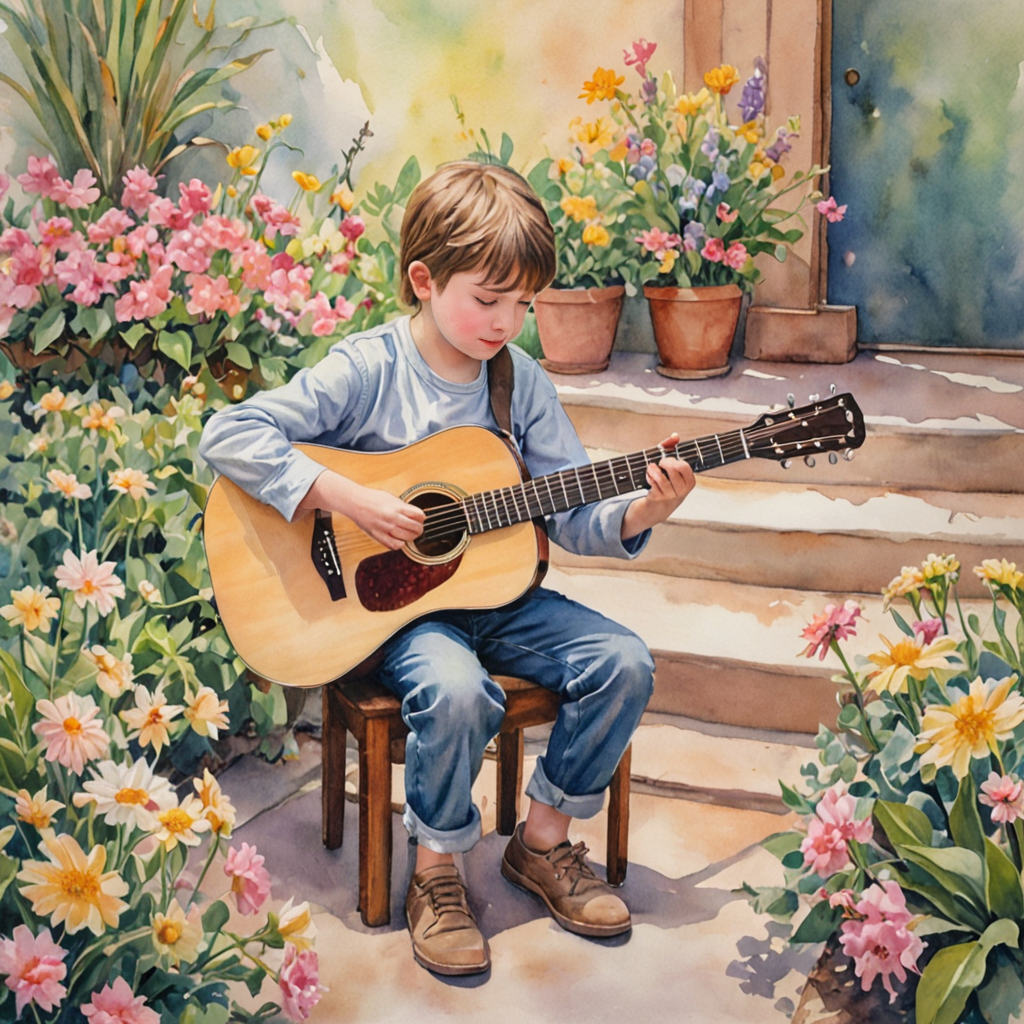
Guitar Performance Preparation in Etobicoke: Spring Recital Readiness
Table of Contents
As winter gives way to spring, young guitarists throughout the Greater Toronto Area begin preparing for one of the most exciting moments in their musical journey: the spring recital. At Muzart Music & Art School, located in Etobicoke near Cloverdale Mall, we understand that performance preparation goes far beyond simply knowing the notes. It’s about building confidence, developing stage presence, and creating positive musical experiences that inspire lifelong learning.
Spring recitals represent an important milestone in any young musician’s development. They provide an opportunity to showcase progress, celebrate achievements, and experience the joy of sharing music with family and friends. Whether your child is preparing for their first performance or their tenth, the approach to recital readiness requires thoughtful planning, consistent practice, and supportive guidance.
Understanding the Timeline: When Performance Preparation Begins
Many families wonder when recital preparation should actually begin. The answer might surprise you: effective performance preparation starts long before the recital date appears on the calendar. The foundation for successful performances is built through consistent weekly lessons and regular practice routines that develop both technical skills and musical confidence.
At our Etobicoke studio, we integrate performance readiness into every guitar lesson in Etobicoke from the very beginning. Students learn proper posture, hand positioning, and technique that will serve them well whether they’re practicing at home or performing on stage. This consistent approach means that when spring recital season arrives, students aren’t starting from scratch—they’re refining skills they’ve been developing all along.
Typically, focused recital preparation begins about 8-12 weeks before the performance date. This timeline allows students to select appropriate repertoire, develop comfort with their pieces, and build the mental and emotional preparation necessary for a successful performance. For spring recitals usually scheduled in late April or May, February represents the perfect time to begin intentional preparation.
The selection of recital repertoire is crucial. Pieces should challenge students appropriately while remaining achievable with dedicated practice. They should showcase skills the student has developed while avoiding excessive difficulty that might create performance anxiety. Our guitar instructors work with each student individually to choose pieces that highlight their strengths and demonstrate their progress.
Beyond individual lessons, students benefit from performance practice opportunities. Playing for family members at home, recording practice sessions to review technique, or participating in informal studio performances all help build the comfort and confidence needed for the spring recital. The $155 monthly program at Muzart includes comprehensive performance support throughout the year.
Building Technical Foundation for Performance Success
Strong technical skills form the foundation of confident performances. When young guitarists have solid technique, they can focus on musical expression rather than worrying about hand position or chord changes. This technical foundation develops through consistent practice and expert instruction.
Proper fretting hand technique ensures clear notes and smooth chord transitions. Students learn to position their fingers precisely behind the frets, using the tips of their fingers to press strings cleanly. This precision becomes especially important during performances when nerves might cause tension. Well-developed muscle memory allows proper technique to persist even when students feel nervous.
Strumming hand technique requires equal attention. Young guitarists develop consistent strumming patterns, learn to control dynamics through strum intensity, and master the coordination between hands. During performance preparation, we emphasize maintaining steady rhythm even when anxiety might cause rushing or hesitation.
Chord transition speed improves dramatically with focused practice. Rather than simply repeating chord changes, students learn strategic practice techniques that isolate difficult transitions and build them systematically. This methodical approach creates smooth transitions that become automatic—exactly what’s needed during the pressure of performance.
Posture and positioning affect both sound quality and performance confidence. Students who maintain proper posture look confident on stage and produce better tone quality. We teach young guitarists to sit or stand in ways that support their playing while appearing natural and comfortable to the audience. These physical aspects of performance become second nature through consistent reinforcement during regular music lessons.
Developing Musical Expression and Interpretation
Technical proficiency alone doesn’t create memorable performances. The most engaging recital performances combine technical skill with musical expression and personal interpretation. Young guitarists learn to transform notes on a page into living music that communicates emotion and tells stories.
Dynamic control allows students to create musical contrast and interest. Learning to play passages at varying volumes—from soft and gentle to loud and energetic—adds dimension to performances. During recital preparation, students explore how dynamic changes enhance the emotional impact of their pieces.
Tempo variations and rubato bring musical phrases to life. Young guitarists discover that strict adherence to metronomic tempo can sometimes sound mechanical. They learn when slight tempo flexibility serves the music, creating natural-sounding phrases that breathe and flow. This musical maturity develops gradually through guided instruction and exposure to quality recordings.
Articulation choices affect the character of musical lines. Students explore the difference between smooth, connected playing and crisp, separated notes. They learn how articulation decisions communicate different moods and styles. These interpretive choices allow young musicians to bring their own personality to performances.
Understanding the emotional content of pieces helps students connect with the music they’re performing. Rather than simply playing notes correctly, they consider what the music might express. Is it joyful? Melancholic? Energetic? Peaceful? This emotional engagement transforms technical exercises into meaningful musical communication.
Conquering Performance Anxiety: Mental and Emotional Preparation
Even well-prepared young musicians experience performance anxiety. The butterflies before a recital are normal and can actually enhance focus and energy. However, excessive nervousness can interfere with performance quality. Effective preparation addresses both the technical and emotional aspects of performing.
Visualization techniques help students mentally rehearse successful performances. They imagine walking on stage confidently, taking their position, and playing their pieces beautifully. This mental practice complements physical practice, building familiarity with the performance experience before the actual recital.
Breathing exercises provide tools for managing nervous energy. Deep, controlled breathing activates the body’s relaxation response, counteracting the physical symptoms of anxiety. Students learn simple breathing techniques they can use before and even during performances to maintain calm and focus.
Positive self-talk replaces anxious thoughts with constructive ones. Rather than worrying about potential mistakes, students learn to remind themselves of their preparation and capabilities. They develop encouraging internal dialogues that support rather than undermine their confidence.
Performance simulation during lessons helps students experience recital-like conditions in a supportive environment. We create opportunities for students to play through their pieces completely without stopping, as they will during the actual recital. These simulations build familiarity with the sustained concentration required for performance.
Understanding that mistakes happen—and that they’re manageable—reduces performance anxiety significantly. Students learn strategies for recovering gracefully from errors, maintaining composure, and continuing with their performance. This resilience transforms potentially devastating moments into minor bumps that don’t derail the entire piece.
Practical Performance Logistics and Stage Presence
Beyond musical preparation, practical logistics affect recital success. Young performers need to understand what to expect on performance day and how to present themselves effectively on stage.
Stage entrance and exit matter more than many families realize. Students learn to walk confidently to the performance area, take their position purposefully, and begin playing when ready rather than rushing. Similarly, they practice gracious acknowledgment of applause and confident exit from the stage. These small details contribute to the overall impression of poise and professionalism.
Tuning before performance prevents preventable problems. Students learn to check their instrument’s tuning before walking on stage, or to tune confidently in front of the audience if necessary. This practical skill prevents the disappointment of otherwise good performances marred by an out-of-tune instrument.
Dress rehearsal attendance, when offered, familiarizes students with the performance venue. They experience the stage, understand sight lines, and hear how their instrument sounds in the space. This advance exposure significantly reduces uncertainty and anxiety on performance day.
Appropriate performance attire helps students feel confident and look their best. While requirements vary, generally neat, comfortable clothing that allows free movement works well. Students should feel like themselves while appearing respectful of the occasion and audience.
Family support plays a crucial role in performance success. Parents who approach recitals with calm encouragement rather than pressure help their children enjoy the experience. Emphasizing the celebration of progress rather than the pursuit of perfection creates a positive framework for musical growth.
Our Etobicoke studio, conveniently located near Cloverdale Mall and serving families throughout Toronto, Etobicoke, and Mississauga, provides comprehensive performance preparation as part of our regular instruction. The $35 trial lesson offers an opportunity to experience our approach to developing confident, capable young musicians.
Spring Recital Benefits: Why Performance Opportunities Matter
Spring recitals provide benefits that extend far beyond the performance itself. These events create valuable learning experiences and contribute to well-rounded musical development.
Goal-oriented practice becomes more focused when students have a specific performance date approaching. Rather than practicing abstractly, they work toward a concrete objective. This focused preparation builds discipline and time management skills that serve students in all areas of life.
Accomplishment and pride follow successful performances. When students share music they’ve worked hard to prepare, they experience deep satisfaction. This positive reinforcement motivates continued learning and builds confidence that extends beyond music.
Community building occurs as students, families, and instructors gather to celebrate musical achievements. Recitals create shared experiences that strengthen the studio community and provide young musicians with a sense of belonging to a larger musical family.
Experiencing live music performance—both as performer and audience member—develops musical appreciation. Students hear peers at various levels, witnessing the progression possible through dedicated study. They learn to be supportive audience members who appreciate others’ efforts.
Milestone marking helps students recognize their progress over time. When families video recitals year after year, the growth becomes obvious and inspiring. These documented milestones create lasting memories and tangible evidence of skill development.
The comprehensive guitar lessons in Etobicoke at Muzart integrate performance preparation throughout the year, ensuring students develop both technical skills and performance confidence. Our one-hour lessons, included in the $155 monthly program, provide ample time for thorough instruction covering all aspects of musical development.
Frequently Asked Questions About Guitar Performance Preparation
When should my child start preparing for a spring recital?
Focused recital preparation typically begins 8-12 weeks before the performance date. For spring recitals scheduled in late April or May, starting in February provides adequate time for piece selection, technical refinement, and confidence building. However, effective performance preparation actually begins with the very first guitar lesson. Consistent weekly instruction and regular practice establish the technical foundation and musical skills that make recital preparation successful. At Muzart Music & Art School in Etobicoke, we integrate performance-ready technique into every lesson throughout the year. When recital season arrives, students refine and polish rather than starting from scratch. The $35 trial lesson demonstrates our comprehensive approach to developing confident young musicians who are always performance-ready.
How can I help my child overcome performance anxiety before their first recital?
Performance anxiety is completely normal and manageable with the right approaches. First, normalize nervous feelings by explaining that even professional musicians experience butterflies before performances. Help your child practice visualization techniques where they mentally rehearse successful performances. Encourage deep breathing exercises that activate the body’s relaxation response. Create low-pressure performance opportunities at home where your child plays for family members or family friends. Focus your encouragement on effort and enjoyment rather than perfection. Remind your child that mistakes are normal and recoverable—the goal is sharing music they’ve worked on, not flawless execution. During lessons at our Etobicoke studio, instructors provide performance simulation opportunities and teach specific strategies for managing nervous energy. Most importantly, approach the recital as a celebration of progress rather than a high-stakes evaluation. Your calm, positive attitude will significantly influence your child’s experience.
What should I look for in recital piece selection for my child?
Appropriate recital pieces balance several factors. They should challenge your child while remaining achievable with dedicated practice—pieces that are too easy don’t showcase growth, while overly difficult pieces create frustration and anxiety. Good recital selections highlight skills your child has developed while avoiding techniques they’re still mastering. The piece should be something your child genuinely enjoys playing, as enthusiasm shows during performance. Length matters too—pieces should be substantial enough to demonstrate ability but not so long that maintaining concentration becomes difficult. Consider the overall recital program as well; variety in tempo, style, and mood creates more engaging performances. At Muzart, guitar instructors work individually with each student to select pieces that showcase their unique strengths and current capabilities. This personalized selection process, included in the $155 monthly program, ensures each young musician has the best opportunity for recital success. Book a trial lesson to experience our thoughtful approach to repertoire selection.
How much should my child practice before a recital?
Practice requirements vary based on the student’s age, experience level, and the difficulty of their recital pieces, but consistency matters more than duration. Generally, daily practice sessions of 20-30 minutes for younger beginners and 30-45 minutes for more advanced students create steady progress. As the recital approaches, students might gradually increase practice time to polish their pieces. However, marathon practice sessions rarely prove as effective as consistent, focused daily practice. Quality trumps quantity—30 minutes of engaged, purposeful practice produces better results than an hour of distracted repetition. Practice should include playing through the entire piece without stopping (as in performance), isolating and perfecting difficult sections, and performing for family members to build comfort with an audience. During weekly lessons at our Etobicoke studio near Cloverdale Mall, instructors provide specific practice guidance tailored to each student’s needs and recital timeline. They teach effective practice strategies that maximize progress while avoiding burnout or frustration.
What happens if my child makes a mistake during their recital performance?
Mistakes during performances are normal and completely manageable. Professional musicians make mistakes too—the key is recovering gracefully and continuing. We teach students that if they make an error, they should simply continue playing rather than stopping or starting over. Most audience members, especially at student recitals, won’t even notice minor errors unless the performer draws attention to them by stopping or reacting visibly. We encourage students to maintain their composure, keep going, and finish their piece. After the performance, families should focus on what went well rather than dwelling on mistakes. Praise the courage it takes to perform, acknowledge the hard work evident in the preparation, and celebrate the completed performance. These positive responses help students develop resilience and maintain enthusiasm for future performances. During lessons in Etobicoke, we teach specific recovery strategies and create practice performances where students experience that mistakes are survivable and don’t ruin the overall experience. This preparation builds the emotional resilience needed for confident performances.
Ready to Prepare for Spring Performance Success?
Spring recital season offers young guitarists a valuable opportunity to showcase their progress, build confidence, and experience the joy of sharing music with others. With proper preparation that addresses technical skills, musical expression, and performance confidence, your child can approach their recital with excitement rather than anxiety.
At Muzart Music & Art School in Etobicoke, we provide comprehensive guitar instruction that prepares students for successful performances throughout the year. Our experienced instructors understand how to build both musical skills and performance confidence, creating well-rounded young musicians who are ready to share their talents.
Located near Cloverdale Mall and serving families throughout Toronto, Etobicoke, and Mississauga, we offer one-hour private guitar lessons that provide ample time for thorough instruction covering all aspects of musical development. Our $155 monthly program includes all books and materials, performance preparation support, and expert guidance from instructors who are committed to each student’s success.
Whether your child is preparing for their first recital or continuing their performance journey, now is the perfect time to begin. Book a $35 trial lesson to experience the Muzart approach to developing confident, capable young musicians. Our trial lesson provides an opportunity to meet our instructors, explore our curriculum, and understand how we prepare students for performance success.
Don’t let another spring recital season pass without giving your child the gift of expert guitar instruction and performance preparation. Request more information about our spring enrollment opportunities, or book your trial lesson today. The confidence and skills your child develops through proper performance preparation will serve them well both on stage and throughout their musical journey.