
Spring Art Projects for Children in Toronto: Seasonal Creative Inspiration
Table of Contents
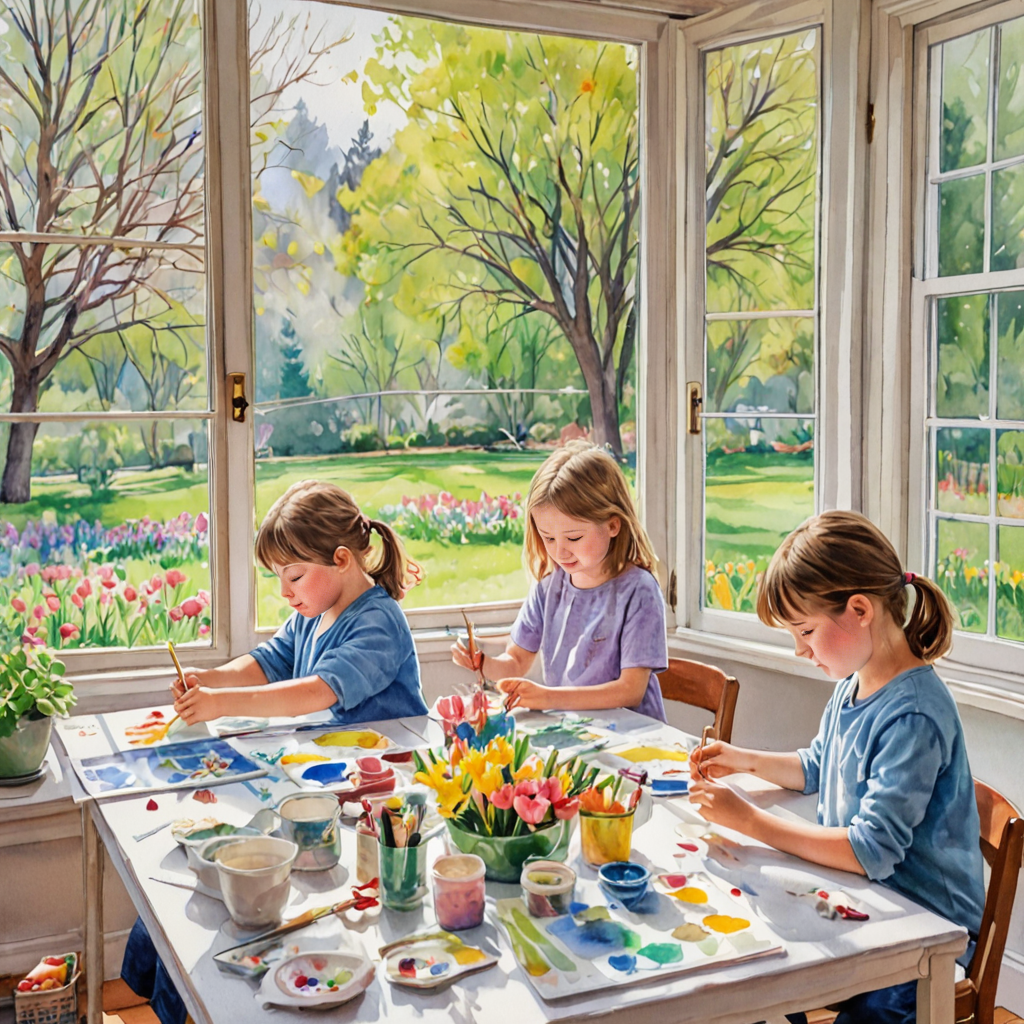
Spring’s arrival in Toronto brings more than just warming temperatures and blooming flowers—it offers a wealth of creative inspiration for young artists. At Muzart Music & Art School, located in Etobicoke near Cloverdale Mall, we embrace the changing seasons as opportunities to explore new themes, techniques, and artistic possibilities. Spring-themed art projects connect children with the natural world while developing essential creative skills.
The transition from winter’s muted palette to spring’s vibrant colors provides the perfect backdrop for artistic exploration. Young artists discover how seasonal changes affect light, color, and subject matter. They learn to observe their environment more carefully, translate natural beauty into artistic expression, and use seasonal inspiration to fuel their creative growth.
Spring art projects offer more than just pretty pictures to display on the refrigerator. They provide structured opportunities to develop observational skills, practice color mixing techniques, experiment with various media, and build confidence in artistic decision-making. Whether your child participates in group art classes or private art lessons, seasonal projects enhance their technical abilities while celebrating the joy of creation.
Understanding Spring’s Unique Artistic Qualities
Spring possesses distinct visual characteristics that make it particularly rich for artistic exploration. Young artists learn to recognize and capture these seasonal qualities through various projects and techniques.
The color palette of spring differs dramatically from other seasons. After winter’s whites, grays, and browns, spring introduces fresh greens, delicate pastels, and vibrant accent colors. Children explore mixing these characteristic spring hues—the soft pink of cherry blossoms, the bright yellow of daffodils, the fresh green of new leaves. This color work develops essential color theory understanding while connecting artistic practice to the real world.
Light quality changes significantly as days lengthen and the sun rises higher in the sky. Spring light appears clearer and more vibrant than winter’s diffused glow. Young artists learn to observe how spring sunshine creates different shadows and highlights compared to winter light. These observations inform their artistic choices when depicting spring scenes or working from nature.
Nature’s renewal provides endless subject matter inspiration. Budding trees, emerging flowers, returning birds, and awakening insects all offer engaging subjects for children’s artwork. Projects focused on these natural elements teach observation skills while celebrating the season’s distinctive characteristics.
Compositional opportunities expand as landscapes transform from winter’s stark simplicity to spring’s increasing complexity. Children learn to arrange multiple elements—flowers in the foreground, trees in the middle ground, sky in the background—creating depth and interest in their compositions. These fundamental compositional skills transfer to all future artistic work.
Weather variety in Toronto’s spring—sunny days, rain showers, lingering cool mornings—offers opportunities to explore how conditions affect both subject matter and mood in artwork. Young artists discover that spring’s changeability creates diverse creative possibilities.
Exploring Spring Through Different Media
Different artistic media offer unique ways to capture spring’s character. Introducing children to various materials and techniques enriches their creative toolkit while keeping spring projects fresh and engaging.
Watercolor proves particularly well-suited to spring subjects. The medium’s transparent, flowing quality captures the delicate nature of spring blossoms and the soft washes of spring skies. Children learn wet-on-wet techniques that create ethereal backgrounds, wet-on-dry methods for more controlled details, and salt textures that suggest bursting blooms. Spring watercolor projects teach technical skills while producing beautiful seasonal artwork.
Tempera painting allows for more opaque, vibrant expressions of spring. Young artists use tempera to create bold flower gardens, colorful bird studies, and imaginative spring landscapes. The medium’s forgiving nature—mistakes can be painted over—makes it ideal for younger children who are still developing fine motor control and confidence.
Drawing media including colored pencils, crayons, and pastels each offer distinct approaches to spring subjects. Colored pencils enable precise detail work perfect for botanical studies. Crayons provide bold, expressive marks suitable for younger artists. Pastels combine drawing and painting qualities, allowing children to blend colors while maintaining crisp details.
Collage techniques incorporate real natural materials into spring artwork. Children might use pressed flowers, textured papers, fabric scraps, and found natural objects to create mixed-media spring compositions. These projects develop problem-solving skills as young artists figure out how to attach various materials and create unified compositions from diverse elements.
Printmaking methods create repeating spring patterns and designs. Simple vegetable prints using celery, potatoes, or broccoli create flower and foliage textures. Foam plate printing allows children to design spring scenes that can be reproduced multiple times. These projects introduce the concept of multiple originals while developing pattern-making skills.
Three-dimensional projects bring spring subjects off the page. Papier-mâché birds, clay flowers, or constructed butterfly sculptures engage different cognitive and motor skills than two-dimensional work. At our Etobicoke art lessons, students explore various media throughout their enrollment, building versatile creative skills.
Age-Appropriate Spring Project Ideas
Effective spring art projects match children’s developmental stages, ensuring both success and appropriate challenge. Different age groups benefit from projects tailored to their abilities and interests.
Preschool and Early Elementary (Ages 4-7)
Young children thrive with projects that emphasize exploration and process over precise outcomes. Spring process art using finger painting with spring colors allows tactile engagement with materials. Collages made from torn construction paper create flower gardens without requiring cutting skills. Simple resist techniques where children draw with white crayon then paint over with watercolor “reveal” spring scenes magically.
Stamping projects using purchased stamps or found objects create spring patterns and scenes. Nature printing with real leaves or flowers introduces observational skills while creating satisfying results. Sensory-rich projects like spring playdough gardens combine sculptural work with imaginative play.
These foundational experiences develop fine motor skills, color recognition, and creative confidence. The emphasis remains on exploration and enjoyment rather than realistic representation.
Upper Elementary (Ages 8-11)
Older elementary students can handle more complex techniques and longer project timelines. Detailed watercolor studies of spring flowers teach observation and brush control. Perspective drawings of spring landscapes introduce spatial concepts. Multi-step projects like creating illustrated spring journals combine various skills.
Realistic bird studies from photographs develop observational drawing skills. Spring-themed pattern designs incorporating geometric and organic shapes teach design principles. Collaborative group projects like a shared spring mural build teamwork skills alongside artistic abilities.
These intermediate projects balance skill development with creative expression, challenging students appropriately while maintaining engagement and success.
Middle School and Teens (Ages 12+)
Advanced students benefit from projects requiring sustained effort and sophisticated techniques. Detailed botanical illustrations teach scientific observation combined with artistic rendering. Photography-based spring projects explore composition and lighting. Mixed-media spring artworks combining multiple techniques develop artistic decision-making.
Abstract interpretations of spring themes encourage personal artistic voice. Portfolio-quality spring pieces for students in portfolio preparation programs demonstrate advanced skills. Independent spring-themed projects allow exploration of personal interests and styles.
These advanced projects develop artistic maturity while preparing students for continued creative growth.
Connecting Spring Art to Skill Development
While spring projects celebrate seasonal beauty, they simultaneously develop fundamental artistic skills with applications far beyond seasonal work.
Observational skills improve dramatically through spring nature studies. When children draw blooming branches or emerging plants, they learn to truly see their subjects—noticing details, relationships, and characteristics they might otherwise overlook. This careful observation transfers to all future artistic work, regardless of subject matter.
Color mixing practice happens naturally through spring projects. Creating the wide range of spring greens, mixing delicate flower colors, and achieving the particular quality of spring light all require color theory understanding. These practical applications make color concepts concrete and meaningful for young artists.
Compositional understanding develops as children arrange spring elements in their artwork. Decisions about placement, size relationships, foreground and background, and creating focal points all contribute to compositional literacy. These foundational skills apply to every artwork students create throughout their artistic journey.
Technique mastery occurs through repeated practice with different media. Each spring project using watercolor builds greater control and confidence with the medium. Multiple tempera paintings develop understanding of how to achieve desired effects. Consistent media exposure through seasonal projects creates cumulative skill development.
Creative problem-solving opportunities arise naturally in spring artwork. How do you capture the delicate quality of a cherry blossom? How can you show depth in a garden scene? How do you mix the exact green you observe on new leaves? Wrestling with these questions develops creative thinking applicable far beyond art class.
At Muzart in Etobicoke, both group and private art instruction incorporate seasonal projects that celebrate spring while systematically building artistic capabilities. All materials are included in our programs, ensuring students can explore various media without financial barriers limiting creative possibilities.
Bringing Spring Projects Home: Family Art Activities
Spring art exploration needn’t be limited to formal art classes. Families can extend creative learning through simple at-home projects that complement professional instruction.
Nature walks with artistic purposes add new dimensions to family outings. Collect interesting leaves, flowers, and twigs for collage materials. Take photographs of spring subjects your child might like to draw or paint later. Observe colors, patterns, and relationships together, discussing what you notice. These shared experiences build observational skills while creating family memories.
Outdoor sketching sessions require minimal supplies—just sketch paper and pencils or colored pencils. Find a comfortable spot in a park or your backyard and spend 20-30 minutes drawing what you see. The goal isn’t perfection but practice and enjoyment. Young artists develop confidence through regular, low-pressure creative sessions.
Kitchen table projects using household supplies make art accessible. Coffee filter flowers created with markers and water spray demonstrate color bleeding beautifully. Egg carton flowers teach sculptural thinking. Simple watercolor experiments with spring colors introduce the medium affordably.
Seasonal art journals document spring’s progression through weekly sketches or observations. Children notice how quickly plants grow and landscapes change when they record their observations regularly. These journals become treasured records of both seasonal change and artistic development.
Photography projects using smartphones or simple cameras teach composition and observation. Challenge your child to photograph five different spring colors, three interesting textures, or patterns in nature. Review and discuss the images together, talking about what makes certain compositions more successful than others.
These home extensions complement formal art instruction at our Etobicoke studio without replacing the systematic skill development that professional teaching provides. The combination of structured art lessons and informal home exploration creates optimal conditions for creative growth.
Spring Art Exhibition and Display Ideas
Celebrating children’s spring artwork through thoughtful display reinforces the value of their creative efforts and builds pride in accomplishments.
Home gallery walls showcase seasonal work beautifully. Dedicate a wall or hallway to rotating artwork displays. Frame spring pieces matted on colored backgrounds that complement the work. Arrange pieces at your child’s eye level so they can appreciate their own progress. Change the display monthly to feature new work while archiving earlier pieces.
Digital portfolios document artistic development over time. Photograph each spring artwork and organize images by year. These digital records allow you to preserve work without storing every physical piece indefinitely. Years later, scrolling through past spring projects reveals remarkable growth.
Gift-giving opportunities allow spring artwork to spread joy beyond your home. Quality photographs of spring paintings make beautiful greeting cards for grandparents. Scanned artwork can be printed on various items through online services. Original small-format spring pieces make meaningful gifts for teachers or family members.
Art show participation provides authentic audiences for young artists. Many schools and libraries host student art exhibitions during spring months. Community centers and local businesses sometimes display children’s work. These public showings validate artistic effort and build confidence.
At Muzart, we celebrate student artwork through studio displays and occasional exhibitions. Seeing their work professionally presented teaches young artists that creative expression merits respect and attention. These experiences build artistic identity and encourage continued creative development.
Frequently Asked Questions About Spring Art Projects for Children
What art supplies do I need for spring art projects at home?
For basic spring art exploration at home, keep supplies simple and affordable. Essential materials include watercolor paints (a basic 8-color set works well), tempera or acrylic paints in primary colors plus white, drawing paper in various sizes, colored construction paper, white glue and glue sticks, and age-appropriate scissors. Add colored pencils, markers, or crayons for drawing projects. For spring-specific work, gather natural materials during outdoor excursions—interesting leaves, flower petals (fallen, not picked), twigs, and small stones all enhance collage projects. However, if your child attends art classes at Muzart Music & Art School in Etobicoke, all materials are included in both our group and private art programs. This comprehensive material provision ensures students can explore various media and techniques without families needing to purchase specialized supplies. Our professional-grade materials support optimal learning while keeping costs predictable for families. Book a trial lesson to experience the difference quality materials make in children’s artistic development.
How do I encourage my child’s spring artwork without being overly critical?
Effective encouragement focuses on effort, exploration, and personal expression rather than realistic representation or adult aesthetic standards. Instead of evaluating whether artwork “looks right,” ask open-ended questions about the child’s process and intentions: “Tell me about the colors you chose,” or “What was your favorite part to create?” Notice specific choices: “I see you used lots of different greens in your spring garden,” rather than generic praise like “good job.” Avoid correcting their work or suggesting how to make it “better”—remember that creative exploration matters more than precise results. Display their artwork prominently, demonstrating that you value their creative efforts. If they express frustration with their work, empathize with the challenge while emphasizing that all artists—even professionals—face difficulties and that practice leads to growth. At our Etobicoke studio, instructors model this supportive approach while providing appropriate technical guidance that builds skills without crushing creative confidence. The balance between encouragement and instruction requires expertise, which is why professional art education complements rather than replaces family support.
Should spring art projects focus on realistic representation or creative expression?
The best answer is “both,” but with developmental considerations. Younger children (preschool through early elementary) benefit from emphasis on creative expression, exploration, and process over realistic outcomes. At these ages, forcing realistic representation often creates frustration and diminishes creative confidence. As children mature into upper elementary and middle school years, many develop interest in creating more realistic artwork, and appropriate technical instruction supports this emerging interest. The key is following the child’s developmental readiness and interests rather than imposing adult expectations. Spring projects offer opportunities for both approaches—realistic botanical studies develop observational skills while abstract spring-themed pieces encourage personal expression. Quality art education balances these elements appropriately. In group art classes at Muzart, age-appropriate projects develop technical skills progressively while always honoring creative expression. Private lessons can further customize this balance to individual students’ interests and developmental stages. The goal is creating well-rounded young artists who can both express themselves freely and render observed subjects skillfully when they choose to.
What are the developmental benefits of seasonal art projects like spring themes?
Seasonal art projects provide multiple developmental benefits beyond artistic skill building. Observation skills sharpen as children notice and record seasonal changes—the specific green of new leaves, the structure of a tulip, the pattern of rain on windows. This careful attention to the environment builds general observational capabilities useful in all learning. Fine motor skills develop through handling various art materials, whether controlling a paintbrush for delicate flower details or cutting paper shapes for spring collages. Cognitive development occurs as children make decisions about composition, color, and technique. Emotional regulation improves as children learn to manage frustration when artwork doesn’t turn out as envisioned and to persist through challenging tasks. Scientific understanding deepens through art-based nature study—creating botanical drawings teaches plant structures more memorably than textbook diagrams alone. Language development expands as children learn vocabulary to discuss their artistic choices and seasonal observations. Social skills grow in group art classes where children share materials, appreciate peers’ work, and collaborate on projects. These multi-dimensional benefits make art education—especially thematically rich seasonal projects—valuable for overall child development, not just artistic growth.
How can I find age-appropriate spring art inspiration for my child?
Multiple resources provide excellent spring art inspiration suited to various ages and skill levels. Children’s art instruction books focusing on seasonal themes offer structured project ideas with step-by-step guidance. Online platforms like Pinterest feature countless spring art projects tagged by age group, though quality varies—look for projects from credible sources like museums, art educators, or established art programs. Nature itself provides the best inspiration—regular outdoor observation sessions where you and your child notice spring’s arrival together naturally generate artistic ideas. Children’s picture books about spring combine visual inspiration with storytelling that might spark creative projects. Museum visits, whether in-person to local Toronto institutions or virtual tours of major museums worldwide, expose children to how professional artists depict spring and nature. However, the most reliable source of age-appropriate, skill-building spring art projects remains professional art instruction. At Muzart Music & Art School near Cloverdale Mall in Etobicoke, experienced instructors design seasonal projects that perfectly balance creative exploration with systematic skill development for each age group. Our curriculum ensures children experience engaging spring projects that match their abilities while building toward future creative growth. Request more information about our seasonal curriculum and how it develops comprehensive artistic capabilities.
Celebrate Spring Through Creative Expression
Spring’s arrival in Toronto offers the perfect opportunity to engage children in creative projects that celebrate seasonal beauty while developing essential artistic skills. Whether through formal art education or family projects at home, spring-themed artwork connects young artists with the natural world while building technical capabilities and creative confidence.
At Muzart Music & Art School in Etobicoke, we embrace seasonal inspiration as part of our comprehensive art curriculum. Our experienced instructors design spring projects appropriate for each student’s age and skill level, ensuring both success and appropriate challenge. From delicate watercolor blossoms to bold abstract spring compositions, our students explore the season through diverse media and techniques.
Located near Cloverdale Mall and serving families throughout Toronto, Etobicoke, and Mississauga, Muzart offers both group art classes ideal for social learning and creative community, and private art lessons providing individualized attention and customized instruction. All art materials are included in our programs, allowing students to explore various media without families worrying about supply costs.
Our group classes create dynamic environments where children share inspiration, learn from peers, and develop social skills alongside artistic capabilities. Private lessons offer personalized pacing and focused attention on individual interests and goals. Both formats provide expert instruction that systematically builds skills while nurturing creative joy.
Spring represents renewal and growth—perfect metaphors for artistic development. Now is an ideal time to introduce your child to quality art education that will serve them throughout their creative journey. Book a trial art lesson to experience the Muzart approach to nurturing young artists through seasonal inspiration and year-round skill development.
Don’t let another Toronto spring pass without giving your child opportunities for creative exploration and growth. Visit our art lessons page to learn more about our programs, or contact us today to discuss which option—group classes or private instruction—best suits your child’s needs and interests. The creative confidence and skills developed through quality art education will bloom long after spring flowers fade.