
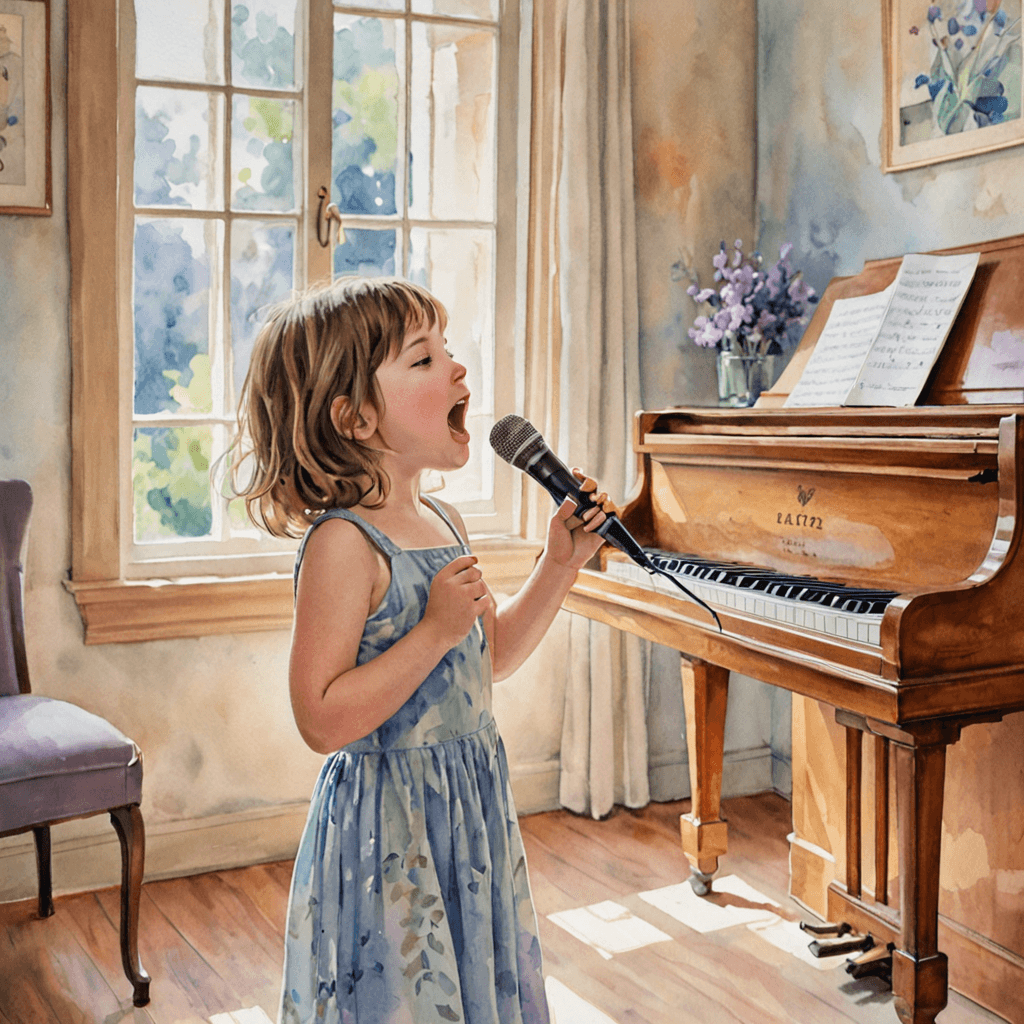
Voice Lessons for Shy Children: Building Confidence Through Music
Table of Contents
Shy children possess a unique kind of strength—they observe carefully, think deeply, and often feel emotions intensely. These qualities can make them exceptional musicians, particularly singers who need to connect emotionally with music. However, the idea of voice lessons can feel overwhelming to introverted or shy children who worry about being heard, judged, or put on the spot. The good news is that singing lessons, when approached thoughtfully, become one of the most effective tools for helping shy children develop confidence, self-expression, and comfort in their own voice—both literally and figuratively.
At Muzart Music & Art School in Etobicoke near Cloverdale Mall, our instructors specialize in working with children across the full spectrum of personality types, including those who need extra encouragement to find their voice. We understand that voice lessons in Etobicoke aren’t just about developing vocal technique—they’re about creating a safe, supportive environment where every child can discover the joy and power of singing at their own pace.
Understanding Shyness in the Context of Music Education
Shyness in children manifests differently depending on the individual. Some shy children are simply quiet and reserved, observing from the sidelines until they feel comfortable. Others experience genuine anxiety about performance situations, worried about making mistakes or being the center of attention. Still others are selectively shy—confident in familiar environments but hesitant in new situations or around unfamiliar people.
Understanding your child’s specific type of shyness helps instructors tailor their approach effectively. A child who’s shy due to perfectionism needs different support than one who’s naturally introverted, and both differ from a child experiencing social anxiety. The common thread is that all these children benefit from patient, individualized instruction that respects their comfort level while gently expanding their confidence boundaries.
Voice lessons present unique challenges for shy children compared to instrumental music. Playing piano or guitar provides a physical instrument between the student and listener—a buffer that feels protective. Singing, however, is intensely personal. The voice comes directly from the body, and many shy children feel exceptionally vulnerable when singing. This vulnerability, while initially uncomfortable, ultimately becomes the pathway to profound personal growth when handled with care and understanding.
Research consistently shows that music education builds confidence in shy children by providing structured opportunities for self-expression, creating achievement milestones that boost self-esteem, offering a non-verbal emotional outlet, and developing skills that transfer to other areas of life. Voice lessons amplify these benefits because singing integrates breath control, posture, and emotional expression—teaching children literal and figurative ways to find their voice.
Creating a Safe Learning Environment
The foundation of effective voice instruction for shy children is safety—emotional safety, psychological safety, and the freedom to make mistakes without judgment. At Muzart Music & Art School, we structure singing lessons to prioritize this safety from the very first session.
Private lessons offer significant advantages for shy children, especially initially. One-on-one instruction eliminates peer comparison and observation, allowing children to experiment without worrying about classmates hearing their mistakes. The privacy gives shy students permission to be imperfect, try unfamiliar vocal techniques, and gradually build comfort with their singing voice before any public sharing occurs.
Building rapport between student and instructor is crucial for shy children. Our instructors invest time in getting to know each student—their interests, favorite songs, comfort level, and what makes them nervous. This relationship-building isn’t wasted time; it’s essential groundwork that determines whether a shy child will open up musically. Many shy students need several lessons before they’re comfortable singing at full voice, and that’s perfectly acceptable.
The physical environment matters more for shy children than many realize. A welcoming, non-intimidating lesson space with comfortable seating, appropriate lighting, and minimal distractions helps shy students relax. Some instructors find that shy children sing more freely when they’re not making direct eye contact initially—standing slightly to the side or focusing on music rather than maintaining constant eye contact can reduce pressure.
Expectations must be calibrated carefully for shy students. Pushing too hard, too fast creates resistance and reinforces anxiety. Moving too slowly fails to build confidence through achievement. Skilled instructors find the sweet spot—gentle but consistent encouragement that expands comfort zones gradually without overwhelming the student. This requires constant attention to the student’s signals and willingness to adjust pacing as needed.
Starting Small: Progressive Confidence Building
Effective voice instruction for shy children follows a progressive approach that builds confidence through small, achievable steps. The journey begins with non-singing activities that prepare for vocal work without the pressure of “performing.” Breathing exercises teach diaphragmatic breathing—essential for singing but also calming for anxious children. Simple humming exercises introduce vocal production without the vulnerability of words. Vocal exploration through scales, sirens, and fun sounds helps children discover their voice’s capabilities playfully.
These preliminary activities serve multiple purposes. They develop fundamental vocal skills, yes, but they also normalize making sounds in the instructor’s presence. Many shy children need this gradual acclimation before they’re comfortable actually singing songs. The activities feel less like “performance” and more like games or exercises, reducing pressure significantly.
When introducing song work, instructors start strategically. Familiar songs that students already know reduce the cognitive load of learning melodies and lyrics, allowing them to focus on vocal production and comfort level. Songs the child loves increase motivation and emotional connection, making vulnerability feel worthwhile. Simple melodies with limited range prevent technical struggles that might embarrass shy students. Age-appropriate content ensures the child relates to what they’re singing.
Many instructors find that shy children initially sing more comfortably when joining the instructor—singing together rather than solo. This shared singing provides support and reduces the feeling of being exposed. Gradually, the instructor can fade their volume, allowing the student to carry more of the melody independently while still providing a safety net if needed.
The concept of “singing for yourself first, others later” helps shy children reframe the purpose of singing. Rather than viewing voice lessons as preparation for performance (which feels terrifying), students learn that singing is first and foremost a personal form of expression and enjoyment. Performance becomes an optional extension of this personal practice, not the primary goal. This shift in perspective reduces pressure significantly and allows shy children to explore their voice without the weight of eventual public expectation.
Technical Skills That Support Confidence
Interestingly, developing proper vocal technique actually helps shy children feel more confident. When students understand how their voice works and gain control over vocal production, singing feels less mysterious and unpredictable—both of which contribute to anxiety for shy children.
Breath support and control are foundational vocal skills, but they offer secondary benefits for shy students. Learning diaphragmatic breathing provides a tangible tool for managing nervousness. The same breathing techniques used for vocal support also calm the nervous system, helping anxious children regulate their emotional state. Many students discover that focusing on breath gives them something concrete to think about rather than spiraling into anxiety about being heard.
Posture and body awareness contribute similarly. Proper singing posture—standing or sitting tall with open chest and relaxed shoulders—projects confidence physically. Research shows that body position influences emotional state; adopting confident physical posture actually helps people feel more confident psychologically. For shy children, learning to “stand like a singer” provides a physical tool for accessing brave feelings even when they feel nervous.
Vocal placement and resonance work teaches children how to produce clear, pleasant tone efficiently. When shy children discover they can create beautiful sounds without straining or pushing, their self-consciousness about their voice often decreases. Understanding that tone quality comes from technique rather than innate “talent” empowers students—they recognize improvement comes from practice and proper method, not from some mysterious gift they might not possess.
Range development expands students’ vocal capabilities systematically. As shy children discover they can sing higher notes, lower notes, and navigate their entire range confidently, their sense of vocal competence grows. Each new note or passage mastered provides concrete evidence of progress, building self-efficacy that extends beyond singing into other areas of life.
The Role of Choice and Control
Giving shy children appropriate choices within their music lessons dramatically improves their engagement and comfort level. When students feel they have control over aspects of their learning, the experience becomes less threatening and more collaborative.
Song selection offers meaningful opportunities for student input. Allowing children to choose songs they want to learn (within appropriate technical parameters) increases motivation and emotional investment. When shy students sing songs they love, the joy of the music itself can overcome nervousness. Some instructors maintain a “song menu” of age-appropriate pieces at various difficulty levels, allowing students to select from vetted options rather than facing completely open-ended choice (which can overwhelm some shy children).
Pacing decisions can partially involve the student. Asking “Would you like to work more on this section, or are you ready to move forward?” gives shy children agency over their learning speed. Similarly, instructors might offer choices between activities: “Should we work on scales today, or would you prefer to focus on your new song?” These small choices help students feel like partners in the learning process rather than passive recipients of instruction.
Performance expectations absolutely require student input. Some shy children surprise everyone by wanting to participate in recitals despite their general reticence—the structure and preparation make it feel safe. Others need much more time before any public sharing feels acceptable. Instructors should never pressure shy students into performances before they’re ready, but should periodically offer opportunities and let students decide when they feel prepared to accept them.
Addressing Performance Anxiety Specifically
Even as shy children grow comfortable singing in lessons, performance situations introduce a different level of challenge. Many students who sing beautifully in private lessons freeze or struggle when asked to perform for others. This is normal, and working through it systematically helps children develop resilience.
Graduated exposure to audiences helps students build performance comfort progressively. The hierarchy might look like: singing for the instructor only (private lessons), recording oneself and listening back, singing for one trusted family member, singing for a small group of family members, participating in a small studio class or group lesson, and eventually performing in a recital setting if desired. Each step provides experience with a slightly larger audience, allowing students to develop coping strategies before facing more intimidating situations.
Performance anxiety management becomes an explicit part of instruction for shy students. Teaching children about the physical symptoms of nervousness helps them understand that feeling nervous is normal and doesn’t mean something’s wrong. Techniques like visualization, positive self-talk, and pre-performance routines give students tools for managing anxiety rather than being controlled by it.
Many instructors find that focusing shy students on specific technical goals during performances reduces anxiety. Rather than thinking “everyone is watching me,” students concentrate on remembering to breathe deeply, maintain good posture, or watch the instructor for cues. This task focus directs attention away from self-consciousness and toward concrete, controllable elements of performance.
Reframing mistakes as learning opportunities is crucial for perfectionist shy children who fear error. When instructors respond to mistakes calmly, point out what went well alongside what to improve, and share stories of professional musicians’ mistakes, students gradually internalize that errors are acceptable and part of growth. This psychological safety around imperfection allows shy children to take risks necessary for development.
Family Support for Shy Young Singers
Parents play a crucial role in supporting shy children through voice lessons. The home environment and family attitudes toward music, mistakes, and confidence significantly influence how much benefit children derive from their vocal instruction.
Encouragement must be calibrated carefully for shy children. Too much attention or effusive praise can actually increase pressure and make some shy children more self-conscious. Many shy students prefer quiet, private affirmation rather than public celebration. Phrases like “I noticed you were singing in your room—it sounded beautiful” often land better than “Sing that song for Grandma!” which feels like forced performance.
Avoiding comparison is essential, whether comparing the shy child to siblings, classmates, or idealized standards of singing. Shy children are often already comparing themselves unfavorably to others; family members don’t need to add to this burden. Instead, focus on individual progress: “You’re reaching those high notes so much more easily than last month” rather than “You sing as well as your sister did at your age.”
Respecting boundaries around home practice helps shy children maintain control over their vocal expression. If a child prefers to practice privately rather than being overheard by family members, that’s a reasonable boundary to respect. Many shy students need their bedroom or practice space to feel completely private before they’re comfortable singing freely. As confidence grows, they often become more willing to be overheard, but forcing this before they’re ready creates resistance.
Modeling healthy attitudes toward mistakes and imperfection helps children develop similar resilience. When parents share stories of their own mistakes or errors without excessive self-criticism, children learn that imperfection doesn’t equal failure. For shy, perfectionist children, seeing adults handle errors with grace and humor provides a powerful template for their own self-talk.
Long-Term Benefits Beyond Vocal Skill
The confidence that shy children develop through voice lessons extends far beyond musical contexts. Students consistently report that vocal training influences their comfort level in numerous life situations, including speaking up in class and participating in discussions, advocating for themselves with peers and adults, trying new activities despite feeling nervous, and expressing emotions and needs clearly.
The parallels between finding your literal voice through singing and finding your metaphorical voice in life are powerful. As children discover they can produce beautiful sounds, project their voice confidently, and share their singing with others despite fear, they internalize the message that their voice matters and deserves to be heard. This fundamental shift in self-perception influences how shy children move through the world.
The structured, predictable nature of music lessons also helps shy children develop trust that extends to other relationships and situations. When instructors consistently provide patient, judgment-free support week after week, students internalize that some adults are reliably safe and supportive. This experience builds template for healthy teacher-student, mentor-mentee, and eventually professional relationships.
Additionally, the achievement of concrete milestones—learning new songs, expanding vocal range, perhaps eventually performing—provides shy children with evidence that they can do hard things despite feeling anxious. This builds genuine self-confidence based on real accomplishment rather than empty praise. Students learn to distinguish between feeling nervous and being incapable—a crucial life skill for anyone dealing with anxiety.
Starting the Journey
If you have a shy child who loves music but seems hesitant about voice lessons, the $35 trial lesson at Muzart Music & Art School provides a low-pressure opportunity to explore. The trial allows your child to meet an instructor, experience the lesson environment, and see whether singing instruction feels approachable and enjoyable. Many parents find that their shy children, once they experience the supportive, patient instruction style, become enthusiastic about continuing lessons.
Our instructors understand that shy children need extra time, patience, and individualized approaches. We’re never in a hurry to push students into performances or situations before they’re ready. The monthly program ($155 including all lesson books) provides consistent, ongoing support that allows shy students to progress at their own pace, building confidence gradually through countless small successes rather than forcing dramatic breakthroughs that might backfire.
For shy children, the journey matters more than rapid progress. We celebrate small victories—the first time a student sings at full volume, the day they choose a song independently, the moment they volunteer to practice a section without prompting. These incremental developments represent profound growth for children working through shyness, and our instructors recognize and honor this growth appropriately.
Ready to help your shy child discover the confidence and joy of singing? Book a trial lesson and discuss your child’s specific personality and needs with our instructors. We’ll work together to create an approach that feels safe, supportive, and genuinely helpful for your child’s unique journey. Request more information about our voice lesson program and discover how singing can become a source of confidence and self-expression for even the shyest children.
Frequently Asked Questions
Will voice lessons make my shy child more outgoing, or could they backfire and increase anxiety?
When handled appropriately, voice lessons consistently help shy children build confidence without increasing anxiety. The key is working with instructors who understand how to pace lessons for shy students—never pushing too hard, respecting comfort levels, and building skills gradually. At Muzart Music & Art School, our instructors specialize in reading students’ signals and adjusting approach accordingly. Voice lessons won’t transform an introverted child into an extrovert (nor should that be the goal), but they do help shy children become more comfortable with self-expression, speaking up when needed, and handling situations that require visibility. The gradual, supportive nature of quality instruction builds confidence through achievement rather than forcing children into overwhelming situations that might indeed backfire.
How long does it typically take for a shy child to feel comfortable singing in lessons?
This timeline varies significantly based on the individual child and their specific type of shyness. Some shy children feel relatively comfortable by their third or fourth lesson, once they’ve built rapport with the instructor and understand the lesson routine. Others need several months of gentle encouragement before they’re fully comfortable singing at full voice without self-consciousness. Most shy students show noticeable progress within 2-3 months of consistent weekly lessons. What matters more than speed is steady forward movement—small signs that the child is gradually opening up and becoming more comfortable. Our instructors track this progress carefully and adjust pacing to match each student’s readiness, never rushing the process but providing appropriate challenges that build confidence systematically.
Should my shy child start with private lessons, or would group classes help them overcome shyness faster?
For most shy children, private lessons are the better starting point. Group settings can overwhelm shy students initially, increasing anxiety rather than building confidence. Private instruction allows children to build skills, comfort with singing, and trust with an instructor without the added pressure of peer observation or comparison. Once a shy child has developed solid basic skills and comfortable self-expression in private lessons (typically after 6-12 months), small group classes or ensemble opportunities can provide valuable experience singing with others without the intimidation factor that would exist for complete beginners. This progressive approach—private first, selective group experiences later—tends to work best for genuinely shy children rather than immediately immersing them in group settings.
What if my child is interested in singing but refuses to sing in front of anyone, even privately?
This level of reluctance requires an especially patient, gradual approach but is absolutely workable. Many instructors begin with shy children by focusing entirely on non-singing activities for the first few lessons—breathing exercises, music theory, listening to recordings, discussing favorite songs. These activities build rapport and comfort without requiring the child to sing at all. Gradually, non-threatening vocal activities get introduced—humming while looking at music, singing along very quietly with a recording while the instructor isn’t watching directly, or singing together with the instructor so loudly that the child’s voice isn’t distinguishable. The key is removing all pressure and building comfort so gradually that the child barely notices they’ve started singing. This approach requires more time than typical voice instruction, but it successfully helps even the most reluctant children eventually find their voice.
At what age should I consider voice lessons for my shy child?
Voice lessons can benefit shy children as early as age 5-6, though the approach differs significantly from lessons for older students. Young children’s lessons focus heavily on playfulness, exploration, and building comfort with vocalization through games and creative activities. For shy younger children, this playful approach often feels less intimidating than traditional instruction. Older shy children (ages 8-12) can handle more structured technical instruction but still need the patient, supportive environment that allows them to build confidence gradually. There’s no “too late” for beginning voice lessons—shy teenagers and even adults successfully learn to sing and build confidence through vocal instruction. The ideal age depends less on specific years and more on the child showing genuine interest in singing, which provides internal motivation that helps overcome shyness-related hesitation.