
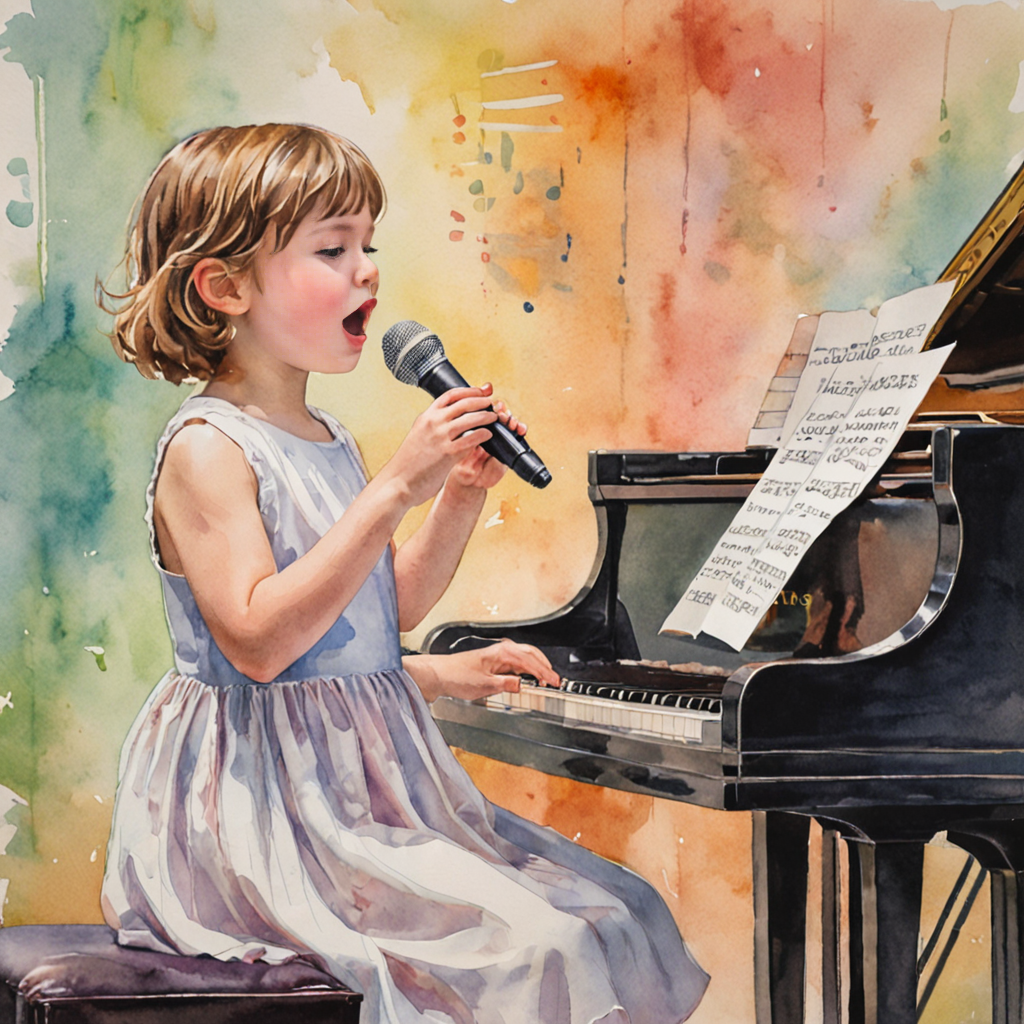
Voice Repertoire for Young Singers in Toronto: Choosing Performance Pieces
Table of Contents
Selecting the right repertoire represents one of the most important decisions in a young singer’s musical development. At Muzart Music & Art School, located in Etobicoke near Cloverdale Mall, we understand that appropriate song choices can make the difference between a frustrating vocal experience and one that builds confidence, develops skills, and nurtures a lifelong love of singing. The right performance pieces challenge students appropriately while remaining achievable and enjoyable.
Voice repertoire selection requires careful consideration of multiple factors including vocal range, technical requirements, emotional maturity, and personal interest. Unlike instrumental music where a student’s physical development clearly indicates readiness for certain pieces, vocal repertoire must account for the uniquely personal nature of the singing voice and the ongoing development of young vocal instruments.
Whether preparing for a spring recital, working toward personal goals, or simply exploring vocal possibilities, young singers benefit from thoughtful repertoire guidance. Our experienced instructors at our singing lessons in Etobicoke help students navigate the vast world of vocal music, selecting pieces that showcase their current abilities while building toward future growth. This strategic approach to repertoire develops well-rounded young musicians who can express themselves confidently through song.
Understanding Age-Appropriate Vocal Repertoire
Young voices differ significantly from mature instruments, requiring specialized repertoire considerations. Choosing age-appropriate songs protects developing voices while providing satisfying musical experiences.
Children’s voices possess lighter quality and more limited range than adult voices. Songs written specifically for young singers typically span a comfortable octave, avoiding extreme high or low notes that might encourage straining or unhealthy vocal production. These pieces acknowledge the natural characteristics of children’s voices rather than asking young singers to imitate adult vocal qualities.
Text complexity matters as much as musical demands. Younger children connect more authentically with songs about topics within their experience and understanding. A seven-year-old singing about childhood adventures sounds genuine and engaging; the same child singing about adult romantic loss sounds forced and inappropriate. Matching lyrical content to emotional maturity creates more convincing, enjoyable performances.
Vocal stamina develops gradually in young singers. Appropriate repertoire for children includes shorter songs or pieces with built-in rests that allow vocal recovery. Extended, demanding pieces that might be manageable for adult voices can fatigue young vocal cords, potentially causing strain or discouraging continued study.
Musical complexity should challenge without overwhelming. Young singers benefit from pieces that introduce new concepts progressively—perhaps a slightly wider range than previous songs, or a new rhythmic pattern, but not multiple new challenges simultaneously. This gradual progression builds skills systematically while maintaining confidence and enjoyment.
Cultural and stylistic variety enriches vocal education. Age-appropriate doesn’t mean simplistic or boring. Young singers can explore folk songs from various traditions, musical theater selections written for child characters, classical art songs composed for young voices, and contemporary pieces that speak to children’s experiences. This diverse exposure develops musical appreciation while keeping study fresh and engaging.
At our Etobicoke studio serving families throughout Toronto, Etobicoke, and Mississauga, voice instructors maintain extensive knowledge of age-appropriate repertoire across multiple styles and traditions. This expertise ensures each student works with material suited to their current development while building toward future vocal possibilities.
Matching Repertoire to Individual Vocal Characteristics
Beyond age considerations, effective repertoire selection accounts for each singer’s unique vocal characteristics and current skill level.
Vocal range assessment identifies the notes a student can comfortably produce. While many young singers can strain to reach notes outside their comfortable range, doing so regularly risks vocal health. Quality repertoire selection stays primarily within a student’s established range, perhaps extending it slightly at the edges but never consistently demanding notes that require unhealthy tension or force.
Tessitura—the range where most of a song sits rather than just the highest and lowest notes—matters tremendously for young voices. A song might have an appropriate overall range but spend most of its time at uncomfortable extremes for a particular student. Ideal repertoire places most notes in the student’s most comfortable singing range, where they can focus on musical expression rather than vocal survival.
Vocal quality and color influence repertoire appropriateness. Some young voices naturally produce light, clear tones while others have slightly warmer, more substantial quality. Songs that suit one vocal quality might not showcase another voice as effectively. Thoughtful repertoire selection highlights each student’s natural vocal strengths while gently developing areas that need growth.
Technical challenges in repertoire should match the student’s current capabilities with slight stretch for development. If a student is just mastering consistent breath support, an appropriate song might include one or two phrases requiring extended breath control while keeping most phrases manageable. This strategic challenge builds skills without creating frustration or failure.
Expressive demands require consideration alongside technical requirements. A song might be technically achievable but emotionally beyond a student’s current ability to interpret convincingly. Young singers develop expressive capabilities gradually; repertoire should allow them to communicate authentically at their current level of emotional understanding.
Individual student interests significantly affect repertoire success. A technically perfect song choice that a student finds boring will never receive the enthusiastic practice necessary for growth. Effective repertoire selection balances pedagogical appropriateness with student engagement, finding pieces that excite young singers while serving their developmental needs.
Our comprehensive music lessons include personalized repertoire guidance as an integral part of vocal instruction. The $155 monthly program provides time for instructors to know each student’s voice intimately, enabling truly customized song selection that serves both immediate performance goals and long-term vocal development.
Exploring Different Musical Styles for Young Voices
Vocal repertoire spans diverse musical styles, each offering unique benefits for young singers’ development.
Folk Songs and Traditional Music
Folk songs provide excellent foundational repertoire for young voices. These pieces typically feature accessible melodies, moderate ranges, and straightforward rhythms. The storytelling nature of folk music helps young singers connect emotionally with material, making performances more engaging and authentic.
Folk traditions from various cultures expose students to different musical languages and styles. Irish folk songs, American spirituals, French children’s songs, and Latin American folk melodies all offer distinct musical characteristics while remaining vocally appropriate for young singers. This cultural variety builds musical literacy and appreciation.
The simplicity of many folk songs allows students to focus on fundamental vocal techniques—breath support, clear diction, consistent tone quality—without being overwhelmed by musical complexity. As students master these basics, more elaborate folk arrangements add layers of sophistication while maintaining familiar melodic content.
Musical Theater Repertoire
Musical theater offers abundant repertoire written specifically for young voices. Shows designed for school productions or youth theater companies provide age-appropriate material with engaging stories and characters that resonate with children and teens.
Character songs help young singers develop performance skills beyond pure vocal technique. Learning to embody a character while singing builds confidence, stage presence, and interpretive abilities. These skills transfer to all vocal performance, even non-theatrical repertoire.
The narrative structure of theater songs provides clear motivation for expressive singing. When a student understands what their character wants and why they’re singing, authentic emotion emerges naturally. This character-based approach to expression often proves more accessible for young singers than abstract emotional interpretation.
Musical theater’s stylistic variety exposes students to different vocal demands. A ballad requires sustained legato singing and emotional connection, while an up-tempo comedy number develops rhythmic precision and energetic delivery. This diversity within a single style builds versatile vocal skills.
Classical Art Songs and Arias
Classical repertoire written for young voices provides excellent technical training. Composers like Mozart, Schubert, and Brahms created pieces specifically for children’s or unchanged voices, offering appropriate challenges within a classical framework.
Classical training develops precision and control. Art songs and simple arias teach careful attention to pitch, rhythm, dynamics, and phrasing. These foundational skills benefit singers regardless of their ultimate stylistic preferences.
Sung poetry introduces young singers to sophisticated texts set to music. Even when lyrics are in English, art song texts often employ elevated language that expands vocabulary and literary appreciation. Foreign language art songs appropriate for young voices add an exciting dimension to study.
Historical and cultural context surrounding classical repertoire enriches musical education. Learning when and why a piece was composed, understanding the composer’s life and times, and exploring the piece’s place in musical history all contribute to comprehensive artistic development.
Contemporary Children’s Songs and Pop Adaptations
Modern repertoire speaks directly to young singers’ current cultural experiences. Contemporary children’s music and age-appropriate pop songs maintain student engagement by connecting classical vocal training with music they recognize and enjoy.
Popular music teaches different stylistic approaches than classical training. Students learn to navigate rhythmic complexity, contemporary harmonic languages, and varied vocal colors demanded by modern styles. These skills complement rather than contradict classical technique when taught thoughtfully.
Familiarity with contemporary pieces often means students already know the melody before beginning formal study. This pre-existing knowledge allows them to focus more completely on vocal technique and expression rather than basic note-learning. Progress can feel faster, building confidence and enthusiasm.
Age-appropriate pop repertoire must be selected carefully. Many popular songs contain ranges, sustained demands, or stylistic elements unsuitable for young voices. Skilled instructors identify the subset of contemporary music that serves young singers’ development rather than exploiting or damaging their voices.
At Muzart in Etobicoke, voice instructors maintain current knowledge across all these styles, guiding students toward repertoire that builds comprehensive vocal musicianship while honoring individual interests and goals.
Technical Considerations in Repertoire Selection
Beyond style and age-appropriateness, specific technical elements determine whether a piece serves a student’s current developmental needs.
Range and tessitura requirements must align with the student’s comfortable vocal production. Songs should primarily use the student’s developed range with perhaps one or two brief excursions to extend capabilities gradually. Consistently asking young voices to work at range extremes risks strain and discourages healthy vocal development.
Breath requirements vary dramatically across repertoire. Songs with frequent rests or relatively short phrases suit students still developing breath control and support. As these skills strengthen, repertoire can include longer phrases and sustained passages. However, even advanced young singers need repertoire balanced between breath challenges and more relaxed passages.
Articulation demands—how clearly words must be sung, whether passages require crisp consonants or flowing legato—should match current skill levels. Beginning students might need repertoire with relatively simple texts and moderate tempos that allow clear diction. More advanced students can handle rapid text, tongue-twisters, or sustained vowels requiring precise mouth shape control.
Dynamic range expectations must be developable. Young voices often struggle to sing extremely softly while maintaining good tone quality, or to sing loudly without shouting. Appropriate repertoire makes moderate dynamic demands, perhaps asking for “a bit louder” or “somewhat softer” rather than extreme pianissimo or fortissimo.
Rhythmic complexity affects how quickly students can learn pieces and how confidently they can perform them. Beginning singers benefit from repertoire with straightforward rhythms that allow focus on vocal production. As rhythmic reading improves, more complex patterns add engaging challenges without overwhelming students.
Accompaniment complexity influences performance difficulty. Simple piano accompaniments that double the vocal line provide security for less experienced singers. More independent accompaniments challenge advanced students to maintain their part against different musical material, building essential musicianship skills.
These technical considerations integrate seamlessly into repertoire selection at our Etobicoke studio. Instructors analyze pieces thoroughly, ensuring each song serves specific developmental purposes while remaining achievable and enjoyable for individual students.
Preparing Repertoire for Performance Success
Selecting appropriate repertoire represents only the first step. Thoughtful preparation transforms good song choices into successful performances.
Learning stages proceed systematically from basic note and rhythm accuracy through technical refinement to expressive interpretation. Rushing this process undermines both learning and performance quality. Students need adequate time to internalize music thoroughly, building the confidence necessary for relaxed, expressive performances.
Text work deserves specific attention beyond simply learning words. Students explore pronunciation, meaning, storytelling, and emotional content. This deep text engagement enables authentic interpretive choices rather than generic expressions that could apply to any song.
Memorization requirements vary by performance context, but most formal performances expect memorized repertoire. Secure memorization develops through systematic practice, typically moving from memorizing phrases to sections to complete songs. Thoroughly memorized material allows students to focus on communication rather than memory during performances.
Technical polishing addresses specific vocal challenges in each piece. Instructors work with students on difficult intervals, challenging passages, breath management in longer phrases, or any element requiring focused attention. This targeted work transforms adequate performances into polished ones.
Expressive development often emerges last in the preparation process. Once students have solid technical command of a piece, they can explore interpretive possibilities—where to add dynamic shading, how to shape phrases, when to use rubato, and how to communicate the song’s emotional content authentically.
Performance practice under realistic conditions builds confidence and identifies remaining challenges. Students benefit from singing through repertoire completely without stopping, as they will in actual performances. These simulations reveal issues needing additional attention while familiarizing students with sustained concentration and performance stamina requirements.
The $155 monthly program at Muzart provides comprehensive support throughout the repertoire preparation process. Regular one-hour lessons allow time for both technical skill-building and specific work on performance pieces, ensuring students feel thoroughly prepared when performance opportunities arrive.
Building a Balanced Repertoire Library
Over time, young singers develop repertoire libraries containing pieces at various stages of preparation and representing diverse styles and challenges.
Current performance pieces receive active preparation for upcoming recitals, evaluations, or other performance opportunities. Students typically work on one to three pieces simultaneously at this level of intensity, ensuring each receives adequate attention for thorough preparation.
Recent repertoire includes pieces performed within the past year that remain largely learned and could be refreshed relatively quickly if needed. Maintaining this “ready reserve” of material proves valuable when unexpected performance opportunities arise or when students want to revisit favorite pieces.
Ongoing development pieces represent material students are learning but not currently preparing for immediate performance. These pieces might be technically challenging selections the student is growing into, or simply songs the student loves that provide enjoyable practice material without performance pressure.
Aspirational repertoire includes pieces beyond current capabilities that provide long-term goals. Knowing which songs they’re working toward motivates many students through current challenges. However, instructors help students maintain realistic timelines for approaching this material, preventing frustration from attempting pieces prematurely.
Stylistic variety ensures well-rounded vocal development. A balanced repertoire library includes different styles—perhaps folk songs, musical theater, classical pieces, and contemporary music. This variety develops versatile singers comfortable in multiple musical contexts.
Different tempos and moods create engaging variety in performance programs. Libraries should include fast, energetic pieces and slower, more contemplative songs. This balance prevents programs from feeling monotonous while showcasing different aspects of students’ vocal and interpretive abilities.
At our Etobicoke studio near Cloverdale Mall, instructors guide students in building balanced repertoire libraries that serve both immediate performance needs and long-term developmental goals. This strategic approach creates confident, versatile young singers prepared for diverse musical opportunities.
Frequently Asked Questions About Voice Repertoire for Young Singers
How do I know if a song is appropriate for my child’s voice?
Several factors indicate repertoire appropriateness for young voices. First, listen to your child sing through the piece at a comfortable volume—if they’re consistently straining, reaching for notes, or sounding tense, the piece likely exceeds their current range. Appropriate songs should feel physically comfortable most of the time, allowing your child to focus on musical expression rather than vocal survival. Second, consider the song’s length and sustained demands. Young singers have limited vocal stamina; pieces should include natural rest points and shouldn’t require continuous singing for extended periods. Third, evaluate lyrical content for age-appropriateness and emotional accessibility. Songs about experiences or emotions beyond your child’s understanding often result in unconvincing, artificial performances. Finally, observe your child’s enthusiasm for the piece. Even technically appropriate songs won’t receive the dedicated practice necessary for growth if students find them boring or irrelevant. At Muzart Music & Art School in Etobicoke, voice instructors provide professional assessment of repertoire appropriateness, considering all these factors alongside detailed knowledge of each student’s unique vocal characteristics. The $35 trial lesson introduces you to our comprehensive approach to repertoire selection that protects young voices while building skills systematically.
Should my child sing in different languages or stick to English repertoire?
Foreign language repertoire offers valuable benefits for young singers while requiring appropriate selection and preparation. Singing in Italian, French, German, or Latin exposes students to different vowel sounds, consonant combinations, and linguistic patterns that expand their vocal flexibility and musical literacy. Many classical pieces written specifically for young voices use these languages, providing access to excellent pedagogical material. Additionally, foreign language study through music often proves more engaging than traditional language instruction, building cultural awareness and global perspective. However, foreign language repertoire requires extra preparation time—students must learn correct pronunciation, understand text meaning, and connect emotionally with material in unfamiliar languages. For younger children (roughly under age 10), starting with primarily English repertoire allows focus on fundamental vocal technique before adding linguistic complexity. As students mature and develop solid technical foundations, gradually introducing foreign language pieces enriches their musical education. The key is balance: maintaining primarily English repertoire that allows comfortable emotional expression while strategically incorporating foreign language pieces that serve specific developmental purposes. Voice instructors in Etobicoke at Muzart guide families through these decisions, timing foreign language introduction appropriately for each student’s developmental stage and interests.
How many songs should my child be working on at one time?
The optimal number of active pieces varies by age, experience level, and practice consistency, but general guidelines apply. Beginning students (typically first year of study) often work best with one to two pieces at a time. This limited focus allows thorough work on each song, building confidence through complete mastery rather than superficial familiarity with many pieces. Intermediate students (roughly second through fourth year) can typically manage two to four pieces simultaneously—perhaps one or two for upcoming performances requiring intensive preparation, plus one or two development pieces being learned at a more relaxed pace. Advanced young singers might work on four to six pieces concurrently, with different pieces at various stages of preparation. However, quality of preparation matters more than quantity of repertoire. A student thoroughly prepared on two songs will perform more successfully and learn more than a student marginally prepared on five pieces. During our Etobicoke voice lessons, instructors help students balance repertoire loads appropriately, ensuring they have enough variety to maintain interest without becoming overwhelmed or spreading practice time too thin. The $155 monthly program provides regular weekly instruction where repertoire progress is monitored and adjusted based on each student’s current capabilities and goals.
What if my child wants to sing songs that seem too difficult for their current level?
This common situation requires balancing encouragement of student interests with protection of developing voices and prevention of frustration. First, have your child’s voice instructor formally assess the piece in question. Sometimes songs that appear too difficult are actually achievable with proper preparation, while other times pieces are genuinely beyond current capabilities. If a desired song is slightly challenging but achievable, instructors might create a modified approach—perhaps working on it slowly over an extended timeline, or temporarily adjusting the key to place it in a more comfortable range. If a piece is significantly too advanced, skilled instructors explain specific reasons why in age-appropriate ways, helping students understand what skills need development before approaching that repertoire. Importantly, they identify the timeline for building those skills and help students see the desired song as a future goal rather than an impossible dream. Sometimes instructors suggest similar pieces that capture what the student loves about the too-difficult song while remaining currently achievable. This compromise satisfies the student’s musical interests while ensuring healthy, successful skill development. At Muzart, we believe student enthusiasm drives learning, so we work creatively to honor interests while maintaining developmental appropriateness. Book a trial lesson to experience how we balance student choice with professional guidance.
How often should my child learn new repertoire versus perfecting current pieces?
Finding the right balance between learning new material and polishing current repertoire supports optimal development. Generally, students benefit from introducing new pieces regularly enough to maintain fresh interest and build a growing library of songs, while spending adequate time with each piece to develop thorough understanding and polished performance quality. A typical approach might involve beginning a new piece every 6-10 weeks for intermediate students, or every 4-6 weeks for more advanced singers with strong learning skills. However, this timeline flexes based on piece difficulty, upcoming performances, and individual learning pace. The key is ensuring students experience both the satisfaction of completed, well-prepared pieces and the engagement of fresh musical challenges. Some pieces merit extensive refinement—perhaps repertoire being prepared for important performances or pieces that teach crucial technical skills requiring extended work. Other pieces serve primarily as reading practice or stylistic exploration and might receive lighter preparation before moving to new material. Voice instructors at our Etobicoke studio near Cloverdale Mall monitor this balance carefully, ensuring each student’s repertoire journey builds both depth and breadth. Regular weekly lessons allow instructors to gauge when students have extracted maximum learning from current pieces and would benefit from new challenges, or when additional polishing would produce meaningful growth.
Discover the Joy of Appropriate Repertoire Selection
The right repertoire choices transform vocal study from a technical exercise into a joyful artistic journey. When young singers work with songs that suit their voices, match their developmental stage, and spark their enthusiasm, they make rapid progress while building confidence and musical understanding that serves them throughout their lives.
At Muzart Music & Art School in Etobicoke, our experienced voice instructors bring deep knowledge of repertoire appropriate for young singers across all developmental stages and stylistic preferences. We understand that each student’s voice is unique, requiring individualized song selection that honors both current capabilities and future aspirations.
Located near Cloverdale Mall and serving families throughout Toronto, Etobicoke, and Mississauga, we provide comprehensive vocal instruction through private one-hour lessons that allow time for thorough repertoire work alongside fundamental technique development. Our $155 monthly program includes all materials and personalized repertoire guidance that ensures each student works with songs suited to their voice, their interests, and their goals.
Whether your child dreams of musical theater, loves contemporary music, feels drawn to classical singing, or simply wants to explore their voice in a supportive environment, we provide the expert guidance necessary for healthy, joyful vocal development through thoughtfully selected repertoire.
The spring season offers perfect timing for young singers to expand their repertoire and prepare for upcoming performance opportunities. Book a $35 trial lesson to experience our approach to repertoire selection and vocal instruction. Your trial lesson provides an opportunity to meet our voice instructors, discuss your child’s interests and goals, and understand how we develop confident, capable young singers through appropriate, engaging repertoire.
Don’t let your child struggle with inappropriate songs or miss the joy that comes from well-chosen repertoire. Request more information about our voice programs, or schedule your trial lesson today. The confidence and skills your child develops through working with appropriate, engaging repertoire will resonate far beyond their singing lessons.