
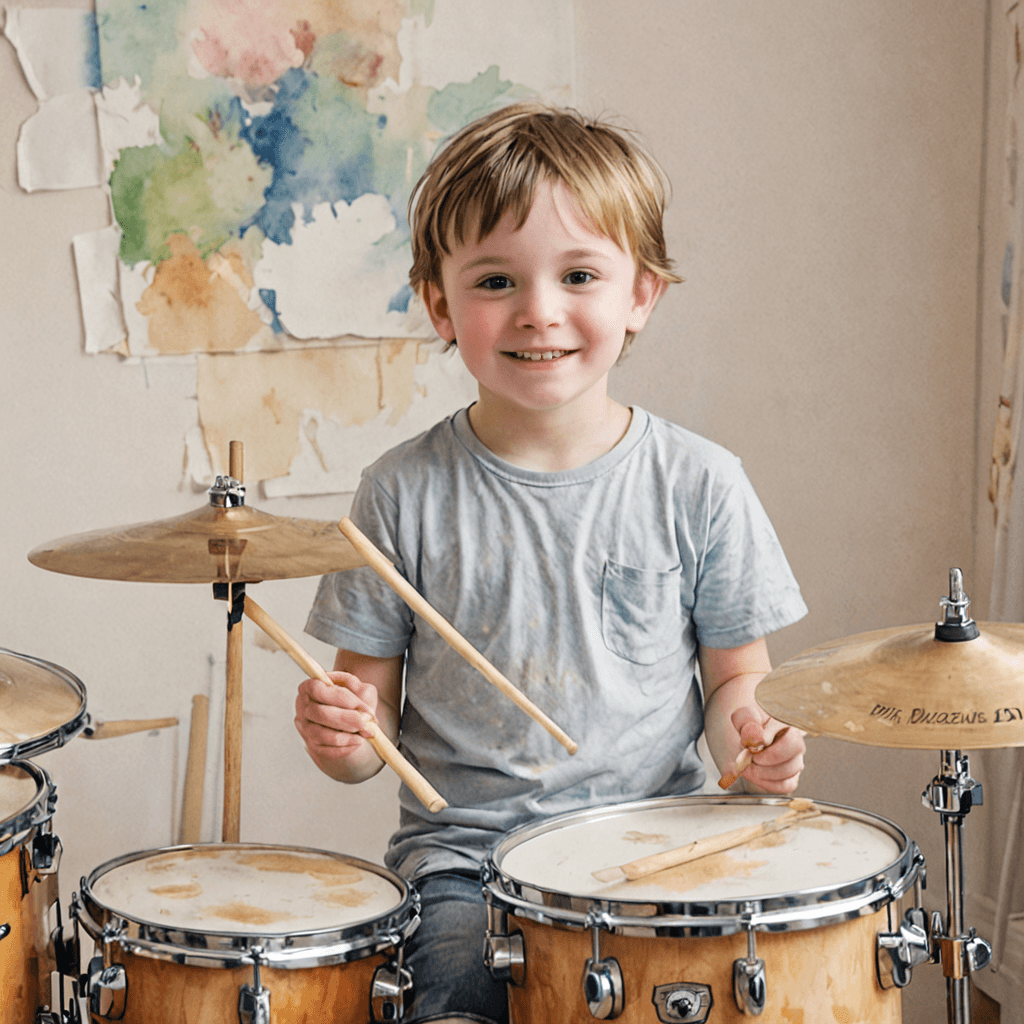
Drum Lessons in Etobicoke: A First-Year Roadmap for Kids
Table of Contents
Parents often sign their child up for drums with no real idea of what the first year looks like — and the gap between “bought a practice pad” and “playing along to a song” can feel mysterious from the outside. Below, we map out a realistic first-year journey on the drums: what a child learns in the early months, where the milestones fall, and how to support practice at home without a full kit in the living room. Here’s what the first twelve months actually unfold like.
The First Few Months: Foundations Before Flash
Most kids picture drumming as fast fills and big crashes, but the first months are quietly about something less glamorous and far more important: timing, grip, and coordination. A young drummer starts by learning to hold the sticks correctly, play steady single strokes, and feel a consistent pulse — the foundation everything else is built on.
This early stage is where good habits are set or missed. A child who learns relaxed, correct technique now avoids the tension and bad form that limit drummers later. It’s also where rhythm reading begins, usually with simple note values that map directly onto what the hands are doing. The flashy stuff comes — but it comes on top of this base.
At Muzart Music and Art School, our drum lessons in Etobicoke are private and one-on-one, which matters a great deal in these early months: a teacher watching a single student can catch and correct grip or timing issues immediately, before they become habits. A $35 trial lesson is the easiest way to see how that individual attention works.
Months Three to Six: The First Real Grooves
By the middle of the first year, most children move from isolated exercises to playing actual beats — the basic rock groove that underlies an enormous amount of popular music, coordinating hands and feet for the first time. This is a genuine milestone, and it’s usually the moment a child first feels like a drummer rather than someone doing drum exercises.
Coordinating limbs independently is the central challenge here, and it’s also where patience pays off. Some kids click into it quickly; others need weeks of slow, deliberate repetition before the hands and feet stop fighting each other. Both paths are completely normal. A good teacher keeps the process encouraging, breaking grooves into pieces small enough to feel achievable.
This is also typically when playing along to music begins — and nothing motivates a young drummer like locking into a song they love. The skill-building is real, but it finally starts to feel like the thing they imagined when they asked for lessons.
Months Six to Twelve: Fills, Reading, and Independence
In the back half of the first year, drummers usually expand their vocabulary: simple fills, a few rhythmic variations, more confident reading, and the ability to keep time while changing what the hands are doing. The groove becomes a foundation they can decorate rather than a task that consumes all their concentration.
This is where musicianship starts to deepen. A drummer who can hold steady time and read rhythms and add a fill without falling apart is doing real multitasking — and the confidence that comes with it often spills into how they approach other challenges. By the end of the first year, many students can play along to several full songs, which is a hugely satisfying place to arrive.
Muzart’s monthly drum program is $155 with all materials included, and because lessons are tailored to the individual child, the roadmap flexes to each student’s pace. If you’d like to understand what the first year might look like for your child specifically, you can request more information.
Supporting Practice at Home — Without a Full Kit
One of the most common worries is space and noise, and the good news is that a full drum kit isn’t required to start. A practice pad and a pair of sticks are enough for most of the foundational work in the early months — grip, single strokes, rudiments, and timing all develop on a pad. Many successful first-year drummers do most of their home practice this way.
What matters far more than the equipment is consistency. Short, regular practice — even ten or fifteen focused minutes most days — beats a single long session before the lesson. A quiet practice pad in a bedroom often produces better results than an intimidating full kit that nobody wants to disturb the household with.
If you’re weighing what to buy first, the simplest approach is to start lessons and let the teacher guide equipment decisions as your child progresses. You can book a trial lesson and ask exactly that — it saves a lot of guesswork and avoids spending on gear before you know what your child actually needs.
Frequently Asked Questions
What age can my child start drum lessons in Etobicoke?
Many children are ready around age six or seven, when they can sit, focus, and follow direction for a short lesson — though readiness varies by child. A trial lesson is the best way to gauge it. Our drum lessons in Etobicoke are private, so the pace adapts to each student.
Do we need to buy a drum kit to start?
No. A practice pad and sticks are enough for the foundational first months — grip, timing, and rudiments all develop on a pad. Many first-year drummers do most of their home practice this way. Your teacher can guide kit decisions later, once it’s clear your child is committed.
How long until my child can play a real song?
Many students are playing along to songs they love somewhere in the middle of the first year, once basic grooves come together. The exact timing varies by practice consistency and the individual child, but the first real groove is usually the moment it starts feeling like music rather than exercises.
Are drum lessons private or group at Muzart?
All music lessons, including drums, are private. For drumming especially, one-on-one attention lets the teacher catch grip and timing issues early — before they become habits that are hard to unlearn.
How much do drum lessons cost?
A trial lesson is $35, and the monthly program is $155 with all materials included. The trial is the simplest way to see whether drums are the right fit for your child before committing. If you have questions first, reach out to us.
The first year on drums moves from steady timing to real grooves to playing along with songs — a genuinely rewarding arc when the foundations are set well. If your child has been asking to play, book a trial drum lesson and we’ll start them on the right roadmap.