
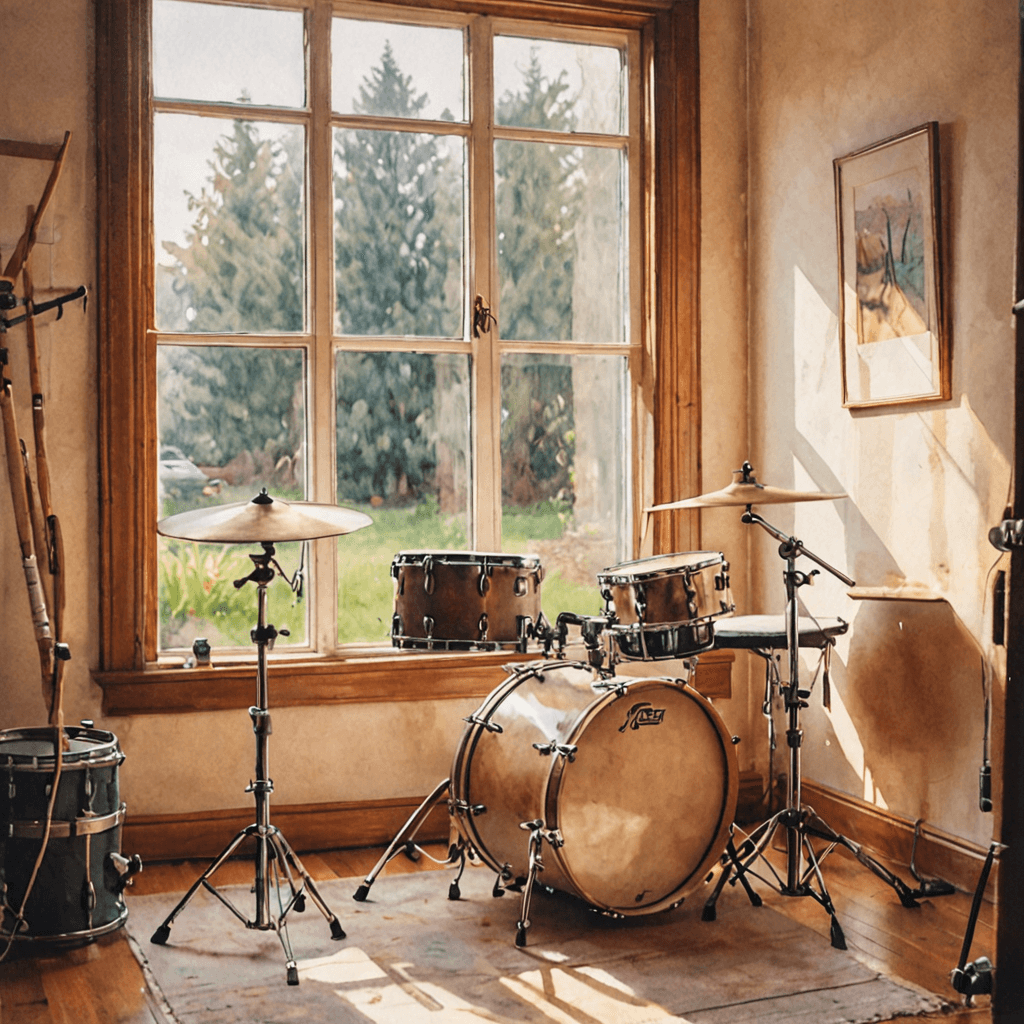
Adult Drum Lessons in Etobicoke: Starting the Kit After 40
Table of Contents
A lot of adults quietly want to play the drums and assume the window closed decades ago. It didn’t. Starting the kit in your forties, fifties, or beyond is not only possible — it comes with real advantages that younger beginners don’t have. This post lays out what adult drumming progress actually looks like, what to expect in your first months, and how to set yourself up so the hobby sticks rather than fizzles.
Why Adults Make Better Drum Beginners Than They Expect
There’s a persistent myth that music is only for the young, and drums attract it more than most instruments because they look physically demanding. In reality, adult beginners bring a set of strengths to the kit that consistently surprise them.
Adults understand structure. When a teacher explains that a groove is built from a specific relationship between the kick, snare, and hi-hat, an adult grasps the logic quickly, where a child often needs to feel their way there over time. Adults also count better, follow explanations more precisely, and — crucially — they chose to be there. Nobody is dragging a forty-five-year-old to drum lessons. That intrinsic motivation shows up as consistent practice, and consistent practice is the single biggest predictor of progress on drums.
The physical concern is usually overstated too. Drumming is a coordination skill far more than a strength skill. It’s about limb independence — getting your hands and feet to do different things at the same time — and that’s trained through slow, deliberate repetition, not through power. Adults who worry they’re “not coordinated enough” almost always underestimate how much of that coordination is simply built, patiently, in the first few months.
What Your First Few Months Actually Look Like
Honest expectations keep adult learners in the seat, so here’s the real arc.
In the first few weeks, you’ll learn to hold the sticks in a relaxed grip, play a basic rock beat, and coordinate a simple kick-snare-hi-hat pattern at a slow tempo. It will feel clumsy, and that’s normal — you’re wiring new pathways between your hands and feet. Most adults can play a recognizable basic beat within their first month, which is enormously satisfying and usually the moment the instrument hooks them.
Over the following months, the work shifts to steadiness and independence: keeping time with a metronome, adding simple fills, and starting to play along with actual songs. Playing to music is a turning point, because that’s when drumming stops feeling like an exercise and starts feeling like making music. By the six-month mark, a committed adult beginner in weekly lessons can typically hold down a straightforward groove through a full song and navigate basic fills.
None of this requires natural talent. It requires showing up, practicing between lessons, and having a teacher who structures the progression so you’re always working just slightly above your current level. That’s the whole game. Because our drum lessons in Etobicoke are private and one-on-one, the pace is set entirely by you rather than by a class average — which matters a great deal for an adult who wants to move quickly through concepts they already understand and slow down on the physical coordination that takes repetition.
Setting Up to Practice Without Annoying the Neighbours
The most common practical worry for adult drummers isn’t ability — it’s noise. This is a solvable problem, and it shouldn’t stop anyone from starting.
Many adult beginners practice primarily on a practice pad in the early months, which is nearly silent and develops the hand technique that transfers directly to the full kit. Electronic drum kits with headphones are another popular route for apartments and shared homes, letting you practice full grooves at any hour without disturbing anyone. An acoustic kit gives the most authentic feel and is worth aiming toward, but plenty of adults build strong fundamentals for months before they ever sit at a full acoustic setup.
The point is that a noise concern is a logistics question, not a barrier to entry. A good teacher will help you figure out the right practice setup for your living situation early on, so you’re never stuck choosing between progress and keeping the peace at home.
Why Private Lessons Suit Adult Learners
At Muzart Music and Art School — our single studio in Etobicoke, near Cloverdale Mall — all of our music instruction is private and one-on-one, and for adult drummers that format is a genuine advantage rather than just a preference.
An adult beginner has specific goals: maybe you want to play along to a particular band, maybe you drummed as a teenager and want to rebuild, maybe you just want a satisfying, absorbing hobby that gets you off screens. Private lessons let the instruction bend around those goals instead of forcing you through a generic curriculum. A private teacher also gives immediate feedback on grip, posture, and timing — the small technical details that, left uncorrected, become frustrating habits.
Muzart’s private music lessons run at $155 per month with all materials included, and adults almost always begin with a $35 trial lesson. For a hobby you’re not sure about yet, a low-stakes trial is the sensible way in: you sit at the kit, play something, and find out whether it clicks before committing to anything. Most adults are surprised by how much fun that first hour is.
If drums are one of a few instruments you’re weighing, it’s worth knowing our Etobicoke studio also teaches piano, guitar, and voice privately, so you can explore what genuinely fits. You can see the full range of private music lessons and decide from there.
Staying Motivated Past the Beginner Hump
Every adult learner hits a point, usually a couple of months in, where the initial novelty fades and progress feels slower. This is the moment most self-taught adults quit — and the moment structured lessons matter most.
The learners who stick with it tend to do a few things: they practice in short, frequent sessions rather than rare marathon ones, they play along to music they actually love rather than only doing exercises, and they set small, concrete goals like “play through this one song cleanly by next month.” A teacher keeps that momentum going by celebrating the wins you might not notice yourself and adjusting the material the moment it gets stale. Drumming rewards consistency more than intensity, and having someone in your corner every week is often what turns a short-lived experiment into a genuine lifelong hobby.
Frequently Asked Questions
Am I too old to start drumming?
Almost certainly not. Drumming is a coordination skill built through repetition, not a strength or youth skill, and adults’ focus and self-motivation make them strong beginners. We regularly work with adults starting from scratch at our Etobicoke studio, and the physical demands are far gentler than most people expect.
How long until I can play a real song on drums?
Many adult beginners play a recognizable basic beat within their first month and can hold a straightforward groove through a full song by around the six-month mark, assuming weekly lessons and regular practice. Your pace in private drum lessons in Etobicoke is set by you, so motivated learners often move faster.
Do I need to buy a drum kit before I start?
No. Many adults begin on a practice pad or an electronic kit with headphones, which handles the noise concern and builds the same core technique. You can develop strong fundamentals before investing in a full acoustic kit, and your teacher will help you choose the right setup for your home.
Will drums be too loud for my apartment?
Not necessarily. Practice pads are nearly silent and electronic kits let you play through headphones at any hour. Noise is a logistics question we help you solve early, not a reason to avoid starting.
What does it cost to try drum lessons at Muzart?
Adults typically start with a $35 trial lesson before committing, and the ongoing private program runs at $155 per month with all materials included. The trial is a genuine, low-pressure way to find out whether the kit is for you. You can request more information to get set up.
What to Look for in an Adult Drum Teacher
Not every drum teacher is well suited to adult beginners, and the right match makes a real difference in whether the hobby lasts. Adults learn differently from children — they want to understand the “why” behind what they’re doing, they bring self-consciousness that kids don’t, and they’re fitting practice around jobs and families rather than being shuttled to lessons by a parent.
A teacher who works well with adults explains the logic of what you’re playing rather than just having you copy patterns, adapts the material to the music you actually want to play, and is patient with the coordination that takes repetition to build. They also understand that an adult’s practice time is limited and precious, so they help you make the most of short, focused sessions rather than assigning unrealistic hours. And crucially, a good teacher creates a low-judgment space — adults are often quietly worried about looking foolish, and the sooner that evaporates, the faster progress comes.
This is exactly the kind of individualized attention private lessons are built to provide. When the whole hour is about you, the teacher can read your pace, your goals, and your frustrations, and adjust in real time — which is why so many adults who bounced off self-teaching find that structured private lessons finally make it click.
Sit Down at the Kit
If you’ve been telling yourself for years that you’d love to play the drums, the honest truth is that the best time to start is now, not later. Book a trial lesson at our Etobicoke studio or request more information, and find out how far an hour behind the kit can take you.