
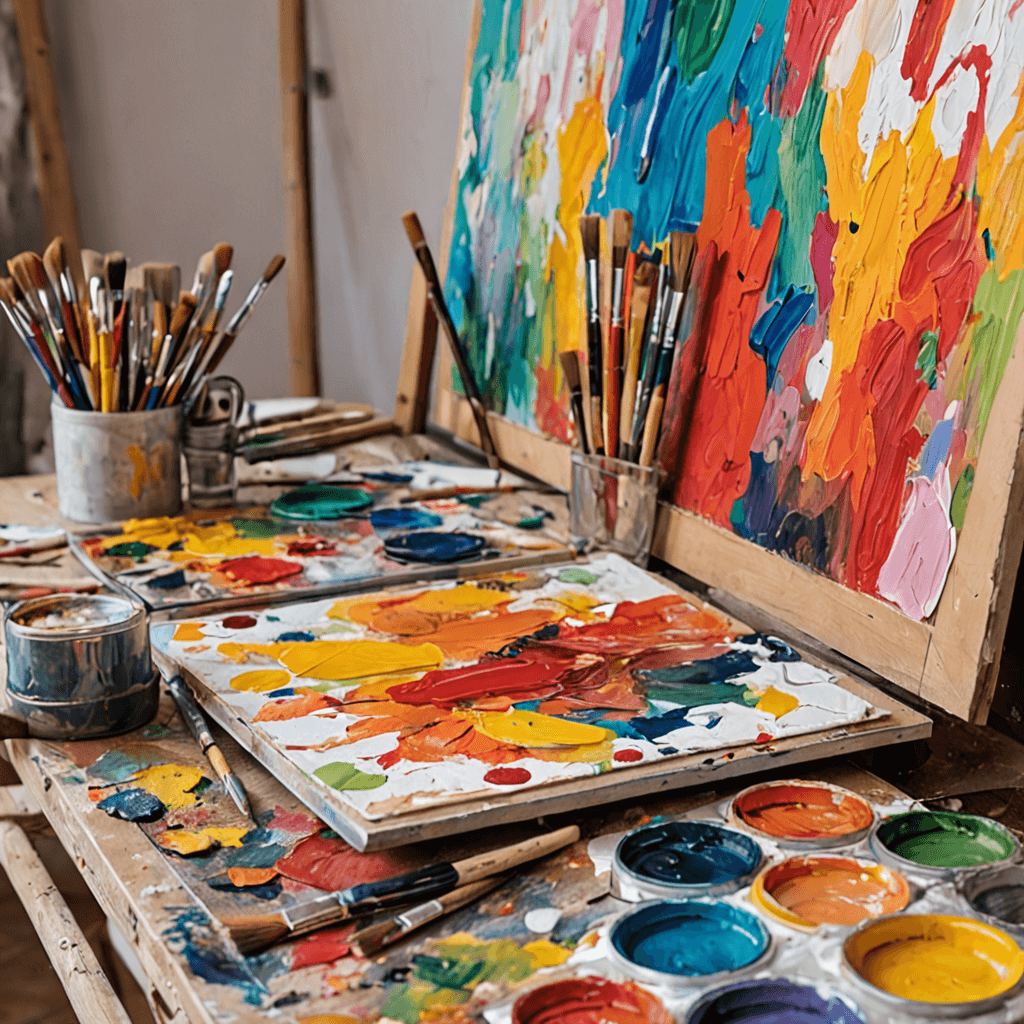
Abstract Art for Children in Toronto: Freedom and Expression in Creativity
Table of Contents
Children naturally create abstract art long before they understand the term or concept. Their early drawings and paintings—spontaneous color explorations, energetic mark-making, and intuitive compositions—embody abstract expressionism’s core principles without self-consciousness or theoretical knowledge. Yet as children mature and develop representational skills, many abandon this intuitive abstraction, believing that “real” art must depict recognizable subjects realistically.
For families in Toronto and Etobicoke seeking comprehensive art education, understanding abstract art’s value in children’s creative development helps parents appreciate non-representational work as legitimate artistic expression rather than dismissing it as “just playing around.” Abstract art offers unique developmental benefits that representational work alone cannot provide, building creative confidence, visual literacy, and artistic versatility that serve young artists throughout their lives.
At Muzart Music and Art School near Cloverdale Mall in Etobicoke, instructors guide students in exploring abstract expression alongside representational skill development, creating well-rounded young artists who understand that art encompasses far more than realistic rendering. This comprehensive approach validates children’s natural creative instincts while expanding their artistic vocabulary and conceptual understanding.
Understanding Abstract Art and Its Value for Young Artists
Abstract art prioritizes visual elements—color, line, shape, texture, composition—over representational accuracy or narrative content. While abstract work may suggest objects or scenes, it doesn’t attempt to recreate observable reality with photographic accuracy. Instead, abstract artists manipulate formal elements to create visual interest, emotional impact, or conceptual meaning independent of recognizable subject matter.
The distinction between abstraction and representation exists on a spectrum rather than as binary categories. Some abstract work maintains slight references to real-world subjects while emphasizing formal manipulation. Other pieces eliminate recognizable imagery entirely, exploring pure relationships between colors, shapes, and marks. This range allows artists at every skill level to engage with abstraction at appropriate complexity.
Abstract art liberates young artists from the anxiety of “getting it right” that often paralyzes representational work. When there’s no correct way to draw a tree or face, students can explore materials and compositions freely without fear of failure. This psychological freedom encourages risk-taking and experimentation essential for creative development.
The emotional and expressive potential of abstract art appeals particularly to children and pre-teens who possess strong feelings but may lack verbal sophistication to articulate them. Color, gesture, and composition can communicate mood, energy, and psychological states that words cannot capture. Abstract creation provides emotional outlet and self-understanding opportunities beyond what representational work typically offers.
Visual problem-solving in abstract work develops cognitive skills applicable far beyond art. Deciding how colors relate, whether compositions feel balanced, and what mark-making creates desired effects requires analysis, decision-making, and evaluation that strengthen critical thinking. These higher-order thinking skills transfer to academic work and life challenges.
Students exploring abstract art through group art classes or private art lessons discover creative possibilities beyond realistic representation while building visual literacy that enhances all artistic work.
Age-Appropriate Approaches to Abstract Art Instruction
Five to seven-year-old children create naturally abstract work through process-oriented exploration. At this age, abstract art instruction focuses on material experimentation, color mixing, and energetic mark-making without imposing theoretical concepts or requiring conceptual justification. The goal centers on maintaining natural creative freedom while introducing technique and vocabulary that expands possibilities.
Eight to ten-year-old artists can begin understanding abstraction as intentional choice rather than inability to render realistically. They can explore how artists like Kandinsky, Miró, or Pollock made deliberate decisions about composition, color, and technique. This historical context validates abstract creation as sophisticated artistic practice rather than childish inability to draw “correctly.”
Pre-teen and teenage students (11-14) often resist abstract work because they’ve internalized beliefs that realistic rendering defines artistic skill. Instruction at this age requires explicit discussion of abstract art’s artistic legitimacy and exploration of contemporary abstract artists whose work demonstrates sophistication and intention. Once convinced that abstraction represents valid artistic choice rather than failure to render realistically, students at this age often embrace abstract exploration enthusiastically.
Different developmental stages benefit from different abstract approaches. Younger children thrive on intuitive, process-based abstraction emphasizing physical engagement with materials. Older students often appreciate more conceptual approaches where abstract work communicates specific ideas or explores theoretical artistic questions. Quality instruction matches abstract art introduction to developmental readiness and individual interests.
The key at every age involves maintaining balance between freedom and structure. Completely unstructured abstract work can feel aimless, while excessive constraints eliminate the liberating quality that makes abstract art valuable. Effective instruction provides enough guidance to create focus without eliminating the experimental freedom that characterizes meaningful abstract exploration.
Fundamental Concepts in Abstract Art Creation
Color relationships drive much abstract composition. Students explore how colors interact—complementary colors creating vibration, analogous colors producing harmony, warm versus cool color temperatures affecting emotional tone. This focused color study develops sophisticated understanding applicable to all artistic work while creating visually compelling abstract compositions.
Shape and form manipulation independent of representational accuracy allows exploration of visual balance, rhythm, and movement. Students create compositions using geometric shapes, organic forms, or combinations of both, discovering how different shapes affect composition dynamics. This formal exploration builds design sense that strengthens representational work when students return to it.
Line quality and mark-making create visual energy and texture in abstract work. Experimenting with different drawing and painting tools, varying pressure, speed, and direction produces infinite mark varieties. This exploration develops material mastery and gestural vocabulary that makes all artistic work more sophisticated and expressive.
Composition principles like balance, emphasis, rhythm, and unity apply as rigorously to abstract work as representational art. Learning to compose abstract pieces effectively teaches design fundamentals applicable to all visual work. Students discover that even without recognizable subjects, compelling compositions require thoughtful decision-making about element arrangement and relationship.
Texture—both actual and implied—adds physical dimension to abstract work. Techniques like impasto painting, collage, or mixed media create actual textural variation, while various mark-making approaches suggest texture visually. This multisensory engagement enriches abstract exploration and connects to students’ natural tactile curiosity.
Students developing these concepts through comprehensive art lessons in Etobicoke build versatile artistic capabilities that serve both abstract and representational work effectively.
Abstract Art Techniques and Approaches for Young Artists
Action painting inspired by Jackson Pollock’s work allows energetic, whole-body engagement with art-making. Students create by dripping, pouring, or flinging paint, discovering how physical gesture translates into visual marks. This technique particularly appeals to younger children and kinesthetic learners who benefit from movement-based creation.
Color field painting explores large areas of solid or subtly varied color. Inspired by artists like Mark Rothko or Helen Frankenthaler, students work with color relationships at large scale, understanding how color affects emotional response and visual impact. This contemplative approach contrasts with energetic action painting, demonstrating abstraction’s range.
Geometric abstraction using shapes, lines, and mathematical relationships appeals to students who appreciate structure and pattern. Influenced by artists like Mondrian or Albers, this approach creates visually organized abstract work through careful compositional planning. Students interested in architecture, mathematics, or design often connect strongly with geometric abstraction.
Gestural abstraction emphasizes expressive mark-making and intuitive composition. This approach values spontaneity and emotional authenticity over careful planning, allowing students to work directly from feeling without extensive preliminary planning. The immediacy of gestural abstraction makes it particularly effective for emotional expression and authentic self-exploration.
Mixed media and collage abstract work combines different materials, textures, and techniques in single compositions. This additive approach builds complexity while allowing ongoing adjustment and experimentation. Students who feel intimidated by “getting it right” in painting often find collage’s flexibility more accessible and forgiving.
Process-based abstraction emphasizes creation experience over finished product concerns. Students might create multiple quick pieces exploring single concepts (how many ways can I combine blue and orange?) rather than laboring over perfect final works. This approach reduces anxiety and encourages prolific experimentation that builds confidence and skill.
Connecting Abstract Art to Artistic Development
Abstract exploration develops color sense that enhances all artistic work. Understanding how colors interact, create mood, and affect composition strengthens both abstract and representational pieces. Students who’ve experimented extensively with abstract color relationships make more sophisticated color choices when working representationally.
Compositional understanding strengthens through abstract work because compositions must succeed purely through formal relationships without relying on interesting subject matter to maintain viewer interest. This compositional rigor transfers directly to representational work, helping students compose more compelling realistic pieces.
Creative confidence gained through abstract work’s freedom from correctness reduces anxiety in all artistic endeavors. Students who’ve experienced successful abstract creation understand that artistic value doesn’t depend solely on realistic rendering, reducing performance anxiety that often inhibits representational attempts.
Material mastery developed through abstract experimentation translates into more sophisticated representational technique. Understanding how paint, pastels, markers, or other media behave through free abstract exploration provides technical knowledge students apply when rendering specific subjects.
Visual problem-solving skills exercised in abstract composition—deciding what works, what needs adjustment, how elements relate—develop critical thinking applicable throughout life. These analytical and evaluative skills strengthen academic work, professional problem-solving, and decision-making in countless contexts.
Students progressing through comprehensive art education that includes both abstract and representational work become more versatile, confident, and sophisticated artists than those exposed only to realistic rendering instruction.
Abstract Art and Emotional Expression for Children
Non-verbal emotional communication through color, gesture, and composition provides outlets particularly valuable for children who struggle verbalizing feelings. Abstract art allows students to express anger, joy, anxiety, or confusion through visual means when words feel inadequate or unavailable.
Processing difficult emotions through creative expression offers healthy coping mechanisms. Creating abstract art during challenging times provides focus, control, and expression that can reduce anxiety and support emotional regulation. This therapeutic dimension makes abstract art valuable beyond purely aesthetic considerations.
Color psychology understanding develops through abstract work. Students discover how warm colors create different emotional responses than cool colors, how dark heavy compositions feel different from light airy ones. This awareness transfers to emotional intelligence and communication skills beyond artistic contexts.
Personal meaning and interpretation possibilities in abstract work validate individual experience and perspective. While representational art often has “correct” interpretations (that’s clearly a dog, that’s obviously sad), abstract work invites varied readings. This openness teaches students that multiple valid perspectives can exist simultaneously—valuable learning for social and emotional development.
Self-knowledge gained through examining personal color preferences, compositional choices, and artistic tendencies provides insight into personality and preferences. Students who prefer orderly geometric abstraction versus chaotic gestural work discover something about their temperament and thinking style through these creative choices.
The freedom to create without judgment in abstract work builds emotional safety and trust essential for authentic self-expression. Students who experience acceptance of their abstract explorations develop confidence sharing authentic selves rather than only presenting work they believe others will approve.
Introducing Art History and Abstract Art Masters to Young Students
Age-appropriate introduction to abstract art history provides context and validation for students’ own abstract work. Learning that renowned artists chose abstraction intentionally—not because they couldn’t draw realistically—legitimizes abstract creation as sophisticated artistic practice.
Wassily Kandinsky’s spiritual and emotional abstraction appeals to students interested in color and feeling. His belief that abstract art could communicate directly to viewers’ emotions without representational intermediary provides powerful validation for expressive abstract work.
Joan Miró’s playful, organic abstraction resonates with younger students whose natural mark-making resembles his spontaneous aesthetic. Discovering that a famous artist created work similar to their intuitive creations validates children’s natural artistic instincts.
Piet Mondrian’s geometric compositions demonstrate abstraction’s range beyond expressive gesture. Students who appreciate order and structure often connect strongly with his work, understanding that abstraction can be carefully planned and mathematically precise rather than only spontaneous and emotional.
Jackson Pollock’s action painting demonstrates how artistic process itself can create meaning. Students fascinated by energetic creation methods find validation in understanding that world-renowned artists valued physical engagement with art-making.
Contemporary abstract artists demonstrate ongoing vitality and relevance of non-representational work. Exposing students to living artists creating abstract work today shows that this tradition continues evolving rather than existing only in historical contexts.
These historical and contemporary connections enrich students’ abstract explorations by providing conceptual frameworks, validating their creative choices, and expanding their understanding of art’s possibilities beyond realistic representation.
How Professional Art Instruction Enhances Abstract Art Learning
Professional instructors distinguish between productive abstract experimentation and aimless unfocused activity. Quality abstract art instruction provides enough structure to create meaningful learning while maintaining the freedom essential for creative exploration. This balance requires expertise many well-meaning but untrained adults struggle to achieve.
Vocabulary development for discussing abstract work helps students articulate artistic decisions and understand their own creative processes. Learning terms like “composition,” “rhythm,” “contrast,” “harmony” gives students language for analyzing and improving their abstract work rather than just creating intuitively without reflection.
Technique instruction specific to abstract approaches ensures students develop genuine skill rather than believing abstract art requires no expertise. Understanding how to create clean color transitions, control paint consistency, or achieve specific textural effects makes abstract work more sophisticated and intentional.
Encouragement balanced with constructive feedback maintains students’ creative confidence while promoting growth. Professional instructors celebrate experimental spirit and risk-taking while also helping students develop more refined compositional and technical skills over time.
Exhibition and presentation of student abstract work validates their creation and builds pride in non-representational accomplishments. When schools and programs treat abstract student work with the same respect as realistic pieces—mounting, displaying, and discussing it seriously—students internalize that abstract art has genuine value and legitimacy.
Students exploring abstract art through group art classes benefit from peer interaction and shared enthusiasm that individual practice can’t replicate, while those in private art lessons receive individualized guidance tailored to personal interests and developmental needs.
Frequently Asked Questions About Abstract Art for Children
Is abstract art just for young children who can’t draw realistically yet?
This misconception diminishes both young children’s creative sophistication and abstract art’s legitimate artistic value. Abstract art represents intentional artistic choice at all skill levels, not inability to render realistically. Many renowned abstract artists possessed exceptional representational skills but chose abstraction because it better served their artistic goals. For young artists, abstract work offers unique developmental benefits—creative freedom, emotional expression, material exploration—that representational work alone cannot provide. Rather than viewing abstraction as inferior to realism or appropriate only for beginners, quality art education presents both approaches as equally valid with different purposes and possibilities. Students benefit most from exposure to both abstract and representational work throughout their artistic development.
Should children learn realistic drawing before doing abstract art?
No particular sequence is necessary—students can explore both simultaneously. Some educators advocate starting with abstract work to build creative confidence before introducing representational challenges, while others prefer establishing observational skills first. Most effective programs integrate both throughout development, using each to strengthen the other. Abstract work builds color sense, compositional understanding, and material mastery that enhance representational pieces. Conversely, observational skills developed through realistic work inform more sophisticated abstract creation. The key is presenting both approaches as valuable rather than creating hierarchies where one seems more legitimate or advanced than the other.
How can parents talk about abstract art with their children without art expertise?
Focus on observable elements rather than interpretation or evaluation. Ask open questions: “What colors did you choose?” “How did you decide where to place that?” “What were you thinking about while creating this?” Avoid dismissive responses like “that’s nice” or pressuring for explanations: “What is it supposed to be?” Describe what you notice: “I see you used a lot of energetic lines here” or “These colors feel calm to me.” Most importantly, validate the creation process and effort rather than just evaluating the product: “You worked really focused on this” or “I could tell you were experimenting with different techniques.” This supportive, curious approach helps children develop artistic thinking and confidence without requiring parental art expertise.
Does creating abstract art help with anything beyond art skills?
Abstract art creation develops numerous transferable skills. Decision-making about composition, color, and technique strengthens executive function and analytical thinking. Emotional expression through visual means builds emotional intelligence and self-awareness. Material experimentation teaches scientific thinking about cause and effect. Working through creative problems develops resilience and flexibility when facing challenges. Visual-spatial reasoning exercised in composing abstract work supports mathematics and engineering thinking. Perhaps most importantly, abstract creation validates multiple valid approaches and perspectives rather than single correct answers—essential understanding for navigating complex real-world problems where “right answers” rarely exist. These cognitive, emotional, and social benefits extend far beyond purely artistic contexts.
Building Creative Freedom That Lasts a Lifetime
Abstract art exploration provides children with creative permission and confidence that extends throughout their lives. Students who experience the freedom to create without rigid correctness standards, who learn that artistic value encompasses far more than realistic rendering, and who discover personal expression through non-representational means develop creative confidence that serves them across all endeavors.
The balance between abstract freedom and representational skill creates versatile artists comfortable working across the full spectrum of artistic possibility. Toronto and Etobicoke families investing in comprehensive art education that values both approaches give their children artistic capabilities and creative confidence that enrich their lives regardless of whether they pursue professional art careers.
Ready to explore abstract art alongside comprehensive artistic development? Book now to start art education that celebrates creative freedom while building technical skills, or request more information about group and private art classes at Muzart Music and Art School’s Etobicoke location near Cloverdale Mall that develop confident, versatile young artists through balanced instruction in both abstract and representational approaches.