
Art Materials for Young Artists: What Etobicoke Parents Should Know
Table of Contents
Understanding what art materials children actually need removes confusion and unnecessary expense from the art education journey. For families in Etobicoke, Toronto, and Mississauga enrolling children in art classes, knowing what’s provided, what’s optional, and what supports creative development at home helps parents make informed decisions about supplies and investments. At Muzart Music & Art School, located near Cloverdale Mall in Etobicoke, all art materials used during group art classes and private art lessons are included in program fees, eliminating one of the major concerns families often have about art education costs.
The art supply market can overwhelm parents unfamiliar with materials and their purposes. Store aisles display countless products with varying quality levels and price points, leaving parents uncertain about what matters for young artists and what represents unnecessary expense. Professional guidance about age-appropriate materials, quality considerations, and what actually supports creative development helps families invest wisely when they choose to supplement studio instruction with home supplies.
Additionally, understanding what happens with materials during lessons—how children explore different media, why variety matters, and how instructors guide material usage—helps parents appreciate the comprehensive creative education their children receive. This knowledge often reduces anxiety about whether children need extensive supplies at home and clarifies the value of the inclusive approach to materials in our art programs.
Materials Included in Art Lessons
One of the significant advantages of enrolling in comprehensive art programs is having all necessary materials provided. This inclusive approach ensures every student accesses quality supplies regardless of family budget and eliminates the confusion about what to purchase.
Drawing materials form the foundation of most art instruction. Our art lessons in Etobicoke include various pencils (graphite in different hardnesses, colored pencils, charcoal), erasers (kneaded, rubber, vinyl), drawing papers in various weights and textures, and blending tools. Students explore different drawing implements to discover their preferences and learn how different tools create different marks and effects.
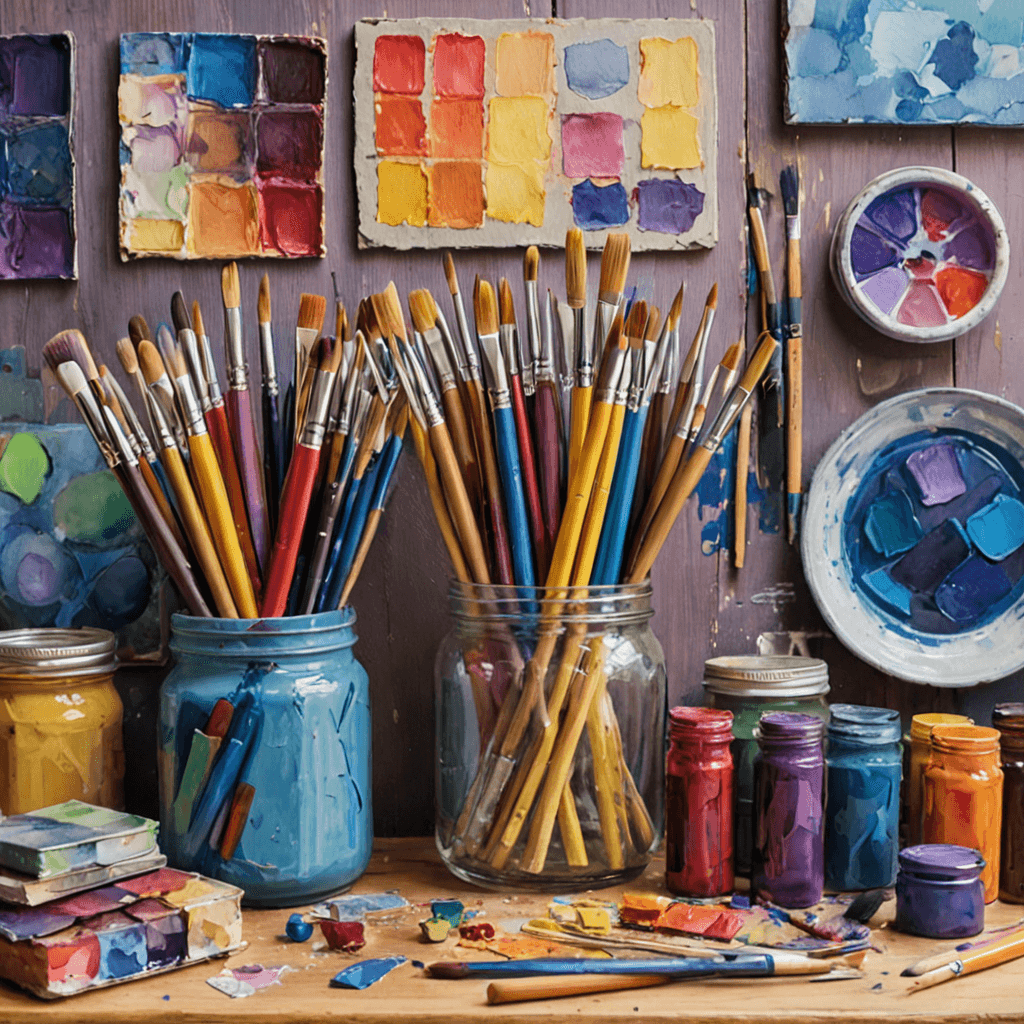
Painting supplies encompass multiple media to provide broad exposure. Watercolors, tempera paints, and acrylics all appear in our curriculum, each offering unique properties and creative possibilities. Brushes in various sizes and shapes, palette knives, sponges for texture, water containers, palettes, and appropriate papers for each medium ensure students can explore painting fully. The quality of paints matters significantly—student-grade paints provide adequate pigmentation and handling properties without the expense of professional materials.
Sculpture and three-dimensional materials allow exploration beyond flat surfaces. Modeling clay, air-dry clay, wire, papier-mâché supplies, and various construction materials enable students to think dimensionally and develop spatial awareness. Tools for clay work—sculpting implements, rolling pins, cutting tools—support technique development in three-dimensional media.
Mixed media supplies encourage creative experimentation and material combination. Collage materials, fabric scraps, found objects, glue in various formulations, and assorted papers and textures inspire creative exploration beyond traditional fine art materials. This exposure to diverse materials expands students’ creative vocabulary and problem-solving abilities.
Printmaking materials introduce this important artistic process. Foam plates for relief printing, brayers, printing ink, and appropriate papers allow students to experience printmaking’s unique qualities—the repetition, reversal, and collaborative possibilities this medium offers. While sophisticated printmaking requires specialized equipment, simple techniques using accessible materials provide valuable introduction.
Specialty materials appear in specific projects or advanced work. These might include pastels, oil pastels, markers, ink and nibs, specialized papers, mat board, or digital art supplies depending on the project and student level. The curriculum’s variety ensures exposure to diverse materials and techniques throughout students’ development.
Storage and organization systems in the studio keep materials accessible and orderly. Individual portfolios store ongoing work, labeled containers organize supplies by type, and systematic cleanup routines teach students to care for materials and workspace. This organizational structure supports focused creative work and teaches responsibility for shared resources.
The inclusive materials policy means families know their exact investment without worrying about unexpected supply costs throughout the year. Whether children attend group classes or private lessons, all necessary materials for instruction are provided, making budgeting straightforward and ensuring access equity among students.
Age-Appropriate Materials and Safety Considerations
Not all art materials suit all ages. Understanding which materials work safely and effectively for different developmental stages helps parents make informed choices if purchasing supplementary home supplies.
Young children (ages 5-8) need materials that accommodate their developing fine motor skills and coordination. Chunky crayons, thick markers, large pencils, and big brushes suit small hands better than standard-sized tools. Washable, non-toxic materials become essential at this age—tempera paints rather than acrylics, washable markers, and water-based materials that clean easily from skin, clothing, and surfaces. Safety scissors with blunt tips, non-toxic glue sticks, and large sheets of paper allow creative expression without the frustration that comes from tools requiring precision beyond their current abilities.
Elementary-age children (ages 9-11) can handle standard-sized art materials as fine motor control develops. They graduate to regular pencils, standard brushes, and tools requiring more precise control. These students can work with a broader range of materials including acrylic paints (still non-toxic formulations), more sophisticated drawing implements, and materials requiring careful handling. They understand basic safety concepts like not putting materials in mouths, washing hands after art activities, and following instructions about material use.
Middle school students (ages 12-14) can work safely with most art materials when properly instructed. More advanced techniques become accessible—using craft knives with supervision, working with materials requiring ventilation awareness, and handling tools that demand respect and careful use. At this age, students understand safety protocols and can follow guidelines about protective equipment, workspace ventilation, and proper tool handling.
High school students and advanced artists can access professional-grade materials as skill and understanding justify their use. Oil paints, spray fixatives, advanced printmaking chemicals, and power tools for sculpture all become appropriate with proper instruction and safety equipment. The emphasis shifts from safety supervision to safety education—students learning professional practices around material handling, studio safety, and environmental considerations.
Toxic material awareness matters regardless of age. Even young children should learn that some art materials aren’t food, require handwashing after use, and need adult supervision. Parents purchasing home supplies should look for AP (Approved Product) or CP (Certified Product) seals from the Art and Creative Materials Institute, indicating materials meet safety standards for their labeled age recommendations. Avoid materials labeled for adult use or containing warnings about specific ingredients when buying for children’s home use.
Allergy and sensitivity considerations affect material selection for some students. Latex allergies require latex-free erasers, some students react to certain adhesives, and fragrance sensitivities might affect tolerance for scented markers or modeling compounds. Instructors should be informed of any known sensitivities so alternative materials can be provided during lessons.
Mess tolerance varies by family, influencing home material choices. Some families embrace the potential chaos of painting and mixed media at home, while others prefer less messy drawing and digital art activities. Understanding family tolerance for cleanup helps select home materials that actually get used rather than remaining pristine in storage because the mess feels overwhelming.
Optional Home Art Supplies
While all lesson materials are provided, some families choose to support creative exploration at home with supplementary supplies. Understanding what proves worthwhile versus what collects dust helps families invest effectively if they choose this path.
Basic drawing supplies offer the most value for home creativity. A set of quality colored pencils (24-48 colors), a sketchbook or drawing pad, regular pencils in various hardnesses (2H, HB, 2B, 6B), a good eraser, and a pencil sharpener enable substantial creative work at home. This relatively modest investment—typically $30-60 total—provides months of creative activity. Drawing requires minimal setup and cleanup, making it accessible for spontaneous creativity.
Watercolor sets designed for students provide another excellent home option. A basic watercolor pan set (12-24 colors), watercolor paper, and a few brushes in different sizes allow painting exploration without the complexity of acrylics or oils. Watercolors clean up easily, take minimal space, and offer satisfying creative results. Student-grade sets from reputable art supply manufacturers cost $20-40 and provide quality adequate for developing young artists.
Sketchbooks in various sizes encourage drawing habit development. Having dedicated sketchbooks for home use—separate from lesson portfolios—creates space for free exploration without the feeling that every mark must be “good enough” for instruction review. Spiral-bound sketchbooks with decent paper weight cost $5-15 depending on size and page count.
A dedicated art space or supplies container makes home creativity more accessible. A plastic storage bin, rolling cart, or designated shelf for art supplies signals that creative work is valued and makes spontaneous art-making easier. When supplies require extensive setup, children often choose easier activities even when they’d enjoy creating if materials were readily accessible.
Quality considerations matter more than quantity. Better to have fewer higher-quality materials that perform well than extensive collections of cheap supplies that frustrate rather than enable creativity. Student-grade materials from established art supply manufacturers provide significantly better experience than dollar store art supplies, though they needn’t be professional-grade products.
Avoid extensive purchases before assessing actual usage patterns. Some children create constantly at home and would use diverse supplies regularly. Others rarely engage with home art materials despite parents’ hopes. Starting with basic supplies allows assessment of actual interest and usage before investing in more extensive collections. Families can always add materials as patterns of use become clear.
Digital art options increasingly appeal to tech-savvy children. Drawing tablets, styluses for tablets, and art apps provide creative outlets that many children find engaging. While different from traditional materials, digital art develops similar creative thinking and offers unique possibilities. Free or low-cost drawing apps on existing tablets provide entry points without requiring specialized equipment purchases.
Supporting Creative Development Beyond Lessons
Materials represent just one aspect of supporting children’s artistic development. Creating an environment that nurtures creativity and provides opportunities for artistic growth matters as much as physical supplies.
Display children’s artwork throughout your home. This demonstrates that you value their creative work and builds their confidence as artists. Rotating displays prevent overwhelming wall space while ensuring recent work receives recognition. Avoid displaying only “good” pieces—showing various work, including experimental or process-focused pieces, communicates that all creative exploration has value.
Visit art museums, galleries, and exhibitions regularly. Toronto offers exceptional art institutions including the Art Gallery of Ontario, smaller galleries throughout the city, and frequent exhibitions at cultural centers. These experiences expose children to diverse artistic styles, professional work, and the broader art world beyond their own creating. Many institutions offer family programs specifically designed for children.
Provide unstructured creative time alongside structured lessons. While lessons teach technique and skill, free creative time allows experimentation, play, and personal exploration without instructional objectives. Both structured learning and unstructured exploration contribute to artistic development. Children need space for both guided skill-building and self-directed creative freedom.
Encourage process over product. Asking children about their creative process—”How did you make that texture?” “What were you trying to show?”—values the thinking and exploration behind the work rather than just the end result. This questioning approach develops metacognition about creative choices and helps children become intentional about their artistic decisions.
Connect art to other interests. Children passionate about animals might explore wildlife illustration. Those interested in stories might create sequential art or picture books. Science enthusiasts might draw detailed observational studies. These connections make art personally relevant and demonstrate its relationship to broader interests and learning.
Model creative engagement yourself. Children whose parents engage in creative activities—whether traditional art, crafts, cooking, gardening, or other creative pursuits—often develop stronger creative confidence. You needn’t be skilled at art; simply demonstrating that adults value creative expression and aren’t afraid of making “imperfect” things provides powerful modeling.
Respect creative preferences and interests. Some children love painting, while others prefer drawing. Some work representationally, while others explore abstraction. Supporting children’s natural inclinations rather than pushing them toward particular styles or media helps maintain intrinsic motivation and ownership of their creative development.
The Studio Experience and Materials Usage
Understanding how materials are used during lessons helps parents appreciate the comprehensive exploration their children receive and the pedagogical reasons behind material choices.
Progressive skill building guides material introduction. Students don’t use all materials immediately. Instruction introduces materials sequentially as skills develop, ensuring students can engage successfully with each medium. Beginning students might work primarily with pencils and simple paints before advancing to more complex materials requiring greater control and understanding.
Technique demonstration precedes independent work. Instructors demonstrate proper material use—how to hold brushes, mix colors, blend with different tools—before students work independently. This modeling prevents wasted materials and helps students achieve desired effects rather than struggling with unfamiliar media.
Experimentation and exploration form essential parts of learning. Not every piece students create represents finished work intended for display. Sometimes students simply explore what happens when materials combine, how different tools create marks, or what effects various techniques produce. This experimental work builds understanding that informs more intentional future creating.
Cleanup and material care teach responsibility. Students learn to clean brushes properly, cap markers, return materials to appropriate storage, and care for shared resources. These habits extend beyond art class, teaching general responsibility and respect for tools and materials.
Material limitations sometimes drive creativity. While comprehensive material provision ensures access, instructors occasionally create constraints—”create something using only these three colors” or “make texture without brushes”—that push creative problem-solving. These limitations often produce more creative solutions than unlimited options.
Age-appropriate supervision ensures safety and proper use. Instructors monitor material use actively, ensuring students use tools safely, follow proper techniques, and don’t waste materials unnecessarily. This supervision allows access to diverse materials while maintaining safety and teaching responsible use.
Group dynamics in group classes affect material experiences. Students observe classmates’ techniques, share discoveries about materials, and learn from seeing varied approaches to the same supplies. This peer learning enhances material exploration beyond what individual instruction alone could provide.
Local Resources for Art Supplies in Toronto
Families choosing to purchase supplementary home supplies have excellent options throughout Toronto, Etobicoke, and Mississauga. Knowing where to find quality materials helps families shop effectively.
Specialty art supply stores offer the most comprehensive selections and knowledgeable staff. Stores like Curry’s Art Store, Above Ground Art Supplies, and Gwartzman’s Art Supplies stock extensive ranges from student to professional grade. Staff can provide guidance about appropriate materials for different ages and purposes. While these stores’ prices may exceed big-box retailers for some items, the quality and expert advice often justify the difference.
Craft stores like Michaels provide accessible options throughout the greater Toronto area. These stores stock adequate student-grade materials for home use, frequently run sales on art supplies, and offer rewards programs that reduce costs for regular shoppers. While selection may not match specialty stores, the convenience and pricing work well for supplementary home supplies.
Educational supply stores sometimes sell to the public and offer materials specifically designed for children’s use. These sources provide good value on items like construction paper, tempera paints, and basic supplies, though selection of fine art materials may be limited.
Online retailers offer convenience and often competitive pricing. However, color accuracy and material quality can be difficult to assess without seeing items in person. Online shopping works well for replenishing known products but proves challenging when trying to select materials for the first time.
Dollar stores and discount retailers sell art supplies at very low prices, but quality varies dramatically. While these sources might work for very young children’s free play or occasions when mess and waste are expected, the poor performance of ultra-cheap materials often frustrates children and undermines rather than supports creative development.
Secondhand sources occasionally offer excellent values. Artist-quality materials from estate sales, garage sales, or online marketplaces sometimes become available at fraction of retail prices. However, this requires knowledge to identify quality items and luck in finding appropriate materials when needed.
School supply sales in late summer often include art materials at competitive prices. While timing limits usefulness for immediate needs, these sales provide opportunities to stock up on basic supplies like paper, pencils, and crayons at excellent prices.
Frequently Asked Questions
Do we need to buy any art supplies if everything is provided in lessons?
No, families don’t need to purchase any art supplies for lessons at Muzart Music & Art School. All materials used during group art classes and private art lessons are included in program fees. This inclusive policy ensures every student accesses quality materials regardless of family budget and eliminates confusion about what to buy. Students arrive at lessons ready to create without worrying about bringing supplies. However, some families choose to purchase supplementary materials for home use to support creative exploration between lessons. This optional home supply investment depends entirely on family interest and the child’s desire to create at home. The decision to buy home supplies should reflect actual usage patterns rather than assumptions about what children “should” have. Many families find that basic drawing supplies—sketchbook, pencils, colored pencils, eraser—provide adequate home creative options without extensive investment, while others prefer keeping creative work primarily within lesson time using studio materials.
What art supplies should we avoid buying for young children?
Avoid materials marketed for adult use or labeled with warnings when purchasing for children. Products containing toxic ingredients, requiring special ventilation, or deemed unsafe for children under specific ages should not be in children’s hands without proper instruction and supervision. Permanent markers, spray adhesives, oil-based paints, and materials with strong chemical odors generally aren’t appropriate for young children’s unsupervised use. Also avoid ultra-cheap materials from dollar stores that claim to be art supplies but perform so poorly that they frustrate rather than enable creativity. These products often have inadequate pigmentation, break easily, or produce disappointing results that discourage creative engagement. While you needn’t buy professional-grade materials for home use, student-grade products from reputable art supply manufacturers provide significantly better experiences. Additionally, avoid purchasing extensive collections of materials before assessing what your child actually uses. Starting with basic supplies allows you to observe usage patterns before investing in more extensive collections that might remain unused. Finally, avoid materials that require complicated setup or cleanup if those demands will prevent actual use—better to choose accessible materials that your child will use regularly than impressive supplies that stay in storage because the hassle feels overwhelming.
How can I tell if art supplies are good quality without spending a lot?
Several indicators help assess quality without requiring expert knowledge or professional-grade investment. For drawing materials, test pencils and colored pencils for smooth application without scratchy feeling or excessive pressure requirements. Quality pencils lay down pigment evenly and sharpen without breaking constantly. For paints, check ingredient lists—the pigment should appear early in the ingredient list rather than being primarily fillers. Student-grade paints from established manufacturers (like Crayola, Prang, or similar brands) provide reliable quality at reasonable prices. Paper weight matters significantly—look for drawing paper at least 60-70 lb weight and watercolor paper at least 90 lb to prevent tearing and bleeding. For brushes, check that bristles don’t shed excessively and that ferrules (metal parts) are firmly attached to handles. Reading online reviews before purchasing helps identify products that perform well versus those with quality issues. Shopping at specialty art stores rather than general retailers often ensures baseline quality even for student-grade materials, as these stores generally don’t stock the extremely cheap products that perform poorly. Remember that student-grade materials from reputable manufacturers provide excellent quality for developing young artists without the expense of professional materials. The goal is avoiding ultra-cheap products that frustrate rather than enable creativity, not purchasing the most expensive options available.
Should we create a dedicated art space at home for our child?
A dedicated art space isn’t necessary, but having accessible, organized art materials significantly increases usage frequency. Many families find that a simple plastic storage container with basic supplies kept in an accessible location works better than elaborate art studios. The key is reducing barriers to creative engagement—when supplies require minimal setup and cleanup responsibility feels manageable, children create more often. This might mean a corner of the kitchen table with nearby art supply storage, a small desk in a bedroom with a washable surface, or a rolling cart that can move to different locations as needed. Consider your child’s actual usage patterns rather than creating Pinterest-worthy art spaces that look beautiful but don’t get used. Some children will use extensive art spaces regularly, while others prefer keeping creative work primarily at lessons regardless of home setup. Start simple—perhaps a drawer or bin with basic supplies—and expand only if your child consistently uses what’s available. The “dedicated space” concept matters less than reducing the friction between creative impulse and actually creating. Even families living in small spaces can support home creativity with organized, accessible supplies in modest storage. The studio lessons provide comprehensive creative experiences, so home space primarily supports optional additional exploration rather than being essential for artistic development.
What age-appropriate art supplies make good gifts for children?
Age-appropriate art supply gifts that actually get used tend to be higher-quality versions of basics rather than elaborate specialty items. For young children (ages 5-8), consider quality crayon sets, washable marker sets, large drawing pads, simple watercolor sets, and modeling clay. Brand names like Crayola, Faber-Castell, and Melissa & Doug produce reliable products for this age group. For older elementary children (ages 9-12), quality colored pencil sets (36-48 colors), sketchbooks in various sizes, student watercolor sets with good color selection, and basic acrylic paint sets make excellent gifts. Middle school and high school students appreciate higher-quality materials matching their developing skills—professional-grade colored pencils, quality sketchbooks with good paper, brush sets, or specific materials supporting their current interests (manga supplies, calligraphy sets, or specialized tools). Art supply gift cards allow older students to select exactly what they want or need. Consider consumables over novelty items—children will use quality paper, paints, or pencils repeatedly, while gimmicky art gadgets often get used once and forgotten. Also think about complete sets that include everything needed for particular activities rather than items requiring additional purchases to use. When giving art supplies to children taking lessons at our Etobicoke art studio, consider asking their instructor what materials the student currently enjoys or might benefit from having at home. This guidance ensures gifts match actual interests and skill levels rather than assumptions about what children should enjoy.
How do we store children’s artwork without it taking over our home?
Artwork storage challenges nearly every family with creative children. Several strategies help manage the volume while respecting the work. First, photograph artwork before deciding what to keep physically. Digital archives preserve images of every piece without requiring physical storage, and digital photos can later be compiled into photobooks documenting artistic development. For physical storage, designate a specific space—a large flat portfolio, a file box, or a storage bin—and establish a rule that when it fills, review and curate what stays versus what goes. Involve children in this curation process, asking them to select favorites rather than parents making all decisions. This teaches decision-making and helps children understand that not every piece merits permanent keeping. Display systems like clipboards, picture hanging systems, or gallery walls allow rotating displays that honor current work while making room for new pieces. Some families photograph artwork and create digital slideshows or screensavers, giving pieces ongoing visibility without physical storage. For three-dimensional work, photographs become especially valuable since storing sculptures and models creates significant space challenges. Consider that truly special pieces deserve proper preservation—perhaps framing a few favorites annually—while others can be appreciated, photographed, and eventually recycled. The goal isn’t keeping everything but honoring the creative work while maintaining livable space. Children taking lessons will produce substantial work over time, making sustainable storage strategies essential. Developing these systems early prevents the overwhelming backlog that occurs when families save everything for years before addressing storage.
Nurturing Creative Development Through Thoughtful Material Choices
Art materials represent tools for creative expression, not ends in themselves. While quality supplies support artistic development, they’re far less important than supportive environments, dedicated time, encouragement, and professional instruction that develops skills and creative thinking.
At Muzart Music & Art School, our Etobicoke studio near Cloverdale Mall removes material concerns by providing all necessary supplies for both group art classes and private art lessons. This inclusive approach ensures every student throughout Toronto, Etobicoke, and Mississauga accesses quality materials that support comprehensive creative education without families facing supply costs or confusion about what to purchase.
Whether your child would thrive in our group classes or benefit from private instruction, the materials question has a simple answer: everything needed for lessons is provided. Families can focus on supporting creative development through encouragement, providing display space, visiting art museums, and simply valuing creative expression rather than worrying about supply adequacy.
Optional home supplies support additional creative exploration for families choosing that path, but they’re not necessary for success in our art programs. The comprehensive studio experience using professional-grade materials ensures students develop skills and creativity regardless of what they have access to at home.
Beginning art education in December positions students perfectly for creative growth throughout the new year. The upcoming January enrollment period represents an ideal time to start, and understanding that materials are included removes one of the common barriers families face when considering art education.
Don’t let material concerns delay exploring art education for your child. Book a trial lesson to experience our comprehensive approach to art instruction with all materials provided, or request more information about our group classes and private lesson options. The creative development, self-expression, and artistic skills your child gains through quality instruction far exceed the value of any supply collection.
Art education opens doors to creative thinking, visual literacy, self-expression, and lifelong appreciation for visual arts. Begin this journey at our Etobicoke studio, where comprehensive material provision, professional instruction, and genuine investment in each student’s creative development create the foundation for artistic growth that extends well beyond childhood.