
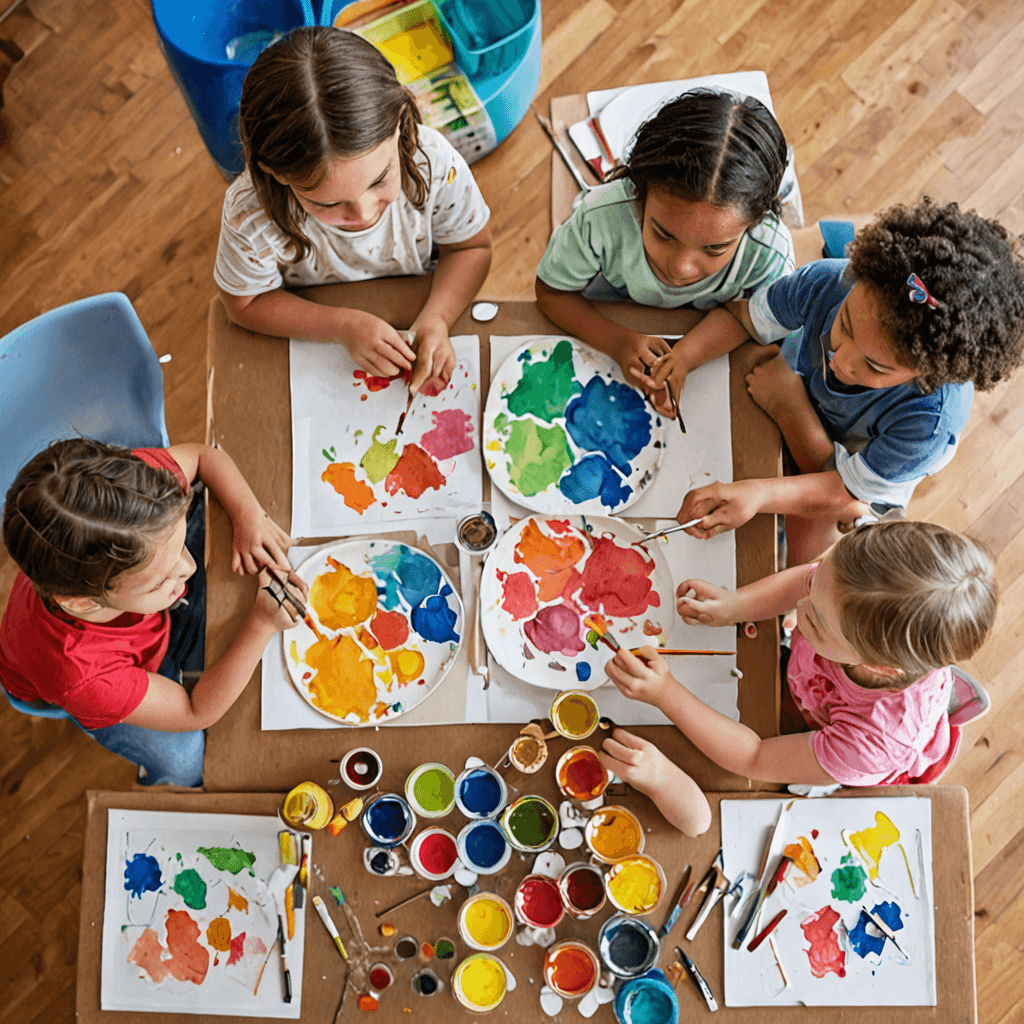
Children’s Art Classes in Etobicoke: January Enrollment Now Open
Table of Contents
January enrollment is officially open at Muzart Music and Art School, and our group art classes in Etobicoke are filling quickly as families throughout Toronto, Etobicoke, and Mississauga act on their New Year commitments to enriching their children’s education. Located near Cloverdale Mall, our studio is welcoming new students this week into our structured, developmentally-appropriate art programs designed specifically for children ages 5-12.
If you’ve been considering art classes for your child, this week represents the ideal moment to begin. The back-to-school energy creates natural momentum for starting new activities, and children are ready to embrace creative challenges with fresh enthusiasm. Our January class schedule is set, materials are prepared, and experienced art instructors are ready to guide your child’s creative development—but spots are limited and filling fast.
Why January is the Perfect Time to Start Art Classes
The New Year brings a unique opportunity to establish positive habits and enriching activities that will benefit your child throughout the entire year. Starting art lessons in Etobicoke in January means your child has twelve months to develop skills, build creative confidence, and discover their artistic voice. Unlike waiting until September, January starters benefit from immediate enrollment in group classes that are just beginning their session cycles.
The structure of group art classes complements school routines beautifully. Children who attend art classes develop focus, patience, and attention to detail that transfers directly to academic work. The fine motor skills refined through drawing, painting, and sculpting support handwriting development and overall dexterity. The creative problem-solving required in art projects enhances analytical thinking abilities across all subjects.
Many parents tell us they wish they’d enrolled their children in art classes sooner—this January represents that perfect opportunity you’ll appreciate months from now. The students starting this week will have created dozens of finished artworks by summer, will have developed fundamental techniques that continue strengthening, and will have built creative confidence that influences how they approach challenges in all areas of life.
The social-emotional benefits of group art classes extend beyond artistic skill development. Children learn to give and receive constructive feedback, to appreciate different approaches to the same creative challenge, and to collaborate on group projects. These social skills developed in our supportive Etobicoke studio environment build communication abilities and emotional intelligence that serve children throughout their lives.
What Makes Our Group Art Classes Special
Our approach to children’s art education balances technical instruction with creative freedom. Too many art programs fall into one of two extremes—either rigid, step-by-step instruction that produces identical results from every student, or completely unstructured free play that doesn’t build actual skills. We’ve developed a curriculum that teaches fundamental techniques while encouraging individual creative expression.
Each class session introduces a specific skill or technique—perhaps watercolor wash techniques, perspective drawing basics, or sculpting with clay. Our instructors demonstrate the technique, provide guided practice, and then encourage children to apply what they’ve learned in their own creative ways. This approach ensures every child leaves class having mastered a new skill while creating artwork that reflects their unique vision and interests.
All art materials are included in our programs—you don’t need to purchase supplies or worry about replacing expensive materials. Our studio is stocked with quality paints, papers, drawing materials, clay, and specialized tools appropriate for young artists. We introduce children to professional-grade materials that produce satisfying results, building their confidence as they see their ideas come to life with colors that are vibrant and tools that work effectively.
The group class format creates a vibrant creative community where children inspire each other and learn from shared experiences. Seeing classmates’ different approaches to the same project expands children’s creative thinking and shows them that there are countless ways to solve artistic challenges. The friendships formed in art class often extend beyond studio walls, creating social connections based on shared creative interests.
The Developmental Benefits of Art Education for Children
Art education strengthens children’s development across multiple domains. The fine motor skills required for controlling paintbrushes, pencils, and sculpting tools directly support handwriting development and overall hand-eye coordination. The spatial reasoning developed through drawing and composition enhances mathematical thinking, particularly geometry and visual problem-solving.
The cognitive benefits of art education are well-documented in educational research. Children who participate in regular art instruction show improved focus, enhanced memory, and stronger ability to think creatively about problems. The process of planning an artwork, executing it through multiple stages, and evaluating the results builds executive functioning skills that transfer to academic work and life challenges.
Perhaps most importantly, art education builds emotional intelligence and self-expression capabilities. Art provides a concrete, acceptable outlet for processing complex emotions and experiences. Children who might struggle to verbalize their feelings often find it natural to express themselves through visual art. This emotional outlet supports mental health and helps children develop healthy coping mechanisms that serve them throughout life.
The creative confidence built through successful art experiences influences how children approach challenges in all areas. When a child creates something they’re proud of—whether it’s a vibrant painting, a carefully observed drawing, or a sculptural piece—they develop belief in their ability to solve problems and create solutions. This creative self-efficacy translates to academic confidence and willingness to tackle difficult challenges. Book your child’s trial lesson now to begin building these lifelong benefits.
What to Expect in Your Child’s First Art Classes
The first class session begins with introductions and a tour of our studio space. Children learn where materials are stored, how to properly care for brushes and tools, and the basic studio procedures that keep our creative space organized and functional. These practical elements create a foundation for independent work and responsible material use.
Early classes introduce fundamental techniques across multiple media. Children might explore basic drawing exercises one week, experiment with watercolor techniques the next, and work with clay or mixed media in subsequent sessions. This variety keeps classes engaging while building a broad foundation of skills. We believe young artists benefit from exposure to multiple art forms before specializing in any particular medium.
Our instructors teach age-appropriate versions of professional techniques. Rather than dumbing down art instruction, we break complex concepts into developable steps that children can master progressively. A five-year-old and a ten-year-old working on the same project receive differentiated instruction appropriate to their developmental stage, ensuring each child is challenged appropriately without frustration.
Within the first month, children typically complete 3-4 finished artworks they’re proud to display at home. These pieces demonstrate clear skill development and creative thinking. Parents often express amazement at the quality of work their children produce with proper instruction and quality materials. The pride children feel in their finished work motivates continued effort and engagement with the artistic process.
Addressing Common Questions About Children’s Art Classes
Parents often ask about the age range in group classes. We organize groups to ensure age-appropriate instruction and peer interaction. Younger children (ages 5-7) benefit from shorter sessions with more hands-on guidance, while older elementary students (ages 8-12) work on more complex projects with greater independence. During enrollment, we place children in groups that match their developmental stage and social needs, ensuring comfortable, productive class dynamics.
Some families wonder whether group or private art lessons would better serve their child. Group classes offer social interaction, peer learning, and the creative energy of working alongside other young artists. Private lessons provide individualized attention, customized curriculum, and flexibility for students with specific goals like portfolio preparation. Many families start with group classes to establish fundamental skills and gauge their child’s interest level before considering private instruction.
Schedule concerns are understandable for busy families. Our group classes run on consistent weekly schedules that integrate smoothly with school and other activities. If your child occasionally misses class due to illness or family commitments, we work with you to arrange makeup sessions when possible. The goal is creating a sustainable, enjoyable routine that enriches your child’s life without creating stress or scheduling conflicts.
The question of artistic talent often arises—parents worry their child might not be “artistic enough” for art classes. Here’s the truth: art skills are developed through instruction and practice, not innate talent. Every child can learn to draw, paint, and create with proper teaching. Our instructors work with children across all ability levels, meeting each student where they are and helping them progress from that starting point. Often, children who initially seem less skilled develop into passionate, accomplished artists once they receive proper instruction and encouragement.
Taking Action This Week: Securing Your January Spot
Our January enrollment period creates high demand for our limited group class spots. Families acting this week have the best selection of class times and group placements. Those who wait often find themselves on waiting lists or compromising on class schedules that don’t align well with their family’s routine. The group art classes starting this month are carefully structured, properly sized, and taught by our most experienced instructors.
Enrolling your child is straightforward and immediate. Visit our booking page to schedule a trial class where your child experiences our teaching approach firsthand. Trial classes allow both you and your child to see the studio environment, meet the instructor, and understand what ongoing classes involve. There’s no pressure to commit immediately—you’ll have all the information needed to make a confident decision about enrollment.
All materials, supplies, and instruction are included in our programs. You don’t need to purchase art supplies or worry about replacing materials as they’re used. Our comprehensive approach means your investment covers everything your child needs for successful creative development. Many families find this all-inclusive structure more economical than purchasing art supplies for home use, especially when factoring in the professional instruction and social benefits of group classes.
Don’t let this January enrollment opportunity pass without exploring whether art classes could benefit your child’s development. The creative skills, social connections, emotional intelligence, and sheer joy that art brings into children’s lives extends far beyond the artwork they create. It shapes how they see the world, how they solve problems, and how they express their unique perspective. Contact us today to learn more about available class times and enrollment options.
Frequently Asked Questions About Starting Art Classes in January
What age groups do you offer art classes for?
We offer group art classes designed specifically for children ages 5-12, with groups organized by developmental stage rather than strict age cutoffs. Younger children (ages 5-7) work in groups focused on foundational skills, hands-on exploration, and age-appropriate projects that build fine motor skills and creative confidence. Older elementary students (ages 8-12) tackle more complex techniques, detailed projects, and conceptual art challenges that enhance their growing capabilities. Our instructors adapt instruction within each group to meet individual developmental needs, ensuring every child is appropriately challenged. During the enrollment process, we discuss your child’s age, experience level, and developmental stage to place them in the group where they’ll thrive. Some advanced younger children might work well in older groups, while some older children beginning art for the first time might benefit from starting with fundamental groups—we customize placement to serve each child’s needs.
How large are the group classes?
Our group art classes maintain small ratios to ensure every child receives adequate attention and instruction. Classes typically include 6-8 students per instructor, allowing for meaningful interaction, individualized feedback, and proper supervision of materials and techniques. This small group size creates the social benefits and creative energy of group learning while maintaining enough instructor attention for personalized guidance. Children aren’t lost in overcrowded classes or competing for teacher attention—they receive regular feedback, have their questions answered promptly, and benefit from observing other students’ creative processes. The intimate group size also creates a supportive community where children feel comfortable taking creative risks and sharing their ideas. Our Etobicoke studio space is designed to accommodate these small groups comfortably while providing adequate workspace for each student’s projects.
What if my child has no previous art experience?
No previous art experience is required or expected! Our group classes welcome complete beginners and teach fundamental skills from the ground up. Many of our most successful students started with no art background whatsoever—what matters is willingness to learn and engage with the creative process. Our instructors are experienced in teaching children at all skill levels and excel at breaking down techniques into manageable steps that build confidence progressively. Beginning students often surprise themselves with what they can create once they receive proper instruction and encouragement. We’ve found that children without previous art experience sometimes progress especially quickly because they haven’t developed any bad habits or limiting beliefs about their creative abilities. Your child’s enthusiasm and willingness to try new things matter far more than any previous experience or perceived talent level.
Can my child continue classes beyond the initial enrollment period?
Absolutely! Most families continue art classes for multiple months or even years as their children develop skills and deepen their creative practice. Our curriculum builds progressively, so students who continue classes tackle increasingly sophisticated techniques and projects while reinforcing fundamental skills. There’s no pressure to commit long-term initially—you can start with a trial class, continue month-to-month, and evaluate whether art classes remain the right fit for your child as their interests and schedules evolve. Many families find that art classes become a cherished part of their child’s weekly routine that they look forward to and don’t want to discontinue. Students who participate in art classes for extended periods develop impressive portfolios of work, strong technical skills, and often discover lifelong creative passions that influence their academic and career paths.
What happens to the artwork my child creates in class?
Children take home every piece they create! We believe artwork belongs to the artists who make it, and children feel tremendous pride in displaying their creations at home. Finished pieces are carefully stored until the end of each class, and we provide guidance on safe transport for wet paintings or delicate three-dimensional work. Many families create dedicated display areas at home for their child’s artwork, rotating pieces as new ones come home each week. We also photograph notable works for our studio documentation and with parent permission may display exceptional pieces in our studio gallery area. Some families keep portfolios of their child’s work to track progress over time—it’s remarkable to see skill development across months and years of classes. The artwork children create represents not just pretty pictures but tangible evidence of their learning, creativity, and growing artistic confidence.
Is there a performance or exhibition component to the classes?
While our primary focus is skill development and creative exploration in a low-pressure environment, we do offer optional exhibition opportunities twice yearly. These informal showcases celebrate student work and allow children to see their art displayed professionally alongside their classmates’ creations. Participation is encouraged but never required—some children thrive on sharing their work publicly while others prefer to create for personal satisfaction. We also maintain a studio gallery where rotating student work is displayed, giving children experience seeing their art in exhibition context. These opportunities build confidence and give purpose to creative efforts, but we never create high-pressure performance anxiety around art-making. The focus remains on the creative process, skill development, and personal expression rather than competition or comparison. Every child’s artistic journey is unique and valuable, regardless of whether they choose to share their work publicly.