
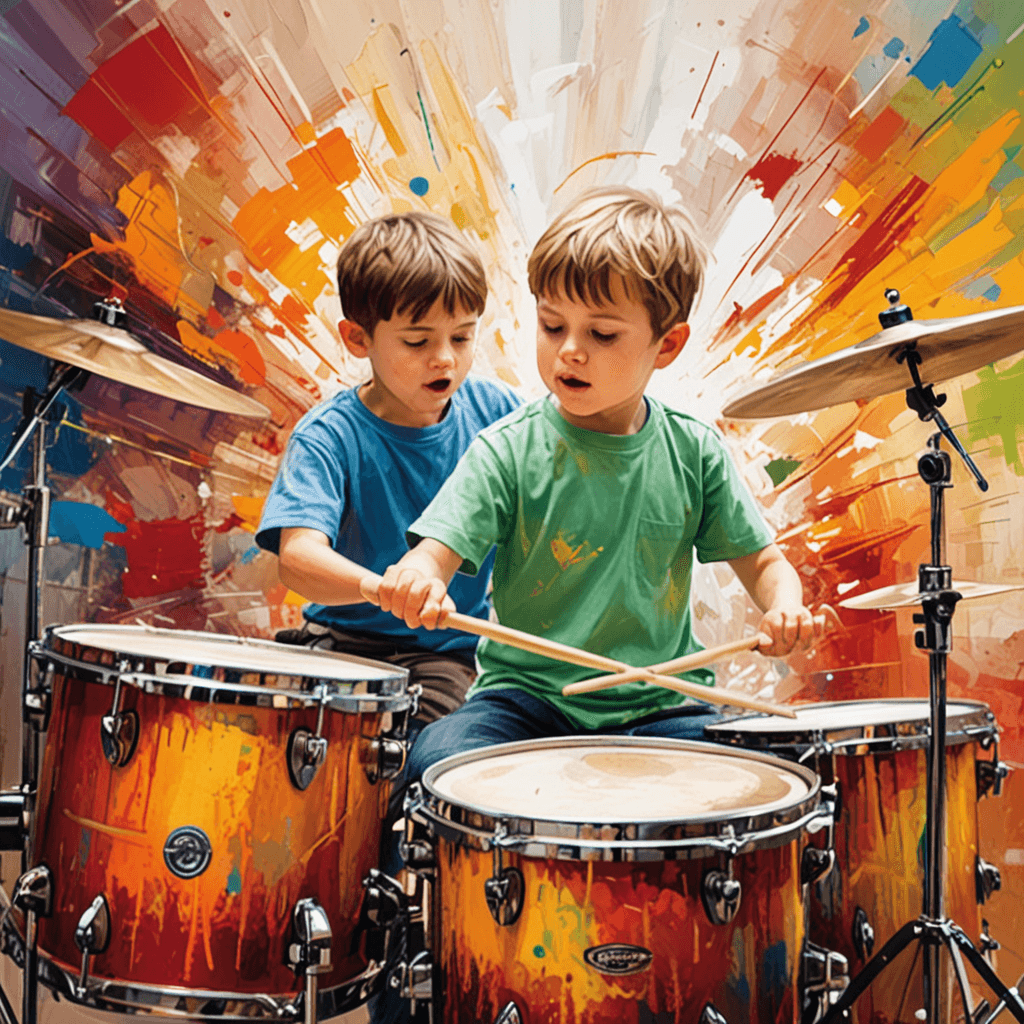
Drum Lessons for Children: Rhythm, Coordination, and Confidence
Table of Contents
The drums hold unique appeal for children—the physical nature of drumming, the rhythmic power, and the sheer energy of percussion draw young musicians naturally. If your child has shown interest in drum lessons in Etobicoke, you’re likely wondering about the benefits, challenges, and practical considerations of this dynamic instrument. Drum education offers remarkable advantages for children’s development, building physical coordination, mental focus, and personal confidence in ways that extend far beyond musical ability.
Understanding the Unique Benefits of Drum Lessons
Drums differ from melodic instruments in ways that create distinctive learning opportunities and developmental benefits. Understanding these unique advantages helps parents appreciate what drum education offers their children.
Physical Development and Coordination advance dramatically through drum study. Unlike instruments requiring primarily fine motor control, drums engage the entire body. Children develop independent limb coordination as each hand and foot performs different patterns simultaneously. This four-way independence challenges the brain and body in ways few other activities match.
The physical nature of drumming builds strength and endurance. Young drummers develop core stability, arm and leg strength, and stamina. The cardiovascular component of sustained drumming provides genuine physical exercise, making music practice a health-promoting activity.
Rhythm and Timing Mastery develop naturally through drum study. While all musicians must understand rhythm, drummers become the keepers of time. This responsibility develops internal sense of pulse and timing that serves musicians in any ensemble setting. The rhythmic foundation drummers build supports musical development on any instrument they might study later.
Focus and Concentration improve through the demands of drumming. Maintaining steady time while executing complex patterns requires sustained attention. Young drummers learn to filter distractions, stay present in the moment, and maintain awareness across extended periods. These concentration skills transfer directly to academic work and other activities requiring sustained focus.
Stress Relief and Emotional Regulation occur naturally through drumming’s physical nature. The act of hitting drums provides healthy outlets for excess energy and strong emotions. Many parents notice that children who drum regularly manage stress more effectively and seem calmer overall. This emotional benefit proves particularly valuable during challenging developmental periods.
Confidence Building happens powerfully through drum mastery. Drums occupy prominent positions in musical groups, making drummers visible and valued. As children develop drumming skills, they experience the satisfaction of holding ensembles together and keeping music moving forward. This responsibility and recognition build self-esteem and social confidence.
The Right Age to Start Drum Lessons
Parents frequently ask when children should begin drum instruction. While individual readiness varies, certain developmental markers indicate appropriate timing.
Most children can begin drum lessons between ages 6 and 8. At this age, they typically possess sufficient attention span for structured lessons, enough physical coordination to hold sticks properly, the cognitive ability to understand basic counting and patterns, and the physical stamina for sustained playing.
Physical Readiness involves several factors. Can your child hold drumsticks comfortably using proper grip? Can they reach pedals while sitting at a drum kit? Do they possess the core strength to maintain proper posture while playing? These practical considerations influence learning success significantly.
Unlike some instruments, drums accommodate various sizes relatively easily. Adjustable thrones, pedal extenders, and scaled drum sets allow even smaller children to play comfortably. However, extreme size differences can create challenges that delay effective learning.
Cognitive Readiness matters substantially for drumming. Your child should understand basic counting—at minimum, counting to four reliably. They should be able to recognize patterns and reproduce simple rhythms by ear or from notation. The ability to focus for 20-30 minutes without excessive distraction indicates sufficient attention span for effective lessons.
Interest and Motivation prove crucial for drummers particularly. Drum study requires persistence through initial coordination challenges and dedication to developing technical fundamentals before playing becomes truly enjoyable. Children need genuine interest to sustain effort through these initial hurdles.
Watch for positive indicators of readiness: Does your child naturally tap rhythms on tables or their legs? Do they respond physically to music, moving to beats? Do they show sustained interest in drums over weeks or months? These signs suggest readiness for formal instruction.
At Muzart Music and Art School near Cloverdale Mall, instructors assess each child’s readiness during trial lessons, ensuring students begin at appropriate times for their individual development.
What Children Learn in Drum Lessons
Comprehensive drum education develops multiple skill sets that create well-rounded percussionists capable of playing various styles and settings.
Technical Fundamentals form the foundation of all drumming. From first lessons, students learn proper stick grip and hand position, correct posture and throne height, basic stroke techniques and rebound control, and fundamental coordination patterns between hands and feet.
These fundamentals prevent bad habits that become difficult to correct later. Students who learn proper technique from the beginning progress more quickly and avoid physical strain or injury that poor technique creates.
Reading Drum Notation develops alongside physical skills. Young drummers learn to read drum notation and understand musical symbols, recognize different rhythmic values and time signatures, interpret tempo markings and dynamic indicators, and follow charts for structured songs.
This literacy transforms students from people who play drums to actual musicians who understand what they’re playing and can communicate with other musicians through universal notation.
Rudiments and Technique build progressively throughout drum education. Rudiments—fundamental stick patterns—form the vocabulary of drumming. Students learn single strokes, double strokes, paradiddles, flams, drags, and increasingly complex combinations. These patterns develop speed, precision, and coordination that enable advanced playing.
Musical Styles and Application expose students to diverse drumming approaches. They explore rock, jazz, funk, Latin, and other styles, learning how drumming serves different musical contexts. This stylistic breadth makes drummers versatile and employable in various musical settings.
Ensemble Playing Concepts prepare drummers for playing with others. They learn to listen actively to other instruments, adjust dynamics to serve the music, understand their role as timekeeper, and respond to musical changes and cues from other players.
These musical skills transform technical drummers into musical collaborators who enhance group music-making.
Addressing the Practice Challenge: Managing Noise at Home
The most common concern parents express about drum lessons involves practice noise. Unlike many instruments, drums cannot be muted easily or played quietly. However, several practical solutions allow effective home practice without disturbing neighbors or household members.
Electronic Drum Sets provide the most comprehensive solution for noise concerns. Modern electronic kits offer realistic feel and response while allowing volume control through headphones. Players experience authentic drumming while others hear nothing.
Quality electronic kits aren’t inexpensive, but they’ve become increasingly affordable. Many families find that the ability to practice anytime without noise complaints justifies the investment. Electronic sets also offer recording capabilities, metronome functions, and play-along tracks that enhance practice effectiveness.
Practice Pads offer affordable, portable alternatives for developing hand technique. These rubber pads mounted on stands allow drummers to practice stick control, rudiments, and hand patterns silently. While pads don’t replicate the full drumming experience, they effectively develop significant technical skills.
Many serious drummers maintain both acoustic and electronic practice options, using each for different purposes. Pads work well for focused technical practice, while electronic or acoustic kits allow full musical playing.
Creative Scheduling helps families manage acoustic drum practice. Establishing practice times when neighbors are typically out—after school before dinner, weekend afternoons—reduces conflict. Communication with neighbors about practice schedules often resolves potential issues before they arise.
Some families designate specific practice times and inform neighbors in advance. This consideration often generates goodwill and acceptance. Most neighbors accommodate reasonable practice schedules when approached respectfully.
Modified Acoustic Drums using mesh heads or dampening products reduce volume while maintaining authentic feel. These modifications allow acoustic practice at lower volumes, though they don’t approach the silence of electronic options.
Supporting Your Young Drummer’s Development
Parents play crucial roles in their child’s drumming success. While instructors provide expert guidance during lessons, home support determines progress rate and long-term commitment.
Equipment Decisions represent your first major consideration. For beginners, several options exist:
A full acoustic drum set provides authentic experience but requires space and noise management. Many families delay this purchase until confirming the child’s sustained interest and ability to practice regularly.
Electronic drum sets balance authenticity with practical considerations. They occupy less space than acoustic sets, allow silent practice, and cost less than quality acoustic setups in many cases.
Practice pads offer minimal investment for initial exploration. Children can develop basic technique while families assess commitment before purchasing complete sets.
Your instructor can recommend specific equipment based on your child’s size, skill level, budget, and home situation. Many music stores offer rental programs, allowing affordable exploration before major investments.
Creating Practice Routines proves essential for progress. Young drummers should practice 15-20 minutes daily initially, with duration increasing as stamina and skill develop. Consistency matters more than length—five days of 20-minute practice yields better results than one 2-hour marathon.
Establish regular practice times that become routine. When practice occurs at consistent times, it requires less negotiation and becomes habitual. Create a dedicated practice space with proper lighting, comfortable seating, and all necessary equipment easily accessible.
Providing Encouragement Through Frustration requires patience and perspective. Beginning drummers face unique challenges. Coordinating four limbs independently feels impossible initially. Maintaining steady time proves harder than it looks. Hand speed and control develop slowly.
During frustrating periods, remind your child of their progress. Record practice sessions periodically so they hear improvement. Celebrate milestones—first clean single strokes, first successful paradiddle, first complete song. These acknowledgments maintain motivation through challenging developmental phases.
Balancing Structure with Creative Expression keeps drumming enjoyable. While structured practice builds skills, allowing free play time maintains joy. Let your child experiment, make noise, and explore the instrument without assignments or judgment. This creative freedom prevents drumming from becoming purely academic and maintains intrinsic motivation.
The Investment in Drum Education
Understanding what drum lessons provide beyond basic playing ability helps parents appreciate their value.
At Muzart Music and Art School in Etobicoke, new students can experience drum instruction through a $35 trial lesson. This introduction allows children to try drums, meet an instructor, and determine fit before longer-term commitments.
The monthly program fee of $155 includes weekly 30-minute private lessons and all required method books and materials. This comprehensive approach means no surprise costs for books or supplies throughout the year.
When evaluating this investment, consider the comprehensive benefits drum education provides: physical development and coordination, cognitive growth and focus, emotional regulation and stress relief, confidence and social skills, discipline and time management, and lifelong musical ability and appreciation.
Many parents observe that the focus and discipline developed through regular drum practice transfers to homework, sports, and other responsibilities. The goal-setting inherent in musical progression builds growth mindset and resilience that serve children throughout their lives.
Drums in Musical Context: Ensemble and Performance
Understanding drums’ role in musical groups helps parents and students appreciate the instrument’s importance and the opportunities it creates.
The Timekeeper Role makes drummers essential to any ensemble. Bands rely on drummers to establish and maintain tempo, allowing other musicians to focus on melody and harmony. This responsibility proves both challenging and rewarding, placing drummers at the heart of musical groups.
Performance Opportunities abound for drummers. Most musical styles require percussion, making drummers consistently in demand. School bands, youth orchestras, rock groups, jazz ensembles—all need capable drummers. This demand creates social opportunities and performance experiences that build confidence and musicianship.
Visual Impact makes drumming particularly exciting in performance settings. Drummers’ physical, visible playing creates dynamic stage presence. This visibility appeals to many young musicians who enjoy being seen and appreciated for their contributions.
Collaborative Music-Making teaches drummers to listen, adapt, and serve the music rather than merely showcasing technique. These musical collaboration skills transfer to non-musical group settings, building teamwork and communication abilities.
Frequently Asked Questions About Children’s Drum Lessons
How loud will practice be at home?
Practice volume depends entirely on equipment choices. Electronic drum sets with headphones produce essentially no audible sound. Practice pads create minimal noise—roughly equivalent to someone typing on a keyboard. Acoustic drums without modification produce significant volume. However, mesh heads, dampening products, and low-volume cymbals reduce acoustic drum volume substantially while maintaining playability. Most families successfully manage practice noise through equipment selection and creative scheduling. Your instructor can recommend specific solutions based on your living situation.
Will drumming damage my child’s hearing?
Hearing protection is essential for acoustic drumming, especially in small practice spaces. Quality earplugs or drummer’s headphones reduce volume to safe levels while allowing musicians to hear themselves play. Electronic drums eliminate this concern entirely, as players control volume directly. Teaching proper hearing protection habits from the beginning establishes healthy practices that protect hearing throughout musical careers. Hearing damage results from prolonged exposure to excessive volume—with appropriate protection, drumming poses no greater risk than many common activities.
Can drummers read music like other musicians?
Yes, drummers read notation specific to percussion. While drum notation differs from melodic notation (using lines and spaces to indicate different drums rather than pitches), it employs the same rhythmic symbols and follows the same musical rules. Literate drummers can read charts, follow scores, and communicate with other musicians through universal musical language. Quality drum education emphasizes notation reading alongside technical development, creating well-rounded musicians rather than merely technical players.
What if we can’t afford a full drum set immediately?
Many families begin with practice pads while assessing their child’s commitment and interest. Practice pads develop fundamental technique effectively and cost a fraction of complete drum sets. As interest and commitment become clear, families can transition to electronic or acoustic sets. Some music stores offer rent-to-own programs for drum sets. Additionally, used electronic and acoustic drums often provide quality options at reduced cost. Your instructor can recommend appropriate equipment for current skill levels and budgets, ensuring students can practice effectively regardless of initial investment capacity.
How does drumming compare to other instruments for young children?
Drumming offers unique advantages. Its physical nature appeals to energetic children who struggle with instruments requiring stillness. The immediate gratification of making loud, satisfying sounds maintains motivation. However, drumming also presents unique challenges—coordinating four limbs independently proves difficult initially, and noise management requires practical solutions. The “best” instrument is always the one your child genuinely wants to play. Drumming’s physical, rhythmic nature suits certain personalities perfectly while others prefer melodic instruments. Following your child’s interests typically produces the best long-term results.
Will learning drums help with other instruments later?
Absolutely. The rhythmic foundation, musical literacy, and timing mastery that drumming develops transfer directly to any other instrument. Many accomplished musicians began with drums before adding melodic instruments. The rhythmic understanding drummers develop creates exceptionally tight timing when they play other instruments. Additionally, the discipline, practice habits, and musical concepts learned through drumming apply universally to all musical study. Some families find that children who start with drums develop such strong musical foundations that learning second instruments becomes remarkably easier.
Beginning Your Child’s Drumming Journey
If your child has expressed interest in drums, exploring lessons offers exciting possibilities for their development and enjoyment. The physical, cognitive, and emotional benefits drumming provides extend far beyond musical ability, supporting growth in numerous life areas.
The first step involves experiencing a trial lesson. This introduction allows your child to sit at drums, try sticks, and discover whether the instrument feels right. Parents observe teaching style, ask practical questions about practice solutions, and determine whether the program aligns with family goals and constraints.
The convenient location in Etobicoke near Cloverdale Mall makes weekly lessons practical for local families. Regular attendance allows systematic skill development, with each lesson building on previous learning while introducing new concepts and techniques.
Drum education offers children more than entertainment or skill development. It provides outlets for energy and emotion, builds physical coordination and mental focus, creates opportunities for creative expression, and develops discipline that serves them throughout life. Whether your child becomes a professional drummer or someone who plays recreationally, the capabilities and confidence developed through drum study enrich their entire lives.
Ready to explore drumming for your child? Book a $35 trial lesson to discover whether drum education suits your child’s interests and abilities. Have questions about equipment, noise management, or lesson structure? Request more information and we’ll help you make informed decisions about your child’s musical education.
Every drummer remembers their first beat, their first steady groove, their first moment of rhythmic connection. Your child’s drumming story can begin today, starting a journey that may last a lifetime and provide countless moments of joy, expression, and achievement. The rhythm awaits.