
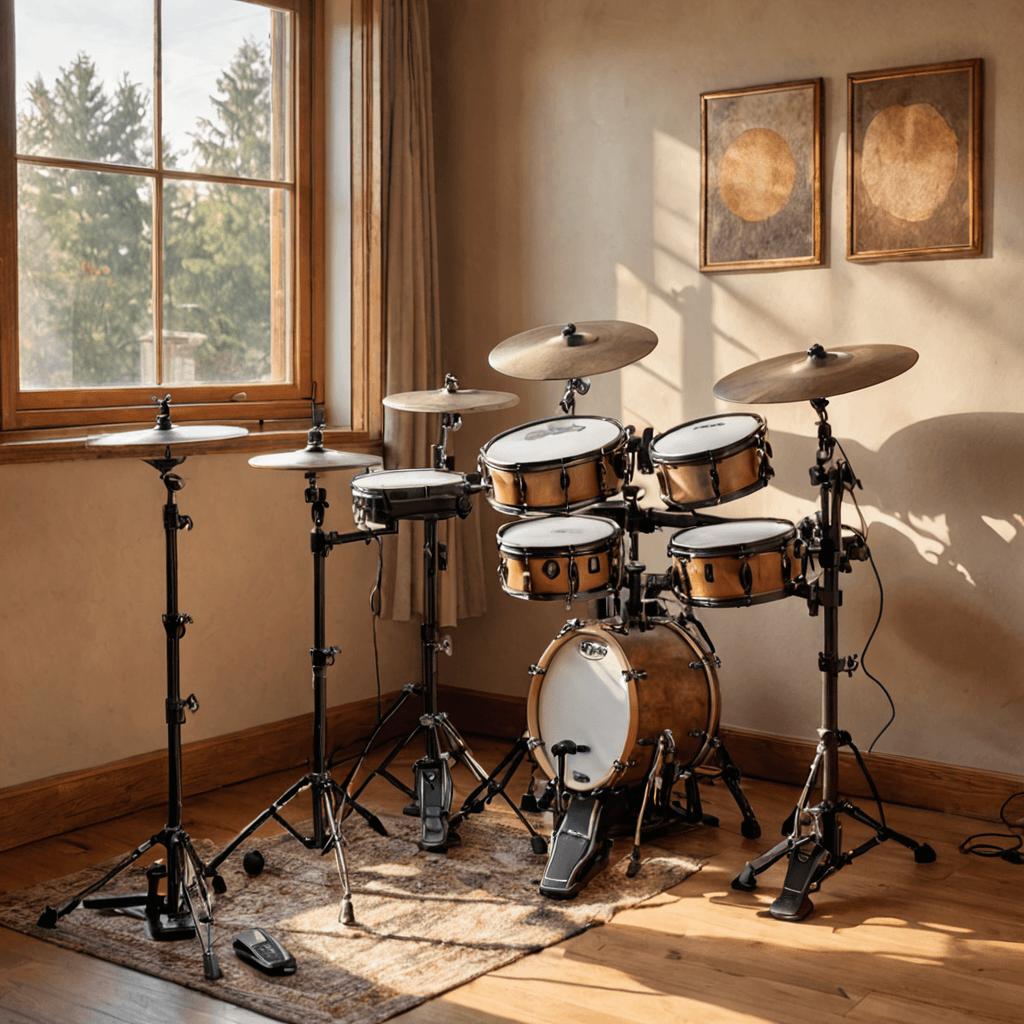
Electronic Drum Pads vs Acoustic Kits: What Etobicoke Drum Teachers Recommend
Table of Contents
One of the most common questions we field from parents of new drum students is about equipment. A child begins lessons, shows genuine interest after a few weeks, and suddenly the family is staring at a significant purchase decision: do we buy an electronic drum kit with pads, or do we invest in a proper acoustic set? The answer shapes practice habits for years, affects household peace significantly, and has meaningful implications for the student’s long-term development as a drummer.
At Muzart Music and Art School in Etobicoke near Cloverdale Mall, we have taught drums to hundreds of students ranging from six-year-olds starting their first lessons to adult learners returning to the instrument after decades. The advice we give on home equipment is shaped by what we actually see in lessons — students who progress smoothly versus students who hit preventable plateaus because of equipment mismatches. This guide lays out the genuine trade-offs between electronic and acoustic kits for home practice, and what experienced drum teachers consistently recommend for different family situations.
Understanding What Each Kit Actually Is
Before comparing the two, it helps to clarify what we mean by each. An acoustic drum kit is the traditional setup: wooden shells with drumheads stretched over them, cymbals made of bronze or brass, struck with sticks or mallets to produce sound through physical vibration. The sound is real, loud, and unmediated.
An electronic drum kit replaces most of those acoustic components with rubber or mesh pads containing sensors. When struck, the sensors send a signal to a brain module, which produces drum sounds through headphones or an amplifier. The player feels a physical impact, but the sound is electronically generated and controllable in volume.
Within the electronic category, there is further distinction. Entry-level kits use rubber pads that feel stiff and unresponsive compared to real drumheads. Mid-range and higher kits use mesh heads that feel much closer to an acoustic drumhead, with dual-zone sensors that distinguish between centre strikes and rim strikes. The differences between cheap and quality electronic kits are significant, and this matters for how we advise families.
The Noise Question Is Usually the Deciding Factor
For most Etobicoke families, the practical question is noise. Acoustic drums are loud — genuinely loud, not conversational loud. A student practicing basic rock patterns on an acoustic kit in a townhouse or semi-detached home will be heard by every neighbour and every family member. Practice becomes limited to specific hours, which in turn limits the total practice time a student can accumulate.
This is the single biggest factor pushing families toward electronic kits, and it is a legitimate one. A student who can practice for twenty minutes after dinner because the kit is quiet through headphones will progress faster than a student who can only practice for two hours on a Saturday afternoon because that is when the house is empty. Total practice time matters more than the acoustic purity of each practice session, especially in the first two to three years of lessons.
For students taking drum lessons in Etobicoke, we generally recommend electronic kits for any family living in a townhouse, semi-detached home, condo, or any situation where a full acoustic kit would create significant noise conflict. The loss in tactile realism is real, but the gain in practice consistency usually outweighs it.
What Electronic Kits Do Well
A good quality electronic kit gives a student most of what they need for the first three to five years of drumming. Mesh heads feel close enough to acoustic drumheads that technique translates. Dual-zone cymbal pads teach the distinction between bell, bow, and edge strikes that real cymbals produce. Built-in metronomes, recording functions, and play-along tracks accelerate learning in ways that acoustic setups cannot match.
Electronic kits also solve the volume control problem entirely. Students can practice at any hour. They can use headphones to isolate their own sound for focused technique work. They can record their playing for self-review and for sending to their teacher between lessons. These features sound minor individually but compound into significant learning advantages.
The practical threshold for a worthwhile electronic kit is around $800 to $1,200 for a new set from established brands. Below that threshold, the feel and responsiveness drop enough that the student develops habits they later have to unlearn. Used kits in good condition can be found below that price, and for families on tighter budgets, a used mid-range kit often outperforms a new entry-level one.
What Acoustic Kits Do Well
Acoustic kits teach things electronic kits cannot. The dynamic response of a real drumhead — the difference between a ghost note and a full strike — is more nuanced on acoustic heads than on any electronic sensor. Real cymbals respond to stick velocity, angle, and placement with a complexity that electronic cymbals approximate but do not fully replicate. Students who only practice on electronic kits sometimes arrive at band rehearsals and feel genuinely lost when they first sit behind an acoustic set.
For serious drum students — those who know they want to play in bands, pursue performance, or work toward advanced skill levels — acoustic practice time is essential. This does not mean they need an acoustic kit at home. Many of our most advanced students practice technique on electronic kits at home and get their acoustic time in lesson rooms or rehearsal spaces.
Acoustic kits are also significantly more affordable at the entry level. A decent beginner acoustic kit can be purchased new for around $500 to $700, and used kits in playable condition often sell for much less. This pricing sometimes catches parents off guard — they assume acoustic is the premium option, but the premium is actually in the electronic category for any kit worth owning.
The Hybrid Approach Most Teachers Recommend
The recommendation we most often make, and that other drum teachers in Etobicoke tend to converge on, is a two-phase approach. In the first phase, roughly the first year of lessons, the student practices on a practice pad and perhaps a snare drum or a very basic electronic setup. This keeps the initial investment minimal while the family confirms the student’s genuine interest.
In the second phase, after the student has demonstrated consistent engagement, the family invests in a quality electronic kit that will serve the student through the next several years. Acoustic time happens in lesson rooms, school music rooms, or rented rehearsal spaces. By the time the student reaches a level where owning an acoustic kit makes sense — usually several years in, and often connected to joining a band — they know what features matter to them.
This phased approach avoids the two most common equipment mistakes we see. The first is buying a cheap electronic kit too early, which creates a ceiling the student hits within months and then has to replace. The second is buying an acoustic kit too early, which generates household noise stress that can actually shorten the student’s drumming career as families grow tired of the volume.
When Age and Size Matter
For children under eight or nine, full-size kits — whether electronic or acoustic — often do not fit ergonomically. Junior kits exist in both categories, but for the youngest students, we often recommend beginning with a practice pad setup and very basic hardware until the child grows into a proper kit. This is one of the conversations we have during drum lesson trials, where we can see the student’s physical size relative to instruments and give specific equipment guidance.
Adult students generally have no sizing issues but sometimes underestimate how much a good kit matters for their progress. An adult beginner practicing on a poor electronic kit will plateau faster than a teenager on the same kit, because adult learners are more sensitive to technique feedback and benefit more from responsive equipment.
What We Include at Muzart
Our music lesson program provides kits and practice pads during lessons, so students have access to quality equipment regardless of what they own at home. Music trial lessons are $35, and the monthly program is $155 with all materials included. This means students can begin lessons before making any home equipment decision, and by the time the equipment question becomes pressing, they have several months of informed opinion about what they actually need.
For families still deciding, our drum teachers are genuinely happy to discuss equipment options during regular lessons. Our music lessons program covers all four instruments we teach (piano, guitar, drums, voice), and the drum equipment conversation is one we have with nearly every drumming family at some point.
Frequently Asked Questions
Will my child’s skills transfer between electronic and acoustic kits?
Mostly, yes. Core technique — grip, stroke mechanics, coordination, reading — transfers cleanly between the two. What does not transfer as cleanly is dynamic nuance and cymbal control, which require some adjustment time when moving to an acoustic kit after extended electronic practice. Students who occasionally play acoustic kits in lessons while practicing on electronic at home make this transition smoothly.
How much should we spend on a first electronic kit?
The practical floor for a worthwhile new electronic kit is around $800 to $1,200. Below that, the pad feel and sensor response tend to create habits students later unlearn. Used kits in good condition from established brands can be found for less and often represent better value than new entry-level kits. Our Etobicoke drum lessons include equipment guidance for families researching purchases.
Do we need to buy anything before starting lessons?
No. For the first few months, a pair of sticks and a practice pad are sufficient. We provide drum kits during lessons, so families can confirm the student’s interest and gather information before investing in a home setup. Many parents find this phase useful for making a better equipment decision once they understand what the student will actually use.
Is an acoustic kit ever a better first purchase than an electronic one?
Sometimes, yes. Families in detached homes with a dedicated basement or garage space, students who know they want to play in bands, and situations where budget favours acoustic all make the acoustic option reasonable. The noise question is the primary filter — if noise is a genuine non-issue, acoustic often wins on feel and long-term value.
What about drum practice pads as a replacement for a kit?
Practice pads are excellent supplements but limited replacements. They work well for stick technique, rudiments, and quiet practice, but they cannot teach coordination between limbs that full-kit playing requires. Most students benefit from practice pad work early on and then transition to a full kit as coordination-based lessons begin.
How do we know when our child is ready for a bigger investment?
The signal we look for is consistent practice habit over at least six months without parental reminders. A student who practices because they want to, who asks for extra lesson time, and who engages with drum content outside of lessons is demonstrating the kind of engagement that justifies a larger equipment investment.
Equipment choices matter, but lessons matter more. A student with a top-tier kit and inconsistent instruction will progress slower than a student with basic equipment and a skilled teacher who can guide their technique week by week. Book a drum trial lesson to let our teachers assess your child’s current level and provide equipment guidance specific to your family’s situation, or request more information about how our drum program is structured across beginner through advanced stages.