
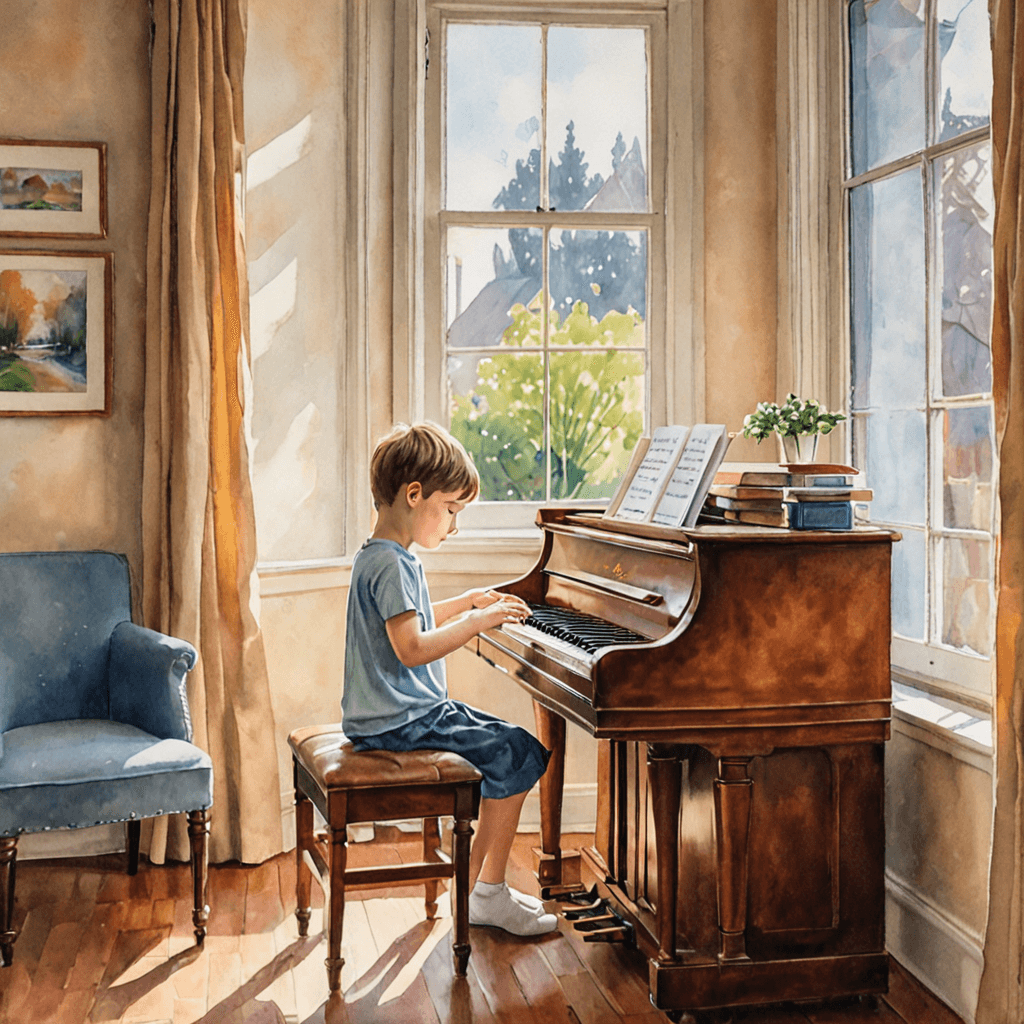
Piano Practice: Creating Effective Routines for Young Students
Table of Contents
The difference between students who progress steadily at piano and those who stagnate often has less to do with innate talent than with practice habits. Young pianists who develop consistent, focused practice routines advance dramatically faster than equally talented students who practice sporadically or ineffectively. However, creating these productive routines presents challenges for both children and parents—how do you structure practice time, maintain motivation, ensure quality over quantity, and balance piano practice with homework, activities, and childhood itself?
At Muzart Music & Art School in Etobicoke near Cloverdale Mall, we’ve worked with thousands of piano students and families to develop practice strategies that actually work in real-life contexts. Our piano lessons in Etobicoke include guidance not just for the hour students spend with their instructor each week, but for the crucial practice time between lessons where real skill development happens. This guide shares proven approaches for creating practice routines that make consistent progress achievable and sustainable.
Understanding Why Practice Routines Matter
Young children thrive on structure and predictability. When piano practice happens at roughly the same time each day in a consistent routine, it transforms from a negotiation or battle into simply “what we do” after school or before dinner. This routinization reduces resistance significantly—children expend less mental energy deciding whether to practice and more energy actually practicing.
Consistency matters more than duration, especially for beginning students. A child who practices 15 minutes daily, six days per week, will progress faster than one who practices an hour twice weekly. Regular, frequent practice allows the brain to consolidate learning between sessions, builds muscle memory effectively, maintains connection with material between lessons, and prevents the “relearning” that happens when too much time passes between practice sessions.
The quality of practice time matters as much as quantity. Unfocused practice where a child plays through pieces repeatedly without addressing mistakes doesn’t produce meaningful improvement. Effective practice involves focused attention on specific challenges, deliberate repetition of difficult sections, application of instructor feedback, and systematic work toward clear goals. Teaching children how to practice effectively is as important as teaching them to play piano.
Practice routines also build discipline and time management skills that transfer far beyond music. Children who learn to dedicate time to piano practice despite feeling unmotivated, to work through frustrating challenges, and to delay gratification by working toward long-term goals develop character traits that benefit every area of life. The structure and persistence required for consistent practice teach valuable life lessons alongside musical skills.
Age-Appropriate Practice Duration and Frequency
Practice expectations should align with children’s developmental capabilities and attention spans. Overly ambitious practice schedules create frustration and resistance, while insufficient practice prevents meaningful progress. Finding the appropriate balance requires considering the child’s age, experience level, and individual capacity for focused work.
For very young beginners (ages 5-7), practice sessions should be short but frequent. These students typically benefit from 10-15 minutes of focused practice, 5-6 days per week. Their attention spans don’t support longer sessions, and attempting extended practice often degenerates into unfocused repetition or resistance. Multiple short sessions throughout the day sometimes work better than one longer session for this age group.
Elementary-age students (ages 8-10) can handle slightly longer practice sessions as their attention spans develop. These students typically benefit from 20-30 minutes of practice, 5-6 days per week. The practice can be divided into segments if needed—perhaps 15 minutes in the morning before school and 15 minutes after dinner, rather than a continuous 30-minute block.
Older elementary and middle school students (ages 11-14) who’ve been playing for several years can sustain longer, more intensive practice. These students typically need 30-45 minutes daily to continue progressing, particularly if they’re working on more complex repertoire or preparing for RCM examinations. At this level, students can work more independently with less parental supervision during practice.
These durations represent starting points, not absolute rules. Individual children vary in focus capacity, and the same child’s optimal practice duration may fluctuate based on the difficulty of current repertoire, their interest level, and competing demands on their time. Our instructors at Muzart Music & Art School help families identify realistic, appropriate practice expectations for each student’s specific situation.
Structuring Effective Practice Sessions
Random practice that simply involves “playing through pieces” rarely produces optimal improvement. Structured practice that systematically addresses different skill areas and challenges produces far better results in the same time investment. Teaching children a consistent practice structure helps them use their time effectively even when practicing independently.
A balanced practice session for young pianists typically includes several components. Technical exercises like scales, arpeggios, or finger exercises (5-10 minutes) warm up the hands and develop fundamental technique. Review pieces—previously learned songs played for maintenance and enjoyment (5-10 minutes)—build repertoire and confidence. Current repertoire work where students spend the majority of practice time on pieces they’re actively learning (15-25 minutes) represents the core of practice. Sight-reading—playing new, simple music to develop reading skills (5 minutes)—builds an essential skill for advancing pianists.
This structure need not be rigid or identical every day, but including elements of each category ensures comprehensive skill development. Some practice sessions might emphasize technique, others sight-reading, depending on what the student most needs that day or what their instructor has prioritized.
Breaking difficult passages into manageable segments is crucial for effective practice. When students encounter challenging sections, they should isolate those measures, practice them separately and slowly, gradually increase speed as accuracy improves, and then reintegrate the section into the broader piece. This targeted approach produces faster improvement than repeatedly playing through the entire piece, stumbling over the same difficult section each time.
Slow practice is one of the most valuable—and most resisted—practice techniques. Children naturally want to play pieces at performance tempo, but slow, careful practice where every note is deliberate and accurate builds better technique and musical understanding than fast, sloppy playing. Teaching children to value slow practice requires instructor emphasis and parent reinforcement.
Creating the Right Practice Environment
The physical and psychological environment significantly influences practice effectiveness. Children practice better when their environment supports focus, comfort, and positive associations with piano rather than creating distractions or negative emotions.
The practice space should be relatively quiet and free from obvious distractions. While complete silence isn’t necessary (and isn’t realistic in most homes), turning off televisions, putting away phones and tablets, and minimizing sibling interruptions during practice time helps students focus. Some families designate practice time as “quiet time” for the whole household, reducing resentment about practicing while siblings play loudly.
Proper piano setup matters more than many families realize. Children should sit at the correct height where their forearms are roughly parallel to the floor when hands are on the keys, with feet flat on the floor or on a footstool if they don’t reach. Poor posture or incorrect positioning creates tension, makes playing more difficult, and can lead to injury over time. Adjustable piano benches or footstools are worthwhile investments for growing children.
Lighting should be adequate for reading music without eye strain. Insufficient light forces children to lean forward, disrupting posture, and makes reading music unnecessarily difficult. A good piano lamp or ensuring the piano is positioned near natural light improves the practice experience noticeably.
Music organization—keeping current repertoire, method books, and materials organized and easily accessible—prevents practice time from being wasted searching for music. A simple system like a folder for “current pieces” that stays at the piano reduces friction and keeps practice sessions focused on actual playing rather than logistics.
The psychological atmosphere matters as much as physical setup. Practice should feel like a regular, accepted part of the daily routine rather than a punishment or battle. Families where piano practice is treated matter-of-factly, without excessive praise for completing practice or negative consequences for resistance, often find that children develop healthier, more sustainable practice habits.
Motivation Strategies That Actually Work
Maintaining motivation through the inevitable plateaus, frustrations, and competing interests that arise during years of piano study requires thoughtful strategies that go beyond simple rewards or consequences.
Intrinsic motivation—practicing because the student enjoys it and values their musical development—is more sustainable than extrinsic motivation like rewards or threats. Building intrinsic motivation involves helping children connect with music emotionally by choosing pieces they love, emphasizing expression and musicality alongside technical accuracy, and providing opportunities to play for enjoyment (not just drilling difficult sections). Students who love the music they’re playing practice more willingly than those working solely on technically appropriate but emotionally unengaging repertoire.
Goal-setting provides direction and purpose for practice. Goals might be short-term (master this tricky measure by tomorrow’s practice session) or longer-term (perform this piece at the spring recital). The key is making goals specific, achievable, and student-owned rather than parent-imposed. When children participate in setting their practice goals, they invest more energy in achieving them.
Progress tracking helps children recognize improvement that might feel invisible day-to-day. Simple strategies like recording practice sessions periodically and comparing recordings weeks apart, marking difficult passages and celebrating when they become easy, or keeping practice logs that show consistent effort help students see that their work produces results. This visible progress reinforces motivation.
Variety in practice content prevents boredom and keeps students engaged. While structure and routine are valuable, incorporating different activities—improvisation one day, duets with a parent another, composition exercises, or exploration of different musical styles—makes practice more interesting. Our instructors at Muzart Music & Art School incorporate diverse activities into assignments, ensuring students have varied practice content rather than purely repetitive drilling.
Performance opportunities, whether formal recitals or informal playing for family, give practice purpose beyond abstract improvement. When students work toward sharing specific pieces with an audience, their practice gains focus and urgency. Even reluctant practicers often increase their effort when a performance deadline approaches, and the satisfaction of successful performance reinforces their motivation for future work.
The Parent’s Role in Practice
Parents significantly influence children’s practice habits and attitudes toward piano, but finding the right level and type of involvement challenges many families. Too much parental involvement can create tension and undermine student independence; too little leaves young children floundering without necessary support and structure.
For young beginners, parent presence during practice is often necessary and beneficial. Very young children need help remembering practice instructions, staying focused on tasks, and reading practice assignments. Parents serve as home partners for the instructor, reinforcing proper technique and ensuring practice time is productive rather than the child simply playing random notes at the piano.
As children mature and develop independent practice skills (typically by ages 9-11), parents should gradually transition from active participant to supportive supervisor. This might mean being in the next room rather than sitting beside the child, checking in at the beginning and end of practice rather than monitoring continuously, and asking questions about practice goals rather than directing every activity. This gradual independence transfer prepares students for the self-directed practice required for advanced playing.
Avoid becoming the “practice police” who nags, threatens, or battles with children about practicing. This dynamic creates negative associations with piano and breeds resentment. Instead, position yourself as the supporter and facilitator who helps maintain the routine, celebrates progress, and problem-solves obstacles. Frame practice as the child’s responsibility that you help them fulfill rather than your responsibility to force upon them.
Communication with the instructor about practice challenges helps everyone work together effectively. If practice routines aren’t working, if the child seems frustrated with assigned material, or if motivation is flagging, let the instructor know. Instructors can adjust assignments, suggest new motivation strategies, or address technical issues that might be creating practice frustration. The instructor-parent-student triangle works best when all three communicate openly.
Modeling your own discipline and persistence in other areas shows children that sustained effort toward long-term goals is a life skill, not just a piano requirement. When children see parents working consistently toward fitness goals, professional development, or hobbies, they internalize that dedicated practice is how adults approach any skill worth developing.
Troubleshooting Common Practice Problems
Even with good routines and strategies, practice problems arise. Recognizing and addressing these challenges prevents them from derailing progress.
When children resist practice despite a established routine, investigate underlying causes. Is the material too difficult, creating frustration? Too easy, causing boredom? Are there technical issues making playing physically uncomfortable? Is the child overwhelmed by competing demands on their time? Understanding the root cause allows targeted solutions rather than simply forcing compliance.
Plateaus where progress seems to stall frustrate students and parents alike. These are normal in musical development—periods of consolidation before the next growth spurt. During plateaus, emphasize process over results, introduce new musical activities to maintain interest, ensure technical foundations are solid before advancing, and trust that continued consistent practice will eventually produce breakthroughs. Our instructors help students and families recognize that plateaus are part of learning, not signs of failure.
Practice quality declining despite adequate time investment signals that practice habits need refinement. Students might be engaging in “mindless repetition” rather than focused practice, avoiding difficult sections rather than isolating and addressing them, or practicing too fast without adequate accuracy. Instructor guidance on effective practice techniques and parent monitoring of practice quality (not just duration) addresses these issues.
Scheduling conflicts with activities, homework, or family commitments sometimes make consistent practice difficult. Rather than abandoning practice entirely during busy periods, adjust expectations realistically. Even 10 minutes daily during competition season or exam week maintains connection with the instrument and prevents major regression. Return to normal practice duration when schedules permit.
Long-Term Sustainability
Building piano skills is a multi-year journey requiring sustainable approaches that prevent burnout while maintaining progress. Short-term motivation tactics eventually exhaust their effectiveness; sustainable practice habits must be intrinsically rewarding and appropriately balanced with the rest of life.
Taking breaks during school vacations or after major performance milestones prevents burnout while maintaining skills. A week or two away from the piano often refreshes students and renews enthusiasm. Complete breaks from practice (not just lessons) are appropriate occasionally, though very long breaks result in significant skill regression requiring relearning.
Adjusting practice expectations based on life circumstances—busier schedules during some seasons, more available time during others—creates flexibility that prevents all-or-nothing thinking. Piano practice doesn’t need to be identical every week of the year to be effective. Students can practice more intensively when preparing for exams or recitals and maintain with lighter practice during demanding academic periods.
Reconnecting with musical joy prevents piano from becoming purely a discipline or obligation. Regular opportunities to play music purely for enjoyment, explore pieces outside formal study, improvise or compose, and play with others remind students why they started piano in the first place. When piano becomes joyless obligation, reconsidering approach and priorities prevents complete abandonment of musical study.
Support for Developing Strong Practice Habits
At Muzart Music & Art School, we recognize that practice guidance is as important as lesson instruction. Our monthly program ($155 including all lesson books) includes comprehensive support for developing effective practice habits. Instructors provide clear, specific practice assignments, teach students how to practice (not just what to practice), and work with families to troubleshoot practice challenges.
The $35 trial lesson provides opportunity to discuss not just whether piano is right for your child, but whether your family can realistically support the practice commitment required for progress. We’d rather have honest conversations upfront about practice expectations than set families up for frustration by underestimating the time investment needed.
Our instructors understand that practice challenges are normal, not signs of failure or lack of talent. We work with students and families through motivation valleys, routine disruptions, and the inevitable frustrations of learning a complex instrument. The goal isn’t perfection but sustainable progress built on consistent, thoughtful practice.
Ready to start building strong piano practice habits? Book a trial lesson to experience our teaching approach and discuss creating practice routines that work for your family’s specific situation. Strong practice habits developed early create foundations for lifelong musical enjoyment and achievement. Request more information about our piano program and discover how Muzart Music & Art School supports students in developing not just piano skills, but the practice discipline that makes continued growth possible.
Frequently Asked Questions
What should I do when my child refuses to practice despite having a routine established?
First, investigate why they’re resisting rather than simply forcing compliance. Common underlying causes include material that’s too difficult (creating frustration), too easy (causing boredom), technical issues making playing uncomfortable, or feeling overwhelmed by other commitments. Talk with your child about what specifically makes practice unpleasant, then address those issues. Sometimes taking a break for a day or two and returning with adjusted expectations helps reset attitudes. Communicate with the instructor about ongoing resistance—they can adjust repertoire, suggest new motivation approaches, or identify technical issues requiring attention. Persistent resistance despite good-faith problem-solving might indicate piano isn’t the right activity for this particular child at this time, and that’s information worth having rather than forcing continued participation that breeds resentment.
How can I help my child practice when I don’t play piano myself and can’t identify mistakes?
You don’t need to be a pianist to support effective practice. Your role as a non-playing parent is to help maintain routines and schedules, ensure your child follows the instructor’s practice assignment, listen for whether the child is working on assigned material or just playing randomly, and provide encouragement and emotional support. Many parents find it helpful to attend lessons occasionally so they understand what the instructor is teaching and what to listen for. The instructor should provide clear practice instructions that both student and parent understand. You can also use recordings—ask your child to record their practice and listen together, discussing what sounds good and what might need more work, without needing technical expertise to recognize improvement or continued challenges.
Is it better to practice the same amount every day, or can we do longer sessions fewer days per week?
Daily practice (or at least 5-6 days per week) produces better results than longer sessions fewer days per week, even if total weekly time is equal. The brain consolidates learning during sleep between practice sessions, so daily practice provides more consolidation opportunities. Additionally, daily short sessions maintain connection with material, preventing the “relearning” that happens when several days pass between practice. Muscle memory also develops more effectively with frequent repetition. That said, if your family’s schedule genuinely makes daily practice impossible, practicing three times weekly is still more beneficial than not practicing at all. Just recognize that progress will be slower than with more frequent practice, and adjust expectations accordingly.
My child practices the required time but doesn’t seem to improve. What’s wrong?
Time alone doesn’t guarantee improvement—practice quality matters as much as duration. Your child might be engaging in “mindless repetition” where they play through pieces repeatedly without actually addressing mistakes or difficult sections. Effective practice requires focused attention on specific challenges, slow and careful repetition of difficult passages, and systematic work on problems identified by the instructor. Ask your child to explain what they’re working on during practice and how they’re addressing challenges. If they can’t articulate specific goals or strategies, they’re probably practicing ineffectively. The instructor should teach not just what to practice but how to practice. Discuss this concern with them so they can work with your child on effective practice techniques like isolating difficult measures, using slow practice, and focusing on specific technical challenges.
Should piano practice take priority over homework and other activities, or vice versa?
This depends on your family’s values and your child’s level of commitment to piano. For students casually exploring music, piano practice reasonably takes lower priority than homework and academic commitments. For students seriously pursuing music (particularly those preparing for examinations or performances), practice might warrant higher priority. Most families find that establishing “non-negotiable” practice days and times—perhaps 15 minutes after school before other activities, or 20 minutes after dinner before free time—allows piano to coexist with other commitments rather than constantly competing for time. On particularly demanding days with major homework projects or important activities, reduced practice (even just 10 minutes of scales) maintains connection without unrealistic expectations. Communicate with your child about priorities and model healthy balance rather than positioning activities in constant competition.