
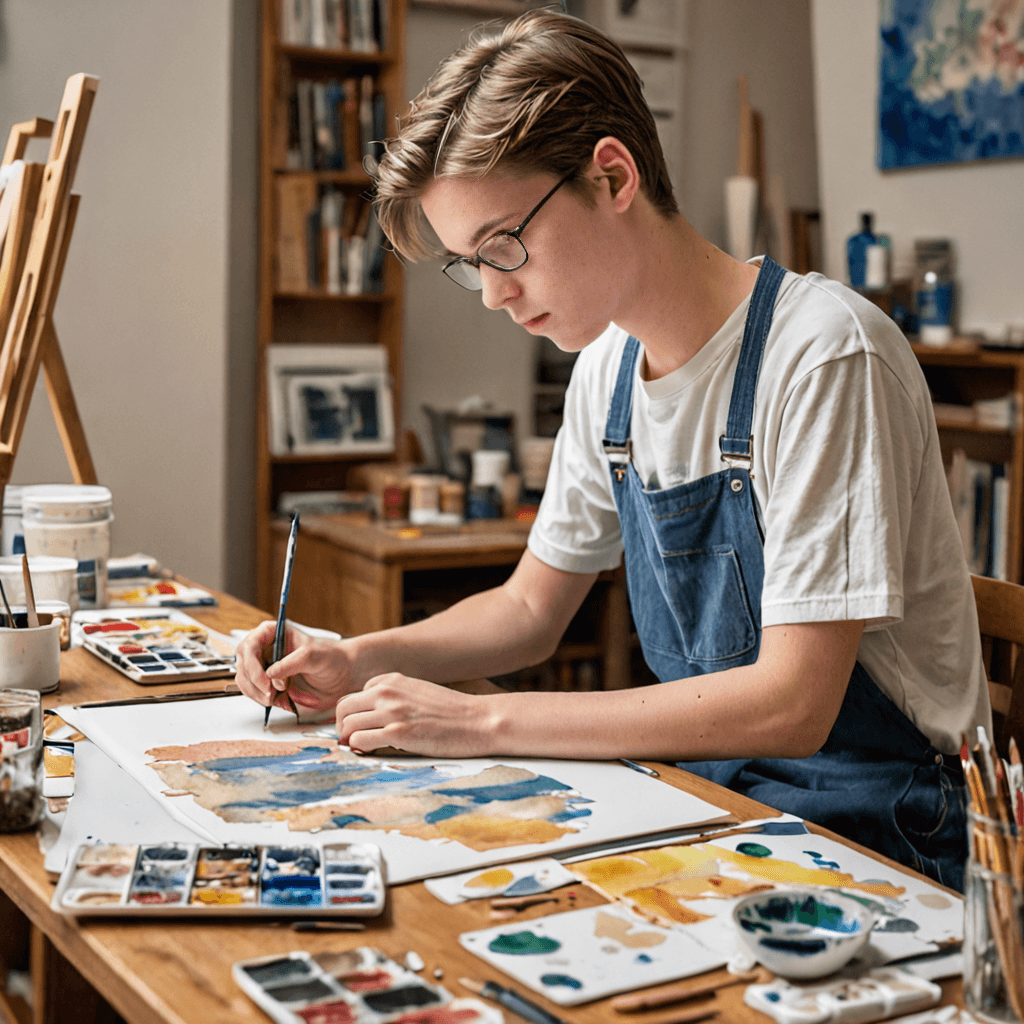
Portfolio Preparation in Etobicoke: Starting Strong for Art School Success
Table of Contents
For high school students planning to apply to art programs at OCAD University, York University, Sheridan College, or other competitive institutions, January represents a critical moment in portfolio development. Application deadlines arrive faster than students anticipate, and the difference between starting portfolio preparation now versus waiting another month could determine admission outcomes. At Muzart Music and Art School, located near Cloverdale Mall in Etobicoke, our portfolio preparation program provides the structured instruction, professional feedback, and strategic guidance students need to create competitive art school applications.
The January enrollment period creates urgency because serious applicants are securing instruction time now for the year ahead. Students applying to art programs in 2026-2027 need comprehensive portfolios by late 2026 or early 2027—which means they need to begin developing work immediately. Our one-hour private lessons, priced at $310 monthly, provide intensive, focused instruction that accelerates portfolio development far beyond what group classes or self-directed work can achieve.
Why Starting Portfolio Preparation Early Changes Everything
Art school portfolios require 10-20 finished pieces (depending on the institution) that demonstrate technical skill, creative thinking, and artistic development. Creating this body of work while maintaining academic coursework, extracurriculars, and other responsibilities demands careful time management and sustained effort over months, not weeks.
Students who begin portfolio preparation in January 2026 have a full year to develop work for winter 2027 applications—or even longer for those applying in subsequent years. This timeline allows for experimentation, revision, and the development of genuinely strong pieces rather than rushed work created under deadline pressure. Art schools recognize rushed portfolios immediately, and they rarely result in admission to competitive programs.
The early start provides another crucial advantage: time to develop artistic voice. Admissions committees don’t want to see generic still life drawings and landscape paintings—they want to see work that reveals individual perspective, creative thinking, and personal artistic development. Discovering and refining this authentic voice requires exploration, which requires time. Students who start private art lessons in January have months to experiment with different media, subjects, and approaches before selecting their strongest work for portfolio inclusion.
Starting now also allows for professional feedback cycles that significantly strengthen finished work. Our instructors review portfolio pieces at multiple stages, providing critique and suggestions for improvement. Students revise, refine, and sometimes completely recreate pieces based on this feedback. This iterative process produces dramatically better results than single-draft work, but it requires time that students who start late simply don’t have.
What Makes Portfolio Preparation Different from Regular Art Classes
Portfolio preparation requires different instruction than recreational art classes or general art education. The goal isn’t simply learning techniques or exploring creativity—it’s creating specific pieces that meet art school requirements and demonstrate capabilities that admissions committees evaluate. This focused, goal-oriented approach requires specialized instruction from educators who understand current art school expectations.
Our art lessons in Etobicoke for portfolio preparation begin with assessment of your current skill level and goals. What programs interest you? What are their specific portfolio requirements? What media do you currently work in, and what techniques need development? This initial assessment creates the foundation for customized curriculum designed specifically for your needs rather than following a generic syllabus.
The one-hour lesson format provides time for substantial work and detailed feedback within each session. Unlike 30-minute lessons that might cover only one concept or technique, hour-long sessions allow for demonstration, guided practice, independent work, and comprehensive critique all within a single lesson. Students leave each session with clear direction for home practice and specific goals for their next portfolio piece.
The $70 trial lesson gives prospective students and families the opportunity to experience this intensive instruction firsthand. You’ll work directly with the instructor who would guide your entire portfolio development, see examples of successful portfolios from past students, and receive honest assessment of your current abilities and the timeline needed to develop a competitive application. This transparency ensures you make informed decisions about your art school preparation.
All materials for one-hour portfolio lessons are included in the $310 monthly program. You don’t need to purchase canvases, paints, specialty papers, or other supplies—everything needed for portfolio development is provided. This all-inclusive approach eliminates the financial uncertainty that often accompanies portfolio preparation and ensures you work with professional-grade materials that produce portfolio-quality results.
Understanding Art School Portfolio Requirements
Different institutions have varying portfolio requirements, but common elements appear across most competitive programs. Most require 10-20 pieces demonstrating technical skill across multiple media. They want to see observational drawing (still life, figure, landscape from life), evidence of creative thinking and concept development, and work that reveals personal artistic voice and interests.
OCAD University typically requires 10-15 pieces plus a written statement. York University’s programs want similar numbers with specific requirements varying by program. Sheridan College’s illustration and animation programs have particularly rigorous portfolio standards with emphasis on observational drawing and storytelling ability. Ontario College of Art and Design programs emphasize concept development and creative problem-solving alongside technical execution.
Beyond these general requirements, each institution values different qualities. Some prioritize technical mastery, others emphasize conceptual innovation, and many seek balance between both. Understanding these institutional preferences allows for strategic portfolio development that aligns work with specific program values. Our instructors stay current on admission trends and requirements at Toronto-area art schools, providing guidance that reflects actual admission committee priorities.
The portfolio submission process itself requires attention. Most schools now accept digital submissions requiring high-quality photography or scanning of physical work. Three-dimensional pieces need documentation from multiple angles. The presentation quality—image resolution, color accuracy, professional framing—matters significantly. We guide students through not just creating strong work but presenting it professionally in applications.
What Students Accomplish in Portfolio Preparation Lessons
The first lessons establish foundation skills if gaps exist. Many students arrive with some artistic ability but uneven skill development—perhaps strong in painting but weak in drawing, or comfortable with realistic work but inexperienced with conceptual projects. We address these gaps systematically, ensuring comprehensive skill development rather than relying solely on existing strengths.
Observational drawing receives significant attention early in portfolio preparation. The ability to draw accurately from observation demonstrates visual analysis skills that art schools highly value. Students work from still life setups, develop figure drawing abilities (when appropriate), and learn to capture spatial relationships, proportions, and value structures convincingly. These technical drawing skills provide the foundation for all other artistic work.
As technical abilities develop, lessons shift toward portfolio piece creation. Students begin finished works intended specifically for portfolio inclusion. Each piece moves through stages: conceptual development, compositional planning, material selection, initial execution, revision based on critique, and final refinement. This professional workflow produces dramatically stronger results than the single-draft approach most students use in school art classes.
The conceptual development component distinguishes portfolio preparation from technical instruction. Art schools want students who think creatively and develop meaningful concepts, not just reproduce what they see. Lessons include ideation exercises, research into artists and movements, and strategies for developing personal artistic interests into substantial body of work. Students learn to articulate concepts verbally and visually—skills essential for artist statements and portfolio defense.
Within several months, students typically have 3-5 completed portfolio pieces they’re genuinely proud of—work that represents their best abilities and strongest creative thinking. By the 6-8 month mark, substantial progress toward complete portfolios becomes evident. Students who maintain consistent lesson attendance and complete assigned work between sessions develop competitive portfolios within the year timeline most require. Book your trial lesson to begin this transformative development process.
The Reality of Art School Admission Competition
Understanding the competitive landscape helps students approach portfolio preparation with appropriate seriousness. Programs at OCAD University, particularly popular majors like illustration and graphic design, receive hundreds of applications for limited spots. York’s art programs similarly attract far more qualified applicants than they can accept. Sheridan’s illustration and animation programs are among the most competitive in Canada.
This competition means adequate portfolios don’t secure admission—portfolios must stand out. The difference between admission and rejection often comes down to portfolio quality and how effectively work demonstrates the specific qualities each program values. Students who receive professional instruction and develop portfolios strategically have significant advantages over those creating work independently or with only high school art class experience.
The investment in portfolio preparation often determines educational and career trajectories. Students admitted to competitive art programs gain access to facilities, instruction, and professional networks that launch creative careers. Those who don’t gain admission often settle for less competitive programs or abandon art school plans entirely. The relatively modest investment in professional portfolio instruction—$310 monthly for one-hour lessons—provides enormous return on investment when it enables admission to desired programs.
Taking Action This January: Beginning Your Portfolio Journey
This week represents prime time to begin portfolio preparation for upcoming application cycles. Students starting now have optimal timelines for developing competitive portfolios without deadline pressure. Those who wait until spring or summer compress their development timeline significantly and often create rushed work that doesn’t reflect their true capabilities.
Securing your spot in our portfolio preparation program requires immediate action. Our portfolio preparation schedule accommodates limited students due to the intensive nature of one-hour private instruction. The spots available this January represent your best opportunity for optimal timeline development. Students who wait often find themselves on waiting lists or starting later than ideal for their application timeline.
The trial lesson booking process provides low-risk opportunity to explore whether professional portfolio preparation serves your needs. The $70 trial includes a full hour of instruction, portfolio review (if you have existing work), discussion of your goals and timeline, and honest assessment of what developing a competitive portfolio requires. You’ll leave with clear understanding of the commitment needed and whether our program aligns with your objectives.
For students who enroll in the ongoing program, lessons begin immediately. We don’t delay start dates or require waiting periods—students who commit this week can schedule their first regular lesson within days. The comprehensive $310 monthly program includes all materials, so you can begin developing portfolio work immediately without additional supply purchases.
Don’t let this critical January enrollment period pass without exploring professional portfolio preparation. The difference between independent portfolio development and guided professional instruction often determines admission outcomes. The investment in proper preparation provides returns that extend throughout your entire educational and professional life. Contact us today to schedule your trial lesson and begin your journey toward art school success.
Frequently Asked Questions About Portfolio Preparation
When should I start preparing my art school portfolio?
Ideally, students begin serious portfolio preparation 12-18 months before application deadlines. For winter 2027 applications (submitted fall/winter 2026), starting now in January 2026 provides optimal timeline. This allows a full year for skill development, piece creation, revision, and portfolio refinement without deadline pressure. Students applying for fall 2027 entry (submitting winter/spring 2027) have even more time to develop exceptional work. Starting early doesn’t mean students must complete portfolios immediately—it means they develop work thoughtfully and strategically rather than rushing pieces at the last minute. Some exceptionally skilled students might develop competitive portfolios in 6-8 months, but most benefit from the full year-plus timeline. The $310 monthly program provides flexible, month-to-month enrollment that adapts to your specific timeline needs.
How many pieces do I need in my portfolio?
Requirements vary by institution, but most competitive art programs in Ontario require 10-20 finished pieces. OCAD University typically requests 10-15 pieces across multiple media demonstrating technical skill and creative thinking. York University programs have similar requirements with some variation by specific program. Sheridan College’s competitive programs often want toward the higher end of this range, particularly for illustration and animation. Beyond minimum numbers, quality matters more than quantity—12 exceptional pieces create stronger applications than 20 mediocre ones. Our instructors help you determine the optimal number for your target programs and ensure you develop sufficient high-quality work to create competitive applications. During portfolio preparation, students typically create more pieces than they’ll ultimately submit, allowing for selection of only the strongest work.
Can I use work I created in high school art class?
You can include school art work if it’s truly portfolio-quality, but most high school art projects don’t meet competitive program standards. School assignments often have constraints (limited time, specific requirements, classroom materials) that prevent students from producing their best work. Additionally, art school portfolios should demonstrate current abilities—including work from grade 9 or 10 when you’re now in grade 12 may suggest limited recent development. That said, if you’ve created exceptional pieces in school art classes that demonstrate strong technique and creative thinking, they may warrant portfolio inclusion. Our instructors review any existing work during trial lessons and provide honest assessment of whether pieces strengthen applications or should be replaced with new work. Portfolio preparation often involves recreating or expanding on successful school projects with better materials, more time, and professional guidance to bring them to truly competitive levels.
What if I’m not sure which art program I want to apply to?
Portfolio preparation can begin before you’ve finalized program choices. The foundation skills developed—observational drawing, technical proficiency across media, conceptual development—apply across all art programs. As lessons progress and you explore different media and approaches, you’ll often discover which areas of art practice interest you most, helping clarify program preferences. Our instructors discuss different program focuses and help you understand which might align with your interests and abilities. Some students begin portfolio preparation targeting illustration but discover passion for fine arts, or vice versa. This exploration process is valuable and informs both portfolio development and program selection. The private lesson format allows curriculum customization as your interests and goals clarify. You don’t need every decision finalized before beginning—in fact, portfolio preparation often helps students make informed program choices.
How much does portfolio preparation cost compared to other application expenses?
The $310 monthly investment for one-hour lessons with all materials included is substantial but represents relatively modest cost within overall art school application and attendance expenses. Consider that art school tuition at OCAD University or York University exceeds $7,000-8,000 annually, and four-year degrees cost $30,000+ before living expenses. Portfolio preparation that secures admission to desired programs provides enormous return on investment compared to the alternative of not gaining admission or settling for less competitive programs. Additionally, the skills developed during portfolio preparation provide foundation for art school success—students arrive with strong technical abilities and professional work habits that serve them throughout their programs. Many families find that investing in portfolio preparation proves far more cost-effective than additional application rounds or remedial work needed after inadequate initial preparation. The month-to-month program structure provides flexibility—you’re not locked into multi-year contracts but can continue as long as serves your needs.
Do I need to have my own art supplies for home practice?
All materials for use during lessons are included in the $310 monthly program. However, completing portfolio-quality work typically requires practice and development between lessons. We recommend students have basic supplies at home for ongoing work—drawing pencils, sketch paper, and other fundamental materials. These basic supplies cost significantly less than the professional-grade materials provided during lessons. As specific portfolio pieces develop, you might want to continue certain works at home, and we provide guidance on materials to purchase for this purpose. Many students find that the combination of professional materials during lessons and basic materials for home practice provides optimal balance between quality and cost. We never require students to purchase expensive supplies independently—the lesson materials alone suffice for portfolio development, though home practice accelerates progress considerably.