
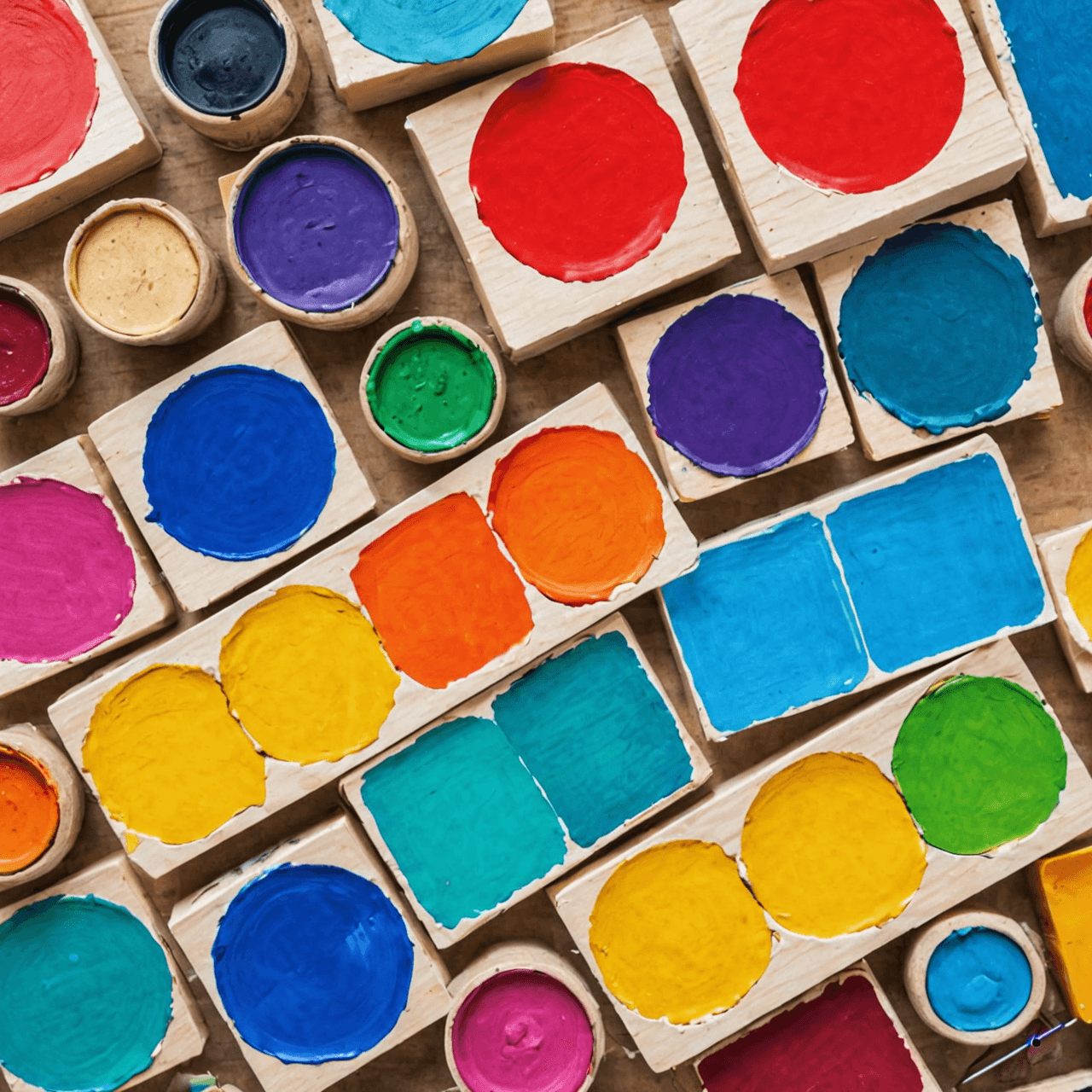
Printmaking Projects for Children: Creative Art Techniques
Table of Contents
Printmaking offers young artists an exciting gateway into the world of reproducible art, combining technical skill development with creative expression in ways that captivate children’s imaginations. Unlike drawing or painting, printmaking introduces the magical element of transferring images from one surface to another, creating multiple versions of the same artwork while teaching valuable lessons about planning, patience, and artistic process. At Muzart Music and Art School, located in Etobicoke near Cloverdale Mall, we’ve discovered that printmaking projects not only develop technical artistic skills but also enhance problem-solving abilities and boost confidence in young creators.
The appeal of printmaking for children lies in its unique blend of predictability and surprise. While the basic process remains consistent, each print reveals slight variations that make every impression special and unique. This characteristic helps children understand that perfection isn’t the goal in art – rather, the beauty often lies in the unexpected variations and happy accidents that occur during the creative process. Printmaking also introduces children to concepts of positive and negative space, symmetry, and image reversal in hands-on ways that traditional drawing methods cannot achieve.
For families considering expanded art education opportunities, printmaking projects serve as excellent introductions to more advanced artistic concepts while remaining accessible and enjoyable for beginners. The technique naturally progresses from simple stamp-making to more complex multi-layer prints, allowing children to grow their skills gradually while building a portfolio of impressive artworks that showcase their developing abilities.
Understanding Basic Printmaking Principles
Before diving into specific projects, children benefit from understanding the fundamental principles that make printmaking unique among art forms. The concept of creating a printing matrix – whether it’s a carved block, etched plate, or textured surface – helps young artists think about their artwork in reverse and plan their compositions more thoughtfully than they might with direct drawing methods.
The principle of image reversal presents an engaging puzzle for young minds to solve. When children create text or directional images in their prints, they must learn to think backwards, developing spatial reasoning skills that benefit many other academic areas. This mental exercise becomes a fun challenge rather than a frustrating obstacle when introduced through age-appropriate projects and clear demonstrations.
Printmaking also teaches patience and delayed gratification in unique ways. Unlike drawing, where results are immediately visible, printmaking requires completing the entire matrix before seeing the final result. This process helps children develop planning skills and learn to visualize outcomes before they materialize, building important cognitive abilities that extend far beyond artistic applications.
The concept of multiples – creating several identical or similar prints from one matrix – introduces children to ideas about mass production, consistency, and variation within repetition. These concepts connect art-making to broader cultural and historical contexts while maintaining focus on hands-on creative exploration.
Simple Relief Printing Projects for Beginners
Relief printing, where raised surfaces receive ink and transfer images to paper, provides the most accessible entry point for young printmakers. Foam plate printing offers an excellent starting technique that requires minimal materials while producing impressive results. Children can draw into foam dinner plates using pencils or styluses, creating grooves that will appear white in the final print while raised areas print in color.
Vegetable printing expands relief printing concepts while connecting art-making to everyday objects. Potatoes, carrots, and other firm vegetables can be carved into simple shapes and used as printing blocks. This technique helps children understand how different materials respond to carving tools while creating prints with organic, slightly irregular qualities that add character to their artwork.
Cardboard relief printing introduces slightly more complex construction techniques while remaining manageable for young artists. Children can build up surfaces by gluing shapes, strings, or textured materials onto cardboard bases, then apply paint and transfer the images to paper. This additive approach to matrix creation allows for corrections and modifications that aren’t possible with carved blocks.
Found object printing encourages children to see their environment through an artist’s lens, identifying objects with interesting textures or shapes that could create compelling prints. Leaves, keys, combs, and textured fabrics all become potential printing tools, teaching children to recognize artistic potential in unexpected places while developing observational skills.
Exploring Texture and Pattern in Printmaking
Printmaking provides exceptional opportunities for children to explore texture and pattern creation in systematic ways. Unlike freehand drawing, printmaking encourages children to think about repeating elements and how individual marks combine to create larger visual effects. This systematic approach to texture creation builds understanding of how artists create visual interest and depth in their work.
Rubbing techniques introduce texture exploration through direct transfer methods. Children can place paper over textured surfaces and use crayons or pencils to reveal underlying patterns. This technique helps young artists understand how texture translates into visual marks while building their library of mark-making possibilities for future projects.
String printing allows children to experiment with linear patterns and organic shapes. By arranging string on printing surfaces and applying paint, young artists can create flowing, curved lines that would be difficult to achieve through direct drawing. This technique particularly appeals to children who struggle with controlled drawing movements, offering an alternative path to creating graceful, flowing imagery.
Bubble wrap and corrugated cardboard printing introduce regular pattern elements while teaching children about how repeated textures create visual rhythm in artwork. These materials provide consistent, predictable results that build confidence while introducing important concepts about pattern and repetition in visual design.
Advanced Techniques for Developing Young Artists
As children become comfortable with basic printmaking concepts, more sophisticated techniques can challenge their developing skills while maintaining the playful exploration that makes printmaking appealing. Multi-color printing introduces planning and registration concepts as children learn to align different colored layers to create complex images.
Monoprinting combines printmaking techniques with painting approaches, allowing for more spontaneous expression within the printmaking framework. Children can paint directly onto smooth surfaces like plexiglass or metal, then transfer the paint to paper through pressure. This technique captures the energy of direct painting while introducing the transfer concepts central to printmaking.
Collagraph printing involves building textured printing plates using various materials glued to backing surfaces. Children can incorporate fabric, sandpaper, leaves, and other materials to create complex textural combinations that produce rich, varied prints. This technique particularly appeals to children who enjoy construction and building activities.
Simple etching techniques using foam or soft materials allow children to experience mark-making approaches different from relief printing. These projects introduce concepts about working into surfaces rather than building up from them, expanding children’s understanding of how images can be created through various approaches.
For students seriously interested in developing their artistic skills, our private art lessons provide individualized instruction that can explore advanced printmaking techniques in greater depth. Our instructors can adapt techniques to each child’s interests and abilities while building comprehensive artistic skills that support portfolio development for students considering specialized arts programs.
Frequently Asked Questions
What materials do children need to start printmaking projects at home?
Basic printmaking can begin with simple household materials including foam plates, vegetables for carving, tempera paints, and various papers. For more advanced projects, consider investing in water-based printing inks, soft rubber brayers for ink application, and basic carving tools designed for children. Our art classes include all necessary materials for the year as part of our program, eliminating the need for families to purchase specialized supplies. During your $70 trial lesson for portfolio preparation or regular art instruction, we’ll provide all materials needed to explore different printmaking techniques safely.
How does printmaking benefit children’s overall artistic development?
Printmaking develops planning and visualization skills as children must think through their entire process before seeing results. The technique also builds patience and attention to detail while introducing concepts about positive and negative space, symmetry, and image reversal. These skills transfer directly to other art forms and academic subjects requiring spatial reasoning. Additionally, the ability to create multiple versions of the same image builds confidence and allows children to experiment with variations and improvements.
What age groups can successfully engage with printmaking projects?
Simple printmaking techniques like vegetable stamping can engage children as young as 4-5 years old with proper supervision. More complex techniques requiring carving tools are typically appropriate for children 8 years and older, depending on individual motor skill development and maturity levels. Our group art classes adapt printmaking projects to different age groups, ensuring that each child can participate successfully while being appropriately challenged for their developmental stage.
Can printmaking projects help children prepare for art school portfolios?
Absolutely! Printmaking demonstrates technical skill, planning ability, and understanding of artistic concepts that portfolio reviewers value highly. The technique shows that students can work within constraints while expressing creativity, and the finished prints often reproduce well in portfolio photography. For students preparing for specialized arts programs, printmaking can provide distinctive portfolio pieces that stand out from more common drawing and painting submissions. Our $310 monthly portfolio preparation program includes comprehensive printmaking instruction tailored to specific school requirements and portfolio standards.
Building Printmaking Skills for Future Success
The skills children develop through printmaking projects extend far beyond art-making, building cognitive abilities and creative confidence that benefit many areas of their development. The systematic thinking required for printmaking helps children approach problems methodically while maintaining creative flexibility – skills valuable in both artistic and academic contexts.
Printmaking also introduces children to concepts about reproducibility, mass production, and the relationship between original artworks and copies. These ideas connect to broader cultural discussions about art, commerce, and creativity that become increasingly relevant as children develop more sophisticated understanding of how art functions in society.
For families interested in supporting their child’s artistic development through comprehensive instruction, Muzart Music and Art School offers both group and private art classes that incorporate printmaking alongside other essential art techniques. Our location in Etobicoke near Cloverdale Mall serves families throughout Toronto, Etobicoke, and Mississauga with programs designed to nurture creativity while building solid technical foundations.
Whether your child is just beginning their artistic journey or preparing for advanced study, printmaking projects provide engaging ways to develop essential skills while creating impressive artworks. Book a trial lesson today to explore how printmaking and other art techniques can support your child’s creative development, or request more information about our comprehensive art programs designed to inspire and challenge young artists at every level of development.