
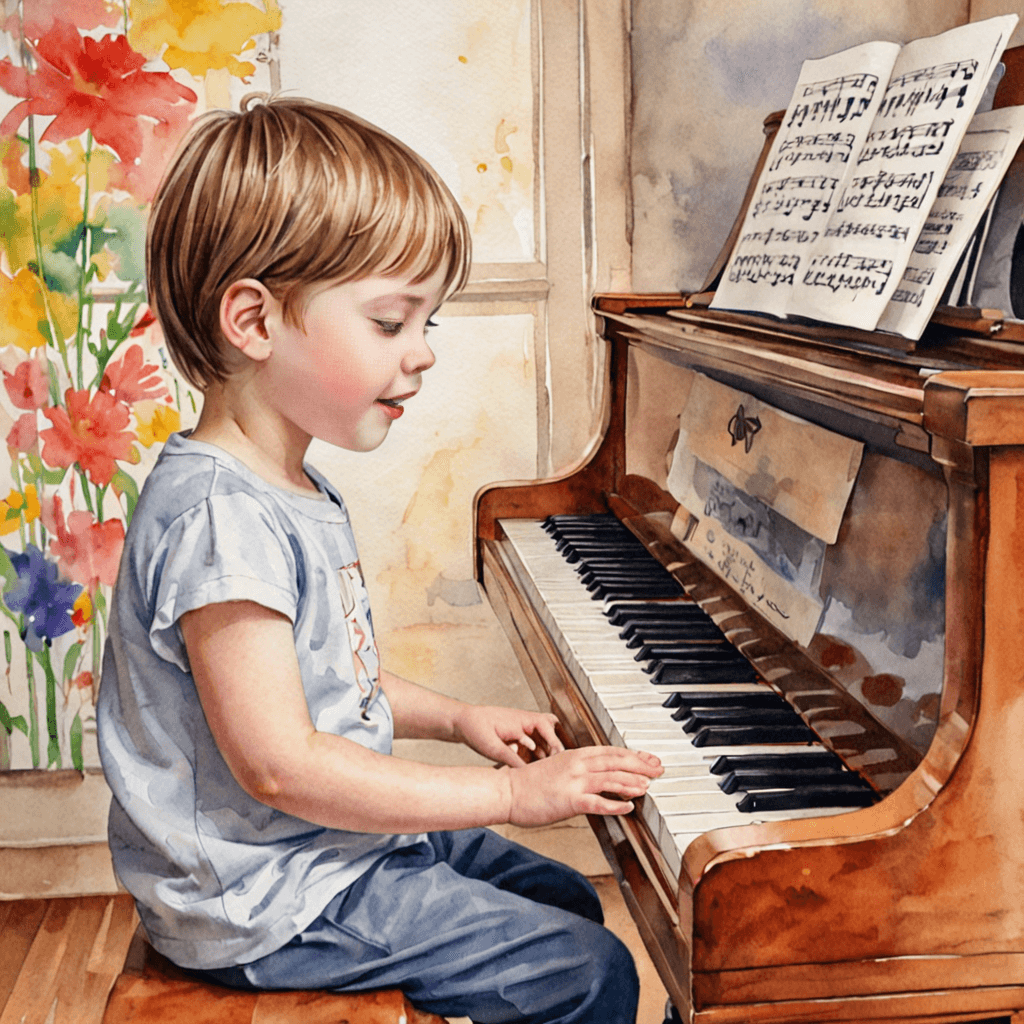
Starting Piano in January: Etobicoke’s Guide to New Year Enrollment
Table of Contents
The start of a new year brings fresh energy, renewed motivation, and the perfect opportunity to begin something meaningful. For families in Etobicoke considering music education, January represents an ideal moment to start piano lessons in Etobicoke. At Muzart Music and Art School, located near Cloverdale Mall, January consistently sees enthusiastic enrollment as families channel their New Year’s resolution momentum into lasting educational commitments.
The beginning of the year offers unique advantages for starting piano instruction. Students return to school routines refreshed from winter break, making it easier to establish new practice habits alongside existing schedules. The timing allows beginners to build foundational skills throughout winter and spring, positioning them perfectly for continued growth through the remainder of the year. For parents researching music education options, understanding why January enrollment works so well can help make informed decisions about their children’s musical journey.
Why January is the Perfect Time to Start Piano Lessons
January stands out as an exceptional month for beginning piano instruction for several compelling reasons. The psychological fresh start that comes with the new year creates genuine motivation that translates into consistent practice and dedication. Unlike September when families juggle multiple back-to-school transitions, January allows focused attention on establishing one new positive habit: regular piano practice and lessons.
The winter months provide practical advantages for music education. With outdoor activities limited by weather, children have more time for indoor pursuits like piano practice. The structured routine of music lessons helps families maintain productive schedules during darker, colder months. At our Etobicoke location, we see how this timing helps students develop strong foundations without competing demands on their time and energy.
Research consistently shows that New Year’s resolutions work best when they involve skill-building activities rather than mere habit elimination. Starting piano lessons channels resolution energy into tangible achievement. Children who begin in January develop measurable skills—reading music, playing simple pieces, understanding rhythm—that provide continuous reinforcement of their commitment. This success builds momentum that carries through the year.
January enrollment also means students progress through logical learning stages at optimal times. Beginners starting in January gain fundamental skills during winter months, become comfortable with their instruments by spring, and enter summer with enough confidence to maintain practice during vacation. By the following September, these students have nearly a full year of experience, positioning them well ahead of fall beginners.
The availability of spots is another practical consideration. While September sees high enrollment demand, January typically offers excellent availability with experienced instructors. Families can secure preferred lesson times without waiting lists, and instructors have capacity to provide the attention and support that helps beginners thrive during those crucial first months. With spots filling quickly this week, now is the time to book your trial lesson.
Understanding the Piano Learning Journey for Children
Piano instruction for children follows developmental progressions that make January an particularly good starting point. Beginning piano students typically start with basic hand position, finger numbers, and simple single-note melodies. These foundational elements require consistent repetition over weeks, making the uninterrupted winter months ideal for establishing correct techniques that become automatic through practice.
The first three months of piano instruction focus on building comfortable relationships with the instrument. Students learn where notes live on the keyboard, how to read basic musical notation, and how to coordinate both hands independently. These skills develop gradually through patient, structured instruction. At Muzart’s Etobicoke studio, our instructors understand that January beginners need careful pacing that builds confidence alongside technical skill.
Young pianists progress through recognizable stages. Initial lessons emphasize exploration and comfort—children learn that making mistakes is normal and that improvement comes through consistent effort. The second phase introduces simple songs and pieces that allow students to make recognizable music, providing powerful motivation. By three to four months, most beginners can play simple melodies with both hands, a milestone that often sparks deeper engagement with the instrument.
Piano education also develops cognitive skills beyond music itself. Reading notation trains visual processing and symbol recognition. Coordinating both hands independently develops the corpus callosum, the brain structure connecting the two hemispheres. Maintaining steady rhythm builds mathematical thinking and timing awareness. These benefits emerge gradually but consistently, making early childhood piano instruction valuable regardless of whether students pursue music professionally.
For parents evaluating whether their children are ready for piano lessons in Etobicoke, age-appropriate expectations matter. Children as young as five or six can begin piano successfully with instruction matched to their developmental stage. Younger students work with larger materials, more physical activity, and shorter attention spans. Older beginners can tackle more complex concepts more quickly but benefit from the same patient, encouraging approach that helps all beginners succeed.
What to Expect from Your Trial Lesson at Muzart
Starting piano lessons begins with understanding what actually happens during instruction. At Muzart Music and Art School, we offer $35 trial lessons that provide genuine insight into how piano instruction works and whether it fits your child’s interests and learning style. These trial sessions aren’t abbreviated introductions—they’re real piano lessons that allow families to experience our teaching approach firsthand.
During a trial piano lesson, students work one-on-one with an experienced instructor in our Etobicoke studio near Cloverdale Mall. The lesson typically begins with conversation about the student’s musical interests and any prior experience, even if that experience is simply listening to music at home. This relationship-building helps instructors tailor the lesson to each child’s personality and learning preferences.
The trial lesson includes hands-on piano exploration. Complete beginners learn basic hand position, finger numbering, and how to produce their first sounds on the instrument. Students with some background might work on refining technique or learning a simple piece. The goal is always the same: give students a genuine taste of what piano lessons feel like so families can make informed enrollment decisions.
Parents often ask what makes a good first piano lesson. The answer combines technical instruction with encouragement and genuine engagement. Children should leave feeling they learned something concrete—perhaps they can identify middle C, or play a simple three-note pattern, or understand quarter notes versus half notes. They should also leave feeling capable and interested in returning. This balance of challenge and support defines effective piano instruction.
Trial lessons also provide opportunity to discuss the broader program structure. Our regular piano program involves weekly 30-minute private lessons at $155 monthly, which includes all books and materials. Students progress through carefully sequenced curriculum that builds skills systematically. Many families also appreciate learning about our RCM examination preparation options for students interested in structured advancement through the Royal Conservatory of Music system.
The trial lesson experience helps answer the practical questions families naturally have: Will my child engage with the material? Does the teaching style match their learning needs? Is the studio location and schedule workable for our family? Can I imagine this becoming a regular part of our weekly routine? These considerations matter as much as musical interest itself when committing to music education. Request more information about what to expect or book directly to secure your spot this January.
Building Effective Practice Habits from the Start
Beginning piano instruction succeeds or struggles based largely on practice habits established during the first months. January enrollment provides unique advantages for building these habits because families are already thinking about routines and fresh starts. The key is treating practice as a natural daily activity rather than an obligation to resist.
Effective piano practice for beginners looks different than what many parents imagine. Young students don’t need hour-long practice sessions—fifteen to twenty minutes daily produces better results than occasional longer sessions. Consistency matters far more than duration. A child who practices fifteen minutes every day will progress faster than one who practices an hour twice weekly, because daily reinforcement builds the muscle memory and pattern recognition that defines piano skill.
The practice environment significantly impacts success. Children need a quiet space with minimal distractions where the piano or keyboard is easily accessible. The instrument doesn’t need to be expensive—a basic digital keyboard suffices for beginners—but it should be tuned or calibrated correctly and positioned at appropriate height for the student. These physical considerations prevent frustration that interferes with learning.
Parents play crucial roles in establishing practice routines without becoming practice police. Young children benefit from parents sitting nearby during practice, providing company without interference. As students gain independence, parents can step back while still showing interest through listening to their progress and attending studio performances. The goal is making practice feel supported rather than supervised.
Motivation naturally fluctuates during the first year of piano study. The initial excitement of starting lessons typically sustains practice for several weeks. Around month two or three, when novelty fades but significant skill hasn’t yet developed, many beginners experience a motivation dip. This normal phase is where practice habits matter most—students who’ve established daily routines continue improving even when enthusiasm temporarily wanes, and motivation returns once they experience the satisfaction of mastering more complex pieces.
Our instructors at Muzart’s Etobicoke location understand these patterns and structure lessons to maintain engagement through challenging periods. This includes choosing repertoire that matches student interests, celebrating small achievements, and helping families problem-solve practice challenges. Starting in January means students navigate their first motivation dip during late winter or early spring, when lesson support and established routines carry them through to renewed enthusiasm.
Frequently Asked Questions About Starting Piano in January
What age is best for beginning piano lessons?
Children can successfully start piano lessons as young as five or six, though individual readiness varies. The key indicators are the ability to sit still for 20-30 minutes, recognize numbers 1-5, and follow simple instructions. Some children show readiness earlier, while others benefit from waiting until age seven or eight. At Muzart, we assess each child individually during the trial lesson to ensure piano instruction matches their developmental stage. Older beginners (ages 8-12) often progress faster initially due to enhanced fine motor control and longer attention spans, but younger starters who maintain consistent practice ultimately develop equivalent or superior skills. The best starting age is when the child shows genuine interest and families can commit to supporting consistent practice. For families in Etobicoke considering piano lessons, scheduling a $35 trial lesson allows us to evaluate readiness and discuss realistic expectations for your child’s particular situation.
How long before my child can play recognizable songs?
Most beginners can play simple, recognizable melodies within six to eight weeks of consistent instruction and practice. These initial pieces are typically simple folk songs or children’s melodies played with one hand—think “Hot Cross Buns” or “Mary Had a Little Lamb.” By three to four months, students with regular practice habits can coordinate both hands for simple pieces. Within six months, dedicated beginners can play arrangements of popular songs or classical pieces adapted for their level. The timeline varies based on practice consistency, prior musical exposure, and individual learning pace. Children who practice daily progress noticeably faster than those with sporadic practice, sometimes achieving in three months what might take six months with less consistent effort. Our instructors set realistic, achievable goals for each student based on their practice habits and learning style, ensuring steady progress without overwhelming pressure. January enrollment gives students the full year ahead to reach these milestones.
Do I need to own a piano before starting lessons?
While acoustic pianos are ideal, they’re not required for beginning lessons. A 61-key digital keyboard with touch-sensitive keys suffices for the first year or more of instruction. These keyboards cost a fraction of acoustic pianos and allow students to use headphones for practice without disturbing household routines. The essential features are full-size keys (not mini keys) and touch sensitivity, which means the keyboard responds to how hard or soft keys are pressed. As students progress and demonstrate lasting commitment—typically after eight to twelve months of consistent lessons—families can consider upgrading to an acoustic piano or more advanced digital instrument. Many families start with an entry-level keyboard ($200-400 range) and make further investments once they’ve confirmed their child’s sustained interest. During your trial lesson, our instructors can provide specific keyboard recommendations that balance quality with affordability, helping families make informed equipment decisions without overspending before commitment is clear.
What happens if my child wants to stop lessons after a few months?
Our monthly program structure provides flexibility for families. Rather than requiring annual contracts, we operate on a month-to-month basis with 30 days’ notice for discontinuation. This approach recognizes that children’s interests evolve and families’ circumstances change. That said, we encourage families to commit to at least three to four months before making decisions about discontinuing, as this timeframe allows students to move past the initial challenge period into the more rewarding phase when they can play pieces they recognize and enjoy. Many children who express desire to quit around month two or three rediscover enthusiasm by month four or five once skills develop sufficiently for genuine musical expression. Our instructors work with families during challenging periods to identify and address specific obstacles—whether practice schedule issues, repertoire selection, or motivation factors. The January enrollment timing actually helps with persistence, as students who start in winter reach this critical three-to-four-month point in spring when weather improves and renewed energy naturally supports continued commitment.
Can my child prepare for RCM examinations starting from complete beginner level?
Yes, many students who begin as complete beginners eventually pursue Royal Conservatory of Music examinations, though this typically happens after twelve to eighteen months of foundational instruction. The RCM system provides structured curriculum and recognized achievement through graded examinations. Students beginning in January who practice consistently can reasonably aim for their first RCM practical examination (typically Preparatory A or Level 1) in approximately 18-24 months. Our RCM examination preparation program at Muzart’s Etobicoke studio includes the technical requirements, repertoire, ear training, and theory work required for successful examination outcomes. Not all students choose the RCM path—some prefer recreational piano study without examination pressure—but the option remains available for families who value structured advancement and external validation of achievement. The decision about RCM participation typically occurs after students have established solid foundations and demonstrated sustained commitment to practice and instruction.
Take the First Step: Book Your Trial Lesson Today
January enrollment spots are filling now as Etobicoke families act on New Year’s resolutions and educational goals. Starting piano instruction this month positions your child for a full year of growth and achievement in 2026. At Muzart Music and Art School, our experienced instructors are ready to welcome new students and guide them through the exciting early stages of musical development.
The $35 trial lesson provides risk-free opportunity to experience our teaching approach and evaluate whether piano instruction fits your family’s interests and schedule. Our convenient Etobicoke location near Cloverdale Mall serves families throughout Toronto, Etobicoke, and Mississauga with private instruction that gives each student the individual attention needed for success.
Don’t let January pass without taking action on your family’s musical goals. The families who enroll now will look back twelve months from today and see remarkable progress—children reading music, playing pieces they love, and developing discipline and confidence that extends far beyond the piano. That journey begins with a single decision to try something new.
Book your trial lesson now or request more information about our piano program. Our monthly program runs $155 and includes all books and materials, with no long-term contracts required. Start 2026 with music, growth, and the joy of learning piano through music lessons in Etobicoke. Your child’s musical journey begins here.