
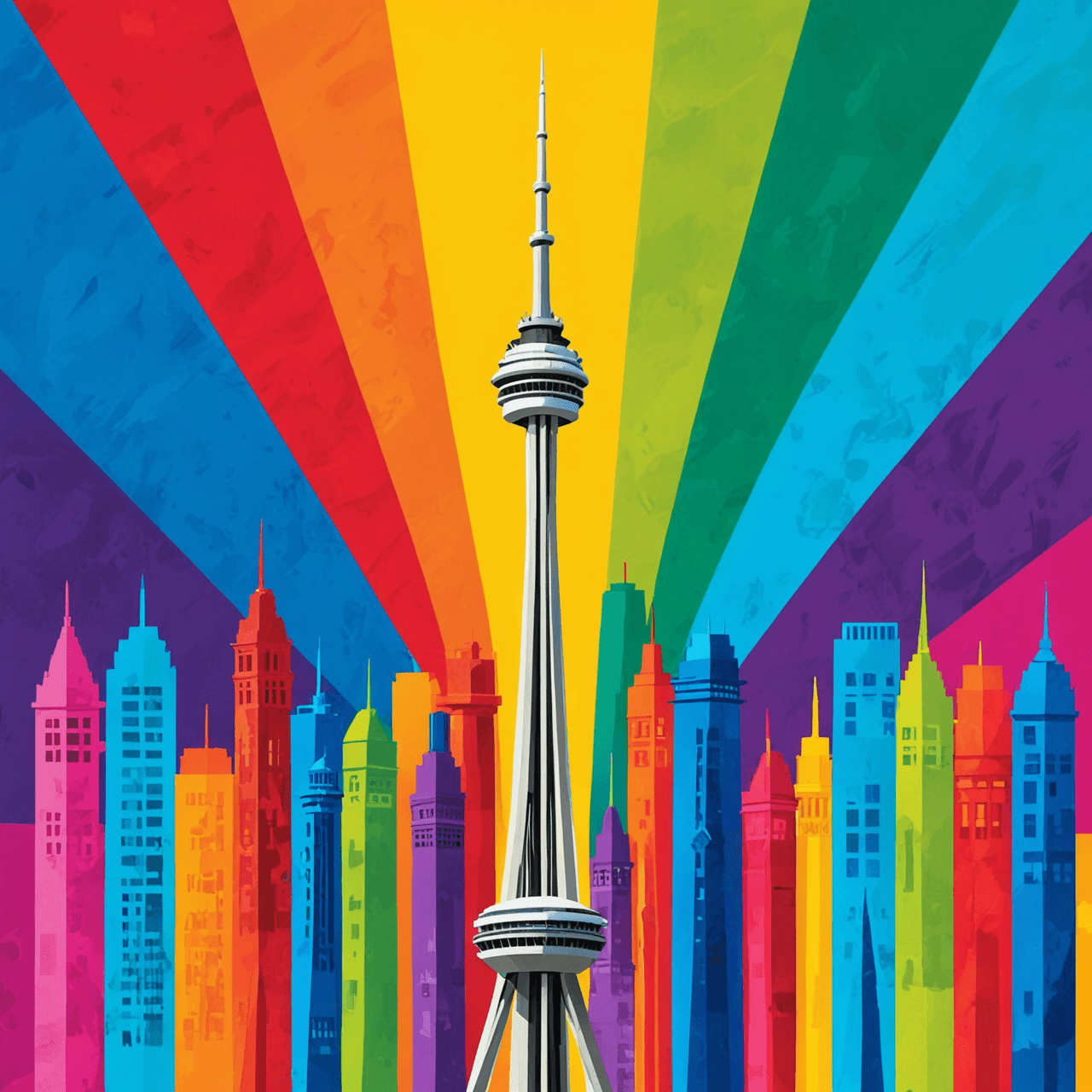
Toronto Art Student Resources: Free and Low-Cost Opportunities
Table of Contents
Toronto’s vibrant arts community offers exceptional resources for art students seeking to expand their skills, build portfolios, and connect with fellow artists without breaking their budgets. From world-class museums with free admission days to community art centers offering affordable workshops, the city provides countless opportunities for artistic growth and inspiration. At Muzart Music and Art School, located near Cloverdale Mall in Etobicoke, we regularly guide our students toward these valuable community resources that complement formal art education.
Free Museum and Gallery Access
Toronto’s major cultural institutions provide exceptional educational opportunities through permanent collections, special exhibitions, and educational programming designed specifically for art students. Understanding when and how to access these resources maximizes learning opportunities while minimizing costs.
The Art Gallery of Ontario offers free admission for visitors under 25 every Tuesday evening, providing access to one of Canada’s most comprehensive art collections. Students can explore Canadian contemporary art, European masterworks, and rotating special exhibitions that showcase international artistic developments. The AGO’s educational resources include online collection databases, virtual tours, and detailed artwork information that supports portfolio development and art historical research.
The Royal Ontario Museum provides free access to its extensive collections during specific community hours and special events throughout the year. While primarily known for natural history and cultural artifacts, the ROM houses significant decorative arts collections, historical textiles, and cultural art objects that provide inspiration for contemporary artistic practice. Students studying applied arts, textile design, or cultural art forms find particularly valuable resources in the ROM’s diverse holdings.
The Gardiner Museum specializes in ceramic and contemporary craft art, offering regular free admission days and special student programming. Ceramic artists and students interested in three-dimensional work benefit from examining historical and contemporary ceramic techniques, glazing approaches, and sculptural applications. The museum’s educational workshops and artist talks provide additional learning opportunities at minimal cost.
Smaller galleries throughout Toronto offer free admission and often feature emerging artists whose work provides contemporary perspectives on artistic practice. These venues include the University of Toronto Art Centre, OCAD University galleries, and numerous commercial galleries that welcome serious art students during regular viewing hours.
Community Art Centers and Programs
Toronto’s extensive network of community centers provides accessible art programming that serves diverse neighborhoods and populations. These resources offer structured learning opportunities, studio space access, and community connections that support artistic development beyond formal education settings.
The Toronto Parks, Forestry & Recreation department operates art programs in dozens of community centers across the city, offering affordable classes in drawing, painting, ceramics, and other media. These programs often cost significantly less than private instruction while providing access to equipment, materials, and instructor guidance that many students cannot afford independently.
The Harbourfront Centre maintains year-round programming that includes free artist talks, exhibition openings, and educational events. Their craft studio offers occasional workshops and demonstrations in traditional and contemporary craft techniques. Students interested in applied arts, cultural crafts, or interdisciplinary practice find valuable resources in Harbourfront’s diverse programming.
Community arts organizations like Parkdale Arts and the Regent Park Community Arts Centre provide neighborhood-based programming that emphasizes accessible, community-engaged artistic practice. These organizations often offer sliding-scale fees, volunteer opportunities, and community partnership projects that provide real-world artistic experience while building local connections.
Our art lessons in Etobicoke regularly incorporate information about these community resources, helping students build comprehensive artistic education plans that combine formal instruction with community engagement and independent exploration.
Public Library Art Resources
Toronto Public Library branches offer extensive art-related resources including books, digital databases, online courses, and programming that support artistic learning and research. Many students overlook these comprehensive resources that provide professional-level information at no cost.
Art and design book collections across TPL branches include current technique manuals, art history surveys, artist monographs, and exhibition catalogs that support portfolio development and artistic research. The reference collections contain specialized resources that many students cannot afford to purchase individually but need for comprehensive artistic education.
Digital resources through TPL include access to art databases, online learning platforms, and digital archives that provide research materials for portfolio development and artistic inspiration. Students can access professional art magazines, academic journals, and specialized art education content through library memberships.
Programming at library branches often includes artist talks, creative workshops, and arts-focused events that provide learning opportunities and community connections. The Toronto Reference Library regularly hosts art-related programming that connects students with professional artists and arts educators.
Maker spaces and digital media labs at select library locations provide access to equipment and software that many art students cannot afford independently. These resources include digital design software, 3D printing capabilities, and multimedia production equipment that support contemporary artistic practice.
University and College Resources
Toronto’s numerous post-secondary institutions often provide public access to certain resources, events, and facilities that benefit art students regardless of enrollment status. Understanding these opportunities helps students access high-quality educational resources and connect with academic art communities.
OCAD University regularly offers public lectures, exhibition openings, and educational events that provide insights into contemporary artistic practice and education. These events connect students with working artists, faculty members, and other serious art students while providing exposure to current artistic developments and academic perspectives.
University of Toronto’s art history department and visual studies programs occasionally offer public lectures and symposiums that provide academic perspectives on art historical and contemporary issues. These events help students understand scholarly approaches to artistic analysis and cultural criticism.
Gallery exhibitions at university campuses often feature faculty work, student exhibitions, and visiting artist shows that provide exposure to diverse artistic approaches and current academic artistic production. These exhibitions offer learning opportunities and potential mentorship connections for serious art students.
Some institutions allow non-students to audit certain classes or participate in specific workshops for nominal fees. These opportunities provide structured learning experiences and academic-level instruction at accessible costs for qualified students.
Online Resources and Digital Communities
Toronto’s art community maintains active online presence that provides educational resources, networking opportunities, and collaborative possibilities for art students throughout the region. These digital resources complement in-person learning and provide access to broader artistic communities.
Local artist websites, blogs, and social media accounts provide insights into working artistic practices, studio techniques, and professional development strategies. Following Toronto artists offers students exposure to diverse artistic approaches and real-world perspectives on artistic careers and practice.
Online forums and discussion groups focused on Toronto arts provide networking opportunities, resource sharing, and collaborative possibilities for art students. These communities often share information about opportunities, events, and resources that benefit developing artists.
Virtual studio visits, artist talks, and online workshops offered by Toronto artists and organizations provide accessible learning opportunities that complement in-person instruction and exploration. Many of these resources remain available on-demand for repeated viewing and deeper study.
Digital portfolio platforms and artist websites provide examples of professional presentation standards, portfolio organization strategies, and career development approaches that help students understand professional expectations and presentation requirements.
Seasonal Events and Art Festivals
Toronto’s annual arts events provide exceptional opportunities for art students to experience diverse artistic practices, connect with working artists, and participate in community artistic celebrations. These events often provide free or low-cost access to high-quality artistic programming.
Nuit Blanche offers annual citywide contemporary art programming that transforms Toronto into an outdoor gallery featuring installations, performances, and interactive art projects. This event provides exposure to contemporary artistic practices, community engagement approaches, and large-scale artistic production that students rarely experience otherwise.
The Toronto International Film Festival includes visual arts programming, artist talks, and multimedia presentations that provide insights into interdisciplinary artistic practice and contemporary media arts. Students interested in video art, multimedia installation, or narrative visual arts find valuable resources in TIFF programming.
Doors Open Toronto provides annual access to architectural sites, artist studios, and cultural institutions that are normally closed to public access. This event offers behind-the-scenes looks at artistic production, cultural preservation, and architectural design that inform diverse artistic practices.
Summer festivals throughout Toronto neighborhoods often include artist demonstrations, community art projects, and cultural programming that provide learning opportunities and community connections for art students. These events emphasize accessible, community-engaged artistic practice that complements formal education.
Material Resources and Supply Opportunities
Art supply costs represent significant expenses for serious art students, making resource sharing, bulk purchasing, and alternative material sources important considerations for affordable artistic practice. Toronto offers various opportunities for reducing material costs while maintaining quality artistic production.
University surplus sales occasionally include art materials, equipment, and supplies at significantly reduced costs. Art students can find drawing papers, paints, brushes, and other materials through these periodic sales when institutions update their inventories or dispose of excess supplies.
Community art centers sometimes offer material sharing programs, tool libraries, or bulk purchasing cooperatives that reduce individual supply costs while providing access to specialized materials and equipment. These programs often require participation in center activities or volunteer commitments.
Artist studio cooperatives occasionally offer supply sharing, group purchasing, or material exchange programs that benefit member artists and serious art students. These arrangements provide access to professional-quality materials and equipment while building connections with working artists.
Environmental art supply recovery programs help artists find donated materials, recycled supplies, and alternative material sources that reduce costs while supporting sustainable artistic practices. These programs often connect students with unique materials that inspire creative problem-solving and innovative artistic approaches.
Professional Development and Networking
Building professional connections and understanding career development strategies requires ongoing engagement with Toronto’s professional arts community. Free and low-cost networking opportunities help students build relationships that support artistic development and career advancement.
Professional arts organizations in Toronto offer student membership rates, volunteer opportunities, and educational programming that provide industry connections and career development resources. Organizations like the Ontario Arts Council provide information about grants, professional development opportunities, and industry standards.
Artist studio tours and open studio events provide insights into professional artistic practice, studio organization, and career development strategies. These events offer networking opportunities and mentorship possibilities while providing realistic perspectives on professional artistic careers.
Arts industry workshops and professional development seminars often offer student rates or volunteer opportunities that provide access to career-focused education and networking possibilities. Topics include portfolio development, grant writing, exhibition planning, and business skills for artists.
Gallery opening receptions and artist talks provide informal networking opportunities and exposure to Toronto’s arts community. Regular attendance at these events helps students build recognition and connections within the professional arts community while staying current with contemporary artistic developments.
Transportation and Access Considerations
Maximizing Toronto’s art resources requires understanding transportation options, accessibility considerations, and geographic distribution of opportunities throughout the metropolitan area. Strategic planning helps students access diverse resources efficiently while minimizing travel costs and time commitments.
Public transit provides affordable access to most Toronto art resources, with TTC monthly passes offering unlimited access to museums, galleries, and community centers throughout the city. Students should familiarize themselves with transit routes to major cultural destinations and plan resource visits efficiently.
Bicycle transportation offers affordable, flexible access to art resources while providing healthy, environmentally friendly travel options. Toronto’s bike lane network connects many cultural destinations, and most institutions provide secure bike parking for visitors.
Walking tours and cultural walks provide combined transportation and educational experiences that connect multiple resources during single outings. Self-guided art walks using online resources or guidebooks offer flexible, affordable ways to explore Toronto’s diverse arts communities and cultural resources.
Car sharing and ride sharing options provide access to resources in less transit-accessible locations while sharing transportation costs among multiple students. Group visits to suburban galleries, artist studios, or community centers become more affordable and practical through shared transportation arrangements.
Frequently Asked Questions
What are the best days to visit Toronto museums for free or reduced admission?
The Art Gallery of Ontario offers free admission for visitors under 25 every Tuesday evening, while the ROM has occasional free community days announced on their website. The Gardiner Museum offers free admission on the first Friday evening of each month. Many smaller galleries and university galleries always offer free admission. Students should check individual institution websites for current free admission schedules and student discount programs.
How can art students find affordable studio space or workspace in Toronto?
Community art centers often provide studio access through membership programs or workshop participation. Artist cooperatives sometimes offer short-term studio rentals or work-sharing arrangements for serious students. Some universities allow non-students to rent studio space during summer months or off-peak times. Additionally, maker spaces at public libraries provide access to equipment and workspace for specific projects and digital art production.
Are there opportunities for art students to exhibit their work in Toronto without significant costs?
Community art centers regularly host student exhibitions and often welcome proposals for shows featuring student work. Coffee shops, libraries, and small businesses throughout Toronto often display local artwork with minimal or no rental fees. Pop-up gallery events and art markets provide exhibition opportunities for emerging artists. Many community festivals include artist vendor opportunities at reasonable participation costs.
What networking events are most valuable for developing art students in Toronto?
Gallery opening receptions provide excellent informal networking opportunities and are free to attend. First Friday art walks in various neighborhoods create regular networking opportunities. Professional arts organization events often offer student rates and provide industry connections. Artist studio tours and open studio events provide mentorship opportunities and insights into professional practices.
How can students access expensive art materials and equipment without high personal costs?
Community art centers often provide materials as part of workshop fees or membership benefits. Tool libraries and maker spaces at public libraries offer access to specialized equipment. Artist cooperative supply purchasing programs reduce material costs through bulk buying. University surplus sales occasionally offer art supplies at reduced costs. Some community programs provide materials through sliding scale fees based on financial need.
Building a comprehensive artistic education requires combining formal instruction with community resources and independent exploration. Our group art lessons and private art instruction incorporate information about Toronto’s rich artistic resources, helping students develop independent learning skills and community connections that support lifelong artistic growth.
Ready to explore Toronto’s artistic opportunities while building strong fundamental skills? Book a $70 trial lesson to experience our comprehensive approach to art education that combines professional instruction with community resource guidance. Our monthly art programs cost $310 for one-hour private lessons and include all necessary materials. Contact us for more information about how we can help you maximize Toronto’s exceptional artistic resources while developing your personal artistic practice.