
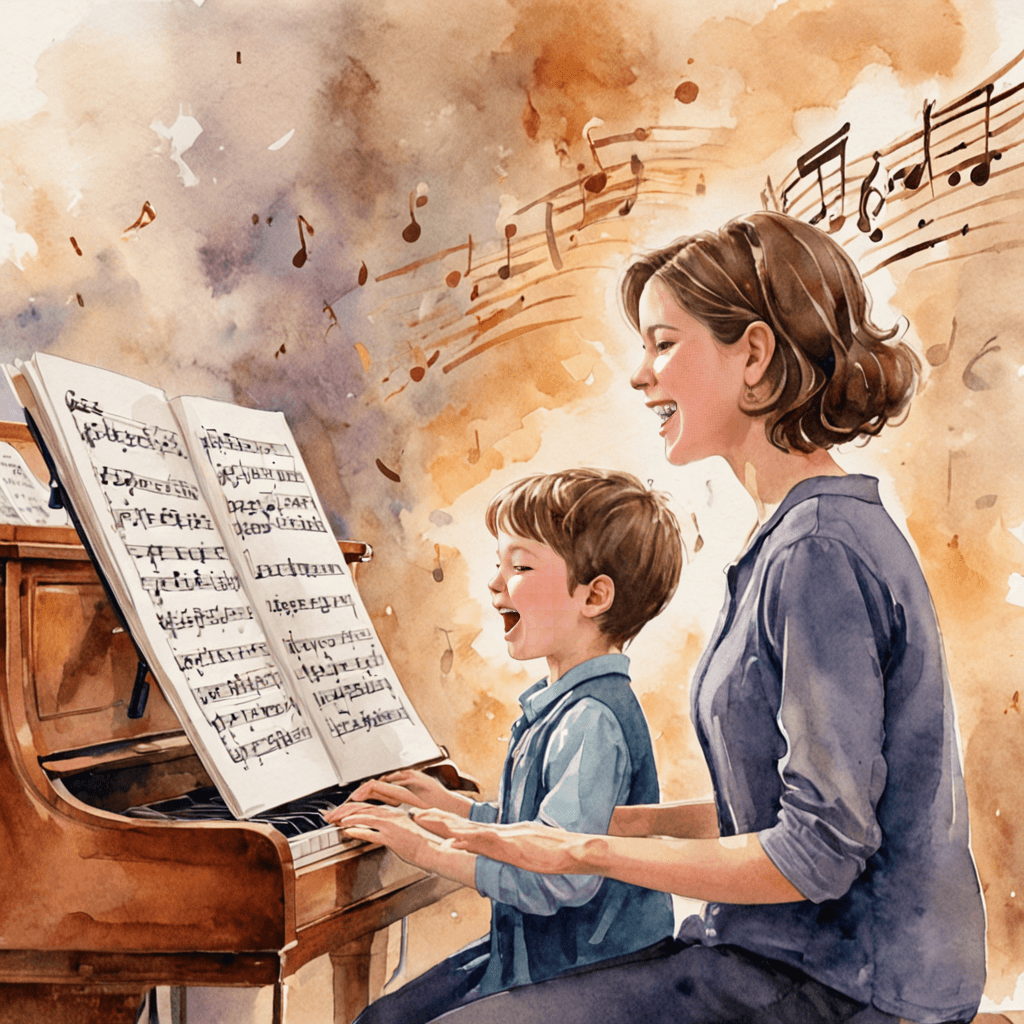
Voice Lessons in Etobicoke: New Year, New Voice for Young Singers
Table of Contents
New Year’s Eve marks perfect timing for families considering voice lessons for their children. As 2025 transitions to 2026, the momentum of fresh starts and renewed commitments creates ideal conditions for beginning vocal instruction. At Muzart Music and Art School’s Etobicoke location near Cloverdale Mall, January enrollment represents our busiest period for new singing lessons as families act on resolutions and educational goals for the year ahead.
Voice lessons offer unique benefits for children, developing not just musical skills but also confidence, communication abilities, and healthy vocal technique that serves them throughout life. Unlike instrumental instruction that requires purchasing or renting equipment, voice training uses the instrument every child already possesses—their own voice. This accessibility makes singing lessons particularly appealing for families exploring music education options without significant upfront investment beyond the lessons themselves.
Starting voice lessons in January provides strategic advantages. Children return from winter break refreshed and ready for new challenges. The timing allows beginners to build foundational vocal skills during winter months when outdoor activities naturally decrease, creating more time for practice and development. For parents researching music lessons in Etobicoke, understanding what voice instruction entails and why January enrollment works so well helps make informed decisions about their children’s musical education.
Understanding Voice Lessons for Children and Teens
Voice instruction for young singers differs significantly from adult vocal training due to developing vocal instruments and age-appropriate approaches. Children’s voices change as they grow, requiring specialized teaching methods that protect vocal health while building technique and musicality. Professional voice instructors understand these developmental considerations and adapt instruction to each student’s age and vocal maturity.
Beginning voice students, typically starting between ages 7-10, focus on foundational concepts rather than advanced technique. Early lessons emphasize healthy breathing, proper posture, clear diction, and pitch matching. Young singers learn to support their voices from their diaphragm rather than straining throat muscles, establishing habits that prevent vocal damage and enable future growth. These fundamentals may seem simple, but they form the crucial foundation for all vocal development.
The voice lesson structure for children typically includes warm-up exercises, technical work on specific skills, song learning, and performance practice. Warm-ups prepare voices for singing while reinforcing breathing and vocal placement concepts. Technical exercises target specific skills like expanding range, improving tone quality, or developing dynamic control. Song work applies these techniques to actual music, allowing students to make artistic choices and develop musical expression. Our instructors at Muzart’s Etobicoke studio structure 30-minute lessons to balance these elements appropriately for each student’s level.
Song selection plays crucial role in maintaining engagement and progress. Beginning singers work with age-appropriate repertoire that suits their vocal range and interests. This might include folk songs, musical theater pieces, contemporary pop songs adapted for young voices, or simple classical art songs. The key is choosing material that challenges students appropriately without frustrating them or damaging their voices through inappropriate difficulty or range demands.
Performance opportunities provide valuable motivation and confidence building. Many voice students participate in studio recitals where they share progress with family and friends in supportive environments. These performances teach important skills beyond singing itself—overcoming nervousness, maintaining focus under pressure, and experiencing the joy of sharing music with others. For young performers, these experiences often prove transformational, building confidence that extends beyond music into other life areas.
Voice instruction also addresses the unique challenge of adolescent voice change, particularly for boys whose voices deepen dramatically during puberty. Experienced instructors navigate this transition carefully, adjusting repertoire and expectations while maintaining student engagement through a potentially frustrating period. Girls also experience vocal changes during adolescence, though typically less dramatically. Understanding and supporting students through these developmental stages requires specialized knowledge that professional voice teachers possess.
The New Year Advantage: Why January for Voice Lessons
January enrollment offers specific advantages for beginning voice students beyond general New Year’s resolution momentum. The timing aligns perfectly with school schedules—children have settled back into academic routines but haven’t yet accumulated the stress and busyness that often builds later in the school year. This creates mental and emotional space for adding a new weekly commitment like voice lessons.
The winter season naturally supports vocal development. Indoor environments with controlled heating, while sometimes challenging for vocal health, also mean students aren’t dealing with allergy season or summer vacation disruptions. Families maintain more consistent schedules during winter months compared to summer’s irregular patterns, supporting the regular attendance that enables steady progress. The seasonal indoor focus makes establishing practice routines easier than during seasons with more competing outdoor activities.
New Year’s resolution psychology genuinely impacts success rates for new endeavors. Research shows that temporal landmarks like New Year’s Day create fresh start effects—people feel more motivated to pursue goals and believe more strongly in their ability to change. For children, this adult enthusiasm often transfers into their own excitement about trying something new. Parents acting on educational resolutions create household momentum that supports children’s engagement with new activities like voice lessons.
January enrollment also provides strategic timeline advantages. Students beginning in January have nearly a full calendar year to develop skills before the following January, when many families reassess activities and commitments. This full-year foundation makes continuation more likely—families with a year of successful voice lessons behind them rarely discontinue. Additionally, students starting in January position themselves well for spring performances or talent shows, having had several months to prepare pieces and build confidence.
The practical reality of lesson availability matters too. September sees intense enrollment competition across all music lessons as families establish fall schedules. January, while busy, typically has better availability. Families can secure preferred lesson times more easily, and instructors have capacity to provide the attentive support that helps beginners succeed. At our Etobicoke location, we’re currently accepting January enrollments, but spots are filling as families act on their New Year’s goals. Book your trial lesson now to secure your preferred schedule.
What to Expect from Trial Voice Lessons at Muzart
Beginning voice instruction starts with understanding what actually happens during lessons. At Muzart Music and Art School, we offer $35 trial lessons that provide genuine experience with voice instruction rather than brief introductions. These trial sessions function as real voice lessons, allowing families to evaluate teaching approach, studio environment, and whether voice lessons suit their child’s interests and learning style.
During a trial voice lesson, students work individually with experienced vocal instructors in our Etobicoke studio. The lesson typically begins with conversation about musical interests, any prior singing experience (even informal experiences like singing along to music at home or in school chorus), and what draws the student to voice lessons. This relationship-building helps instructors personalize the lesson to each child’s personality and goals.
The trial lesson includes immediate hands-on vocal work. Students learn basic breathing exercises, exploring how proper breath support feels different from everyday breathing. They might practice simple vocal warm-ups, discovering how warming up prepares voices for singing. Complete beginners often work on matching pitch—hearing a note and reproducing it accurately—which represents fundamental musical and vocal skill. Students with some background might explore expanding range or improving tone quality on familiar songs.
Parents frequently ask what makes a successful first voice lesson. The answer combines technical learning with emotional experience. Children should leave having learned something concrete—perhaps they can take deeper, more supported breaths, or they’ve matched pitches more accurately, or they understand how posture affects sound production. Equally important, they should leave feeling capable and interested in continuing. This balance of challenge and encouragement defines effective voice instruction.
The trial lesson provides opportunity to discuss program details and answer questions. Our regular voice program consists of weekly 30-minute private lessons at $155 monthly, with all materials included. Students progress through carefully structured curriculum that builds vocal technique systematically while exploring repertoire matched to their interests and development level. Many voice students also appreciate learning about performance opportunities through studio recitals and how voice lessons can connect to school music programs or musical theater interests.
Families use trial lessons to assess fit—does the teaching style match how their child learns? Does the child respond positively to the instructor? Is the studio location convenient? Can they imagine voice lessons becoming a regular weekly commitment? These practical considerations matter as much as vocal interest itself. The $35 trial investment provides answers to these questions with minimal financial risk, allowing families to make informed decisions about whether to continue with regular enrollment.
Building Healthy Vocal Technique from Day One
Voice instruction prioritizes healthy technique above all else. Unlike instruments that can be replaced if damaged, vocal cords represent irreplaceable instruments that require careful protection, especially during childhood development. Professional voice instruction establishes healthy habits from the very first lesson, preventing the vocal damage that can result from improper technique or strain.
Breathing forms the foundation of healthy singing. Young singers learn diaphragmatic breathing—using the diaphragm muscle to control air flow rather than relying on chest or shoulder movement. This deeper breathing provides the support needed for sustained phrases and dynamic control without strain. Students practice breathing exercises that make this technique feel natural and automatic. The breathing skills developed through voice lessons benefit children beyond singing, supporting public speaking, athletic performance, and stress management.
Posture directly impacts vocal production. Voice teachers emphasize aligned posture—standing or sitting with spine straight, shoulders relaxed, and head balanced neutrally. This alignment allows unrestricted breath flow and creates space for optimal resonance. Young singers often need reminders about posture as it feels unnatural initially, but proper alignment quickly becomes habitual with practice. Good posture established through voice lessons often improves overall body awareness and presentation.
Tension release represents another crucial element of healthy vocal technique. Many beginning singers unconsciously tense jaw, neck, or shoulder muscles when attempting difficult passages. This tension restricts vocal production and can cause strain. Voice instructors teach awareness of these tensions and techniques for releasing them. Simple exercises like gentle stretching, relaxing the jaw, or visualizing free, easy sound production help students sing without unhealthy tension.
Range development happens gradually and carefully with young singers. Instructors don’t push children to sing notes beyond their comfortable range, recognizing that forcing extreme high or low notes can damage developing voices. Instead, students gently expand range over months and years through appropriate exercises and repertoire selection. This patient approach protects vocal health while still enabling steady growth.
Vocal health education equips students to care for their voices. Young singers learn about hydration—drinking plenty of water supports vocal cord function. They understand why shouting or screaming can harm voices and develop strategies for protecting their voices during sports events or loud social situations. They learn to recognize signs of vocal strain and when to rest their voices. This health awareness serves students throughout life, not just during childhood voice lessons.
Voice Lessons and Performance Confidence
One of voice lessons’ most valuable benefits extends beyond musical skill to genuine confidence building. Standing in front of others and singing requires courage that translates into broader self-assurance. Many parents enroll children in singing lessons in Etobicoke specifically for confidence building, recognizing that performance skills serve children throughout life regardless of whether they pursue music professionally.
The progression from first nervous attempts to comfortable performing happens gradually through supportive instruction. Early lessons occur in completely private settings where students work only with their instructor. This privacy allows experimentation without embarrassment—students can try challenging passages, make mistakes, and develop skills without audience pressure. As comfort grows, students might perform for family members, then at studio recitals for supportive audiences of fellow students and families.
Performance anxiety management becomes explicit part of instruction for many students. Instructors teach practical strategies: deep breathing to calm nerves, positive visualization, focusing on communication rather than perfection, and reframing anxiety as excitement. Young performers learn that nervousness is normal—even professional performers experience it—and that managing anxiety rather than eliminating it represents realistic goal. These lessons about facing fears and performing under pressure prove invaluable far beyond music.
Public speaking skills develop naturally through voice lessons. The vocal projection, clear articulation, and confident presentation required for singing transfer directly to speaking situations. Students who take voice lessons often notice improved confidence in classroom presentations, social interactions, and leadership situations. The ability to use voice effectively—whether singing or speaking—provides significant life advantage.
Musical expression through singing also develops emotional intelligence. Students explore how to convey different emotions through vocal choices—gentle tones for tender songs, powerful delivery for dramatic pieces, playful approaches for upbeat music. This exploration of emotion through music helps children understand and express their own feelings more effectively. Many parents notice that children enrolled in voice lessons become more articulate about their emotions and more comfortable expressing themselves.
Frequently Asked Questions About Children’s Voice Lessons
At what age should children start voice lessons?
Most voice instructors recommend beginning formal voice lessons between ages 7-10, though some children start earlier and others later. The key considerations are the child’s interest in singing, ability to follow instructions, and sufficient vocal maturity. Very young children (under 7) often benefit more from general music classes or choir participation rather than private voice lessons, as their voices are still quite immature. However, precocious students with strong interest and focus can begin earlier with appropriately adapted instruction. At Muzart’s Etobicoke studio, we assess each child individually during the trial lesson to ensure voice instruction matches their developmental stage and readiness. Our instructors adapt teaching approaches to each student’s age and maturity, ensuring lessons remain engaging and developmentally appropriate. Starting age matters less than readiness—some 12-year-olds are just beginning while some 8-year-olds have been studying for a year. The $35 trial lesson allows families to determine whether their child is ready for voice instruction or whether waiting another year might serve better.
Will voice lessons help my shy child become more confident?
Voice lessons frequently help shy children develop confidence, though the timeline varies by child. The process works gradually—students build comfort performing for their instructor, then family, then small recital audiences. This progressive exposure to performing helps shy children develop coping strategies for anxiety while experiencing success in supportive environments. Many naturally shy students discover that singing provides an outlet for self-expression that feels safer than speaking, allowing them to develop confidence that eventually transfers to other situations. However, voice lessons shouldn’t be forced on extremely reluctant children. The lessons work best when children show some interest in singing even if they’re nervous about performing. Our instructors excel at creating comfortable, encouraging environments where shy students can take risks at their own pace. They never force performance before students feel ready, instead building confidence through positive reinforcement and achievable challenges. Many parents report that shy children who initially needed significant encouragement eventually become eager performers who volunteer for solos and performances. That transformation represents one of voice instruction’s most rewarding outcomes.
How much practice does my child need to do between lessons?
Beginning voice students benefit from practicing 15-20 minutes most days of the week, though even shorter daily practice produces results. Consistency matters more than duration—students who practice 10 minutes six days weekly progress faster than those practicing 45 minutes once or twice weekly. Voice practice can happen anywhere since no instrument needs to be transported or set up, making it easy to incorporate into daily routines. Effective practice includes vocal warm-ups, technical exercises assigned by the instructor, and repertoire work on current songs. Unlike instruments where practicing incorrectly can reinforce bad habits extensively before the next lesson, voice practice typically involves reviewing and reinforcing what happened in the most recent lesson. Parents can support practice by providing quiet time and space, showing interest without being intrusive, and occasionally listening to their child’s progress. Our instructors provide clear practice instructions in each lesson so students know exactly what to work on at home. The $155 monthly program includes materials and guidance that support effective home practice between weekly lessons.
Can my child sing in school choir while taking private voice lessons?
School choir participation complements private voice lessons beautifully. Choir provides ensemble singing experience, music reading practice, and performance opportunities that support individual voice development. Private lessons enhance choir participation by developing individual technique, addressing specific vocal challenges, and building confidence. Many of our students participate actively in school music programs—the skills support each other rather than conflicting. The only consideration is vocal health—students participating in both private lessons and school choir need to be mindful of total vocal load, especially during intense rehearsal periods before performances. Our instructors help students manage their singing commitments to protect vocal health while maximizing musical growth. We encourage communication between private instructors and school music teachers when appropriate, creating coordinated support for the student’s overall musical development. Some students even prepare school choir solos or audition pieces during private lessons, using lesson time to polish repertoire for school performances. This integration of private instruction and school music programs provides the richest musical education.
What if my child’s voice changes during lessons?
Voice changes, particularly the dramatic changes boys experience during puberty, are normal parts of vocal development that experienced instructors navigate regularly. At Muzart, our voice teachers understand adolescent voice change and adjust instruction appropriately during these transitions. For boys, voice change typically begins around age 12-14, though timing varies significantly. During the change, range may become unpredictable, tone quality may feel inconsistent, and previously easy notes may suddenly feel challenging. This can be frustrating for students, but proper instruction helps them understand the process as normal and temporary. Instructors select appropriate repertoire for changing voices, adjust range expectations, and focus on maintaining healthy technique rather than pushing for results the voice isn’t yet ready to produce. Girls also experience vocal changes during adolescence, though typically less dramatic—their voices may become slightly richer and fuller, and range may settle into more defined classification. Throughout voice changes, continuing lessons provides valuable support and prevents students from developing bad habits while trying to compensate for vocal changes on their own. Most voice changes complete within 6-18 months, after which students emerge with adult voices and continued technical foundation from lessons that carried them through the transition. Our instructors have successfully guided many students through voice change, maintaining engagement and progress throughout what could otherwise feel like a setback.
Start Your Child’s Vocal Journey This New Year
New Year timing provides perfect opportunity to begin voice instruction. January enrollment momentum, combined with seasonal indoor focus and fresh-start psychology, creates ideal conditions for starting and maintaining voice lessons. At Muzart Music and Art School, our experienced instructors welcome new voice students at all levels, providing patient, encouraging guidance that develops both technical skill and confident performance ability.
Your child’s voice represents their most personal instrument—one they’ll use throughout life for communication, expression, and potentially lifelong musical enjoyment. Professional voice instruction ensures they develop healthy technique that protects this irreplaceable instrument while building skills for artistic expression. The benefits extend far beyond music itself—improved confidence, enhanced communication abilities, emotional expression, and performance skills that serve them in countless life situations.
Don’t let this opportunity pass. January enrollment spots are filling as Etobicoke families act on educational goals for 2026. The $35 trial lesson provides risk-free introduction to voice instruction, allowing your child to experience our teaching approach and determine whether singing lessons fit their interests. Our singing lessons in Etobicoke serve families throughout Toronto, Etobicoke, and Mississauga from our convenient location near Cloverdale Mall.
Book your trial lesson now and start 2026 with music, confidence, and the discovery of your child’s vocal potential. Our monthly program runs $155 with no long-term contracts required, providing flexibility for families while delivering professional instruction that develops young voices safely and effectively. Request more information or schedule your trial lesson today. Your child’s vocal journey begins here—make this the year they discover the joy and confidence that comes from developing their voice through music lessons.