
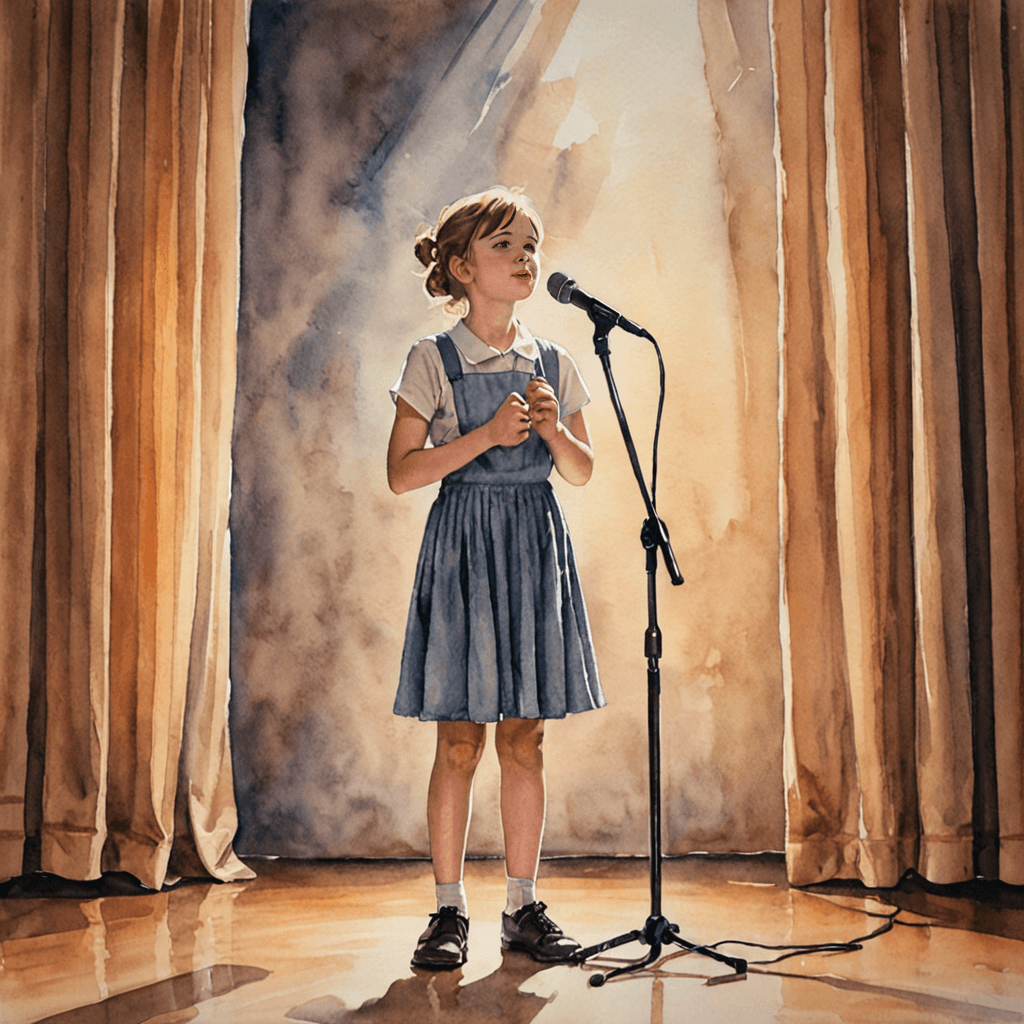
Voice and Performance for Young Singers in Etobicoke: Building Confidence
Table of Contents
The first time a young singer performs in front of an audience—whether family members gathered in a living room or classmates at a school recital—represents a defining moment in their musical development. Performance transforms private vocal practice into public communication, introducing psychological challenges that have nothing to do with singing technique yet profoundly affect how well students execute skills they’ve mastered in lessons.
For families in Toronto and Etobicoke seeking quality music education, understanding how performance skills develop alongside vocal technique helps parents support their children through the anxiety and excitement that characterize early performance experiences. The confidence built through successful performance preparation and execution extends far beyond music, developing public speaking abilities, emotional regulation, and resilience that serve students throughout their lives.
At Muzart Music and Art School near Cloverdale Mall in Etobicoke, instructors integrate performance preparation into regular vocal instruction, ensuring students develop the mental and emotional skills necessary for confident singing alongside the technical abilities that make beautiful singing possible. This comprehensive approach creates well-rounded young musicians who can share their musical gifts with others rather than keeping them private.
Understanding Performance Anxiety in Young Singers
Performance anxiety affects singers of all ages and skill levels, but young students experience it with particular intensity because they lack the experience and coping strategies that help adult performers manage nervousness. The physical symptoms—rapid heartbeat, sweaty palms, shaking hands, dry mouth—result from the body’s natural stress response activating when students perceive performance situations as threatening.
The relationship between anxiety and performance quality follows a curve rather than a straight line. Moderate nervousness actually improves performance by increasing focus and energy. Too little arousal results in flat, uninspired singing, while excessive anxiety overwhelms students and prevents access to skills they execute easily in low-pressure situations. Effective performance preparation aims for the productive middle range where nervous energy enhances rather than impedes singing.
Young singers often catastrophize about performance mistakes, believing that forgetting lyrics or singing a wrong note will result in devastating judgment or permanent humiliation. This cognitive distortion intensifies anxiety far beyond what the actual situation warrants. Teaching realistic perspective about mistakes—that they’re normal, temporary, and rarely as noticeable to audiences as performers believe—significantly reduces performance anxiety.
The fear of judgment from peers particularly affects pre-teen and teenage singers. While younger children often perform unselfconsciously, older elementary and middle school students become acutely aware of social evaluation. This developmental shift requires adjusted performance preparation that addresses social anxiety specifically rather than treating all performance nervousness identically.
Positive early performance experiences create foundation for lifelong confident performing. Students whose first performances feel successful—not necessarily technically perfect, but psychologically positive—develop confidence that makes subsequent performances easier. Conversely, traumatic early experiences can create lasting performance anxiety requiring significant therapeutic work to overcome.
Starting voice lessons in Etobicoke with instructors who understand performance psychology ensures students develop confidence alongside technique from the beginning of their musical journey.
Vocal Technique Foundations That Support Confident Performance
Proper breathing technique provides the physical foundation for confident performance. When young singers master diaphragmatic breathing, they access the breath support necessary for sustained phrases and powerful tone production. This technical security reduces anxiety because students trust their ability to complete musical phrases without running out of air or forcing sound.
Posture affects both vocal production and psychological presence. Standing or sitting with proper alignment—shoulders back, chest open, chin level—creates optimal conditions for breath flow and vocal resonance. This physical confidence translates into psychological confidence, as the body language of confident posture actually influences emotional state, not just reflecting it.
Vocal warm-ups serve double duty as technical preparation and anxiety management. The familiar routine of scales, lip trills, and gentle vocal exercises focuses nervous energy productively while physically preparing the voice for singing. Students who warm up consistently before performances experience less anxiety because the routine provides psychological comfort alongside physiological readiness.
Muscle memory developed through repetitive practice allows performers to execute correctly even under stress. When students have practiced songs thoroughly enough that execution becomes automatic, they can sing well even when nervous because the physical patterns require minimal conscious control. This automaticity explains why adequate preparation reduces performance anxiety—technical mastery creates genuine confidence rather than false bravado.
Vocal health awareness prevents anxiety about voice failure during performance. Students who understand how to care for their voices—staying hydrated, avoiding strain, getting adequate rest—trust that their instrument will function reliably. This confidence allows them to focus on musical expression rather than worrying about technical breakdowns.
The $155 monthly program at Muzart includes systematic vocal technique development that builds the physical security necessary for confident performance alongside repertoire and performance skill training.
Age-Appropriate Performance Preparation Strategies
Five to seven-year-old performers benefit from low-pressure informal performance opportunities that feel like sharing rather than formal presentation. Singing for family members, performing for small groups of peers, or participating in casual group performances builds positive associations with performing before self-consciousness develops. At this age, the goal centers on creating joyful performance experiences rather than polished execution.
Eight to ten-year-old singers can handle more structured performance preparation including song memorization, stage behavior guidance, and basic performance etiquette. They can understand concepts like making eye contact with audiences, using microphones properly, and managing nervous energy through physical strategies. Performance expectations should match developing maturity without creating pressure that overwhelms students at this transitional age.
Pre-teen and teenage singers (11-14) often require the most sophisticated performance preparation because they experience heightened self-consciousness and social anxiety. They benefit from explicit discussion of performance anxiety, concrete coping strategies, and gradual exposure to performing that builds confidence incrementally. At this age, addressing the psychological aspects of performance often matters as much as technical vocal preparation.
Individual differences in temperament affect performance readiness more than age alone. Some naturally confident eight-year-olds handle performance pressure that would overwhelm more anxious twelve-year-olds. Quality instruction assesses individual readiness for different performance challenges rather than following rigid age-based expectations, meeting each student where they are emotionally and psychologically.
Performance frequency affects confidence development—regular small performances build confidence more effectively than rare high-stakes events. Students who perform monthly in low-pressure settings develop greater comfort than those who perform only at major annual recitals. This frequent practice normalizes performing and prevents anxiety from building through prolonged avoidance.
Professional music lessons incorporate performance opportunities appropriately scaled to student age and temperament, building confidence systematically rather than forcing students into situations beyond their readiness.
Building Stage Presence and Communication Skills
Eye contact with the audience creates connection that transforms singing from solo activity into communication. Young singers initially want to look at the floor, ceiling, or anywhere except audience members’ faces. Teaching comfortable, brief eye contact—looking at different audience sections rather than staring at individuals—helps students share their music with listeners rather than just executing notes correctly while isolated psychologically.
Physical presence on stage communicates confidence even before singing begins. Students learn to walk onto performance spaces purposefully, stand with grounded posture, and wait calmly before beginning. These simple behaviors signal competence and comfort that predispose audiences to positive reception while also helping performers feel more confident through embodied self-assurance.
Facial expression appropriate to song content enhances communication and helps singers connect emotionally with material. Singing sad songs with a smile or joyful music with a blank expression creates disconnect between words and presentation. Young performers sometimes forget their faces while concentrating on vocal technique, requiring explicit instruction about expressive singing that engages more than just the voice.
Movement and gestures can enhance performance when used intentionally, but detract when they result from nervous energy or habit. Students learn which movements support their musical storytelling and which reveal discomfort. Simple, purposeful gestures often prove more effective than excessive movement that distracts from vocal performance.
Microphone technique affects performance quality significantly in contemporary settings. Understanding proper distance from the microphone, how to hold it without covering the mouth, and adjusting for volume differences between loud and soft passages requires explicit instruction. Poor microphone technique can undermine excellent singing, while competent microphone use enhances professional presentation quality.
Performance preparation at Muzart includes stage presence development alongside vocal technique, creating complete performers rather than just technically skilled singers who lack communication ability.
Managing Performance Nerves Through Practical Strategies
Breathing exercises specifically designed for anxiety reduction help singers manage physical symptoms of nervousness. Deep, slow breathing activates the parasympathetic nervous system, countering the fight-or-flight response that creates performance anxiety symptoms. Teaching young performers to use breath control for emotional regulation gives them concrete tools for managing nervousness.
Visualization of successful performance creates mental rehearsal that improves actual execution. Students who regularly imagine themselves performing confidently—seeing the space, feeling their breath support, hearing their voice resonating beautifully—develop neural pathways similar to those created through physical practice. This mental preparation supplements technical rehearsal and reduces anxiety through increased familiarity with the performance experience.
Positive self-talk replaces catastrophic thinking with realistic, supportive internal dialogue. Instead of “I’ll forget the words and everyone will laugh,” students learn thoughts like “I’ve practiced thoroughly and even if I make a small mistake, the audience wants me to succeed.” This cognitive shift dramatically reduces anxiety by changing the perceived stakes of performance.
Physical grounding techniques help anxious performers reconnect with their bodies and present moment awareness. Simple practices like feeling feet firmly on the floor, noticing the sensation of breath moving in and out, or consciously relaxing tense muscles interrupt anxiety spirals and return students to calm readiness.
Reframing nervousness as excitement transforms a negative experience into positive energy. The physical sensations of anxiety and excitement are nearly identical—what differs is the mental interpretation. Teaching students to label their rapid heartbeat and butterflies as excitement rather than fear changes their emotional experience of pre-performance nerves.
Pre-performance routines create psychological comfort through predictability. When students follow consistent preparation patterns—specific warm-ups, particular clothes, certain activities before performing—the familiarity reduces anxiety and signals to the mind and body that they’re ready to perform successfully.
Repertoire Selection That Builds Performance Confidence
Age-appropriate song selection ensures students can execute material successfully under performance pressure. Songs slightly easier than a student’s technical peak in lessons often work perfectly for performance because the security of mastery allows focus on communication and expression rather than just achieving correct notes. Choosing material that showcases strengths while avoiding exposing weaknesses builds confidence and creates positive audience response.
Personally meaningful repertoire helps students connect emotionally with material, making performances feel more authentic and less mechanical. When young singers choose songs that resonate with their experiences or interests, they communicate more genuinely because they’re sharing something meaningful rather than just executing assigned material. This authentic connection reduces anxiety and enhances audience engagement.
Variety in performance repertoire demonstrates versatility and maintains student interest across multiple performances. Singing the same piece repeatedly can reduce both performer and audience enthusiasm. A balanced repertoire including different styles, languages, tempos, and moods keeps performances fresh and engaging while helping students develop range rather than relying on single safe pieces.
Familiarity versus challenge must be balanced in performance repertoire selection. While some songs should feel very secure, including occasional pieces that stretch capabilities slightly encourages growth and prevents performances from becoming stale or unchallenging. The ratio typically favors security for younger or more anxious performers while including more challenge for confident students seeking growth.
Group performance pieces reduce individual pressure while building ensemble skills. Young singers often feel less anxious performing as part of a group where individual mistakes matter less and mutual support from peers provides emotional security. These collaborative performance experiences can build confidence that transfers to solo performing.
Professional instructors help students select performance repertoire strategically, balancing technical suitability, personal connection, and appropriate challenge to create successful performance experiences that build rather than undermine confidence.
Creating Supportive Performance Opportunities
Informal home performances for family members provide the lowest-pressure introduction to sharing music with others. These intimate settings allow students to practice performing without the formality or stakes of public recitals. Parents who respond enthusiastically but without excessive pressure help students associate performing with positive experiences and loving support.
Studio recitals with fellow students create peer community and shared experience that reduces isolation and anxiety. Knowing that everyone performing faces similar challenges and that peers understand the vulnerability of performance builds supportive environments where students encourage each other. These regular low-stakes performances normalize performing and prevent rare high-pressure events from creating excessive anxiety.
Community performances at senior centers, libraries, or local events provide authentic audiences while maintaining manageable pressure. These settings often feature appreciative audiences who support young performers enthusiastically, creating positive reinforcement that builds confidence. The informal nature of many community performances reduces anxiety compared to formal competition or audition settings.
Recording performances allows students to evaluate their own singing objectively and track progress over time. While live performance creates immediate pressure, recording sessions can be repeated until satisfactory, reducing anxiety while still providing performance practice. Reviewing recordings also helps students recognize that their internal experience of mistakes often exceeds what audiences actually notice.
Competition and adjudication experiences suit some students while overwhelming others. These higher-stakes performances provide valuable experience for students pursuing serious musical study, but require careful preparation and appropriate psychological readiness. Quality instruction helps students and families determine when competitive performance opportunities support versus hinder musical development.
Students progressing through voice lessons in Etobicoke encounter carefully sequenced performance opportunities designed to build confidence systematically through appropriately challenging experiences.
How Professional Instruction Develops Performance Confidence
Professional vocal instructors recognize and address performance anxiety as a legitimate technical challenge requiring explicit instruction, not just something students should overcome independently. This validation helps students understand their nervousness as normal and manageable rather than a personal failing, reducing shame that often intensifies anxiety.
Gradual exposure to performing in lessons creates safe practice opportunities before higher-stakes external performances. Students might begin by singing for their instructor, progress to performing for family observers during lessons, and eventually participate in studio recitals. This systematic desensitization builds confidence incrementally.
Constructive feedback after performances helps students assess execution realistically rather than catastrophizing about minor mistakes or missing successes they achieved. Instructors help students recognize what went well alongside what needs improvement, preventing the all-or-nothing thinking that characterizes performance anxiety.
Modeling confident performance behavior demonstrates what successful performing looks like. When students watch their instructors perform or see video of professional singers, they internalize performance behaviors and attitudes that inform their own developing stage presence and confidence.
Long-term relationship and trust with instructors creates psychological safety that supports vulnerability inherent in performing. Students who trust their teachers feel safer taking risks, acknowledging anxiety, and working through performance challenges because they know support will be consistent and judgment will be absent.
The $35 trial lesson at Muzart Music and Art School introduces families to how professional vocal instruction integrates performance preparation with technical development, creating confident young performers who can share their musical gifts with others.
Frequently Asked Questions About Voice Performance for Young Singers
How can parents help children manage performance anxiety without creating more pressure?
Parents help most effectively through calm, consistent support that acknowledges nervousness as normal while expressing confidence in the child’s preparation and ability. Avoid minimizing anxiety with dismissive statements like “just don’t be nervous” while also avoiding excessive reassurance-seeking that keeps anxiety central. Help children use practical coping strategies they’ve learned (breathing, positive self-talk) rather than trying to make nervousness disappear. Attend performances to show support but allow the child to take ownership of their performance experience. After performing, focus more on effort and courage than just quality of execution, celebrating the achievement of sharing music publicly regardless of technical perfection.
At what age should children begin performing publicly?
Most children can handle very informal performances (singing for family, performing in small group settings) around ages 5-6, when they enjoy sharing what they’re learning without yet experiencing significant self-consciousness. More formal solo performances typically suit ages 8 and up, though readiness depends more on individual temperament and preparation than age alone. Some naturally confident younger children thrive on performance while some older students need more time building readiness. The key is scaling performance opportunities to current comfort and skill levels rather than forcing participation before psychological readiness. Quality instruction helps determine appropriate timing for different types of performance experiences based on individual assessment rather than rigid age standards.
What if a child experiences a negative or embarrassing performance?
How adults respond to disappointing performances profoundly affects whether the experience creates lasting anxiety or becomes a learning opportunity. Acknowledge the disappointment without catastrophizing—validate that the child feels bad while emphasizing that everyone has performances that don’t go as planned. Focus on specific aspects that did go well and identify concrete improvements for next time rather than dwelling on what went wrong. Share stories of professional performers’ mistakes to normalize imperfect performances. Most importantly, ensure the next performance opportunity comes soon enough that the negative experience doesn’t become the defining performance memory. Quick return to performing prevents avoidance patterns that can develop when students wait too long after disappointing experiences.
How much practice is necessary before performing a piece?
A general guideline suggests students should be able to perform a piece correctly three times consecutively in practice before it’s ready for performance. This consistency indicates genuine mastery rather than occasional success that might not be reliable under pressure. For young singers, this typically means several weeks of regular practice once a piece is learned, ensuring muscle memory develops sufficiently for automatic execution. However, preparedness also depends on performance context—informal performances might require less polished preparation than formal recitals. Professional instructors help students assess genuine readiness, preventing both underprepared performances that damage confidence and excessive delay waiting for unattainable perfection that prevents necessary performance experience.
Building Performance Skills That Last a Lifetime
Performance confidence developed through vocal training extends far beyond musical contexts. The ability to manage nervousness, communicate effectively with audiences, and present oneself with poise serves students in presentations, interviews, public speaking, and countless situations requiring confident self-expression. Toronto and Etobicoke families investing in quality vocal instruction give their children skills that enhance every area of their lives.
The journey from anxious first performances to confident, expressive sharing of music happens gradually through supportive instruction, appropriate challenges, and accumulated positive experiences. Students who develop performance skills alongside vocal technique become complete musicians capable of sharing their artistry with others rather than keeping their abilities private.
Ready to help your child develop performance confidence alongside beautiful singing? Book a $35 trial lesson to experience how professional vocal instruction integrates performance preparation with technical development, creating confident young singers who can share their musical gifts joyfully. Visit Muzart Music and Art School’s location near Cloverdale Mall in Etobicoke, or request more information about comprehensive vocal education that develops both technical excellence and performance confidence.