
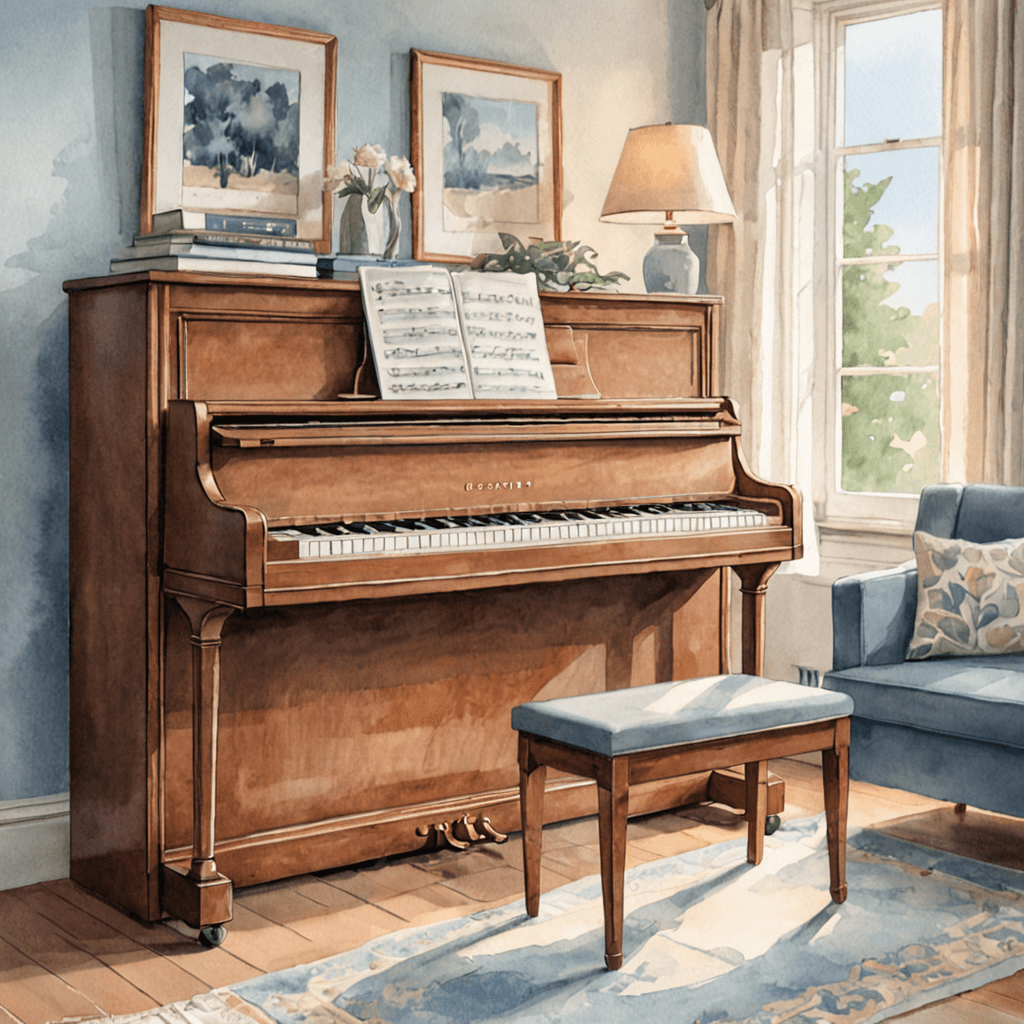
Acoustic Piano vs Keyboard: What Etobicoke Teachers See
Table of Contents
Most Etobicoke parents starting their child in piano lessons ask the same practical question before they spend a dollar: do we really need an acoustic piano, or is the keyboard already in the basement good enough? It’s a fair question — instruments are an investment, space is tight, and the marketing on digital keyboards makes them all sound equivalent. Below, we break down what actually changes in a child’s playing depending on what they practice on at home, where the real dividing line sits, and how to choose without overspending.
The Honest Answer Isn’t “Acoustic or Nothing”
Let’s clear up the biggest myth first: you do not need a full acoustic upright piano to give your child a strong start. Plenty of students at our Etobicoke studio progress beautifully on the right kind of digital instrument. The question that actually matters isn’t “acoustic versus digital” — it’s weighted versus unweighted keys.
A weighted digital piano is built to imitate the resistance of an acoustic piano’s hammers. When your child presses a key, it pushes back. An unweighted keyboard — the kind with light, springy keys you find on many entry-level and toy-grade models — offers almost no resistance at all. That single difference, the resistance under the fingers, is what separates an instrument that builds proper technique from one that quietly undermines it.
So the real spectrum looks like this: acoustic piano and weighted digital piano sit comfortably at the “good for learning” end, and unweighted keyboards sit at the “fine for the first few weeks, a problem after that” end.
What We Actually Observe Around Month Six
This is where theory meets reality. In our experience teaching beginners, the first few months on an unweighted keyboard look completely fine. The child learns where the notes are, plays simple melodies, and parents feel reassured that the cheaper instrument was the smart call.
Then, somewhere around the six-month mark, the cracks appear — and they appear in a very specific, predictable order.
The first thing we notice is staccato. On a light keyboard, a child barely has to do anything to make a note sound, so they never develop the crisp, controlled finger lift that staccato requires. When they sit at the studio piano and we ask for short, detached notes, the muscles simply aren’t there yet.
The second is dynamics — playing louder and softer for expression. Unweighted keyboards typically don’t respond to how hard you press; the note sounds the same whether you tap it gently or strike it firmly. A child who has practised for months on an instrument with no dynamic response has had no reason to develop that control, so phrases come out flat.
The third is speed. This one surprises parents the most. On a light keyboard, fast passages feel easy because there’s no resistance to push through. On a real piano, those same passages become almost impossible at first, because the small muscles in the hand and fingers were never strengthened against any weight. The keys feel heavy, the fingers tire quickly, and progress stalls.
Underneath all three is the same root cause: the student spent months practising on something that didn’t ask anything of their hands, and now the studio piano feels like a completely different instrument. We often also see knock-on effects in finger position and hand shape, because a child compensating for unfamiliar resistance starts bracing in ways that have to be unlearned.
None of this means the child lacks talent or isn’t practising. It means the practice instrument set them up to develop the wrong physical habits. That’s why this question is worth getting right before lessons begin, not after.
How to Choose the Right Instrument Without Overspending
The good news is that the fix is straightforward and doesn’t require buying a grand piano.
If you can accommodate an acoustic piano, a well-maintained used upright is a wonderful choice. The touch is authentic, the sound is rich, and many families find quality second-hand uprights at reasonable prices. The trade-offs are honest ones: they need tuning once or twice a year, they’re heavy to move, and they take up real floor space.
If space, budget, or noise is a concern, a weighted digital piano (sometimes labelled “fully weighted” or “hammer action”) is an excellent and often more practical option. It gives your child the key resistance that builds proper technique, it never needs tuning, it can be played with headphones late at night, and it fits a condo or a smaller Etobicoke home far more easily. For most beginning families we work with, this is the sweet spot.
What to be cautious about is the entry-level keyboard with light, unweighted keys, especially anything fewer than 88 keys. It’s tempting because it’s inexpensive, but as we covered above, it tends to cost more in retraining later than it saves up front. If it’s genuinely all you have for the first month while you decide, that’s fine — just treat it as temporary.
A few practical specs to look for when shopping: 88 keys, fully weighted or hammer-action keys, and touch sensitivity (the instrument responds to how hard you play). If a model has those three things, your child has what they need to develop real technique at home.
Why the Home Instrument and the Lessons Have to Match
Practice is where the actual learning happens — lessons are guidance, but the hours between lessons are where habits form. If a child’s home instrument trains different muscles and reflexes than the one they’re taught on, every lesson starts with a small correction tax before any new material can be covered.
That’s the practical case for matching your home setup to the instrument your child learns on. When the home piano and the studio piano feel the same under the hands, practice transfers cleanly, progress compounds, and lessons move forward instead of constantly resetting. Our piano lessons in Etobicoke are built around that consistency, and we’re always happy to advise families on what to buy before they commit to a purchase — it’s one of the most common conversations we have with new parents.
If your child is heading toward graded examinations down the road, the instrument question matters even more, because the control required for Etobicoke RCM exam prep depends on exactly the dynamic and articulation skills that an unweighted keyboard can’t develop.
Trying Lessons Before You Buy Anything
Here’s the approach we recommend to families who are unsure: start with a trial lesson before you invest in an instrument. A trial lesson at Muzart Music and Art School is $35, and it gives your child a chance to sit at a proper piano, gives you a chance to ask an experienced teacher exactly what to buy for your space and budget, and removes the guesswork entirely. Many parents find it far easier to choose an instrument after one lesson than after hours of online research.
Ongoing private piano lessons run $155 monthly with all materials included, so there are no surprise add-on costs as your child progresses. You can book a trial lesson whenever you’re ready, or request more information if you’d like to talk through your specific situation first.
Frequently Asked Questions
Is a keyboard okay for the first year of piano lessons?
A weighted keyboard — a digital piano with hammer-action keys — is perfectly fine for the first year and well beyond. A light, unweighted keyboard is okay for the first few weeks while you decide, but in our experience it starts to limit technique noticeably around the six-month mark, particularly with staccato, dynamics, and speed.
How many keys does my child’s instrument need?
Look for a full 88 keys. Smaller keyboards run out of range quickly as a student progresses through even early repertoire, which means relearning passages on a larger instrument later. Eighty-eight fully weighted keys is the standard worth aiming for.
Do digital pianos need tuning like acoustic pianos?
No. Digital pianos hold their pitch permanently and never need tuning, which is one of their genuine advantages. Acoustic pianos typically need professional tuning once or twice a year to stay in good condition.
My child practises on a keyboard but the studio piano feels too hard for them. Is that normal?
Yes, and it’s exactly the pattern we described above. Light keys at home don’t build the finger and hand strength a real piano requires, so the studio instrument feels heavy by comparison. The solution is a weighted instrument at home so practice and lessons train the same muscles. We’re glad to help you choose one.
What’s the most cost-effective instrument for a beginner?
For most families, a fully weighted digital piano hits the best balance of cost, technique-building touch, and practicality. A good used acoustic upright is also excellent if you have the space and don’t mind occasional tuning. We’d suggest booking a trial lesson and asking your teacher before buying — it’s the cheapest way to avoid an expensive mistake.
Choosing your child’s first instrument shouldn’t be stressful, and it shouldn’t require spending more than you need to. If you’d like a teacher’s honest recommendation for your space and budget, come in for a trial lesson — we’ll point you in the right direction.