
Art Portfolio Mistakes That Cost Students OCAD Acceptance
Table of Contents
Every year, talented students get rejected from OCAD University — not because they lack artistic ability, but because their portfolios contain avoidable mistakes. These are not small errors in presentation or formatting. They are fundamental missteps in how students approach portfolio building that undermine even strong artistic work.
The frustrating part is that most of these mistakes are entirely preventable. They stem from misunderstanding what evaluators are actually looking for, poor planning, or simply not having someone experienced enough to flag the problem before submission. At Muzart Music and Art School in Etobicoke, our portfolio preparation instructors have seen every one of these mistakes — and have helped students correct them before they cost an acceptance letter.
If your teen is preparing an OCAD portfolio, here are the mistakes that matter most and how to avoid them.
Mistake 1: Submitting Only Finished Pieces Without Process Work
This is the single most common mistake, and it is the one that costs the most students their spot. Many applicants assume that a portfolio should showcase only their best, most polished finished work. They select their favourite paintings, their most detailed drawings, and their most impressive final projects, arrange them beautifully, and submit.
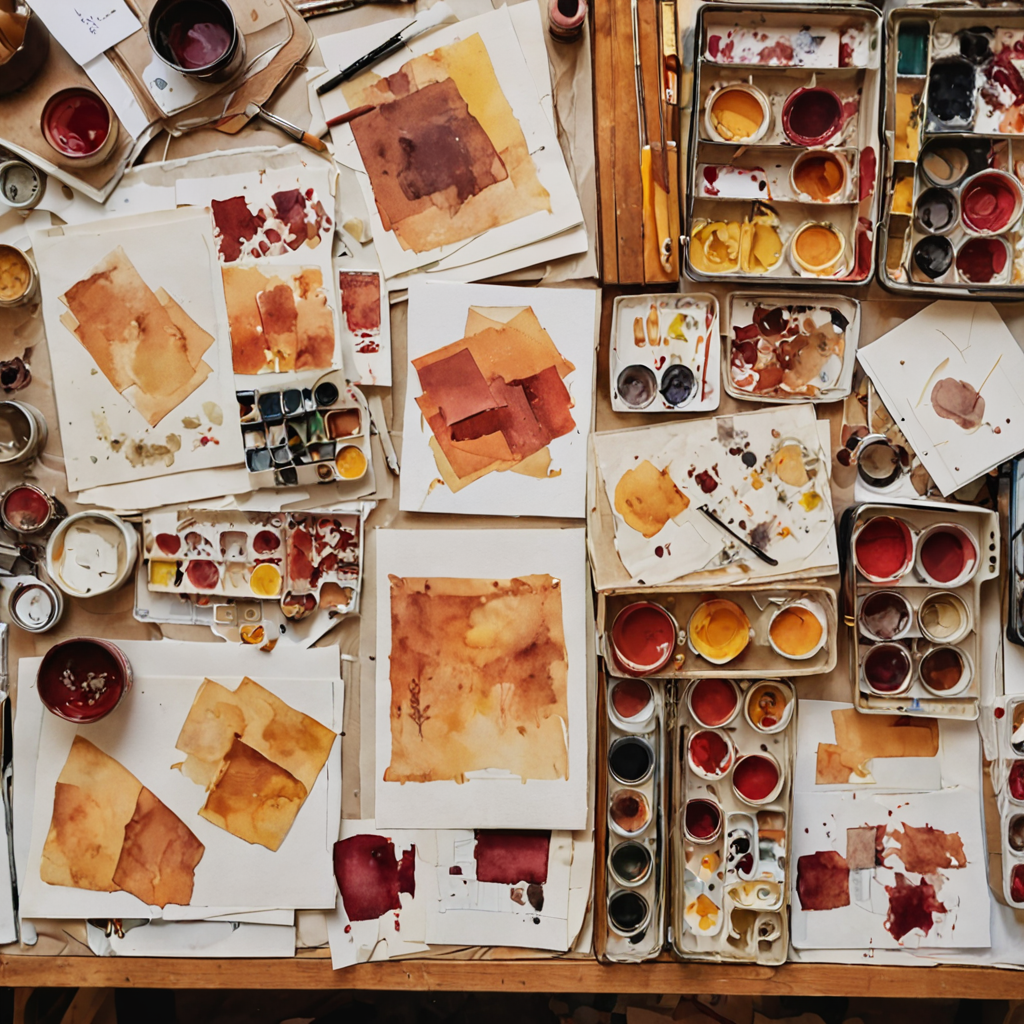
The problem is that OCAD evaluators are not just judging the end result — they are evaluating how you think. Process work — sketchbook pages, thumbnail studies, colour experiments, iterations, and failed attempts that led to breakthroughs — tells an evaluator far more about your potential as an art student than a gallery of finished pieces ever could.
Think of it from the evaluator’s perspective. They are selecting students for a rigorous academic program that involves constant experimentation, critique, and revision. A student who can only show finished work raises a question: can this person actually navigate the creative process, or did they just polish a handful of pieces until they looked impressive?
The fix is straightforward but requires a shift in mindset. From the moment your teen begins portfolio preparation, they should be documenting their process. Every sketchbook page, every colour study, every abandoned idea that led somewhere unexpected — these are not scraps to be hidden. They are evidence of creative thinking, and they belong in the portfolio.
At Muzart, our instructors emphasize process documentation from day one of portfolio preparation. Students learn to see their developmental work not as mess but as material, and their portfolios are stronger for it.
Mistake 2: Showing Range Without Any Depth
Evaluators want to see that applicants can work across media and approaches. This is a well-known requirement, and many students respond by creating one piece in every medium they can access — a watercolour, an acrylic painting, a charcoal drawing, a digital illustration, a collage, a sculpture, and a photograph. The portfolio looks varied, but it also looks shallow.
Range without depth tells evaluators that you have tried many things but committed to none of them. It suggests a student who is sampling rather than developing, which is not what art programs are looking for. OCAD wants students who have both breadth and demonstrated investment in at least one or two areas.
The stronger approach is to show competence across three or four media while demonstrating clear strength and sustained development in one or two. If your teen is a strong drawer, the portfolio should include several drawings that show progression and exploration within that medium — different subjects, scales, and techniques — alongside work in other media that rounds out the submission.
This balance is difficult to achieve without guidance, which is why working with an experienced instructor matters. They can look at your teen’s body of work, identify natural strengths, and help construct a portfolio that communicates both versatility and commitment.
Mistake 3: Relying on Copied or Derivative Work
Reproducing other artists’ work — whether copying an image from Instagram, recreating an anime character, or painting a famous photograph — is one of the quickest ways to weaken a portfolio. OCAD evaluators see hundreds of portfolios each cycle, and copied work is immediately recognizable.
This does not mean that studying other artists is wrong. Learning from masters and contemporary practitioners is a fundamental part of artistic development. But the portfolio is where your teen needs to show their own vision. Pieces that are clearly derivative — even if they are technically well-executed — signal that the student has not yet developed an independent artistic voice.
Fan art is a particularly common pitfall for teen applicants. Many talented young artists have spent years drawing characters from anime, video games, or movies, and their technical skill within that genre may be impressive. But a portfolio full of fan art tells evaluators very little about the student’s creative potential outside of reproducing existing intellectual property.
The solution is not to abandon personal influences but to transform them. If your teen loves anime aesthetics, they can explore what it is about that style that appeals to them — the colour palettes, the emotional expression, the composition — and incorporate those elements into original work. This shows creative thinking while honouring genuine artistic interests.
Mistake 4: Ignoring the Written Components
Many OCAD programs require artist statements, written reflections, or explanatory text alongside portfolio pieces. Students who pour energy into their visual work and then dash off their written components as an afterthought are making a costly mistake.
Written components serve a specific purpose: they give evaluators insight into how you think about your work, what your intentions are, and how articulate you are about your creative process. A compelling artist statement can elevate a portfolio, while a poorly written one can undermine otherwise strong visual work.
Common writing mistakes include being too vague (“I like to express my feelings through art”), too technical without substance (“I used a layered glazing technique with cadmium yellow and ultramarine blue”), or too short to convey meaningful thought. The best artist statements are specific, reflective, and connect the work to the student’s broader creative interests and goals.
This is an area where professional preparation is particularly valuable. Instructors in our Etobicoke art program help students articulate their artistic thinking in writing, a skill that serves them not just in applications but throughout their art school careers.
Mistake 5: Poor Photography and Presentation
This one seems minor compared to the content-level mistakes above, but it matters more than most students realize. If your teen’s portfolio includes physical work that has been photographed, the quality of those photographs directly affects how evaluators perceive the work.
Poorly lit photographs, images shot at angles that distort proportions, backgrounds that distract from the work, and low-resolution images all diminish the impact of otherwise strong pieces. An evaluator who cannot see the details of a painting because the photograph is dark or blurry will not give that piece the benefit of the doubt — they will simply move on.
For physical work, photograph each piece in even, natural lighting against a clean, neutral background. Ensure the camera is level and the entire piece is in focus. For digital work, export at the highest quality your submission platform allows.
Presentation also extends to how the portfolio is organized. Pieces should be sequenced deliberately, with the strongest work appearing early in the portfolio to make an immediate impression. The overall flow should feel intentional, not random. Evaluators review many portfolios in a short time, and first impressions carry weight.
Mistake 6: Waiting Too Long to Start
This is less a portfolio content mistake and more a strategic one, but its impact on portfolio quality is enormous. Students who begin serious portfolio preparation too late — within a few months of the deadline — are forced to rush, and rushed portfolios almost always show it.
The signs of a last-minute portfolio are visible to experienced evaluators: inconsistent quality across pieces (because some were made carefully and others were produced under pressure), a lack of process work (because there was not time to document it), and a portfolio that feels assembled rather than developed.
Starting early — ideally 12 months before the submission deadline — gives students time to develop skills, explore ideas, create process work naturally, and curate their final submission from a larger body of work. A trial lesson for our portfolio preparation program costs $70 and is the most efficient way to assess where your teen stands and how much preparation time they realistically need.
Building a Portfolio That Gets Accepted
Avoiding these six mistakes will not guarantee OCAD acceptance — no honest preparation program can promise that. But it will ensure that your teen’s portfolio presents their abilities accurately and completely, without the self-inflicted wounds that eliminate many talented applicants from the running.
The common thread across all six mistakes is that they are difficult to identify from the inside. Students working independently often cannot see their own blind spots. Parents, while supportive, rarely have the specific knowledge of portfolio evaluation criteria needed to provide strategic feedback. This is where professional preparation earns its value.
At Muzart, our monthly portfolio preparation program is $310 for one-hour lessons with all materials included. You can book a trial lesson for $70 at our Etobicoke location near Cloverdale Mall to get an honest assessment of your teen’s portfolio and a concrete plan for strengthening it. Or request more information if you have questions before scheduling.
The difference between a good portfolio and a great one is rarely about raw talent. It is about strategy, preparation, and having someone in your corner who knows exactly what evaluators want to see.
Frequently Asked Questions
How many pieces should be in an OCAD portfolio?
Most OCAD programs request between 8 and 15 pieces, depending on the specific program. Always check the current requirements on OCAD’s website, as they can change from year to year. A focused portfolio of 10 excellent pieces with supporting process work will always outperform 15 mediocre ones.
Can digital art be included in an OCAD portfolio?
Yes, many OCAD programs welcome digital work, including digital illustration, graphic design, photography, and video. However, a portfolio that is exclusively digital may raise questions about your teen’s ability to work with physical media. Including a mix of digital and traditional work typically makes the strongest impression.
Is it okay to include schoolwork in an art portfolio?
Art projects completed for school can be included if they demonstrate genuine skill and creative thinking. However, they should not make up the majority of the portfolio. Work created specifically for portfolio preparation — with intentional skill development and creative exploration — tends to be stronger because it was made with portfolio evaluation criteria in mind.
What if my teen is talented but has never had formal art lessons?
Natural talent is a wonderful starting point, but translating raw ability into a competitive portfolio requires understanding what evaluators expect. Our portfolio preparation program is designed to bridge that gap, helping students channel their existing talent into work that meets institutional evaluation standards while developing new technical skills.
Should my teen apply to OCAD even if their portfolio is not perfect?
No portfolio is perfect. The question is whether it is competitive — whether it demonstrates enough skill, creative thinking, and potential to earn an offer. A $70 trial lesson at Muzart can help answer that question honestly, giving you a clear assessment of where the portfolio stands and whether it is ready for submission or needs additional development time.