Category: Articles

  • Art Materials for Young Artists: What Etobicoke Parents Should Know

    Art Materials for Young Artists: What Etobicoke Parents Should Know

    Art Materials for Young Artists: What Etobicoke Parents Should Know

    Understanding what art materials children actually need removes confusion and unnecessary expense from the art education journey. For families in Etobicoke, Toronto, and Mississauga enrolling children in art classes, knowing what’s provided, what’s optional, and what supports creative development at home helps parents make informed decisions about supplies and investments. At Muzart Music & Art School, located near Cloverdale Mall in Etobicoke, all art materials used during group art classes and private art lessons are included in program fees, eliminating one of the major concerns families often have about art education costs.

    The art supply market can overwhelm parents unfamiliar with materials and their purposes. Store aisles display countless products with varying quality levels and price points, leaving parents uncertain about what matters for young artists and what represents unnecessary expense. Professional guidance about age-appropriate materials, quality considerations, and what actually supports creative development helps families invest wisely when they choose to supplement studio instruction with home supplies.

    Additionally, understanding what happens with materials during lessons—how children explore different media, why variety matters, and how instructors guide material usage—helps parents appreciate the comprehensive creative education their children receive. This knowledge often reduces anxiety about whether children need extensive supplies at home and clarifies the value of the inclusive approach to materials in our art programs.

    Materials Included in Art Lessons

    One of the significant advantages of enrolling in comprehensive art programs is having all necessary materials provided. This inclusive approach ensures every student accesses quality supplies regardless of family budget and eliminates the confusion about what to purchase.

    Drawing materials form the foundation of most art instruction. Our art lessons in Etobicoke include various pencils (graphite in different hardnesses, colored pencils, charcoal), erasers (kneaded, rubber, vinyl), drawing papers in various weights and textures, and blending tools. Students explore different drawing implements to discover their preferences and learn how different tools create different marks and effects.

    Painting supplies encompass multiple media to provide broad exposure. Watercolors, tempera paints, and acrylics all appear in our curriculum, each offering unique properties and creative possibilities. Brushes in various sizes and shapes, palette knives, sponges for texture, water containers, palettes, and appropriate papers for each medium ensure students can explore painting fully. The quality of paints matters significantly—student-grade paints provide adequate pigmentation and handling properties without the expense of professional materials.

    Sculpture and three-dimensional materials allow exploration beyond flat surfaces. Modeling clay, air-dry clay, wire, papier-mâché supplies, and various construction materials enable students to think dimensionally and develop spatial awareness. Tools for clay work—sculpting implements, rolling pins, cutting tools—support technique development in three-dimensional media.

    Mixed media supplies encourage creative experimentation and material combination. Collage materials, fabric scraps, found objects, glue in various formulations, and assorted papers and textures inspire creative exploration beyond traditional fine art materials. This exposure to diverse materials expands students’ creative vocabulary and problem-solving abilities.

    Printmaking materials introduce this important artistic process. Foam plates for relief printing, brayers, printing ink, and appropriate papers allow students to experience printmaking’s unique qualities—the repetition, reversal, and collaborative possibilities this medium offers. While sophisticated printmaking requires specialized equipment, simple techniques using accessible materials provide valuable introduction.

    Specialty materials appear in specific projects or advanced work. These might include pastels, oil pastels, markers, ink and nibs, specialized papers, mat board, or digital art supplies depending on the project and student level. The curriculum’s variety ensures exposure to diverse materials and techniques throughout students’ development.

    Storage and organization systems in the studio keep materials accessible and orderly. Individual portfolios store ongoing work, labeled containers organize supplies by type, and systematic cleanup routines teach students to care for materials and workspace. This organizational structure supports focused creative work and teaches responsibility for shared resources.

    The inclusive materials policy means families know their exact investment without worrying about unexpected supply costs throughout the year. Whether children attend group classes or private lessons, all necessary materials for instruction are provided, making budgeting straightforward and ensuring access equity among students.

    Age-Appropriate Materials and Safety Considerations

    Not all art materials suit all ages. Understanding which materials work safely and effectively for different developmental stages helps parents make informed choices if purchasing supplementary home supplies.

    Young children (ages 5-8) need materials that accommodate their developing fine motor skills and coordination. Chunky crayons, thick markers, large pencils, and big brushes suit small hands better than standard-sized tools. Washable, non-toxic materials become essential at this age—tempera paints rather than acrylics, washable markers, and water-based materials that clean easily from skin, clothing, and surfaces. Safety scissors with blunt tips, non-toxic glue sticks, and large sheets of paper allow creative expression without the frustration that comes from tools requiring precision beyond their current abilities.

    Elementary-age children (ages 9-11) can handle standard-sized art materials as fine motor control develops. They graduate to regular pencils, standard brushes, and tools requiring more precise control. These students can work with a broader range of materials including acrylic paints (still non-toxic formulations), more sophisticated drawing implements, and materials requiring careful handling. They understand basic safety concepts like not putting materials in mouths, washing hands after art activities, and following instructions about material use.

    Middle school students (ages 12-14) can work safely with most art materials when properly instructed. More advanced techniques become accessible—using craft knives with supervision, working with materials requiring ventilation awareness, and handling tools that demand respect and careful use. At this age, students understand safety protocols and can follow guidelines about protective equipment, workspace ventilation, and proper tool handling.

    High school students and advanced artists can access professional-grade materials as skill and understanding justify their use. Oil paints, spray fixatives, advanced printmaking chemicals, and power tools for sculpture all become appropriate with proper instruction and safety equipment. The emphasis shifts from safety supervision to safety education—students learning professional practices around material handling, studio safety, and environmental considerations.

    Toxic material awareness matters regardless of age. Even young children should learn that some art materials aren’t food, require handwashing after use, and need adult supervision. Parents purchasing home supplies should look for AP (Approved Product) or CP (Certified Product) seals from the Art and Creative Materials Institute, indicating materials meet safety standards for their labeled age recommendations. Avoid materials labeled for adult use or containing warnings about specific ingredients when buying for children’s home use.

    Allergy and sensitivity considerations affect material selection for some students. Latex allergies require latex-free erasers, some students react to certain adhesives, and fragrance sensitivities might affect tolerance for scented markers or modeling compounds. Instructors should be informed of any known sensitivities so alternative materials can be provided during lessons.

    Mess tolerance varies by family, influencing home material choices. Some families embrace the potential chaos of painting and mixed media at home, while others prefer less messy drawing and digital art activities. Understanding family tolerance for cleanup helps select home materials that actually get used rather than remaining pristine in storage because the mess feels overwhelming.

    Optional Home Art Supplies

    While all lesson materials are provided, some families choose to support creative exploration at home with supplementary supplies. Understanding what proves worthwhile versus what collects dust helps families invest effectively if they choose this path.

    Basic drawing supplies offer the most value for home creativity. A set of quality colored pencils (24-48 colors), a sketchbook or drawing pad, regular pencils in various hardnesses (2H, HB, 2B, 6B), a good eraser, and a pencil sharpener enable substantial creative work at home. This relatively modest investment—typically $30-60 total—provides months of creative activity. Drawing requires minimal setup and cleanup, making it accessible for spontaneous creativity.

    Watercolor sets designed for students provide another excellent home option. A basic watercolor pan set (12-24 colors), watercolor paper, and a few brushes in different sizes allow painting exploration without the complexity of acrylics or oils. Watercolors clean up easily, take minimal space, and offer satisfying creative results. Student-grade sets from reputable art supply manufacturers cost $20-40 and provide quality adequate for developing young artists.

    Sketchbooks in various sizes encourage drawing habit development. Having dedicated sketchbooks for home use—separate from lesson portfolios—creates space for free exploration without the feeling that every mark must be “good enough” for instruction review. Spiral-bound sketchbooks with decent paper weight cost $5-15 depending on size and page count.

    A dedicated art space or supplies container makes home creativity more accessible. A plastic storage bin, rolling cart, or designated shelf for art supplies signals that creative work is valued and makes spontaneous art-making easier. When supplies require extensive setup, children often choose easier activities even when they’d enjoy creating if materials were readily accessible.

    Quality considerations matter more than quantity. Better to have fewer higher-quality materials that perform well than extensive collections of cheap supplies that frustrate rather than enable creativity. Student-grade materials from established art supply manufacturers provide significantly better experience than dollar store art supplies, though they needn’t be professional-grade products.

    Avoid extensive purchases before assessing actual usage patterns. Some children create constantly at home and would use diverse supplies regularly. Others rarely engage with home art materials despite parents’ hopes. Starting with basic supplies allows assessment of actual interest and usage before investing in more extensive collections. Families can always add materials as patterns of use become clear.

    Digital art options increasingly appeal to tech-savvy children. Drawing tablets, styluses for tablets, and art apps provide creative outlets that many children find engaging. While different from traditional materials, digital art develops similar creative thinking and offers unique possibilities. Free or low-cost drawing apps on existing tablets provide entry points without requiring specialized equipment purchases.

    Supporting Creative Development Beyond Lessons

    Materials represent just one aspect of supporting children’s artistic development. Creating an environment that nurtures creativity and provides opportunities for artistic growth matters as much as physical supplies.

    Display children’s artwork throughout your home. This demonstrates that you value their creative work and builds their confidence as artists. Rotating displays prevent overwhelming wall space while ensuring recent work receives recognition. Avoid displaying only “good” pieces—showing various work, including experimental or process-focused pieces, communicates that all creative exploration has value.

    Visit art museums, galleries, and exhibitions regularly. Toronto offers exceptional art institutions including the Art Gallery of Ontario, smaller galleries throughout the city, and frequent exhibitions at cultural centers. These experiences expose children to diverse artistic styles, professional work, and the broader art world beyond their own creating. Many institutions offer family programs specifically designed for children.

    Provide unstructured creative time alongside structured lessons. While lessons teach technique and skill, free creative time allows experimentation, play, and personal exploration without instructional objectives. Both structured learning and unstructured exploration contribute to artistic development. Children need space for both guided skill-building and self-directed creative freedom.

    Encourage process over product. Asking children about their creative process—”How did you make that texture?” “What were you trying to show?”—values the thinking and exploration behind the work rather than just the end result. This questioning approach develops metacognition about creative choices and helps children become intentional about their artistic decisions.

    Connect art to other interests. Children passionate about animals might explore wildlife illustration. Those interested in stories might create sequential art or picture books. Science enthusiasts might draw detailed observational studies. These connections make art personally relevant and demonstrate its relationship to broader interests and learning.

    Model creative engagement yourself. Children whose parents engage in creative activities—whether traditional art, crafts, cooking, gardening, or other creative pursuits—often develop stronger creative confidence. You needn’t be skilled at art; simply demonstrating that adults value creative expression and aren’t afraid of making “imperfect” things provides powerful modeling.

    Respect creative preferences and interests. Some children love painting, while others prefer drawing. Some work representationally, while others explore abstraction. Supporting children’s natural inclinations rather than pushing them toward particular styles or media helps maintain intrinsic motivation and ownership of their creative development.

    The Studio Experience and Materials Usage

    Understanding how materials are used during lessons helps parents appreciate the comprehensive exploration their children receive and the pedagogical reasons behind material choices.

    Progressive skill building guides material introduction. Students don’t use all materials immediately. Instruction introduces materials sequentially as skills develop, ensuring students can engage successfully with each medium. Beginning students might work primarily with pencils and simple paints before advancing to more complex materials requiring greater control and understanding.

    Technique demonstration precedes independent work. Instructors demonstrate proper material use—how to hold brushes, mix colors, blend with different tools—before students work independently. This modeling prevents wasted materials and helps students achieve desired effects rather than struggling with unfamiliar media.

    Experimentation and exploration form essential parts of learning. Not every piece students create represents finished work intended for display. Sometimes students simply explore what happens when materials combine, how different tools create marks, or what effects various techniques produce. This experimental work builds understanding that informs more intentional future creating.

    Cleanup and material care teach responsibility. Students learn to clean brushes properly, cap markers, return materials to appropriate storage, and care for shared resources. These habits extend beyond art class, teaching general responsibility and respect for tools and materials.

    Material limitations sometimes drive creativity. While comprehensive material provision ensures access, instructors occasionally create constraints—”create something using only these three colors” or “make texture without brushes”—that push creative problem-solving. These limitations often produce more creative solutions than unlimited options.

    Age-appropriate supervision ensures safety and proper use. Instructors monitor material use actively, ensuring students use tools safely, follow proper techniques, and don’t waste materials unnecessarily. This supervision allows access to diverse materials while maintaining safety and teaching responsible use.

    Group dynamics in group classes affect material experiences. Students observe classmates’ techniques, share discoveries about materials, and learn from seeing varied approaches to the same supplies. This peer learning enhances material exploration beyond what individual instruction alone could provide.

    Local Resources for Art Supplies in Toronto

    Families choosing to purchase supplementary home supplies have excellent options throughout Toronto, Etobicoke, and Mississauga. Knowing where to find quality materials helps families shop effectively.

    Specialty art supply stores offer the most comprehensive selections and knowledgeable staff. Stores like Curry’s Art Store, Above Ground Art Supplies, and Gwartzman’s Art Supplies stock extensive ranges from student to professional grade. Staff can provide guidance about appropriate materials for different ages and purposes. While these stores’ prices may exceed big-box retailers for some items, the quality and expert advice often justify the difference.

    Craft stores like Michaels provide accessible options throughout the greater Toronto area. These stores stock adequate student-grade materials for home use, frequently run sales on art supplies, and offer rewards programs that reduce costs for regular shoppers. While selection may not match specialty stores, the convenience and pricing work well for supplementary home supplies.

    Educational supply stores sometimes sell to the public and offer materials specifically designed for children’s use. These sources provide good value on items like construction paper, tempera paints, and basic supplies, though selection of fine art materials may be limited.

    Online retailers offer convenience and often competitive pricing. However, color accuracy and material quality can be difficult to assess without seeing items in person. Online shopping works well for replenishing known products but proves challenging when trying to select materials for the first time.

    Dollar stores and discount retailers sell art supplies at very low prices, but quality varies dramatically. While these sources might work for very young children’s free play or occasions when mess and waste are expected, the poor performance of ultra-cheap materials often frustrates children and undermines rather than supports creative development.

    Secondhand sources occasionally offer excellent values. Artist-quality materials from estate sales, garage sales, or online marketplaces sometimes become available at fraction of retail prices. However, this requires knowledge to identify quality items and luck in finding appropriate materials when needed.

    School supply sales in late summer often include art materials at competitive prices. While timing limits usefulness for immediate needs, these sales provide opportunities to stock up on basic supplies like paper, pencils, and crayons at excellent prices.

    Frequently Asked Questions

    Do we need to buy any art supplies if everything is provided in lessons?

    No, families don’t need to purchase any art supplies for lessons at Muzart Music & Art School. All materials used during group art classes and private art lessons are included in program fees. This inclusive policy ensures every student accesses quality materials regardless of family budget and eliminates confusion about what to buy. Students arrive at lessons ready to create without worrying about bringing supplies. However, some families choose to purchase supplementary materials for home use to support creative exploration between lessons. This optional home supply investment depends entirely on family interest and the child’s desire to create at home. The decision to buy home supplies should reflect actual usage patterns rather than assumptions about what children “should” have. Many families find that basic drawing supplies—sketchbook, pencils, colored pencils, eraser—provide adequate home creative options without extensive investment, while others prefer keeping creative work primarily within lesson time using studio materials.

    What art supplies should we avoid buying for young children?

    Avoid materials marketed for adult use or labeled with warnings when purchasing for children. Products containing toxic ingredients, requiring special ventilation, or deemed unsafe for children under specific ages should not be in children’s hands without proper instruction and supervision. Permanent markers, spray adhesives, oil-based paints, and materials with strong chemical odors generally aren’t appropriate for young children’s unsupervised use. Also avoid ultra-cheap materials from dollar stores that claim to be art supplies but perform so poorly that they frustrate rather than enable creativity. These products often have inadequate pigmentation, break easily, or produce disappointing results that discourage creative engagement. While you needn’t buy professional-grade materials for home use, student-grade products from reputable art supply manufacturers provide significantly better experiences. Additionally, avoid purchasing extensive collections of materials before assessing what your child actually uses. Starting with basic supplies allows you to observe usage patterns before investing in more extensive collections that might remain unused. Finally, avoid materials that require complicated setup or cleanup if those demands will prevent actual use—better to choose accessible materials that your child will use regularly than impressive supplies that stay in storage because the hassle feels overwhelming.

    How can I tell if art supplies are good quality without spending a lot?

    Several indicators help assess quality without requiring expert knowledge or professional-grade investment. For drawing materials, test pencils and colored pencils for smooth application without scratchy feeling or excessive pressure requirements. Quality pencils lay down pigment evenly and sharpen without breaking constantly. For paints, check ingredient lists—the pigment should appear early in the ingredient list rather than being primarily fillers. Student-grade paints from established manufacturers (like Crayola, Prang, or similar brands) provide reliable quality at reasonable prices. Paper weight matters significantly—look for drawing paper at least 60-70 lb weight and watercolor paper at least 90 lb to prevent tearing and bleeding. For brushes, check that bristles don’t shed excessively and that ferrules (metal parts) are firmly attached to handles. Reading online reviews before purchasing helps identify products that perform well versus those with quality issues. Shopping at specialty art stores rather than general retailers often ensures baseline quality even for student-grade materials, as these stores generally don’t stock the extremely cheap products that perform poorly. Remember that student-grade materials from reputable manufacturers provide excellent quality for developing young artists without the expense of professional materials. The goal is avoiding ultra-cheap products that frustrate rather than enable creativity, not purchasing the most expensive options available.

    Should we create a dedicated art space at home for our child?

    A dedicated art space isn’t necessary, but having accessible, organized art materials significantly increases usage frequency. Many families find that a simple plastic storage container with basic supplies kept in an accessible location works better than elaborate art studios. The key is reducing barriers to creative engagement—when supplies require minimal setup and cleanup responsibility feels manageable, children create more often. This might mean a corner of the kitchen table with nearby art supply storage, a small desk in a bedroom with a washable surface, or a rolling cart that can move to different locations as needed. Consider your child’s actual usage patterns rather than creating Pinterest-worthy art spaces that look beautiful but don’t get used. Some children will use extensive art spaces regularly, while others prefer keeping creative work primarily at lessons regardless of home setup. Start simple—perhaps a drawer or bin with basic supplies—and expand only if your child consistently uses what’s available. The “dedicated space” concept matters less than reducing the friction between creative impulse and actually creating. Even families living in small spaces can support home creativity with organized, accessible supplies in modest storage. The studio lessons provide comprehensive creative experiences, so home space primarily supports optional additional exploration rather than being essential for artistic development.

    What age-appropriate art supplies make good gifts for children?

    Age-appropriate art supply gifts that actually get used tend to be higher-quality versions of basics rather than elaborate specialty items. For young children (ages 5-8), consider quality crayon sets, washable marker sets, large drawing pads, simple watercolor sets, and modeling clay. Brand names like Crayola, Faber-Castell, and Melissa & Doug produce reliable products for this age group. For older elementary children (ages 9-12), quality colored pencil sets (36-48 colors), sketchbooks in various sizes, student watercolor sets with good color selection, and basic acrylic paint sets make excellent gifts. Middle school and high school students appreciate higher-quality materials matching their developing skills—professional-grade colored pencils, quality sketchbooks with good paper, brush sets, or specific materials supporting their current interests (manga supplies, calligraphy sets, or specialized tools). Art supply gift cards allow older students to select exactly what they want or need. Consider consumables over novelty items—children will use quality paper, paints, or pencils repeatedly, while gimmicky art gadgets often get used once and forgotten. Also think about complete sets that include everything needed for particular activities rather than items requiring additional purchases to use. When giving art supplies to children taking lessons at our Etobicoke art studio, consider asking their instructor what materials the student currently enjoys or might benefit from having at home. This guidance ensures gifts match actual interests and skill levels rather than assumptions about what children should enjoy.

    How do we store children’s artwork without it taking over our home?

    Artwork storage challenges nearly every family with creative children. Several strategies help manage the volume while respecting the work. First, photograph artwork before deciding what to keep physically. Digital archives preserve images of every piece without requiring physical storage, and digital photos can later be compiled into photobooks documenting artistic development. For physical storage, designate a specific space—a large flat portfolio, a file box, or a storage bin—and establish a rule that when it fills, review and curate what stays versus what goes. Involve children in this curation process, asking them to select favorites rather than parents making all decisions. This teaches decision-making and helps children understand that not every piece merits permanent keeping. Display systems like clipboards, picture hanging systems, or gallery walls allow rotating displays that honor current work while making room for new pieces. Some families photograph artwork and create digital slideshows or screensavers, giving pieces ongoing visibility without physical storage. For three-dimensional work, photographs become especially valuable since storing sculptures and models creates significant space challenges. Consider that truly special pieces deserve proper preservation—perhaps framing a few favorites annually—while others can be appreciated, photographed, and eventually recycled. The goal isn’t keeping everything but honoring the creative work while maintaining livable space. Children taking lessons will produce substantial work over time, making sustainable storage strategies essential. Developing these systems early prevents the overwhelming backlog that occurs when families save everything for years before addressing storage.

    Nurturing Creative Development Through Thoughtful Material Choices

    Art materials represent tools for creative expression, not ends in themselves. While quality supplies support artistic development, they’re far less important than supportive environments, dedicated time, encouragement, and professional instruction that develops skills and creative thinking.

    At Muzart Music & Art School, our Etobicoke studio near Cloverdale Mall removes material concerns by providing all necessary supplies for both group art classes and private art lessons. This inclusive approach ensures every student throughout Toronto, Etobicoke, and Mississauga accesses quality materials that support comprehensive creative education without families facing supply costs or confusion about what to purchase.

    Whether your child would thrive in our group classes or benefit from private instruction, the materials question has a simple answer: everything needed for lessons is provided. Families can focus on supporting creative development through encouragement, providing display space, visiting art museums, and simply valuing creative expression rather than worrying about supply adequacy.

    Optional home supplies support additional creative exploration for families choosing that path, but they’re not necessary for success in our art programs. The comprehensive studio experience using professional-grade materials ensures students develop skills and creativity regardless of what they have access to at home.

    Beginning art education in December positions students perfectly for creative growth throughout the new year. The upcoming January enrollment period represents an ideal time to start, and understanding that materials are included removes one of the common barriers families face when considering art education.

    Don’t let material concerns delay exploring art education for your child. Book a trial lesson to experience our comprehensive approach to art instruction with all materials provided, or request more information about our group classes and private lesson options. The creative development, self-expression, and artistic skills your child gains through quality instruction far exceed the value of any supply collection.

    Art education opens doors to creative thinking, visual literacy, self-expression, and lifelong appreciation for visual arts. Begin this journey at our Etobicoke studio, where comprehensive material provision, professional instruction, and genuine investment in each student’s creative development create the foundation for artistic growth that extends well beyond childhood.

  • Guitar for Beginners in Toronto: First Steps for Young Musicians

    Guitar for Beginners in Toronto: First Steps for Young Musicians

    Guitar for Beginners in Toronto: First Steps for Young Musicians

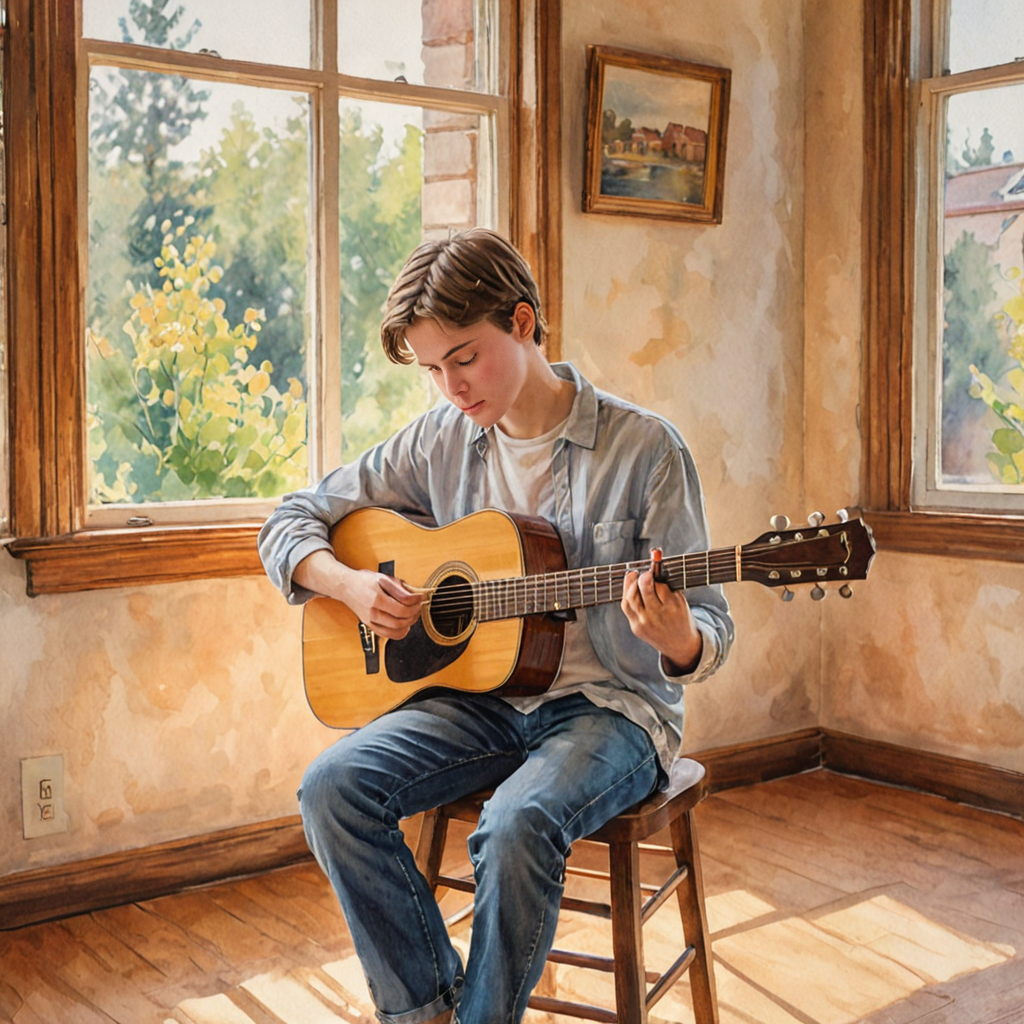
    Starting guitar lessons represents an exciting milestone in a child’s musical journey. For families in Toronto, Etobicoke, and Mississauga, understanding what to expect during those crucial first lessons and months helps set realistic expectations and supports long-term success. At Muzart Music & Art School, located in Etobicoke near Cloverdale Mall, we guide beginning guitarists through the foundational stages that establish technique, build confidence, and foster genuine love for the instrument through our guitar lessons in Etobicoke.

    The guitar’s popularity among young musicians stems partly from its versatility and cultural presence. Children hear guitars in virtually every musical genre, from pop and rock to classical and folk. This familiarity makes the instrument feel accessible and relevant, increasing motivation during the challenging early learning stages. However, this same familiarity can create unrealistic expectations about how quickly students will play recognizable songs or develop fluency.

    Beginning guitar instruction focuses on building proper foundations rather than immediate performance ability. While this patient, methodical approach might feel slow initially, it prevents the bad habits and technical limitations that plague self-taught guitarists. Professional instruction from the start establishes correct hand position, efficient finger movement, and musical understanding that accelerates long-term progress far beyond what rushed early advancement could achieve.

    What Happens in the First Guitar Lesson

    The initial guitar lesson establishes the foundation for everything that follows. Understanding what this first session covers helps families arrive prepared and ready to engage productively with the learning process.

    Instrument familiarization begins every beginner’s first lesson. The instructor introduces guitar anatomy—body, neck, fretboard, strings, tuning pegs—using proper terminology that students will hear throughout their musical education. This vocabulary might seem technical initially, but it enables clear communication about technique and music. Young students learn that guitars have six strings numbered from thinnest to thickest, that frets are the metal strips on the neck, and that proper positioning affects both sound quality and playing comfort.

    Proper holding position receives significant attention during first lessons. Many beginning guitarists hold their instruments incorrectly, creating tension and limiting technical development. Instructors demonstrate how to position the guitar against the body, where to place the right arm, how to angle the neck, and how to support the instrument without gripping it tensely. For children, finding the right guitar size and position matters enormously—a guitar that’s too large creates immediate physical challenges that undermine learning.

    Left hand positioning and finger placement introduce the physical coordination that guitar playing requires. Students learn how to curve fingers, place fingertips perpendicular to strings, and generate clear tones by pressing firmly behind frets. This seemingly simple action challenges many beginners who initially struggle to press hard enough, position fingers accurately, or avoid muting adjacent strings. The instructor provides immediate feedback and correction, preventing bad habits from forming.

    Right hand technique varies depending on whether students will primarily use picks or fingers. Most beginning students start with picks (also called plectrums), learning proper grip and basic strumming motions. The instructor demonstrates how to hold the pick firmly but not rigidly, how to angle it against strings, and how to generate clean, even strums. This coordination between right and left hands—one fretting notes while the other produces sound—represents guitar playing’s fundamental challenge.

    Simple exercises introduce students to making actual sounds on the instrument. Rather than jumping immediately to songs, first lessons typically include basic exercises like playing individual strings, simple finger patterns, or elementary strumming patterns. These exercises might seem unmusical, but they build the physical foundations that later support actual music making. The $35 trial lesson provides this complete introductory experience, allowing students and families to understand what guitar instruction involves before committing to ongoing study.

    Tuning basics appear in first lessons, though young beginners typically won’t tune their own guitars immediately. Instructors explain why tuning matters and demonstrate the process, beginning to train students’ ears to recognize when their guitar sounds correct. Electronic tuners make this process straightforward, and students gradually develop the ear and fine motor control needed to tune independently.

    Essential Equipment for Beginning Guitarists

    Understanding what equipment beginning guitarists actually need prevents both under-preparation and excessive initial investment. The guitar market offers countless products, but beginners require surprisingly few items to start successfully.

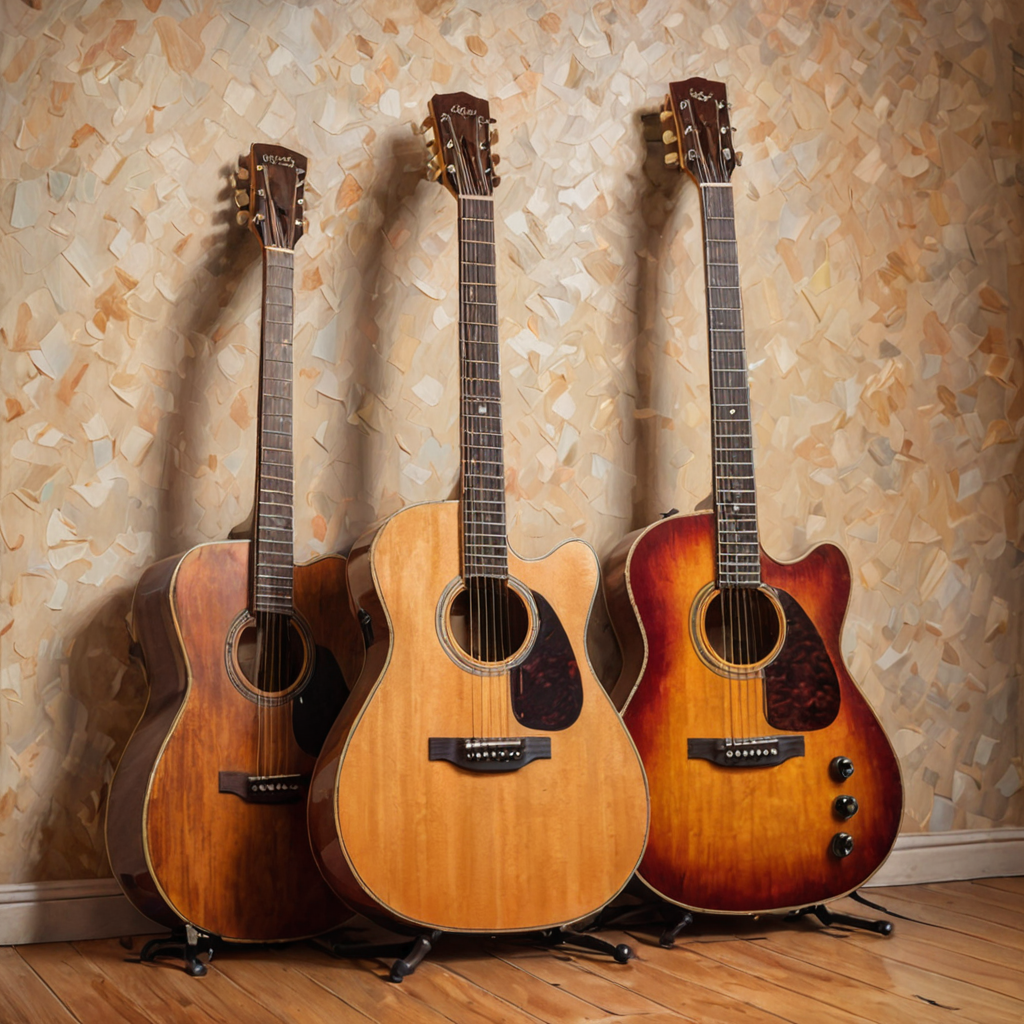
    The guitar itself represents the primary investment. For children and young teenagers, proper sizing matters enormously. Full-size guitars overwhelm many young students, making fretting difficult and holding positions uncomfortable. Three-quarter size guitars work well for most children ages 8-12, while smaller fractional sizes suit younger students. The instructor can provide specific sizing guidance during the trial lesson, ensuring families purchase or rent an appropriately sized instrument.

    Acoustic versus electric guitar represents a common decision point for beginners. Both have advantages. Acoustic guitars require no amplification, making them simpler and more portable. They’re often recommended for beginners because they build finger strength more quickly—the higher string action (distance between strings and fretboard) requires firmer pressing. Electric guitars have lighter string action, making fretting physically easier, but they require amplifiers and cables. Many instructors at our Etobicoke music lessons studio work with both types, allowing families to choose based on the child’s musical interests and physical capabilities.

    Budget considerations often guide initial guitar purchases. Families needn’t invest in expensive instruments for beginners, but extremely cheap guitars can actually impede learning. Poor intonation, rough fretwork, and high action make these ultra-budget instruments difficult even for experienced players. A quality beginner guitar typically costs $150-300 for acoustics or $200-400 for electric guitar starter packages including amp and cable. Many Toronto music stores offer these starter packages designed specifically for beginning students.

    Guitar picks in various thicknesses allow students to experiment and find what feels comfortable. Beginning students typically use medium thickness picks that provide good control without requiring excessive grip strength. Buying a variety pack costs just a few dollars and lets students discover their preferences as technique develops.

    A tuner—either clip-on or smartphone app—proves essential for home practice. Guitars go out of tune regularly, especially new instruments and those in homes with temperature fluctuations. Students can’t develop accurate pitch sense or finger positions when practicing on out-of-tune instruments. Clip-on tuners cost $15-30 and work reliably for beginners.

    A guitar case or gig bag protects the instrument when transporting to lessons and when stored at home. Even students who primarily keep guitars in one location benefit from cases that protect against accidental damage. Basic gig bags cost $20-40, while hard cases provide more protection at higher cost.

    A music stand helps students maintain proper posture while reading music or chord charts. While not absolutely essential initially, stands prevent the neck strain that comes from looking down at books on stands or floors. Simple folding music stands cost $15-25 and serve students throughout their musical education.

    Optional accessories include string winders for easier string changes (though beginners won’t change strings frequently), extra strings for when breakage occurs, and fingernail clippers to maintain short nails on the fretting hand. These items can be added gradually as needs arise.

    The $155 monthly program at our Etobicoke studio includes all necessary method books and materials, meaning families only need to provide the guitar itself and basic accessories. This inclusive approach removes uncertainty about what instructional materials to purchase.

    Common First-Month Challenges and Solutions

    Nearly all beginning guitarists encounter predictable challenges during their first weeks of study. Recognizing these as normal learning phases rather than personal inadequacies helps students persist through initial difficulties.

    Finger pain and soreness affect every beginning guitarist. The fingertips of the fretting hand must develop calluses to press metal strings comfortably. This process takes several weeks of regular practice, and initial sessions often leave fingertips sore and indented. Students should practice until fingers become uncomfortable but not painful, then rest. Short, frequent practice sessions build calluses more effectively than infrequent long sessions. Assuring students that this discomfort is temporary and universal helps them persist through this unavoidable phase.

    Difficulty forming clear notes frustrates many beginners. Pressing strings firmly enough, positioning fingers accurately, and avoiding muting adjacent strings all require coordination that develops with practice. Students often produce buzzing sounds, muted notes, or unintentional string combinations initially. This is completely normal. The instructor provides specific feedback about finger position and pressure, and improvement occurs rapidly with consistent practice and correction.

    Chord transitions challenge beginners significantly. While individual chord shapes become manageable fairly quickly, moving between chords smoothly requires muscle memory that develops over weeks and months. Beginning students should expect choppy, slow chord changes initially. Practicing specific transitions repeatedly—perhaps just moving between two chords dozens of times—builds the finger memory that eventually enables fluid playing.

    Rhythm and strumming patterns prove surprisingly difficult for many students. The right hand must maintain steady, even rhythm while the left hand forms chords, requiring coordination that feels awkward initially. Students often speed up during easy sections and slow down during difficult ones, or struggle to maintain consistent strumming patterns. Practicing with metronomes helps develop internal rhythm, though this steady mechanical beat feels foreign at first.

    Reading guitar tablature and chord charts introduces new notation systems. While simpler than traditional music notation, tablature still requires learning to connect written symbols to finger positions. Students must decode which string and fret the notation indicates, process this information, and execute the corresponding finger movement. This translation process feels slow and confusing initially but becomes increasingly automatic with practice.

    Hand and wrist fatigue occur regularly in beginning students. The unfamiliar positions and sustained muscle engagement tire hands quickly. Students should take breaks during practice when fatigue appears, stretching fingers and wrists gently. Building stamina takes time, and pushing through significant fatigue risks injury or reinforces tense playing positions.

    Motivation fluctuates during the first months as initial excitement meets the reality of disciplined practice. The gap between what students want to play and what they can currently play feels enormous. Reminding students that every guitarist, including their favorite performers, started exactly where they are now provides perspective. The instructor carefully balances skill-building exercises with accessible song fragments that provide musical satisfaction alongside technical development.

    Establishing Effective Practice Routines

    Success in guitar lessons depends heavily on what happens between weekly sessions. Establishing productive practice habits from the very beginning sets students up for sustained progress and achievement.

    Practice frequency matters more than duration for beginning students. Daily practice sessions of 15-20 minutes prove far more effective than twice-weekly hour-long sessions, even though total time is similar. The daily repetition builds muscle memory and reinforces learning before it fades. Young students’ attention spans rarely sustain focused practice beyond 20-30 minutes anyway, making shorter daily sessions both more effective and more realistic.

    Structured practice sessions accomplish more than aimless playing. Beginning students should approach practice with clear goals drawn from their lesson assignments. Perhaps the goal is playing a specific chord cleanly, executing a particular strumming pattern, or transitioning smoothly between two chords. This focused approach builds specific skills systematically rather than hoping random practice somehow generates improvement.

    Warm-up exercises should begin every practice session. Just as athletes warm up before training, musicians benefit from preparing hands and fingers before demanding technical work. Simple exercises like finger stretches, playing individual strings, or slowly forming and releasing chord shapes prepare the body for practice and reduce injury risk.

    Difficult sections deserve isolated attention. Rather than playing through entire songs repeatedly, students should identify challenging measures or transitions and practice those specifically. Playing a problematic chord transition twenty times in isolation builds competence far more effectively than playing the entire song three times and stumbling over that transition each time.

    Recording practice sessions helps students hear their own playing objectively. Most students can’t accurately assess their playing while executing it—attention focuses on what they’re trying to do rather than what they’re actually producing. Recording practice and listening afterward reveals rhythmic inconsistencies, unclear notes, or technical issues that weren’t apparent during playing. Smartphones make this recording process simple and free.

    Practice space should minimize distractions and include necessary materials. Students practice most effectively in quiet spaces where they can concentrate without competing stimulation. Having the guitar, music stand, tuner, metronome, method books, and assignment notes all in one designated area prevents wasted time gathering materials and creates an environment that supports focused practice.

    Parents of young students should initially supervise practice to ensure focused engagement. While students gradually develop independent practice skills, beginners often need guidance staying on task, following assignment instructions, and maintaining practice duration. Parental presence signals that practice matters and provides accountability that helps students persist through initial challenges.

    The First Song Milestone

    Playing a complete song—even a simple one—represents a significant achievement for beginning guitarists. Understanding what this milestone entails and when to expect it helps manage expectations realistically.

    Timeline expectations should account for individual variation. Some students play simple songs within their first month of lessons, while others need two or three months to develop the necessary coordination and skill. Factors affecting this timeline include age, natural finger dexterity, practice consistency, and previous musical experience. There’s no “correct” timeline—the goal is steady progress at an appropriate pace, not reaching arbitrary milestones by specific deadlines.

    First songs typically use very few chords—often just two or three. Simple folk songs, nursery rhymes, or elementary pop tunes allow students to practice chord transitions and strumming while producing recognizable music. These songs might seem overly simple, but they provide the musical satisfaction that motivates continued practice while building essential technical foundations.

    Simplified arrangements make challenging songs accessible to beginners. Many popular songs use complex chords, rapid transitions, or advanced techniques beyond beginning students’ current abilities. Instructors often create simplified versions using basic chords in easier keys, allowing students to play recognizable versions of songs they love even early in their studies. This adaptation provides motivation and satisfaction while maintaining appropriate challenge levels.

    Rhythmic simplicity usually precedes complex strumming patterns. First songs often use basic down-strumming or simple alternating patterns rather than the syncopated, varied strumming heard in recordings. Students master the chord progression and basic rhythm before adding strumming complexity, building skills incrementally rather than attempting everything simultaneously.

    Singing while playing represents an additional challenge many students eventually want to tackle. However, this coordination between voice and hands typically waits until chord changes become relatively automatic. Beginning students should focus on instrumental playing initially, adding vocals later once guitar playing requires less conscious attention.

    Performance pressure should remain minimal during early playing experiences. The goal is developing competence and confidence, not performance-ready execution. Playing for family members or the instructor in casual settings builds comfort with an audience without the pressure that can undermine learning. Our guitar lessons in Etobicoke emphasize this supportive, pressure-free environment that allows students to develop at their natural pace.

    Building Musical Understanding Alongside Technique

    Guitar lessons teach far more than finger positions and strumming patterns. Comprehensive instruction develops musical understanding that enables students to grow beyond rote memorization into genuine musicianship.

    Music theory fundamentals integrate into lessons from the beginning. Students learn note names, understand chord construction basics, and begin recognizing patterns in music. This theoretical understanding helps students see connections between different songs, predict chord progressions, and eventually compose or improvise their own music. Even young students can grasp basic theory concepts when presented through practical application on their instruments.

    Ear training develops alongside reading skills. Students learn to recognize intervals, match pitches with their voice, and eventually play simple melodies by ear. This aural skill development creates well-rounded musicians who can learn from recordings, play with other musicians, and understand music through listening as well as reading.

    Rhythm literacy proves as important as pitch knowledge. Students learn to count beats, recognize note durations, understand time signatures, and maintain steady tempo. These rhythmic skills transfer beyond guitar to any musical pursuit and even to non-musical activities requiring timing and coordination.

    Genre awareness expands students’ musical horizons. Exposure to classical guitar, folk, rock, jazz, and other styles helps students discover what excites them musically while appreciating the instrument’s versatility. This exploration prevents students from limiting themselves to a single style and provides context for understanding different technical approaches.

    Listening assignments complement practical playing. Instructors may suggest specific recordings for students to hear how professional guitarists approach techniques being studied. This listening develops critical ears and provides models of skilled playing that inspire students toward continued improvement.

    Music history in age-appropriate doses provides context for why certain styles developed and how the guitar’s role has evolved. Understanding the instrument’s rich history can deepen students’ connection to their studies and appreciation for the tradition they’re joining.

    Frequently Asked Questions

    At what age can children start guitar lessons?

    Most children can begin guitar lessons successfully around age 7-8, though individual readiness varies based on hand size, finger strength, and attention span. The physical demands of pressing metal strings firmly against a fretboard require finger strength that younger children often lack. Additionally, the coordination between hands and the focus required for 30-minute lessons typically develop around early elementary school age. Some children may be ready slightly earlier with appropriately sized instruments and age-appropriate instruction approaches. During the $35 trial lesson at our Etobicoke studio, instructors assess individual readiness, examine hand size relative to available guitar sizes, and provide honest guidance about whether starting now or waiting several months would better serve the child’s success and enjoyment. Starting too early can create frustration and discourage musical interest, while waiting until readiness appears sets students up for positive experiences from the beginning. Children showing strong interest in music and guitars might be ready earlier than general guidelines suggest, making individual assessment valuable.

    Should beginners start with acoustic or electric guitar?

    Both acoustic and electric guitars work for beginners, and the better choice depends on the student’s musical interests, physical capabilities, and practical considerations. Acoustic guitars offer simplicity—no amplifier needed, more portable, often less expensive initially. They build finger strength effectively because the strings typically sit higher from the fretboard, requiring firmer pressing. However, this same characteristic can challenge younger or smaller students who struggle generating enough pressure for clear notes. Electric guitars have lighter string action, making fretting physically easier, which benefits students with smaller hands or less finger strength. They require amplifiers and cables, adding cost and complexity, but they’re essential for students passionate about rock, metal, or other genres where electric guitar is central. Many instructors, including those in our music lessons program, work equally well with both types. The trial lesson allows discussion of which type might suit your child’s interests and physical development best, ensuring the instrument choice supports rather than hinders early learning.

    How much should families expect to practice between weekly lessons?

    Beginning guitar students should practice 15-20 minutes daily, six days per week for optimal progress. This frequency and duration builds muscle memory, reinforces learning, and develops the finger strength and calluses necessary for comfortable playing. While this might seem modest, consistency matters far more than duration—daily 15-minute sessions accomplish more than twice-weekly hour-long practices even though total time is similar. The daily repetition prevents skills from fading between practice sessions and builds automaticity in finger movements. Younger students (ages 7-9) might practice effectively for just 10-15 minutes, while older students and those advancing quickly often extend practice to 30 minutes or more as their engagement and stamina grow. Quality matters more than quantity—focused, deliberate practice on assigned material proves more valuable than distracted playing around. Missing occasional practice sessions doesn’t derail progress, but regular inconsistency definitely slows advancement. The $155 monthly program includes practice assignments scaled appropriately to each student’s level and available time, ensuring expectations remain realistic while supporting steady progress.

    What if my child’s hands seem too small for guitar?

    Hand size concerns are common among parents of young beginners, but appropriately sized guitars accommodate most children ready for lessons. Guitars come in various sizes—full-size (4/4), three-quarter size (3/4), half-size (1/2), and quarter-size (1/4)—designed for different body proportions. Most children ages 8-12 play three-quarter size guitars comfortably, while younger students use smaller fractional sizes. The key is matching guitar size to the student’s body, particularly arm length and hand span. During the trial lesson, instructors assess whether the student’s hands can comfortably form basic chord shapes and reach necessary frets on appropriately sized instruments. Very occasionally, children interested in guitar should wait several months for additional growth, but this situation is relatively rare with proper instrument sizing. Many students with “small hands” actually struggle more with finger strength than size—the muscles need time to develop pressing strength regardless of hand dimensions. As students grow, they graduate to larger guitars, often upgrading every few years until reaching full-size instruments in middle or high school. Local music stores in the Toronto area stock various sizes and often offer rental programs that allow upgrading as children grow without repeated purchase investments.

    Can students learn guitar if they have no prior musical experience?

    Absolutely. Guitar lessons are entirely appropriate and often ideal for students with no previous musical training. Unlike instruments requiring simultaneous music reading and complex physical technique, guitar allows students to begin making music relatively quickly while gradually developing music literacy. Many successful guitarists start as complete musical beginners, and comprehensive instruction teaches everything needed—from note names and rhythm concepts to chord progressions and strumming patterns. The guitar’s fretted nature makes finding notes more straightforward than on instruments where pitch depends entirely on player positioning. Students learn to read both traditional notation and guitar tablature, which shows exactly where to place fingers rather than requiring translation from abstract notation to instrument. The physical nature of guitar—seeing finger positions, hearing immediate results—provides concrete feedback that helps beginners understand musical concepts. In some ways, starting guitar without previous training allows students to develop technique correctly from the beginning without unlearning habits from other instruments. The trial lesson works perfectly for complete beginners, providing gentle introduction to the instrument and music-making without assuming any prior knowledge or experience. Instructors at our Etobicoke studio regularly teach students taking their very first music lessons, with instruction designed specifically for beginners rather than assuming existing musical literacy.

    How long before students can play recognizable songs?

    Most beginning students play simple, recognizable songs within their first 2-3 months of consistent lessons and practice, though this timeline varies based on individual factors including age, practice consistency, and natural aptitude. The first songs typically use just 2-3 basic chords and simple strumming patterns—often folk songs, basic pop tunes, or simplified versions of popular music. These arrangements might not sound exactly like recordings, but they’re clearly recognizable and provide genuine musical satisfaction. Students passionate about specific songs can often learn simplified versions of their favorites relatively early, though complex songs require more advanced skills developed over months or years. Setting realistic expectations helps maintain motivation—every guitarist, including today’s famous performers, started by mastering simple songs before advancing to complex repertoire. The progression from first basic songs to more challenging pieces occurs steadily with regular practice and instruction. Within six months to a year, most students play a variety of songs with increasing complexity, comfort, and musicality. The specific timeline matters less than experiencing steady progress and enjoying the journey of musical development. Our instructors carefully balance skill-building exercises with accessible songs that provide motivation and satisfaction, ensuring students experience the joy of making music while developing the technical foundations for continued growth.

    Beginning a Lifelong Musical Journey

    Starting guitar lessons represents the beginning of what can become a lifelong relationship with music. The skills, discipline, and creative expression developed through guitar study extend far beyond the instrument itself, shaping how students approach challenges, express themselves, and engage with the world around them.

    At Muzart Music & Art School, our Etobicoke location near Cloverdale Mall provides comprehensive guitar instructionfor beginning students throughout Toronto, Etobicoke, and Mississauga. The $35 trial lesson introduces your child to the guitar, allows assessment of readiness and interest, and demonstrates our teaching approach before any long-term commitment. This small investment provides clarity about whether guitar study matches your child’s interests and your family’s capacity to support home practice.

    Our $155 monthly program includes all necessary method books and materials, removing uncertainty about what to purchase and ensuring every student has appropriate resources for their level. Consistent weekly instruction builds skills systematically while regular feedback prevents bad habits from forming and reinforces correct technique.

    The instructor-student relationship proves crucial in music education. Working with the same instructor throughout early development ensures continuity, allows the instructor to understand the student’s learning style deeply, and creates the trust necessary for pushing through challenging phases. The trial lesson lets you experience this relationship firsthand and determine whether our approach matches your child’s needs and personality.

    December represents an excellent time to begin guitar lessons before the January enrollment surge. Starting now allows students to develop initial comfort with the instrument during the holiday period when schedules often offer more flexibility. When school routines resume in January, guitar lessons become part of the established weekly structure rather than a new addition to already-full schedules.

    Don’t let another week pass while considering guitar lessons for your child. Book a trial lesson today to begin this musical journey, or request more information about our guitar program for beginners. The skills your child develops through dedicated guitar study—discipline, creativity, problem-solving, emotional expression—benefit them throughout life in ways that extend far beyond musical performance.

    Guitar playing opens doors to creative expression, social connection through music, and lifelong enjoyment. Begin this journey at our Etobicoke studio, where professional instruction, patient guidance, and genuine care for each student’s development create the foundation for musical success and personal growth that lasts well beyond childhood.

  • Group Art Classes vs. Private Lessons in Etobicoke: Choosing the Right Fit

    Group Art Classes vs. Private Lessons in Etobicoke: Choosing the Right Fit

    Group Art Classes vs. Private Lessons in Etobicoke: Choosing the Right Fit

    Parents exploring art education for their children face an important decision: group art classes or private lessons? Both formats offer valuable benefits, but understanding the differences helps families make informed choices that match their child’s personality, learning style, goals, and developmental needs. At Muzart Music & Art School, located in Etobicoke near Cloverdale Mall, we offer both group art classes and private art lessons for students throughout Toronto, Etobicoke, and Mississauga, allowing families to select the format that serves their children best.

    The choice between group and private instruction isn’t about one being inherently superior to the other. Rather, it’s about alignment between format and individual needs. Some children thrive in the social energy of group settings, while others require the focused attention of one-on-one instruction. Some families seek primarily creative enrichment, while others pursue specific artistic goals requiring intensive skill development. Understanding these nuances helps families invest in the format that delivers maximum value for their particular situation.

    Age, temperament, artistic goals, and learning style all influence which format suits a student best. Additionally, some families discover that combining both formats—group classes for social creative exploration and private lessons for focused skill development—provides optimal benefit. The flexibility to choose based on individual needs represents one of the advantages of working with a program offering multiple instructional formats.

    Understanding Group Art Classes

    Group art classes bring together children of similar ages for shared creative experiences. These classes typically include 6-10 students working on the same projects under instructor guidance, creating a collaborative, social learning environment that many children find energizing and enjoyable.

    The social dimension of group classes provides significant developmental benefits beyond art skills. Children work alongside peers, observe different approaches to the same project, and develop comfort creating art in community rather than isolation. This social aspect often reduces performance anxiety and perfectionism, as students see that everyone’s work looks different and that variation represents natural creative expression rather than success or failure.

    Structured curricula guide group classes through sequential skill development. Instructors plan projects that build on previous learning, introducing new techniques and concepts progressively throughout the session. This structured approach ensures comprehensive skill coverage, exposing students to diverse media and methods they might not explore independently. Students might work with watercolors one week, clay the next, and printmaking the following week, gaining broad creative experience.

    Peer learning enriches the group experience in ways private instruction can’t replicate. Students observe classmates’ techniques, get inspired by others’ creative choices, and develop critical thinking by comparing different solutions to the same artistic challenge. This exposure to varied approaches expands creative thinking and helps children understand that art involves infinite possibilities rather than single correct answers.

    Group classes often feel less intense than private lessons, making them ideal for students seeking creative enrichment without pressure. The shared focus on a common project creates a playful, exploratory atmosphere where mistakes feel less significant and experimentation feels safer. Many children who might feel self-conscious in one-on-one settings relax and engage more freely in group environments.

    Cost effectiveness makes group classes accessible to more families. Because instructor time divides among multiple students, group classes typically cost less per session than private lessons. This financial advantage allows families to maintain ongoing art education even with budget constraints, ensuring more children access creative learning opportunities.

    Our art lessons in Etobicoke include group class options where all materials are provided. This inclusive approach means families don’t face additional supply costs beyond the program fee, making budgeting straightforward and eliminating barriers to participation.

    Understanding Private Art Lessons

    Private art lessons provide one-on-one instruction tailored completely to individual students’ needs, interests, goals, and developmental levels. This personalized format offers advantages that group settings can’t match, particularly for students with specific artistic aspirations or unique learning requirements.

    Individualized instruction allows complete customization of content and pacing. Unlike group classes where all students work on the same project, private lessons follow each student’s interests and goals. A student passionate about manga and anime can focus exclusively on those styles, while another interested in realistic portraiture develops those specific skills. The instructor adapts teaching to match the student’s learning style, pace, and current abilities.

    Intensive skill development occurs more rapidly in private lessons. With the instructor’s complete attention for the entire session, students receive immediate feedback, detailed demonstrations, and focused correction that accelerates learning. This concentrated instruction proves especially valuable for students pursuing specific goals like portfolio preparation or addressing particular skill gaps.

    Flexible scheduling accommodates family logistics more easily with private lessons. Rather than committing to a specific class time that might conflict with other activities, families schedule private lessons at times that work for their particular circumstances. This flexibility helps maintain consistency even with busy or unpredictable schedules.

    Focused feedback and correction happen continuously throughout private lessons. The instructor observes every mark the student makes, offering real-time guidance that prevents bad habits from forming and ensures technique develops correctly from the beginning. This immediate correction accelerates learning and prevents the reinforcement of errors that can occur when students work independently for extended periods.

    Private lessons suit shy or anxious students who struggle in group settings. Some children feel overwhelmed by the energy of group classes or self-conscious about creating in front of peers. These students often flourish in private instruction where they can work without social pressure, building confidence gradually before potentially joining group settings later.

    Advanced skill development and portfolio preparation require the intensive focus that private lessons provide. Students preparing portfolios for art school applications need individualized guidance on piece selection, technical refinement, and conceptual development that group classes can’t offer. The dedicated attention in private lessons makes possible the level of work required for competitive applications.

    Our private art lesson program accommodates various goals and commitment levels, with all materials included just as in group classes. Whether students work toward specific achievements or simply prefer one-on-one learning, private instruction provides customized support at our Etobicoke studio.

    Age Considerations in Format Selection

    The appropriate instructional format often correlates with developmental stage, though individual variation means age provides guidelines rather than absolute rules.

    Young children (ages 5-8) often thrive in group art classes. At this age, social learning feels natural and engaging. Children this age benefit from observing peers, developing comfort with creative expression, and experiencing art as joyful play rather than skill mastery. Group settings provide the social context that makes art fun and approachable for most young students. The exception might be very shy children or those with attention challenges who function better with one-on-one attention.

    Older elementary students (ages 9-11) can succeed in either format depending on personality and goals. Some continue enjoying the social aspect of group classes and benefit from peer interaction as their social awareness develops. Others begin developing specific artistic interests and prefer the focused skill development that private lessons enable. Many students this age appreciate having both options available, perhaps taking group classes for general creative exploration while adding occasional private lessons for focused work.

    Middle school students (ages 12-14) increasingly benefit from private instruction if they develop serious artistic interests. At this age, students begin thinking about future educational and career possibilities. Those considering art-focused high schools or eventually pursuing art in post-secondary education need the intensive skill development that private lessons provide. However, students seeking purely recreational art experiences may still prefer group classes for their social and exploratory nature.

    High school students pursuing art seriously typically require private instruction, particularly if building portfolios for art school applications or competitive program admissions. The intensive, individualized instruction in private art lessonssupports the level of work required for these goals. Students at this level need customized guidance that responds to their unique artistic vision and technical needs.

    Adult learners generally prefer private lessons that focus efficiently on their specific interests without the group class commitment to projects they may not find personally meaningful. Adults often have clear ideas about what they want to create and appreciate instruction that respects their autonomy while providing technical guidance.

    Personality and Learning Style Factors

    Beyond age, inherent personality traits and learning preferences significantly influence which format serves students best.

    Extroverted, socially motivated children typically love group art classes. These students draw energy from peer interaction, enjoy the collaborative atmosphere, and often produce their best work when inspired by classmates’ creativity. The social dimension enhances rather than distracts from their artistic engagement, making group classes ideal for their learning style.

    Introverted or sensitive children may strongly prefer private lessons. These students often feel overwhelmed by group energy, self-conscious about creating in front of peers, or distracted by social dynamics. In one-on-one settings, they relax, focus deeply, and engage fully with artistic exploration without the social demands that drain their energy. Private lessons honor their need for quieter, more focused learning environments.

    Independent, self-directed learners often appreciate private lessons where they can pursue specific interests without conforming to group project requirements. These students know what they want to create and benefit from instruction that supports their vision rather than directing them toward predetermined outcomes. The customization possible in private lessons matches their self-motivated approach.

    Students who thrive on structure and clear expectations often succeed in group classes. The defined projects, step-by-step instruction, and peer examples provide the framework these students find reassuring. They appreciate knowing exactly what they’re working toward and benefit from the modeling that group instruction provides.

    Easily distracted students present a complicated case. Some benefit from the focused attention of private lessons that keeps them on task, while others find the energy and variety of group classes actually helps maintain engagement. Families often need to experiment to discover which format better supports their particular child’s focus and engagement.

    Perfectionistic students sometimes benefit more from group classes where seeing peers’ varied work helps them understand that art isn’t about achieving single correct answers. However, some perfectionistic students prefer private lessons where they can work intensively on technical mastery without the comparison to peers that triggers competitive anxiety. Understanding the specific manifestation of perfectionism in your child helps determine which format might help rather than reinforce these tendencies.

    Goal-Oriented Format Selection

    Clear understanding of artistic goals helps families choose the format most likely to achieve desired outcomes.

    Creative enrichment and general artistic exposure work wonderfully in group class formats. Families seeking primarily to provide creative experiences, foster imagination, and expose children to various art forms find group classes offer excellent value. The breadth of projects and media exploration in group settings provides comprehensive creative education without requiring the intensity of private instruction.

    Specific skill development in particular areas (realistic drawing, watercolor technique, portraiture, etc.) typically requires private lessons. When students or families have identified specific skills they want to develop, the customized focus of one-on-one instruction enables targeted learning that group curricula can’t match. Private lessons allow deep work in specific areas rather than broad sampling across many techniques.

    Portfolio preparation for art school applications absolutely requires private instruction. The intensive, individualized work needed to build competitive portfolios isn’t possible in group settings. Students need customized guidance on piece selection, conceptual development, technical refinement, and presentation that only portfolio preparation through private lessons can provide. The $310 monthly program for one-hour weekly lessons supports the extended instructional time this specialized goal requires.

    Therapeutic or developmental goals may benefit from either format depending on specific needs. Some children with social anxiety benefit from the safe, lower-pressure environment of private lessons, while others develop social skills through the structured peer interaction of group classes. Occupational therapy goals around fine motor development might work well in either setting. Consultation with relevant professionals helps determine which format best supports specific therapeutic objectives.

    Competition preparation or specific project goals generally require private instruction. Students working toward art competitions, specific exhibitions, or particular creative projects benefit from the focused support and customized guidance that private lessons enable. The instructor can dedicate complete attention to helping the student achieve their specific objective.

    Exploration and discovery of artistic interests work well in group classes. Students who haven’t yet identified particular artistic passions benefit from the varied exposure that group curricula provide. Trying multiple media and approaches in a group setting helps students discover what excites them, potentially leading to more focused private instruction later once interests clarify.

    Practical and Logistical Considerations

    Beyond educational factors, practical realities influence format selection for many families.

    Budget constraints often make group classes the practical choice. While both formats provide excellent value, group classes typically cost less per session because instructor time divides among multiple students. Families need to balance educational ideals with financial realities, and group classes often provide the sustainable option that allows ongoing art education within budget limitations.

    Schedule flexibility needs may favor private lessons. Families with complicated schedules, frequent conflicts, or unpredictable commitments often find private lessons’ scheduling flexibility essential. Group classes require commitment to specific times, which doesn’t work for all families despite the educational benefits.

    Transportation and location logistics matter for some families. Our Etobicoke studio location near Cloverdale Mall serves families throughout Toronto, Etobicoke, and Mississauga. Group classes meet at scheduled times, while private lessons can sometimes schedule more conveniently based on family location and availability.

    Sibling dynamics sometimes influence format choice. Families with multiple children interested in art might prefer group classes where siblings attend together, simplifying logistics and creating shared experiences. Alternatively, private lessons might better serve siblings with very different skill levels or interests who benefit from individualized attention.

    Trial experiences help families make informed decisions. Both formats offer trial options—families can experience group classes and private lessons before committing to ongoing enrollment. This firsthand experience often clarifies which format suits a particular child better than theoretical consideration alone.

    Combination approaches work well for some families. Students might attend weekly group classes for general creative development while adding monthly private lessons for focused skill work. This hybrid approach provides both social creative experience and individualized attention, combining the benefits of both formats.

    Making the Decision for Your Child

    With understanding of both formats’ characteristics, families can approach format selection systematically and confidently.

    Assess your child’s personality and preferences honestly. Does your child energize around peers or prefer quieter settings? Do they enjoy collaborative projects or prefer independent work? Are they self-conscious about creating in front of others or do they enjoy the shared experience? These questions help identify which format aligns with your child’s natural inclinations.

    Consider your child’s current skill level and artistic goals. Beginning students seeking general creative exposure often thrive in group classes, while advanced students with specific goals may need private instruction. Students with particular artistic interests benefit from private lessons’ customization, while those exploring various media suit group classes’ variety.

    Evaluate practical logistics realistically. Consider schedule flexibility, budget sustainability, transportation logistics, and family dynamics. The most educationally ideal format doesn’t work if it’s logistically or financially unsustainable. Find the balance between educational benefit and practical viability.

    Start with trial experiences in both formats if possible. The trial lesson opportunity allows firsthand experience before commitment. Many families discover that their assumptions about which format would suit their child best differ from reality once they actually try both options.

    Remain flexible and willing to adjust. The right format at age 7 might not remain ideal at age 12. Students’ needs, goals, and preferences evolve. Successful art education involves adjusting format as appropriate rather than rigidly maintaining initial choices regardless of changing circumstances.

    Communicate with instructors about observations and concerns. Instructors at our Etobicoke art studio can provide insight into which format might serve particular students best based on teaching experience with various learning styles and personalities. Their professional perspective complements parental knowledge of the child.

    Frequently Asked Questions

    Can students switch between group and private lessons if their needs change?

    Absolutely. Many students move between formats as their needs, interests, and goals evolve. A student might begin in group classes for general creative exploration, later add private lessons when developing specific interests, or transition entirely to private instruction when preparing art school portfolios. Similarly, students who start with private lessons sometimes join group classes later as confidence builds or when they want social creative experiences. Our Etobicoke studio encourages families to select the format serving their current needs while remaining open to adjustments as circumstances change. Format transitions happen regularly and represent responsive educational planning rather than admission of wrong initial choices. The key is maintaining communication with instructors about goals and observations, allowing collaborative decisions about when format changes might benefit students’ development and engagement.

    What is the typical class size for group art classes?

    Our group art classes in Etobicoke maintain manageable sizes that balance social interaction benefits with adequate individual attention. Classes typically include 6-10 students of similar ages working on the same projects. This size allows meaningful peer interaction and collaborative learning while ensuring instructors can provide guidance to each student during the session. Smaller groups might lack the energy and peer learning advantages that make group classes valuable, while larger groups would dilute individual attention too much. The size ensures students benefit from social creative experiences without getting lost in overwhelming group dynamics. Age groupings keep developmental levels relatively consistent, allowing project complexity and instruction to match students’ typical abilities and attention spans. All materials remain included regardless of class size, and the curriculum progresses systematically through varied media and techniques throughout the program.

    Do private lessons cost significantly more than group classes?

    Private art lessons do typically cost more per session than group classes because the instructor’s complete attention dedicates to a single student for the entire lesson period. However, families should consider value alongside cost. Private lessons provide intensive, customized instruction that often accelerates skill development beyond what group settings can achieve. The increased cost reflects increased individual attention, customization, and flexibility. For students with specific goals, serious artistic interests, or learning needs requiring individualized approaches, private lessons provide value that justifies the additional investment. Families must balance educational benefit against budget realities. Group classes offer excellent creative education at more accessible price points, making ongoing art instruction sustainable for many families. Some families find a hybrid approach—primarily group classes with occasional private lessons for focused work—provides optimal value. The trial lesson for private instruction allows families to assess whether the format’s benefits justify the additional cost for their particular situation before committing to ongoing enrollment.

    At what age should students transition from group to private lessons?

    There’s no universal age for transitioning from group to private lessons, as the appropriate timing depends on individual students’ goals, interests, and development rather than chronological age. However, certain indicators suggest when private lessons might become beneficial. Students showing serious artistic interest beyond general creative enjoyment often benefit from private instruction’s focused skill development. Students preparing for art-focused high schools, developing portfolio ambitions, or wanting to work intensively on specific techniques may transition around ages 11-14, though this varies significantly. Some students never transition, remaining engaged and satisfied with group classes throughout their artistic education. Others might combine both formats, maintaining group classes for social creative experiences while adding private lessons for focused work. The decision should reflect the student’s demonstrated interests and goals rather than assumptions about what they “should” be doing at particular ages. Consultation with instructors about individual students’ development and engagement helps families recognize when format changes might serve educational goals better.

    Can siblings with different skill levels take lessons together?

    Siblings can participate in art education together, though the specific arrangement depends on their ages, skill levels, and whether they’re in group or private format. In group classes, siblings close in age might attend the same class if their developmental levels align reasonably well. The age groupings ensure projects suit typical abilities for that age range, so siblings within a year or two often work well together in the same group class. For siblings with significant age or skill level differences, separate group classes matched to each child’s level serve them better educationally, though this creates separate scheduling commitments. For private lessons, some families arrange semi-private lessons where siblings share the instructor but work on separate projects appropriate to each child’s level and interests. This arrangement provides some individual attention while creating shared creative time and simplifying logistics. The effectiveness of sibling semi-private lessons depends on whether the children work well together without excessive competition or distraction. Many families find that separate instruction times, whether group or private, better serve each child’s individual needs despite the logistical complexity.

    What happens if a child doesn’t enjoy the format we initially choose?

    Format dissatisfaction doesn’t mean art education isn’t right for your child—it often means the current format doesn’t match their needs or learning style. Students sometimes need to experience both formats to discover which one suits them better. If your child seems disengaged or resistant in group classes, they might thrive in private instruction’s focused, individualized environment. Conversely, students finding private lessons too intense or isolating might flourish in group classes’ social, energetic atmosphere. Our studio encourages families to communicate honestly about their child’s experience and engagement. Instructors can often provide insight into whether observed challenges relate to format or other factors. Making format changes doesn’t represent failure or wasted investment—it represents responsive adjustment to better serve the child’s needs. Most families find the right fit within one or two trials, and the insights gained from trying both formats inform better decisions about other educational choices beyond art lessons. The trial lesson opportunity minimizes financial risk when exploring format options, and ongoing communication with instructors helps families make informed adjustments if initial choices don’t align perfectly with actual experience.

    Choosing the Path Forward

    The decision between group art classes and private lessons represents an important choice in your child’s creative education, but it doesn’t need to feel overwhelming or permanent. Both formats offer genuine value, and understanding the characteristics of each enables confident, informed decisions that serve your child’s unique needs, goals, and personality.

    At Muzart Music & Art School, our Etobicoke location near Cloverdale Mall provides both group art classes and private art instruction for students throughout Toronto, Etobicoke, and Mississauga. This dual offering allows families to select the format matching their current situation while maintaining flexibility to adjust as needs evolve. All materials remain included in both formats, ensuring families face no hidden costs beyond program fees.

    Trial lessons in both formats help families experience firsthand how their children respond to different instructional approaches. These trial opportunities remove guesswork from format selection, allowing decisions based on actual experience rather than assumptions about what might work best.

    The upcoming January enrollment period represents an ideal time to begin art education in whichever format serves your family best. Whether your child would thrive in the social energy of group classes or needs the focused attention of private instruction, starting now positions them for creative growth throughout the year ahead.

    Don’t spend more time wondering which format might suit your child. Book a trial lesson to experience both group and private formats firsthand, or request more information about our art program options. The right format exists for your child—the question is simply which one it is, and trial experiences provide clarity far more effectively than continued deliberation.

    Art education offers valuable benefits in either format, developing creativity, technical skills, self-expression, and confidence. The format selection simply determines the specific path your child takes toward these outcomes. With understanding of each format’s characteristics and honest assessment of your child’s needs and personality, you can make confident choices that open doors to creative growth and artistic development at our Etobicoke studio.

  • Piano Practice at Home: Tips for Etobicoke Families

    Piano Practice at Home: Tips for Etobicoke Families

    Piano Practice at Home: Tips for Etobicoke Families

    Effective piano practice at home transforms weekly lessons into sustained musical development. For families in Etobicoke, Toronto, and Mississauga enrolling children in piano instruction, understanding how to support productive practice routines makes the difference between frustrating struggles and genuine progress. At Muzart Music & Art School, located near Cloverdale Mall in Etobicoke, we help families establish home practice strategies that complement our piano lessons in Etobicoke and maximize the value of weekly instruction.

    The holiday season presents an ideal opportunity to establish practice routines before the January enrollment rush. Children have more flexible schedules, parents can observe practice sessions without weeknight time pressures, and families can experiment with different approaches to discover what works best for their household. Students beginning lessons in January benefit enormously from having practice habits already in place, allowing them to focus on musical learning rather than struggling with the discipline of daily practice.

    Many parents feel uncertain about their role in supporting piano practice, especially if they lack musical training themselves. This uncertainty can lead to either excessive involvement that creates conflict or complete hands-off approaches that leave young students without the structure they need. Finding the right balance of support, accountability, and independence varies by age and personality, but certain principles apply across most situations.

    Creating an Effective Practice Space

    The physical environment where children practice piano significantly impacts their engagement and progress. While not every family can dedicate an entire room to music practice, thoughtful consideration of the practice space yields substantial benefits.

    Piano placement within the home sends messages about the instrument’s importance and affects practice frequency. Pianos tucked away in basements or spare rooms often get neglected, while instruments in main living areas become natural parts of daily routines. However, placement must balance accessibility with the reality that beginning piano practice can be repetitive and sometimes unpleasant for others in the household. Finding a location that’s accessible without being disruptive requires honest assessment of your family’s patterns and tolerance levels.

    Lighting matters more than many families realize. Adequate lighting prevents eye strain and makes reading music easier, particularly for beginning readers who struggle with small notation. Natural light works wonderfully during afternoon practice sessions, but dedicated task lighting ensures students can practice effectively regardless of time of day or season. Position lighting to illuminate sheet music without creating glare on glossy page surfaces.

    Minimize distractions in the practice area. Televisions, video game consoles, and other entertainment devices compete for attention and undermine focused practice. While complete isolation isn’t necessary or even desirable—practice shouldn’t feel like punishment—the practice space should support concentration rather than constant temptation to do something else.

    Practice materials should be organized and accessible. Keep current method books, assignment sheets from lessons, a pencil for marking music, and a metronome (or device with metronome app) near the piano. Students waste valuable practice time searching for materials, and the frustration of disorganization can derail practice sessions before they begin. A simple basket or shelf designated for piano materials solves this problem.

    Consider acoustic elements if your piano is digital. While acoustic pianos create unavoidable sound that travels through homes, digital pianos offer volume control and headphone options. For families concerned about noise, digital pianos provide flexibility for practicing during quiet hours. The $155 monthly program at our Etobicoke studio helps students develop proper technique regardless of what instrument they practice on at home.

    Establishing Practice Routines and Schedules

    Consistency matters more than duration in piano practice, particularly for young students. A well-established routine creates automaticity—practice becomes a normal part of the day rather than a negotiated event requiring parental nagging and student resistance.

    Determine optimal practice times based on your child’s energy and your family’s schedule. Some children practice best immediately after school, using the session as a transition from academic focus to free time. Others need downtime after school and practice better in early evening after dinner. Still others—particularly teenagers—may prefer morning practice before school. The right time depends on individual temperament and family logistics. Experiment during flexible holiday periods to discover what works best.

    Practice duration should match developmental stage and attention span. Beginning students (ages 5-8) typically practice effectively for 15-20 minutes daily. Intermediate students (ages 9-12) often handle 20-30 minutes. Advanced students and teenagers may practice 30-60 minutes or more, depending on their commitment level and goals. These are guidelines, not rigid requirements—quality matters more than duration. Fifteen focused minutes accomplishes more than thirty distracted minutes.

    Daily practice outperforms less frequent longer sessions for most students. Piano skills develop through repetition and consistency. Students practicing 20 minutes six days weekly make faster progress than those practicing an hour twice weekly, even though total time is similar. The daily engagement keeps material fresh and builds muscle memory more effectively.

    Weekend scheduling requires intentional planning. Without school structure, practice can easily get forgotten among weekend activities and relaxation. Some families designate Saturday morning as practice time before fun activities begin. Others use practice as a transition into the weekend on Friday after school. Sunday evening practice can reinforce learning before Monday’s return to school routines.

    Build flexibility into routines while maintaining consistency. Life happens—illness, family events, occasional schedule disruptions. The goal is overall consistency, not perfection. Missing practice occasionally doesn’t derail progress, but regular inconsistency does. When disruptions occur, acknowledge them without guilt and return to the routine as soon as possible.

    Parent Involvement at Different Ages

    The appropriate level of parental involvement in piano practice evolves as children develop. Understanding how to support without overwhelming or abandoning students helps families navigate practice dynamics effectively.

    Young beginners (ages 5-8) need substantial parental support during practice. At this age, children have limited reading skills, short attention spans, and minimal self-direction. Parents needn’t be musical to help—the instructor provides clear practice assignments, and parents primarily ensure children practice what was assigned. Sitting with young students during practice, helping them find the right page, counting with them, and providing encouragement makes practice possible at this age.

    Older elementary students (ages 9-11) transition toward more independent practice but still benefit from parental accountability. At this stage, parents might check in during practice rather than sitting through entire sessions, review what the instructor assigned, and ensure practice happens daily. Students this age can follow assignments independently but may need help problem-solving challenges or maintaining focus.

    Middle school students (ages 12-14) typically want more independence and may resist parental presence during practice. However, they still need accountability around whether practice happens and for appropriate duration. Many families this stage use practice charts or apps where students track their practice, with parents reviewing weekly rather than daily. The focus shifts from managing practice content to ensuring commitment is honored.

    High school students generally practice independently with minimal parental involvement beyond providing the opportunity (instrument access, reasonable schedule accommodation). At this age, continued piano study typically reflects genuine student interest, making external motivation less necessary. Parents support primarily by valuing the commitment and respecting practice time.

    Regardless of age, parents can attend lessons periodically to understand current expectations and challenges. Instructors in our music lessons program welcome parental presence and can explain how families can best support home practice during developmental transitions.

    Addressing Common Practice Challenges

    Most families encounter predictable challenges in establishing and maintaining piano practice routines. Recognizing common obstacles and having strategies to address them prevents minor issues from becoming major conflicts.

    Resistance to practicing appears in nearly every piano student at some point. When students resist, investigate the cause before reacting. Is the material too difficult, creating frustration? Does the practice routine conflict with other priorities? Has initial excitement faded into the reality of disciplined work? Different causes require different responses. Sometimes adjusting practice times helps. Other times, communicating with the instructor about assignment difficulty resolves the issue. Occasionally, students need gentle but firm reminders that commitments involve doing things even when we don’t feel like it.

    Mindless playing wastes practice time and builds bad habits. Students who play through pieces repeatedly without attention to errors accomplish little. Effective practice involves isolation of difficult passages, slow repetition of challenging sections, and deliberate attention to instructor feedback. Parents can encourage focused practice by asking what students are working on, what’s challenging, and how they’re addressing difficulties. This conversation promotes mindful engagement rather than automatic repetition.

    Perfectionism paralyzes some students, particularly older children and teenagers. These students may practice the same measure repeatedly, never satisfied, growing increasingly frustrated. While attention to detail benefits learning, excessive perfectionism creates suffering without proportional improvement. Encourage these students to practice challenging sections a specific number of times (perhaps 5-7 repetitions) then move on, trusting that skills develop over time rather than demanding immediate mastery.

    Boredom with repertoire sometimes signals students are ready for more challenging material or different musical styles. The instructor determines appropriate difficulty progression, but parents can mention when students express boredom. Sometimes adding supplementary pieces in genres students enjoy—pop songs, movie themes, or other contemporary music—alongside classical method material maintains engagement.

    Sibling dynamics complicate practice in multi-child households. When one child practices, others may interrupt, demand attention, or create noise. Strategies include rotating practice times so each child gets parental attention during their practice, establishing quiet activities for non-practicing siblings during practice times, or using practice time as one-on-one parent-child time that siblings learn to respect.

    Supporting Musical Development Between Lessons

    Practice time can extend beyond simply rehearsing assigned pieces. Additional musical activities enrich development and deepen engagement with music.

    Listening to piano music expands students’ understanding of the instrument’s possibilities. YouTube provides free access to performances by world-class pianists. Students can listen to professional performances of pieces they’re learning, experiencing how the music sounds when mastered. They can also explore piano repertoire beyond their current level, developing aspirations and discovering musical styles that excite them.

    Music theory games and apps make learning notation, rhythm, and theory concepts feel like play rather than work. Many free and inexpensive apps teach note reading, interval recognition, and chord identification through engaging formats. Five or ten minutes with these apps several times weekly significantly improves music literacy.

    Composing and improvisation allows creative expression beyond learning others’ music. Even young students can create simple melodies or experiment with sounds. This exploration builds musical imagination and helps students understand music from the inside out. While not replacing assigned practice, occasional improvisation time keeps music feeling creative rather than purely disciplined.

    Attending live performances exposes students to piano music in concert settings. Toronto offers abundant performance opportunities from professional concerts to student recitals. Experiencing live music—the focus, energy, and communal aspect—often inspires students and reminds them why they’re developing this skill. Many students leave concerts excited to practice with renewed motivation.

    Playing with others creates musical community. While piano is often a solitary pursuit, opportunities exist for collaborative music-making. Some students enjoy playing duets with family members, friends, or instructors. Others might accompany singers or other instrumentalists. These collaborative experiences make music social and fun, complementing individual practice.

    The Long-Term View of Practice

    Piano practice teaches far more than musical skills. Understanding the broader developmental benefits helps parents maintain perspective during challenging moments and appreciate the value beyond the music itself.

    Discipline and delayed gratification develop through consistent practice routines. Piano students learn that sustained effort over time produces results that immediate gratification can’t match. This lesson transfers to academic work, athletic training, artistic pursuits, and eventually professional life. The ability to maintain commitment even when motivation wanes represents a crucial life skill.

    Problem-solving skills emerge from musical challenges. When a passage proves difficult, students must analyze what makes it challenging, break it into manageable parts, practice slowly, and gradually build speed and accuracy. This systematic approach to overcoming obstacles applies broadly beyond music. Students who develop these skills at the piano often apply them instinctively to other challenges.

    Self-awareness grows through honest self-assessment. Students learn to hear their own playing accurately, recognize errors, and identify areas needing improvement. This ability to evaluate one’s own performance objectively and without excessive self-criticism benefits students throughout life in academic, professional, and personal contexts.

    Time management skills develop as students incorporate practice into busy schedules. Balancing piano practice with homework, sports, social activities, and family time teaches prioritization and planning. These organizational skills become increasingly valuable as students advance through school and into adult responsibilities.

    Emotional regulation strengthens through the frustrations and triumphs of learning music. Students experience the frustration of difficult passages, the satisfaction of mastery, the nervousness of performance, and the joy of musical expression. Processing these emotions in the contained environment of music practice helps students develop emotional intelligence and resilience.

    Frequently Asked Questions

    How long should children practice piano daily?

    Practice duration should match the child’s age, developmental stage, and attention span rather than following rigid rules. Young beginners (ages 5-8) typically practice effectively for 15-20 minutes daily. This duration allows them to work through assigned material without losing focus or becoming frustrated. Intermediate students (ages 9-12) often handle 20-30 minutes of focused practice, while advanced students and teenagers may practice 30-60 minutes or more depending on their goals and commitment level. Quality matters significantly more than quantity—fifteen focused, deliberate minutes accomplishes more than thirty distracted minutes. The $155 monthly program at our Etobicoke studio includes guidance on appropriate practice expectations for each student’s level, and instructors provide specific practice assignments scaled to students’ current abilities and available practice time. Parents should prioritize consistency over duration, aiming for shorter daily practice rather than longer infrequent sessions.

    What if our family doesn’t own a piano yet?

    Families can begin piano lessons in Etobicoke before owning an instrument at home, though acquiring one should be a priority within the first few weeks. Many families start with a $35 trial lesson to confirm their child’s interest before making the instrument investment. For beginning students, a quality digital piano (61-88 weighted keys) provides an excellent starting point at lower cost than acoustic pianos, typically $300-800 for suitable beginner instruments. Digital pianos offer volume control, headphone jacks for quiet practice, and require no tuning, making them practical for many families. As students advance and commitment becomes clear, families can consider upgrading to acoustic pianos if desired. Some families rent acoustic pianos initially, testing the commitment before purchasing. Avoid small keyboards with unweighted keys or fewer than 61 keys, as these don’t allow proper technique development. During lessons, students have access to quality instruments, but home practice between lessons determines progress, making instrument acquisition important for serious study.

    Should parents who don’t read music try to help with practice?

    Parents without musical training can absolutely support effective piano practice, though their role differs from what musically trained parents might provide. Non-musical parents focus on ensuring practice happens consistently, creating a supportive practice environment, and helping with organizational aspects like finding the right page or setting timers. They can listen for whether the child is working on assigned material, even without assessing technical accuracy. Parents can ask helpful questions: “What did your teacher ask you to work on?” “Which part is tricky?” “How many times did your teacher say to practice this section?” These questions promote focused practice without requiring musical knowledge. Most importantly, non-musical parents provide encouragement and demonstrate that they value the commitment and effort, regardless of their ability to assess the musical outcome. Instructors provide clear practice instructions that students (and parents) can follow, and periodic lesson attendance helps parents understand current expectations. The parent’s role is supporting the commitment and routine, not providing musical instruction—that’s what the weekly lessons accomplish.

    How do we handle practice when our child is resistant or unmotivated?

    Resistance to practice appears in nearly every piano student’s journey at some point, and addressing it requires understanding the underlying cause. First, distinguish between temporary resistance (tired from school, wanting to play with friends) and sustained resistance indicating deeper issues. For temporary resistance, gentle but firm consistency usually works: “I understand you’d rather play right now, but we practice piano before screen time. Let’s get it done.” For sustained resistance, investigate further. Is the material too difficult, creating frustration? Discuss this with the instructor who can adjust assignments. Has initial excitement faded into realizing practice requires discipline? This is normal; maintaining commitments despite fluctuating motivation is a valuable lesson. Does the practice routine conflict with other priorities? Consider adjusting practice times. Sometimes, taking a week-long break from practice (with instructor awareness) helps students reset and return with renewed perspective. However, avoid teaching children that resistance leads to avoiding commitments. The monthly program investment at our studio provides accountability that helps families navigate these challenges with instructor support.

    When is the best time of day for children to practice piano?

    The optimal practice time varies by individual student and family schedule, but several factors help determine what works best for your household. Many children practice most effectively after having some downtime following school but before their energy completely depletes—often mid-to-late afternoon. Others prefer practicing immediately after school, using it as a transition activity before homework or free time. Some families find early evening after dinner works well, while teenagers might prefer morning practice before school when the house is quiet. The key is observing your child’s energy patterns and finding when they’re typically focused but not exhausted. Consistency matters more than the specific time—practicing at the same time daily builds automaticity and reduces resistance. Avoid practice times right before bed when tiredness reduces effectiveness, or immediately before activities students eagerly anticipate, as rushing through practice undermines quality. Experiment during flexible periods like weekends or school breaks to discover your child’s optimal practice time, then maintain that schedule consistently. The routine itself often matters more than the specific hour chosen.

    What practice resources or tools should families have at home?

    Essential practice resources include current lesson books and materials provided by the instructor, a pencil for marking music (students should note fingerings, difficult passages, or instructor comments directly on sheet music), and a metronome for developing steady rhythm and gradually increasing tempo. Many free metronome apps work excellently, eliminating the need to purchase standalone devices. A music stand helps maintain proper posture and eye-line with sheet music, though many digital pianos have built-in music stands. For students working on rhythm, a simple timer helps structure practice sessions and track time spent on specific sections. Recording devices (smartphones work perfectly) allow students to record and listen to their playing, developing critical listening skills. An assignment notebook where the instructor writes weekly practice goals keeps everyone aligned on expectations. For proper hand position, a small mirror angled to show hand placement sometimes helps students self-correct position issues. Optional but helpful resources include music theory workbooks for extra practice, collections of music in genres students enjoy, and flash cards for note reading. All necessary books and materials for core lessons are included in the $155 monthly program, so families need only basic supplementary items for effective home practice.

    Building Musical Futures One Practice Session at a Time

    Effective piano practice at home represents an investment in far more than musical ability. The discipline, persistence, problem-solving, and self-awareness students develop through consistent practice serve them throughout life in ways that extend far beyond the piano bench.

    As families in Etobicoke, Toronto, and Mississauga plan for January enrollment in piano lessons, establishing practice routines now creates the foundation for sustained success. The holiday season’s more flexible schedule provides an ideal opportunity to experiment with practice times, create dedicated practice spaces, and establish habits that will continue once school routines resume.

    At Muzart Music & Art School, our Etobicoke studio near Cloverdale Mall supports families throughout the musical journey. The $35 trial lesson allows children to experience piano instruction while families assess fit and commitment before enrolling. This small investment provides clarity about whether piano study matches your child’s interests and your family’s capacity to support home practice.

    Our comprehensive $155 monthly program includes all necessary materials, consistent weekly instruction, and ongoing guidance about effective home practice strategies. Instructors work with families to establish realistic practice expectations and provide specific assignments that make home practice productive rather than frustrating.

    The parent-instructor partnership proves crucial in supporting young musicians. Through regular communication and periodic lesson attendance, parents gain understanding of current expectations and challenges. This partnership ensures everyone—student, parent, and instructor—works toward the same goals with shared understanding of the path forward.

    Don’t let another week pass while considering piano lessons for your child. Book a trial lesson today and begin the journey toward musical development, or request more information about our piano program and practice support. The skills your child develops through disciplined, consistent practice extend far beyond music, shaping character and capabilities that benefit them throughout life.

    Piano practice at home transforms weekly lessons into genuine musical growth. With the right environment, routines, parental support, and professional instruction at our Etobicoke studio, your child can develop both musical abilities and life skills that create lasting value far beyond the music itself.

  • Portfolio Preparation in Toronto: Starting Your Art School Journey

    Portfolio Preparation in Toronto: Starting Your Art School Journey

    Portfolio Preparation in Toronto: Starting Your Art School Journey

    The path to art school begins long before application deadlines and entrance exams. For Toronto students aspiring to programs at OCAD University, York University’s School of the Arts, Media, Performance & Design, or other prestigious institutions, building a compelling portfolio requires strategic planning, dedicated effort, and expert guidance. At Muzart Music & Art School, located in Etobicoke near Cloverdale Mall, we help students throughout Toronto, Etobicoke, and Mississauga transform their artistic potential into portfolio-ready work that captures the attention of admissions committees.

    Starting portfolio preparation during the holiday season positions students for success in the competitive art school application process. Whether you’re a high school student planning for post-secondary education or a mature student pursuing creative passions, understanding the portfolio development timeline and requirements separates successful applicants from those who scramble at the last minute.

    The difference between a portfolio that secures admission and one that falls short often comes down to preparation time and professional guidance. Art schools don’t simply want to see technical skill—they want evidence of artistic growth, creative thinking, conceptual development, and personal vision. Building a portfolio that demonstrates these qualities takes months of focused work, making early planning essential for applicants at any level.

    Understanding Art School Portfolio Requirements

    Toronto’s leading art institutions each have specific portfolio expectations that applicants must understand before beginning their preparation. While requirements vary between schools and programs, certain elements remain consistent across institutions, providing a framework for effective portfolio development.

    OCAD University, one of Canada’s premier art and design schools, typically requires 10-15 pieces that demonstrate both technical skills and conceptual thinking. The university values evidence of artistic process, often requesting sketchbooks or process documentation alongside finished pieces. Students applying to specific programs like illustration, graphic design, or fine arts need to tailor their portfolios to show relevant skills while maintaining artistic breadth.

    York University’s arts programs similarly emphasize both technical proficiency and creative exploration. Their requirements often include specific assignments or prompts that applicants must complete, demonstrating the ability to work within parameters while bringing personal vision to directed projects. These prompted pieces allow admissions committees to compare applicants’ approaches to common challenges.

    Sheridan College’s art fundamentals and illustration programs have developed reputations for producing industry-ready artists. Their portfolio requirements reflect this professional orientation, often requesting life drawing examples, perspective studies, and evidence of fundamental skills alongside creative work. Students need strong technical foundations to succeed in Sheridan’s competitive programs.

    Beyond Toronto, students sometimes apply to institutions like Emily Carr University in Vancouver or NSCAD University in Halifax. Understanding the requirements for multiple institutions helps students build versatile portfolios that serve various application needs without requiring completely separate bodies of work for each school.

    The $70 trial lesson for portfolio preparation in Etobicoke allows students and families to discuss specific school requirements, review current work, and develop a strategic timeline. This initial assessment helps identify skill gaps, conceptual weaknesses, and the realistic timeframe needed to build a competitive portfolio.

    Timeline Planning for Portfolio Development

    Successful portfolio preparation follows a strategic timeline that allows for skill development, conceptual exploration, revision, and refinement. Understanding how much time different portfolio components require helps students avoid the stress and compromised quality that come from rushed preparation.

    The ideal timeline for serious portfolio development spans 12-18 months before application deadlines. This extended preparation period allows students to explore multiple media, develop conceptual themes, create substantial finished pieces, and revise work based on feedback. Students who begin their focused portfolio preparation in early high school often produce more sophisticated, cohesive portfolios than those who start in their final year.

    Early preparation (12-18 months before deadlines) focuses on skill building and exploration. Students work on fundamental drawing skills, experiment with various media, and begin identifying their artistic interests and strengths. This phase shouldn’t produce final portfolio pieces; instead, it builds the technical and conceptual foundation that later work will demonstrate. Private art lessons during this period emphasize growth over perfection.

    Mid-stage preparation (6-12 months before deadlines) shifts toward producing portfolio-worthy pieces while continuing skill development. Students begin creating work specifically intended for their portfolios, though they should produce more pieces than they’ll ultimately include. Creating 20-25 pieces allows for selecting the strongest 10-15, ensuring the portfolio showcases only the student’s best work. This phase includes regular feedback sessions and strategic revision.

    Final preparation (3-6 months before deadlines) involves selecting final portfolio pieces, ensuring proper presentation, creating any required digital files, and completing specific prompted assignments if required. Students also assemble process documentation, write artist statements, and ensure all technical requirements are met. This phase requires less creating and more curating, editing, and polishing.

    Late-stage applicants who begin portfolio preparation with less than six months before deadlines face significant challenges. While intensive preparation can produce acceptable portfolios in compressed timeframes, students rarely achieve the depth and sophistication that extended preparation allows. The $310 monthly program for one-hour weekly lessons provides maximum instructional time for students working within tight timelines.

    December represents an ideal starting point for students applying in the following academic year. Beginning portfolio preparation now provides 8-12 months before fall deadlines, allowing for substantial skill development and portfolio creation without the intense pressure that comes from starting too late.

    Essential Portfolio Components

    Understanding what makes a strong art school portfolio helps students and families recognize the work required and the value of professional guidance throughout the development process.

    Life drawing and figure work demonstrate fundamental observational skills that admissions committees consider essential. Most programs expect to see evidence that students can draw the human form accurately from observation. This doesn’t mean photorealistic rendering—different programs value different approaches—but it does mean showing understanding of proportion, gesture, anatomy, and spatial relationships. Regular figure drawing practice should begin early in the portfolio preparation process.

    Composition and design principles must be evident throughout portfolio pieces. Admissions committees assess whether students understand visual organization, color relationships, balance, contrast, and other formal elements that underlie strong artwork. These principles apply across all media, from traditional painting to digital work, and separate technically proficient work from visually compelling art.

    Conceptual development and artistic voice increasingly matter in competitive applications. Art schools want students who think conceptually, not just technically. Portfolios should show evidence of ideas driving artistic decisions, themes connecting multiple pieces, and personal perspective emerging through the work. This conceptual depth often develops through the revision process and regular discussion with instructors.

    Media diversity demonstrates versatility and exploratory spirit. While students may have preferred media, portfolios that show competence across drawing, painting, printmaking, sculpture, or digital work suggest adaptive, curious artists ready for the broad foundation that first-year programs typically provide. The materials included in our art lessons in Etobicokeallow students to explore various media without additional supply costs.

    Process documentation and sketchbooks reveal how students think and work. Many programs specifically request sketchbooks or process documentation because they show artistic development, experimentation, problem-solving, and the journey from initial ideas to finished pieces. Strong process work often distinguishes passionate, developing artists from those creating work primarily to fulfill requirements.

    Prompted or assignment-based pieces demonstrate the ability to work within parameters. When schools require specific assignments, they’re assessing how students interpret directions, bring creativity to constraints, and handle the structured work that art school programs demand. These pieces should receive the same care and attention as self-directed work.

    The Role of Professional Instruction

    Portfolio preparation differs fundamentally from general art education. While regular art classes teach skills and encourage exploration, portfolio preparation requires strategic focus on specific outcomes within defined timelines. Professional instruction tailored to portfolio development provides advantages that significantly impact application success.

    Expert instructors understand current admission standards at various institutions. Art school expectations evolve, and instructors who work regularly with portfolio students stay informed about what admissions committees currently value. This insider knowledge helps students avoid outdated advice and focus effort on elements that actually matter in contemporary applications.

    Objective assessment proves invaluable in portfolio development. Students and families often struggle to evaluate work objectively, either being too critical or not critical enough. Professional instructors provide honest, constructive feedback about which pieces strengthen portfolios and which should be excluded or revised. This objective perspective prevents the common mistake of including weaker work that dilutes overall portfolio quality.

    Technical skill development accelerates under expert guidance. While students can improve through independent practice, professional instruction identifies and corrects specific technical issues that self-taught students often miss. Whether addressing perspective problems, color mixing challenges, or compositional weaknesses, targeted instruction resolves issues efficiently, allowing students to produce better work faster.

    Conceptual development benefits from guided dialogue. Many students possess technical skills but struggle to develop the conceptual depth that distinguishes compelling portfolios. Regular conversation with an experienced instructor helps students identify themes, develop ideas, and understand how conceptual thinking manifests in visual work.

    The structured accountability of weekly lessons keeps portfolio preparation on track. Without regular deadlines and check-ins, students often procrastinate or work inconsistently, leading to rushed preparation and preventable stress. The commitment to weekly private art lessons creates consistent progress and prevents the all-too-common scenario of students scrambling to complete portfolios at the last minute.

    Skill Gaps and Remediation Strategies

    Most students beginning portfolio preparation discover skill areas requiring focused improvement. Identifying and addressing these gaps early in the preparation process ensures they don’t limit portfolio quality or application success.

    Drawing fundamentals represent the most common skill gap. Many students have created art throughout their school years without developing strong observational drawing skills. Art programs expect competent drawing ability regardless of intended specialization, making this foundational skill essential. Students with drawing weaknesses benefit from intensive focus on perspective, proportion, value, and mark-making before attempting more complex portfolio pieces.

    Color theory and application challenges appear frequently in portfolios with strong drawing but weak painting. Understanding color relationships, mixing, temperature, and how color creates mood and emphasis requires dedicated study and practice. Students planning to include painted work in their portfolios need time to develop color competence that matches their drawing abilities.

    Conceptual thinking develops more slowly than technical skills for many students. Young artists often create visually appealing work without understanding how to imbue it with meaning or connect pieces through thematic development. Portfolio preparation must include intentional work on ideation, research, and translating concepts into visual form. This aspect of development particularly benefits from instructor guidance.

    Digital skills increasingly matter even for students pursuing traditional fine arts programs. Most applications require digital submission of portfolio pieces, and many programs expect at least basic digital literacy. Students without experience photographing artwork, using image editing software, or creating digital files meeting technical specifications need time to develop these practical skills.

    The one-hour weekly lessons in our $310 monthly program allow adequate time to address skill gaps while maintaining momentum on portfolio piece creation. This extended lesson format proves especially valuable for students working intensively to strengthen specific areas while continuing broader portfolio development.

    Starting Your Portfolio Journey

    The first steps in portfolio preparation set the trajectory for the entire process. Beginning thoughtfully, with clear understanding and realistic expectations, positions students for successful outcomes.

    Assessment and goal-setting form the foundation of effective portfolio preparation. The trial lesson provides opportunity to review existing work, discuss target schools and programs, evaluate current skill levels, and develop a realistic timeline. This initial assessment helps students and families understand the commitment required and make informed decisions about pursuing portfolio preparation.

    Creating a portfolio development schedule breaks the overwhelming process into manageable phases. Students benefit from working backward from application deadlines, identifying milestones for skill development, piece creation, revision, and final selection. This schedule should be ambitious but realistic, accounting for other academic and extracurricular commitments.

    Establishing regular work habits outside of weekly lessons determines how much progress students make. Portfolio preparation requires consistent effort between instructional sessions. Students who treat weekly lessons as their only art-making time rarely achieve the volume or quality of work needed for competitive portfolios. Successful applicants typically spend 5-10 hours weekly on portfolio work beyond their lesson time.

    Building a support system around portfolio preparation helps students maintain motivation and perspective. Parents, teachers, and mentors can provide encouragement, practical support with supplies and workspace, and help maintaining balance between portfolio work and other responsibilities. The intense focus required for portfolio development shouldn’t completely overtake students’ lives, but it does require family understanding and accommodation.

    December’s timing offers psychological and practical advantages for beginning portfolio preparation. The natural reflection that accompanies year-end transitions often clarifies students’ commitment to pursuing art school. The holiday break typically provides time for that important first trial lesson without the pressure of homework and tests. Starting now means entering January with clear direction and momentum.

    Frequently Asked Questions

    When should students start preparing their art school portfolio?

    Ideally, serious portfolio preparation should begin 12-18 months before application deadlines, though motivated students can build strong portfolios in shorter timeframes with intensive work. For students applying to programs with fall admission deadlines (typically January-March), beginning preparation the previous December or earlier provides adequate time for skill development, piece creation, and revision. Starting earlier allows for more exploration and less pressure, while later starts require more intensive focus and longer lesson sessions. The trial lesson at our Etobicoke studio helps assess individual situations and develop realistic timelines based on current skill levels, target schools, and available preparation time. Students should begin as early as possible, but dedicated work over 6-8 months can produce competitive portfolios for students with existing foundational skills.

    How much does portfolio preparation cost beyond the lessons?

    The $310 monthly program for one-hour weekly lessons includes all necessary art materials used during instruction time, eliminating one of the significant costs families often worry about. Students should budget for additional supplies for home practice and portfolio piece creation, though exact costs vary based on preferred media and the number of pieces created. Basic supplies for drawing and painting typically range from $100-300 for several months of work. Digital submission costs are minimal—primarily storage and potential software if students prefer Adobe applications over free alternatives. Photography equipment for documenting work can be as simple as a smartphone with good lighting or may involve professional photography services for final portfolio pieces, typically $100-200 if outsourced. Overall, beyond lesson fees, families should anticipate $200-500 in additional costs spread across the preparation period, though this varies significantly based on media choices and whether students use professional documentation services.

    Can students prepare portfolios if they don’t have extensive art backgrounds?

    Yes, though the timeline and expectations need adjustment based on starting skill levels. Students with limited formal art training can absolutely develop competitive portfolios, but they typically need longer preparation periods to build fundamental skills while creating portfolio-worthy work. These students benefit most from the extended one-hour lesson format, which allows time for skill instruction alongside portfolio development. The key is starting early enough to address skill gaps before needing to produce final portfolio pieces. Students should be realistic about which programs match their preparation timeline—some highly competitive programs expect extensive prior training, while others value potential and growth over existing mastery. The trial lesson provides honest assessment of what’s achievable within specific timeframes and which programs represent realistic targets based on current abilities and available preparation time.

    How many pieces should students create during portfolio preparation?

    Students should plan to create significantly more work than they’ll ultimately include in their portfolios. If the target portfolio requires 10-15 pieces, students should aim to create at least 20-25 pieces, allowing them to select only their strongest work. This volume ensures the portfolio represents the student’s best abilities rather than just whatever they managed to complete. Creating extra pieces also provides backup options if certain works don’t photograph well or if students realize later that particular pieces don’t fit the overall portfolio direction. The creation rate varies by medium and piece complexity, but students in the $310 monthly program typically complete 2-4 substantial portfolio pieces monthly, depending on scale and detail level. This timeline assumes students also work between lessons, as weekly hour-long sessions alone don’t provide sufficient creation time for most portfolio development schedules.

    Do Toronto art schools accept digital portfolios or require physical submissions?

    Most Toronto art schools now primarily or exclusively accept digital portfolio submissions, though specific requirements vary by institution and program. OCAD University, York University, and most other schools accept digital submissions through online application portals, typically requiring JPEG files meeting specific size and resolution requirements. Some programs may request physical portfolios for shortlisted applicants or final admission decisions, but initial applications almost universally accept digital submissions. This shift to digital portfolios means students must learn proper photography techniques for documenting two-dimensional work and may need to create digital files of three-dimensional pieces. Understanding how to present work effectively in digital format—lighting, background, image editing, color accuracy—becomes part of portfolio preparation. Our instructors help students with these technical aspects, ensuring that strong artwork translates effectively into digital submissions that represent the work accurately.

    What role do artist statements play in art school applications?

    Artist statements have become increasingly important in art school applications, providing context for portfolio work and insight into students’ thinking. Most programs require written statements (typically 250-500 words) explaining artistic interests, influences, processes, and goals. Strong artist statements connect clearly to the portfolio work, demonstrating that conceptual thinking drives artistic decisions rather than purely technical or aesthetic concerns. Writing effective artist statements requires practice and often development alongside portfolio pieces rather than as a rushed afterthought. Students should understand how their work relates to broader artistic conversations, what questions or ideas drive their creating, and how they envision developing as artists. These statements shouldn’t use pretentious language or overstate accomplishments, but should honestly and clearly articulate the student’s relationship to their work and artistic development. Portfolio preparation should include time for developing and refining written statements alongside visual work.

    Begin Building Your Future in the Arts

    The journey to art school success starts with a single decision to take portfolio preparation seriously and seek professional guidance. Whether you’re a high school student planning for post-secondary education or a mature learner pursuing creative passions, building a compelling portfolio requires time, dedication, and expert instruction.

    At Muzart Music & Art School, our Etobicoke studio near Cloverdale Mall provides specialized portfolio preparationinstruction for students throughout Toronto, Etobicoke, and Mississauga. The $70 trial lesson for portfolio preparation allows you to discuss your artistic goals, review your current work, and develop a strategic plan for building a portfolio that represents your abilities and potential. This investment in assessment and planning provides clarity and direction that can save months of unfocused effort.

    Our comprehensive $310 monthly program offers one-hour weekly lessons that provide the extended instructional time serious portfolio development requires. This format allows for in-depth work on individual pieces, thorough critiques, skill development, and the ongoing dialogue that strengthens both technical abilities and conceptual thinking. All materials used during lessons are included in the program fee, removing barriers to exploring various media and techniques.

    The instructor relationship proves crucial in portfolio development. Working with the same instructor throughout your preparation period ensures continuity, allows the instructor to understand your artistic development deeply, and creates the trust necessary for honest, constructive feedback. The trial lesson lets you experience this relationship firsthand and determine whether our approach matches your learning style and needs.

    Starting your portfolio preparation this December positions you perfectly for fall 2026 admission deadlines. The months ahead offer adequate time for comprehensive skill development and portfolio creation without the overwhelming pressure that comes from beginning too late. Art school admission is competitive, but students who prepare strategically with professional guidance consistently achieve their goals.

    Don’t let another month pass while you consider starting portfolio preparation. Book your $70 trial lesson today to begin your journey toward art school success, or request more information about our portfolio preparation program. The difference between admission and rejection often comes down to preparation quality and timing—both of which you control through the decisions you make today.

    Your artistic future deserves the same serious commitment and expert guidance that leads to success in any competitive field. Begin building the portfolio that will open doors to your creative education and career at our Etobicoke studio, where professional instruction meets genuine investment in each student’s artistic development and educational goals.

  • Voice Lessons for Children in Etobicoke: Holiday Break Planning

    Voice Lessons for Children in Etobicoke: Holiday Break Planning

    Voice Lessons for Children in Etobicoke: Holiday Break Planning

    The holiday season presents a unique opportunity for families to plan their children’s creative development for the new year. While December brings festivities and school breaks, it’s also the ideal time to explore voice lessons in Etobicokeand set your child up for musical success in January. At Muzart Music & Art School, located near Cloverdale Mall in Etobicoke, we help families throughout Toronto, Etobicoke, and Mississauga make informed decisions about their children’s vocal education during this transitional season.

    Starting voice lessons during the holiday period offers distinct advantages that many parents overlook. Children have more flexibility in their schedules, allowing them to experience a trial lesson without the pressure of homework or extracurricular activities. This relaxed introduction to singing helps young voices discover their potential while families can thoughtfully plan their commitment for the months ahead.

    Why December Planning Sets January Success

    The weeks between mid-December and early January create a strategic window for beginning voice lessons. Children are often in a reflective mindset during the holidays, open to exploring new activities and setting personal goals. This psychological readiness, combined with the practical advantage of lighter academic schedules, makes it an excellent time for a $35 trial lesson.

    When families book a trial voice lesson in December, children enter January’s routine already familiar with their instructor, comfortable in the studio environment, and excited about their vocal journey. This head start eliminates the typical adjustment period that occurs when beginning something entirely new alongside returning to school. Students who start their music lessons during the holiday break demonstrate higher retention rates and faster initial progress.

    December planning also allows parents to budget effectively for the new year. Understanding the $155 monthly program structure in advance helps families incorporate voice lessons into their January planning without financial surprises. All materials are included in this monthly investment, meaning there are no hidden costs for music books or supplementary resources.

    The holiday season naturally encourages reflection on growth and development. Parents observe their children singing along to seasonal music, performing in school concerts, or expressing interest in musical expression. These observations often spark the realization that formal voice training could nurture an emerging talent or passion. Acting on these insights in December means channeling that enthusiasm into structured learning at our Etobicoke studio when motivation is highest.

    Age Considerations for Beginning Voice Students

    Understanding the appropriate age to begin voice lessons helps parents make informed decisions about their children’s vocal development. While every child develops differently, general guidelines exist for when formal voice training becomes most beneficial and safest for growing voices.

    Young children between ages 7-10 can benefit from voice lessons that focus primarily on pitch matching, breathing basics, and developing musical ear. At this age, the emphasis should be on playful exploration rather than technical demands. Instructors work with age-appropriate songs and exercises that build foundational skills without straining delicate vocal cords. The goal is fostering a love of singing while establishing healthy habits.

    Pre-teens and early teenagers (ages 11-14) enter a particularly important phase for voice lessons. Their voices are developing rapidly, and proper technique becomes crucial for preventing bad habits that can be difficult to correct later. Professional singing lessons in Etobicoke during this period help students navigate vocal changes, understand their expanding range, and develop the breath support necessary for more challenging repertoire.

    Older teenagers (ages 15-18) can handle more advanced vocal techniques and complex musical pieces. Many students at this level pursue voice lessons for specific goals: school musical auditions, talent competitions, or simply deepening their musical abilities. The structured approach in our $155 monthly program provides consistent development tailored to individual aspirations and abilities.

    Physical maturity matters significantly in voice lessons. Unlike instruments that require specific hand sizes or physical strength, singing depends on physiological development that varies widely among children. An experienced instructor assesses each student individually during the trial lesson, ensuring the teaching approach matches the child’s current developmental stage rather than their chronological age alone.

    Holiday Enrollment Timing Strategies

    The period between December 15 and January 15 represents peak enrollment activity for music education. Understanding how to navigate this timeline helps families secure their preferred lesson slots while making thoughtful decisions about their children’s vocal education.

    Booking a trial lesson before the winter break allows children to experience voice instruction when they’re relaxed and open to new experiences. School pressures have eased, and the excitement of the season creates a positive mindset for trying something new. Parents can observe their child’s response to singing instruction without the competing demands of homework and regular extracurricular activities.

    The week between Christmas and New Year’s offers unique scheduling flexibility. Many families use this time to explore activities they’ve been considering throughout the year. A trial voice lesson during this period lets children engage with singing when their minds aren’t focused on academic obligations. It’s also when studios tend to have greater availability for trial bookings before the January rush begins.

    Early January brings the New Year’s resolution energy that motivates families to commit to new activities. Students who completed their trial lesson in December can seamlessly transition into regular weekly lessons, benefiting from continuity rather than starting completely fresh in the busy back-to-school period. This approach also means securing lesson time slots before they fill up with the January enrollment surge.

    For families planning ahead, understanding that our Etobicoke studio serves students throughout Toronto, Etobicoke, and Mississauga helps with timing decisions. The convenience of location near Cloverdale Mall makes it practical for families to schedule trial lessons even during the busy holiday season, knowing that regular attendance will be manageable once routines normalize in January.

    What to Expect in Children’s Voice Lessons

    Parents considering voice lessons for their children often wonder what actually happens during instruction time. Understanding the structure and focus of singing lessons helps families recognize the value and approach their child will experience.

    Each lesson begins with vocal warm-ups designed specifically for young voices. These exercises gently prepare the voice for singing while teaching proper breathing techniques and posture. Unlike adult vocal warm-ups, children’s exercises incorporate playful elements that make technical work feel like musical games. This approach builds essential skills while maintaining engagement and enjoyment.

    Breathing technique forms the foundation of healthy singing. Instructors teach children to use their diaphragm effectively, supporting their voice from the breath rather than straining throat muscles. Young students learn through age-appropriate analogies and physical awareness exercises that make abstract concepts concrete and understandable. Proper breathing prevents vocal strain and gives students control over their sound.

    Pitch matching and ear training develop throughout each lesson. Students practice matching specific pitches, singing simple melodies, and beginning to recognize intervals by sound. This musical ear development extends beyond singing, enhancing overall musical literacy and appreciation. Many students find that voice lessons improve their performance in school music programs and other musical pursuits.

    Repertoire selection tailors to each student’s interests, abilities, and developmental stage. Beginning students might work on simple folk songs or contemporary pieces they know and love, while more advanced students tackle challenging art songs or musical theatre numbers. The monthly program allows for gradual progression through increasingly sophisticated material as skills develop.

    Performance preparation builds confidence alongside technical skills. Students learn to present songs expressively, overcome nervousness, and share their musical voice with others. While not every student pursues performance opportunities, developing this confidence transfers to many areas of life, from school presentations to social interactions.

    Creating Sustainable Practice Routines

    Success in voice lessons depends significantly on what happens between weekly sessions. Establishing effective practice routines during the holiday break sets students up for long-term progress and achievement.

    Unlike instruments that require extensive daily practice from the beginning, young singers should approach practice differently. Voices are muscles that need rest and careful development. Most children benefit from shorter, more frequent practice sessions rather than extended daily workouts. Ten to fifteen minutes of focused practice several times per week often proves more effective than longer, less frequent sessions.

    The holiday break provides an ideal opportunity to establish practice habits before school routines resume. Parents can help children experiment with different times of day to discover when their voice feels freshest and when practice fits naturally into the family’s schedule. Some children practice best in the morning, while others prefer afternoon or early evening sessions. Finding the right timing now prevents scheduling conflicts later.

    Practice environment matters for vocal development. Children need a space where they feel comfortable making sound without self-consciousness or the feeling of disturbing others. During the trial lesson, instructors can offer suggestions for creating an appropriate practice space at home, whether that’s a bedroom, basement area, or other private space where young singers can explore their voices freely.

    Recording practice sessions helps students hear their own progress and identify areas for improvement. Many families use smartphones or tablets to record their children’s singing, creating an audio diary of vocal development. Listening back to these recordings with the instructor during lessons provides valuable feedback and helps students recognize their advancement over time.

    Parental support significantly impacts practice success, especially for younger students. Parents don’t need musical training to help their children practice voice lessons effectively. Simple encouragement, helping to create quiet practice time, and showing interest in what they’re learning all contribute to sustained engagement and progress.

    The January Advantage for Voice Students

    Beginning voice lessons in January, supported by December planning and trial experiences, positions students for maximum success throughout the year. The timing aligns perfectly with natural motivation cycles and practical scheduling realities.

    Schools operate on predictable calendars, and January represents a fresh start in the academic year. Students and families settle into new rhythms, making it easier to incorporate regular weekly lessons into established routines. Starting singing lessons in Etobicoke at this time means voice education becomes part of the regular weekly structure rather than an addition to an already-full schedule.

    The months between January and June provide consistent, uninterrupted lesson time that allows for substantial progress. Students who begin in January work steadily through winter and spring, building skills incrementally without the disruptions of summer vacations or holiday breaks. This continuity proves especially valuable for voice students, whose development depends on regular, consistent practice and instruction.

    Spring performance opportunities naturally arise for students who start in January. School concerts, talent shows, and studio recitals typically occur in late spring, giving January starters several months to prepare. This timeline feels achievable rather than rushed, allowing students to build confidence alongside technical skills.

    The psychological component of January enrollment shouldn’t be underestimated. The New Year brings renewed energy and commitment to personal growth. Children who start voice lessons in January ride this wave of motivation, approaching their musical education with enthusiasm and dedication. Parents report that the “fresh start” mentality helps children embrace practice routines and remain committed even when initial excitement naturally moderates.

    Financial planning becomes simpler when music lessons begin in January. Families can budget the $155 monthly program cost from the start of the year, incorporating it into annual financial planning rather than adjusting mid-year budgets. This clarity helps ensure that voice lessons receive the financial priority they deserve as an investment in the child’s development.

    Frequently Asked Questions

    How young is too young to start voice lessons?

    Most vocal pedagogues recommend waiting until at least age 7 for formal voice lessons, though some children may be ready slightly earlier or later depending on individual development. The key factors are whether the child can follow instructions, maintain focus for 30 minutes, and demonstrate interest in singing. Very young children benefit more from general music classes that include singing as one component rather than focused voice instruction. During the $35 trial lesson at our Etobicoke studio, instructors assess developmental readiness and provide honest guidance about whether your child would benefit from starting now or waiting several months. This individualized assessment protects young voices while ensuring children begin when they’re truly ready to engage meaningfully with vocal technique.

    What if my child is shy about singing in front of others?

    Many successful voice students begin their lessons feeling shy or self-conscious about singing. This hesitation is completely normal and actually quite common. Professional voice instructors are trained to work with reserved students, creating a comfortable, non-judgmental environment where children can explore their voices at their own pace. The one-on-one lesson format at Muzart Music & Art School allows shy students to build confidence gradually without the pressure of group settings (we only offer group classes for art, not music). Most parents observe that voice lessons actually help overcome shyness, as children develop confidence in their abilities and learn to express themselves through music. The trial lesson provides a risk-free opportunity to see how your child responds to private singing instruction in our supportive Etobicoke studio environment.

    Can voice lessons help my child with their school choir or musical participation?

    Absolutely. Private voice lessons complement and enhance school music programs significantly. Students who take lessons alongside their school choir participation often become section leaders and soloists because they develop stronger technical skills, better pitch accuracy, and more confident performance abilities. The individualized attention in private lessons addresses specific vocal challenges that group settings can’t accommodate. Many students report that their choir directors notice marked improvement in their singing after beginning private instruction. For children interested in school musicals, voice lessons provide the technical foundation and audition preparation that increases their chances of landing desired roles. The skills developed through our $155 monthly program transfer directly to school music activities, making young singers more capable and confident in all their musical pursuits.

    How do I know if my child should pursue voice lessons versus another instrument?

    This decision depends on your child’s interests, natural inclinations, and developmental readiness. Children who sing constantly around the house, show strong interest in lyrics and melodies, or express desire to learn singing often thrive in voice lessons. The advantage of voice lessons is that there’s no instrument to purchase (beyond perhaps a keyboard for pitch reference at home), and the voice is always accessible for practice. Some families choose to pursue both voice and another instrument simultaneously, as vocal training often enhances overall musicality. The trial lesson experience helps clarify whether voice instruction resonates with your child. Our Etobicoke studio also offers piano lessonsguitar lessons, and drum lessons, allowing families to explore multiple options and find the best fit for their child’s musical journey.

    What happens if we start lessons in December but need to pause for holiday travel?

    The holiday season’s irregular scheduling is precisely why December trial lessons work so well for many families. The trial lesson itself can happen any time that fits your schedule, even if you’re traveling during part of the break. Many families book their trial lesson in the weeks before or after major holidays, then plan to begin regular weekly lessons in January when routines normalize. Our Etobicoke location near Cloverdale Mall serves families throughout Toronto, Etobicoke, and Mississauga, and we understand that December schedules vary significantly. The goal is using this time to explore voice lessons when your family has flexibility, then committing to consistent weekly lessons once the new year begins. This approach provides the best of both worlds: a relaxed introduction to singing during the holidays and structured, ongoing development starting in January.

    Are voice lessons appropriate for children with no prior musical experience?

    Yes, voice lessons are entirely appropriate and often ideal for children new to music education. Unlike instruments that require learning to read music while simultaneously developing physical technique on an unfamiliar object, singing allows children to make music with their own bodies from the very first lesson. This immediacy makes voice lessons accessible and rewarding for complete beginners. Instructors teach musical literacy alongside vocal technique, meaning children learn to read music as part of their voice development. Many students actually find that starting with voice lessons provides an excellent foundation for later learning additional instruments, as the ear training and music reading skills transfer readily. The trial lesson at our studio allows complete beginners to experience singing instruction in a welcoming, judgment-free environment designed specifically for students taking their first steps in music education.

    Begin Your Child’s Vocal Journey This Holiday Season

    The period between now and the new year offers a strategic opportunity to introduce your child to the world of voice lessons. Taking advantage of holiday flexibility to book a trial lesson sets the stage for successful, sustained vocal development starting in January.

    At Muzart Music & Art School, our Etobicoke studio near Cloverdale Mall provides professional voice instruction for children throughout Toronto, Etobicoke, and Mississauga. The $35 trial lesson gives your child a genuine experience of what singing instruction entails, allowing both you and your young singer to make an informed decision about pursuing voice education. This small investment of time and money during the holiday break can reveal a passion that shapes your child’s creative development for years to come.

    Our comprehensive $155 monthly program includes all necessary materials, consistent weekly instruction, and ongoing support for your child’s vocal growth. Whether your child dreams of performing on stage, simply loves to sing, or could benefit from the confidence and discipline that music education provides, voice lessons offer valuable skills that extend far beyond musical ability.

    The instructor-student relationship is crucial in voice education, particularly for young singers developing their technique and confidence. The trial lesson allows you to observe how our instructors work with children, creating a supportive environment where young voices can flourish safely and joyfully.

    Don’t let the holiday season pass without exploring this opportunity for your child’s creative development. Book your trial voice lesson today and give your child the gift of musical expression, or request more information about our voice program. January enrollment fills quickly as families act on their New Year’s resolutions, so securing your spot now ensures your child begins their vocal journey at the optimal time.

    Voice lessons represent an investment in your child’s confidence, creativity, and lifelong relationship with music. This holiday season, take the first step toward unlocking your child’s vocal potential at our Etobicoke studio, where professional instruction meets genuine care for each student’s unique musical journey.