
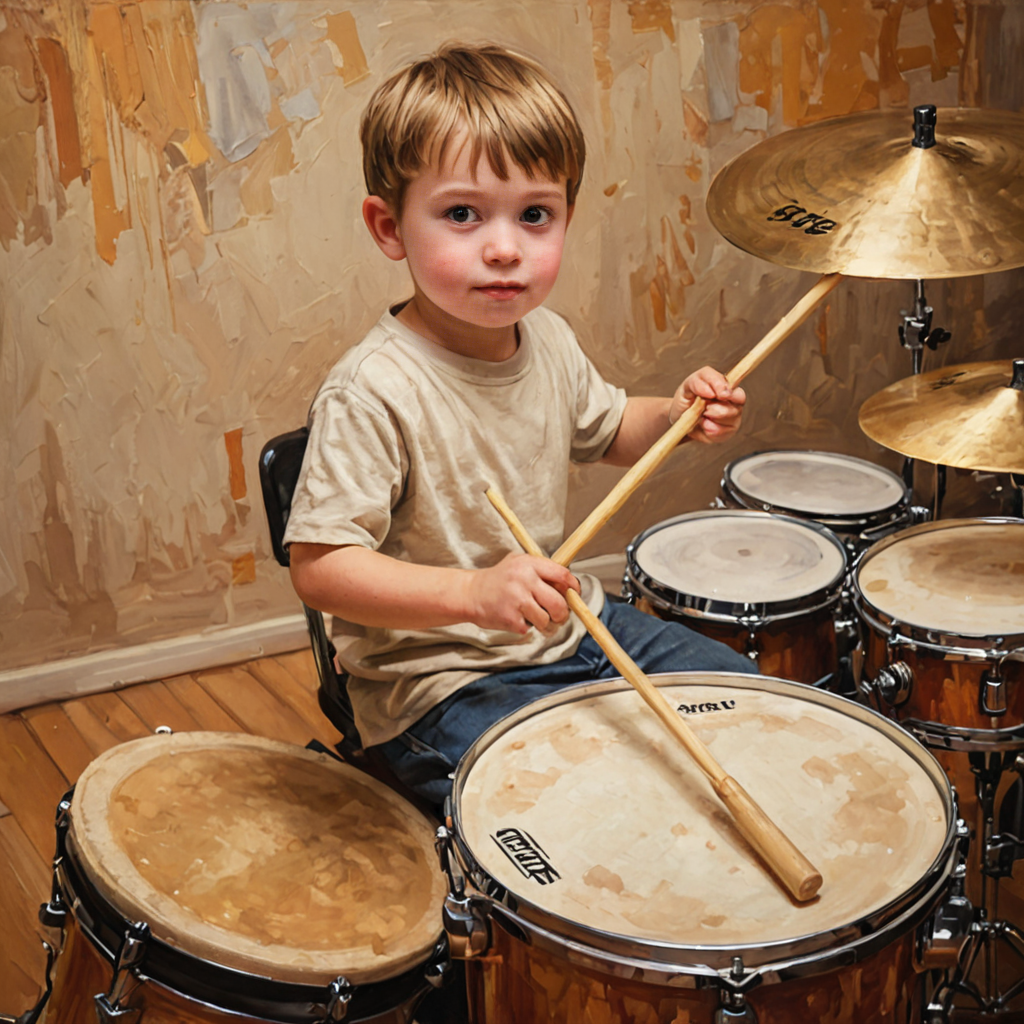
Should Your Child Start Drum Lessons Before Buying a Kit?
Table of Contents
It’s one of the most common dilemmas parents face when their child announces they want to play drums. Do you invest in a drum kit first and hope the interest sticks, or do you start with lessons and figure out the equipment later? The answer might save you hundreds of dollars and a lot of frustration.
The short version: start with lessons first. But the reasoning behind that advice goes deeper than just avoiding a premature purchase, and understanding why can help you set your child up for a much more successful drumming journey.
The Expensive Mistake Most Parents Make
Walk into any online marketplace or parent Facebook group and you’ll find drum kits being sold after just a few months of use. The story is almost always the same — a child expressed interest, a parent bought a kit hoping to nurture that enthusiasm, and the drums ended up collecting dust in the basement within eight weeks.
This pattern isn’t because those children weren’t suited to drumming. It’s because buying equipment before understanding what drumming actually involves creates a mismatch between expectations and reality. A drum kit sitting in a bedroom without the context of proper instruction is just a collection of things to hit. It gets loud, it gets repetitive, and without structured guidance, the novelty wears off fast.
Lessons first, equipment second. That sequence matters because lessons give your child the framework to actually use a drum kit effectively. They’ll learn proper stick grip, basic rudiments, how to read rhythmic notation, and — crucially — how to practise with purpose. When a child eventually sits behind their own kit at home, they know what to do with it. That’s the difference between an instrument and an expensive piece of furniture.
What Happens in Beginner Drum Lessons (Without Owning a Kit)
Parents are often surprised to learn that the first several weeks of drum instruction don’t actually require a full kit at all. In fact, some of the most important foundational skills in drumming are developed on a practice pad or even a flat surface.
Building Technique on a Practice Pad
A practice pad is a small, portable rubber surface that mimics the feel of a snare drum head. It costs between twenty and forty dollars, takes up almost no space, and produces minimal noise. For the first month or two of lessons, a practice pad is all your child needs at home.
On the practice pad, students learn stick control, basic rudiments like single strokes and double strokes, and the hand positioning that will carry them through every stage of their drumming development. These foundational skills are far more important than learning to hit a cymbal or kick drum in the early stages.
Learning Rhythm and Coordination
Drum lessons also develop a student’s sense of rhythm and limb independence — the ability to have your hands and feet doing different things simultaneously. This is the core skill that separates drummers from people who simply bang on drums, and it develops best under the guidance of a qualified teacher who can identify coordination challenges early.
At Muzart Music and Art School, located in Etobicoke near Cloverdale Mall, beginner drum students have access to professional-quality drum kits during their lessons. This means your child gets full kit time every week without you needing to own one yet. They learn on real drums with real pedals and real cymbals, then go home and reinforce those skills on a practice pad.
Reading Drum Notation
Many parents don’t realize that drums have their own form of musical notation. Beginner students start learning to read basic rhythmic patterns within the first few weeks of lessons. This literacy becomes incredibly valuable as they progress — it means they can learn new songs from sheet music, follow along with instructional materials, and eventually prepare for formal examinations if they choose that path.
When Is the Right Time to Buy a Drum Kit?
So if not before lessons, when? The general guideline most drum teachers recommend is to wait until your child has been taking lessons consistently for two to four months. By that point, several important things have happened.
First, you know the interest is real. A child who has maintained enthusiasm through eight to sixteen weeks of weekly lessons and daily practice is demonstrating genuine commitment, not just a passing fascination.
Second, your child’s teacher can recommend the right kit. Not all drum kits are equal, and what your child needs depends on their size, the space available in your home, and whether acoustic or electronic drums make more sense for your living situation. A teacher who has worked with your child for several months can give you a specific, informed recommendation rather than a generic one.
Third, your child will actually know how to use the kit productively. They’ll have the technical foundation to sit down and practise meaningfully, which means the kit becomes a tool for growth rather than just a toy.
A trial drum lesson at Muzart is just $35, and our monthly program is $155, covering weekly private instruction and all materials. That investment in lessons first can save you from spending $500 to $1,500 on a kit that might not get used.
Acoustic vs Electronic: A Decision for Later
One of the advantages of starting with lessons before buying is that you’ll have time to think through the acoustic versus electronic question without pressure.
Acoustic drum kits produce a full, natural sound and offer the most authentic playing experience. However, they’re loud — genuinely loud — and in apartments, condos, or homes with close neighbours, volume can be a serious concern.
Electronic drum kits use rubber or mesh pads that trigger digital sounds through headphones or speakers. They’re dramatically quieter, take up less space, and often have features like built-in metronomes and play-along tracks. The trade-off is that the playing feel is different from acoustic drums, and lower-end electronic kits can feel unresponsive.
Your child’s drum teacher at Muzart can help you weigh these factors based on your specific home environment and your child’s development level. It’s a much better conversation to have after a few months of lessons than before the first one.
The Practice Pad: Your Best Friend in the Early Months
If there’s one piece of equipment worth buying immediately, it’s a practice pad and a pair of quality drumsticks. Together, these cost under sixty dollars and give your child everything they need to practise between lessons for the first several months.
A practice pad allows your child to work on stick control exercises, rudiment patterns, and rhythmic reading without producing the volume of a full drum kit. It can sit on a desk, a table, or a dedicated practice pad stand, and it’s portable enough to bring anywhere.
Many professional drummers — even those who have been playing for decades — still use practice pads as part of their daily warm-up routine. It’s not a compromise or a substitute for a real kit; it’s a legitimate practice tool that builds the technique your child needs to make the most of their kit time.
How Drum Lessons Build Discipline and Confidence
Beyond the question of equipment timing, drum lessons offer developmental benefits that extend well beyond music. Drumming requires sustained focus, physical coordination, and the ability to maintain a steady pulse while processing multiple simultaneous tasks. For children, these skills translate directly into improved concentration, better physical awareness, and stronger self-regulation.
There’s also the confidence factor. Learning to play a beat from start to finish — to keep time while other musicians play alongside you — is a deeply empowering experience for children. Drums are inherently physical and energetic, which makes them particularly appealing to kids who thrive on movement and activity.
For families exploring different music lessons for their children, drums often appeal to students who might not be drawn to the more stationary nature of piano or the fine motor demands of guitar. Every child connects with music differently, and drums offer a uniquely physical and rhythmic entry point.
What If My Child Loses Interest After a Few Lessons?
This is exactly why starting with lessons rather than equipment is the smarter approach. If your child takes four or five drum lessons and decides it’s not for them, you’ve invested a modest amount in lessons and a practice pad — not hundreds of dollars in a drum kit.
And even if drums aren’t the right fit, the skills learned aren’t wasted. Rhythmic awareness, coordination, and musical reading transfer directly to other instruments. Some children discover through drum lessons that they’re actually more interested in guitar or piano, and that’s a perfectly valid outcome. The goal is to find the instrument that resonates with your child, and exploring through structured lessons is the lowest-risk way to do that.
Frequently Asked Questions
How Old Does My Child Need to Be for Drum Lessons?
Most children can begin drum lessons around age six or seven. At this age, they typically have enough physical coordination and attention span to benefit from structured instruction. Some especially focused five-year-olds can start, but your teacher will assess readiness during the initial lesson. The practice pad work that forms the foundation of early drum education is manageable for most school-aged children.
Can My Child Practise Drums at Home Without a Kit?
Absolutely. A practice pad and drumsticks are all that’s needed for productive home practice during the first several months of lessons. Your child’s teacher will assign specific exercises designed for practice pad work — stick control patterns, rudiments, and rhythmic reading exercises. These develop the technique that makes full kit playing effective later.
What Does a Beginner Drum Kit Cost?
A decent beginner acoustic drum kit typically costs between $400 and $800. Entry-level electronic kits start around $300 and go up from there. Your teacher can recommend specific models and brands once your child has been taking lessons long enough to know what they need. Waiting for that recommendation avoids the common mistake of buying a kit that’s the wrong size or quality level.
How Long Before My Child Can Play a Full Song on Drums?
With consistent weekly lessons and daily practice, most beginner drum students can play a simple song all the way through within two to three months. By six months, they’ll have a small repertoire and the coordination to handle more complex rhythmic patterns. Progress varies by student, but the structured approach of private lessons at Muzart keeps students advancing at a steady pace.
Should I Buy Acoustic or Electronic Drums for My Child?
This depends entirely on your living situation and your child’s preferences. Electronic kits are ideal for apartments and noise-sensitive environments because they can be played through headphones. Acoustic kits offer a more natural playing feel and sound. Your drum teacher at Muzart, conveniently located near Cloverdale Mall in Etobicoke, can make a specific recommendation after working with your child for a few months. Book a trial lesson for $35 to get started, or request more information about our drum program.
The Bottom Line: Lessons First, Kit Later
The best investment you can make in your child’s drumming future isn’t a drum kit — it’s the knowledge and technique that comes from structured lessons with a qualified teacher. Start with drum lessons in Etobicoke at Muzart, let your child build a real foundation on a practice pad and on our professional studio kits, and then make the equipment decision together once the interest and skills are proven.
Your child — and your wallet — will thank you.