
Etobicoke Piano Teacher: What to Know Before the First Lesson
Table of Contents
Most parents book a first piano lesson expecting their child to come home playing a recognizable tune — and the honest reality is more layered than a two-minute video online suggests. Below, we walk through what actually happens in that first session, what experienced teachers quietly wish families understood beforehand, and how real progress unfolds in the opening months. Here’s what the first lesson looks like from the other side of the piano bench.
What Actually Happens in a First Piano Lesson
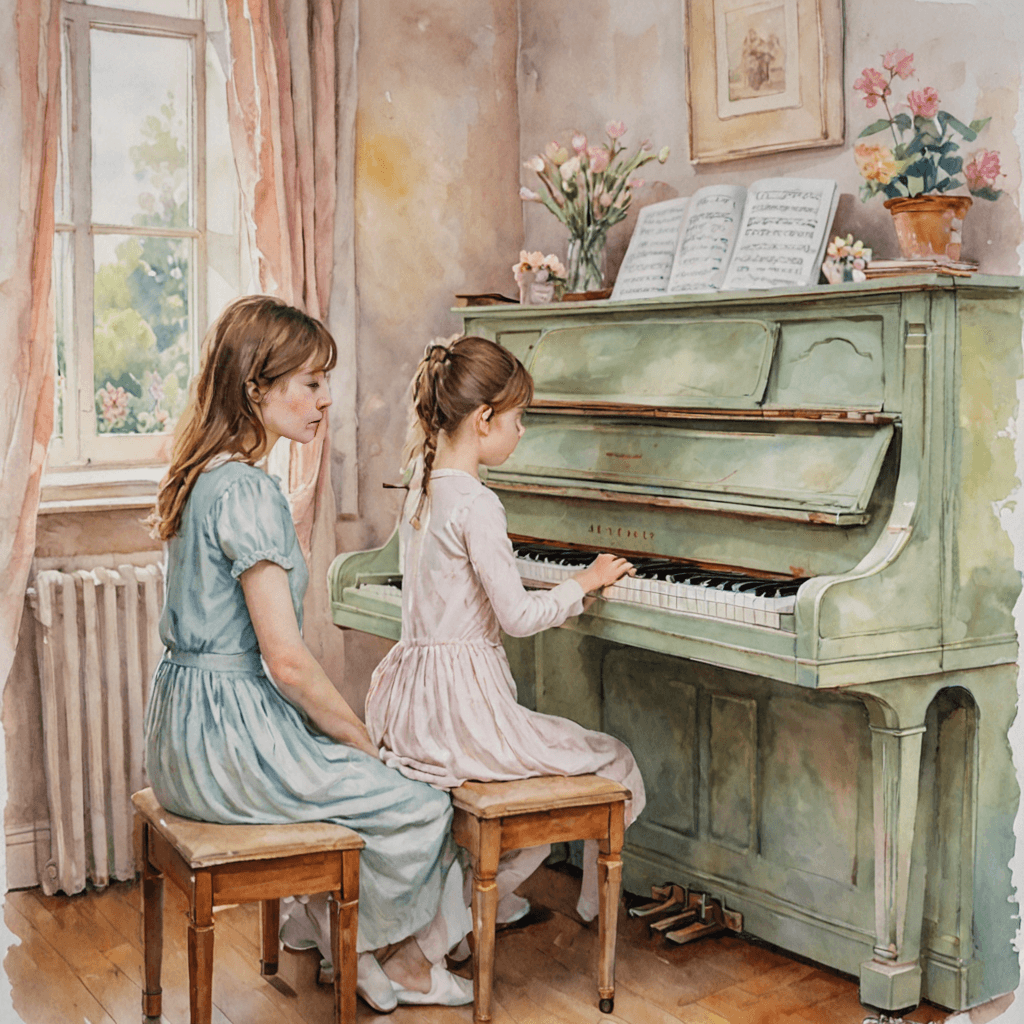
A first lesson is rarely about music in the way parents imagine. It’s an assessment disguised as play. In the opening thirty minutes, a good teacher is reading hand shape, posture, attention span, how a child responds to instruction, and whether they’re comfortable making mistakes in front of an adult they just met. Some of that first lesson will look like “not much” — finding middle C, learning how to sit, tapping rhythms, naming a few notes.
That’s by design. At Muzart Music and Art School, we run private music lessons out of our single Etobicoke location near Cloverdale Mall, and the first session is where a teacher builds the map they’ll teach from for the next several months. A child who rushes gets a different first month than a child who freezes when corrected. Neither is a problem — but the teacher needs to see it before building a plan.
For adult beginners, the first lesson does similar diagnostic work, just with different questions: What music do you actually want to play? How much time do you realistically have? Have you tried before and stopped? The answers reshape everything that follows.
If you’re weighing where to start, our piano lessons in Etobicoke are built around this kind of individualized first read rather than a fixed curriculum every student marches through identically.
What Piano Teachers Wish Parents Knew
Here’s the observation we’d put at the top of the list: the first lesson is a starting line, not a demonstration. Parents sometimes stand in the doorway waiting for a payoff moment — a song, a flourish, proof. When it doesn’t come, the worry starts. But a child who spends the first lesson learning to find their way around the keyboard confidently is exactly where they should be.
A few things that genuinely help before lesson one:
Let the teacher lead the pace. It’s tempting to ask, “When will she play a real song?” That question, asked in front of the child, adds pressure that slows learning. Progress in piano is cumulative and quiet before it’s visible.
Don’t pre-teach out of enthusiasm. Well-meaning parents sometimes show a child “the notes” from a chart at home before lessons start. More often than not, this introduces habits — labelling keys with stickers, naming notes by the wrong system — that the teacher then has to gently undo. Coming in with a blank slate is genuinely easier.
Expect the first month to be about foundations. Posture, hand position, and reading are the unglamorous scaffolding that everything else rests on. Skip them and a student hits a ceiling by intermediate level that’s painful to fix later.
Understand what’s included. Our monthly music program runs $155 and includes all materials, and a trial lesson is $35 — deliberately low, because the first lesson is as much about fit as it is about music. If the teacher and student don’t click, better to know early.
The Practice Conversation Nobody Prepares You For
The single biggest predictor of whether piano “works” for a family isn’t talent — it’s how practice gets set up in the first month. And this is where most families accidentally set themselves up for friction.
The instinct is to aim high: thirty minutes a day, every day. For a five- or six-year-old, that’s neither realistic nor useful. In our experience teaching beginners, five to ten focused minutes most days beats a heroic half-hour on Sunday that everyone dreads. Short and frequent builds the neural habit; long and rare builds resentment.
The parent’s job in that first month is smaller than they think. You don’t need to know piano to support practice. You need to protect a consistent time and place — after dinner, before screen time, whatever fits your household — and let the teacher own the content. When practice becomes a scheduled part of the day rather than a nightly negotiation, it stops being a fight.
Acoustic Piano or Keyboard to Start?
This question comes up in nearly every first lesson, and the honest answer is: a full-size weighted keyboard is a perfectly good starting instrument. Beginners don’t need a grand piano in the living room to build proper technique in year one. What matters more is that the keys are full-size and, ideally, weighted so the fingers develop real strength rather than the light touch of a toy keyboard.
Families sometimes worry they need to invest in an acoustic instrument before they even know if lessons will stick. They don’t. Start with what’s reasonable, and upgrade if and when the student’s commitment makes it worthwhile. A student preparing for Etobicoke RCM examination preparation down the line may eventually benefit from an acoustic action — but that’s a conversation for later, not a barrier to starting.
How Progress Actually Looks in the First Six Months
Realistic milestones help everyone stay patient. Broadly, a young beginner practising consistently will often spend the first couple of months on hand position, simple five-finger patterns, and reading a handful of notes. By around the three-month mark, short recognizable pieces start to appear — the kind that make a child (and parent) light up. By six months, a committed student is usually reading simple music in both hands and building a small repertoire.
Adults frequently move through the reading stage faster because they already understand patterns and can self-correct, but they hit their own wall: fitting practice into a full life. The students who last are the ones who make peace with small, regular practice instead of chasing an hour they’ll never consistently find.
None of these timelines are promises — every child is different, and practice frequency changes everything. But they’re the honest shape of the road, drawn from what we see across our Etobicoke studio rather than from a marketing brochure.
Ready to start? You can book a trial lesson to meet a teacher and see the fit for yourself, or request more information if you’d like to talk through options first.
Frequently Asked Questions
How old should my child be before starting piano lessons?
Many children are ready around age five or six, when they can sit and focus for a short lesson and follow simple instructions. Some younger children do well with a shorter, play-based approach. In a first lesson, the teacher assesses readiness directly — which is one reason the low-cost trial exists. If your child isn’t quite ready, an honest teacher will tell you rather than take the enrolment.
Do I need to buy a piano before the first lesson?
No. A full-size, ideally weighted keyboard is enough to begin and build proper technique. Many families start there and only consider an acoustic instrument once the student’s commitment is clear. Starting shouldn’t require a major purchase.
How much should my child practise at the beginning?
Less than most parents assume. Five to ten focused minutes most days is more effective for a young beginner than a long session once a week. Consistency builds the habit; the length can grow naturally as the student does.
What if my child doesn’t like the first lesson?
That happens, and it’s useful information rather than a failure. Sometimes it’s the teacher fit, sometimes it’s nerves, sometimes it’s the wrong instrument for that child. The trial lesson at $35 exists precisely so families can test the water before committing to a monthly program. If it’s not right, we’d rather know early.
Should we prepare anything before the first lesson?
Mostly, no — coming in without pre-taught habits is genuinely easier for the teacher. What helps is arriving relaxed, well-rested, and without pressure to “perform.” Let the first lesson be the starting line it’s meant to be.
Curious whether piano is the right fit for your child or for you? Explore our piano lessons in Etobicoke, browse our full range of private music lessons, or book a trial at our Etobicoke studio near Cloverdale Mall.