
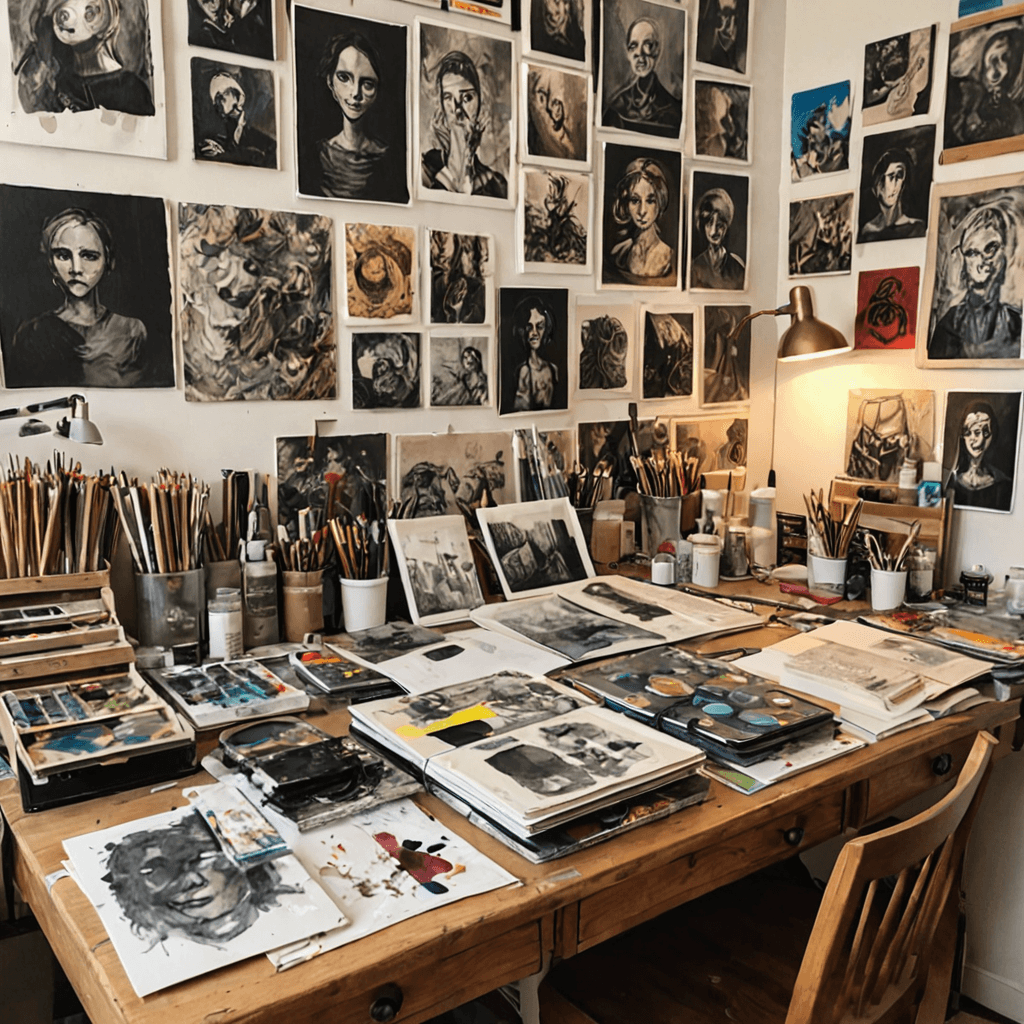
Portfolio Prep for Teens: The 12-Month Plan That Works
Table of Contents
Most families start thinking about an art school portfolio the same year their teen applies — and by then, some of the most valuable months are already gone. Below is a realistic month-by-month plan for building a competitive portfolio over a full year, the way it actually works when a teen has time to develop rather than scramble. Here’s what a strong twelve months looks like, phase by phase.
Why Twelve Months Beats Twelve Weeks
The strongest portfolios aren’t produced in a panic. They’re the result of a teen making a lot of work, learning from it, and then curating the best of it — and that arc simply needs time. A portfolio thrown together in the final term tends to show it: rushed pieces, thin range, no evidence of growth. Reviewers can tell.
Working over a full year does three things a short sprint can’t. It lets a student build genuine skill, so later pieces are visibly stronger than early ones. It produces enough work that the final selection is a real edit rather than “everything I have.” And it leaves room for the observational drawing, sketchbook development, and personal projects that admissions reviewers consistently value.
At Muzart Music and Art School, our portfolio preparation is built as private, one-on-one instruction precisely because portfolio development is individual — no two students are building the same body of work, and the plan below adapts to each teen’s target schools and strengths.
Months 1–3: Foundations and Volume
The first quarter is about making a lot of work without worrying yet about the final portfolio. This is where a teen rebuilds or strengthens the fundamentals reviewers look for: observational drawing from life, understanding of light and form, composition, and comfort across a few media.
The goal in this phase is volume and range, not polish. A student should be filling a sketchbook, drawing from direct observation regularly, and trying materials they haven’t used before. Much of this work won’t make the final cut — and that’s the point. You can’t curate a strong portfolio from a thin body of work.
For teens who haven’t had much recent structured instruction, this is also where our private one-on-one setting earns its value: a teacher can diagnose exactly which fundamentals need attention and build the plan around them. Our portfolio program runs $310 monthly for one-hour sessions with all materials included, and a trial session is $70 — a bit higher than our general music and art rates because portfolio prep is specialized, longer, and entirely individualized.
Months 4–6: Building Signature Strengths
By the second quarter, a student starts to see where their strengths lie — maybe it’s figure drawing, maybe design thinking, maybe a particular medium. This phase is about deliberately developing those strengths into portfolio-quality pieces while continuing to fill gaps.
This is also the right time to research target schools seriously. Different programs weight portfolios differently, and requirements vary meaningfully — number of pieces, whether a sketchbook or process work is expected, whether a statement of intent accompanies the submission. Rather than trust a summary that may be out of date, teens should read each school’s current portfolio guidelines directly, since these are updated year to year.
Observational and process work should keep flowing. Reviewers across many programs want to see how a student thinks, not just polished final images — sketchbooks, studies, and evidence of experimentation often carry real weight.
Months 7–9: Personal Projects and Depth
The third quarter is where portfolios go from competent to compelling. This is the window for personal projects — self-directed work driven by the student’s own ideas rather than assignments. A sustained project that shows curiosity, risk-taking, and development over multiple pieces tells a reviewer far more than a set of unrelated technical exercises.
Depth matters here. A teen who explores one idea across several works — refining, failing, trying again — demonstrates exactly the kind of thinking art programs are built around. This is also when weaker early pieces get honestly reassessed against newer, stronger work.
By the end of this phase, most students have more strong work than they’ll ultimately submit. That surplus is the whole goal — it makes the final edit a genuine curation.
Months 10–12: Curation, Refinement, and Submission
The final quarter is editing, not creating from scratch. The student, ideally with an experienced eye helping, selects the pieces that best show range, skill, and personal voice, and sequences them so the portfolio reads as a deliberate body of work rather than a pile.
This is also the phase for tightening presentation: consistent, high-quality photography or scans of each piece, clear titles and descriptions where required, and attention to each target school’s specific submission format. Many programs host portfolio review events or open houses in this window — attending them, or booking a review, can surface fixable weaknesses before the real submission.
For families who want that outside eye throughout, our art portfolio preparation in Etobicoke provides ongoing critique across the whole year, so the final edit isn’t the first time a teen gets honest feedback.
If you’re mapping out your teen’s year, you can book a trial session to talk through their target schools and current work, or request more information about how the program is structured.
Frequently Asked Questions
When should my teen start preparing an art school portfolio?
Ideally, a full year before the application deadline. Starting in Grade 11 for Grade 12 applications gives a student time to build skill, produce enough work to curate from, and develop personal projects. Later starts are workable but compress the most valuable developmental phase.
How many pieces should be in an art school portfolio?
It varies by school, and requirements change year to year — many programs ask for somewhere in the range of eight to fifteen pieces, sometimes with a sketchbook or process work included. Because these guidelines are updated annually, always confirm the current requirements directly with each target school rather than relying on older figures.
Does my teen need formal classes, or can they build a portfolio alone?
Motivated teens can produce work independently, but most benefit from an experienced outside eye — someone who can diagnose weaknesses, push range, and help with the honest curation that’s hard to do on your own work. Our portfolio prep is one-on-one for exactly this reason, since the guidance has to fit the individual student.
What do reviewers actually look for beyond technical skill?
Consistently, reviewers want evidence of thinking: observational work, sketchbooks, process, and personal projects that show curiosity and risk-taking. A portfolio of polished but impersonal pieces often reads as weaker than one showing genuine development and voice.
Is portfolio prep only for students applying to art school?
Not necessarily — the same skills build strong applications for arts-focused high schools and university programs with visual components too. The core work of building fundamentals, range, and a curated body of work transfers across application types.
Planning your teen’s portfolio year? Explore our portfolio preparation program and our Etobicoke portfolio prep, or look into our private art lessons if your teen is building fundamentals first. When you’re ready, book a trial.