
OCAD vs Sheridan: Which Portfolio Strategy Gets Your Teen In
Table of Contents
If your teen is applying to study art or design in Ontario, OCAD University and Sheridan College are almost certainly on the shortlist — and they reward very different kinds of portfolios. Applying to both with one generic body of work is one of the most common mistakes we see, because what impresses one can underwhelm the other. Below, we break down how the two schools think differently about portfolios, what that means for the pieces your teen should be building, and how to prepare strategically for each rather than hoping a single portfolio fits all.
Two Schools, Two Philosophies
The first thing to understand is that OCAD and Sheridan are not competing versions of the same thing. They have genuinely different orientations, and their admissions portfolios reflect that.
OCAD University is an art and design university with a strong fine-art and conceptual foundation. Across many of its programs, reviewers are interested in how a student thinks — the ideas behind the work, the willingness to experiment, evidence of a developing personal voice, and process as much as polish. A sketchbook or process work that shows how an idea evolved can carry real weight.
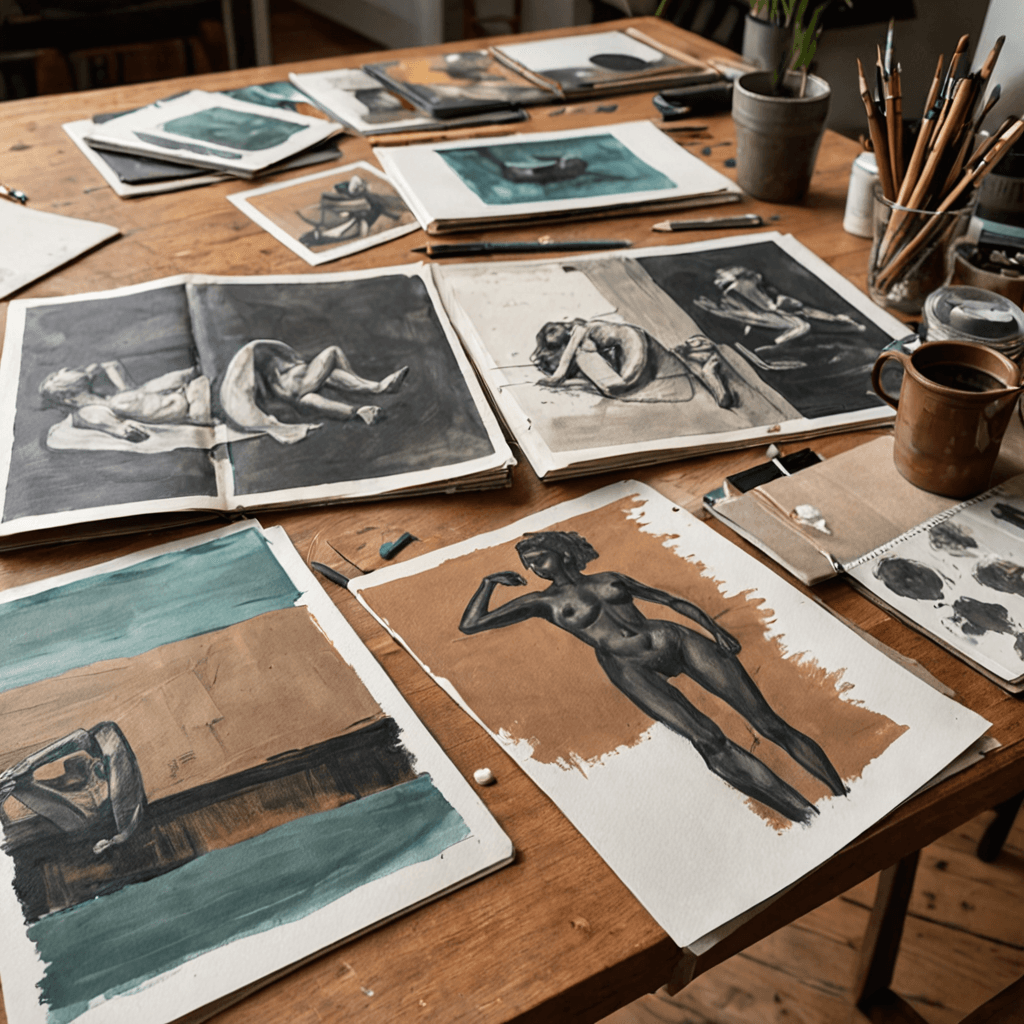
Sheridan is renowned for its industry-focused, craft-intensive programs, particularly in areas like animation and illustration where it has a formidable reputation. Portfolios there often need to demonstrate strong technical fundamentals — drawing skill, observation, life drawing, structure — because the programs are training students toward demanding professional standards from day one.
That’s the headline difference: OCAD frequently leans toward conceptual range and ideas, Sheridan toward technical craft and fundamentals. Neither is “harder” or “better” — they’re looking for different evidence. Because both schools set and periodically update their own specific requirements, deadlines, and submission formats, always confirm the current details directly on each school’s official admissions pages before finalizing anything. What follows is strategy, not a substitute for their published requirements.
What This Means for Your Teen’s Pieces
The strategic implication is that a strong application to both schools usually isn’t one portfolio — it’s a core body of work with school-specific emphasis.
For an OCAD-leaning portfolio, that often means including pieces that show range and conceptual thinking: work in different media, evidence of ideas being explored and developed, and pieces that reveal a point of view rather than just technical competence. Process material can be an asset rather than filler.
For a Sheridan-leaning portfolio, especially for its highly competitive craft programs, the emphasis usually shifts toward demonstrable skill: confident observational drawing, life drawing, an understanding of form and structure, and pieces that prove the fundamentals are solid. The bar for technical execution tends to be high.
The smart approach is to build a strong, versatile core of work over many months, then tailor the selection and framing for each school. A teen who understands why they’re including each piece — and what each school is looking to see — presents far more convincingly than one submitting an identical stack to every program.
Why Strategy Beats Volume
Parents and teens often assume more pieces means a stronger portfolio. In practice, a focused selection of strong, intentional work almost always outperforms a large pile of uneven pieces. Reviewers can tell when a portfolio is curated versus when it’s everything the student has ever made.
This is where preparation guided by someone who understands portfolio review earns its keep. The skills involved — selecting the right pieces, identifying gaps, strengthening weak work, sequencing the portfolio, and articulating the thinking behind it — are learnable, but they’re hard to navigate alone the year applications are due. Our portfolio preparation program is built around exactly this kind of strategic, school-aware preparation, and our portfolio preparation in Etobicoke gives local families a place to do that work in person, with feedback, over the months it actually takes.
In our experience preparing teens for art school applications, the students who start early and treat the portfolio as a developing project — rather than a last-minute scramble — consistently submit stronger, more coherent work. The pieces have time to mature, weak work gets replaced, and the final selection is deliberate.
Timing Your Teen’s Preparation
The single biggest lever on portfolio quality is time. A portfolio built over a school year has room for revision, growth, and replacement of weaker pieces; a portfolio assembled in the final weeks before a deadline rarely does. Both OCAD and Sheridan applications come with their own timelines and submission windows, so the practical advice is to confirm those dates early and work backward, leaving generous runway for the work itself.
For a teen serious about both schools, beginning in the year before applications are due is ideal. That runway is what allows a single strong core of work to be shaped intelligently for two different audiences.
Getting Expert Eyes on the Work
The most useful thing a teen can have during portfolio preparation is honest, informed feedback — someone who has seen what strong portfolios look like and can tell them what’s working and what isn’t while there’s still time to change it. A portfolio prep trial lesson at Muzart Music and Art School is $70, and it’s a low-pressure way to get an experienced assessment of where your teen’s work currently stands and what a realistic plan to application day looks like.
Ongoing portfolio preparation runs $310 monthly for one-hour lessons with all materials included, giving your teen consistent, individualized guidance through the full arc of building their submission. You can book a trial lesson or request more information to talk through your teen’s goals and timeline.
Frequently Asked Questions
Can my teen use the same portfolio for OCAD and Sheridan?
They can use the same core body of work, but the selection and emphasis should usually be tailored to each. OCAD reviewers often value conceptual range and process, while Sheridan’s craft-intensive programs tend to weight technical fundamentals heavily. A single, untailored portfolio risks underwhelming one school. Always check each school’s current published requirements.
Is OCAD or Sheridan harder to get into?
Neither is universally “harder” — it depends on the specific program and what they’re evaluating. Some of Sheridan’s craft programs are extremely competitive on technical skill, while OCAD programs assess a different mix of qualities. The better question is which fits your teen’s strengths and goals.
How many pieces should be in the portfolio?
There’s no single answer, and each school sets its own requirements, so confirm those first. As a principle, a focused selection of strong, intentional pieces outperforms a large pile of uneven work. Quality and coherence matter more than volume.
When should my teen start preparing?
Ideally in the year before applications are due. The biggest driver of portfolio quality is time — runway to develop, revise, and replace weaker pieces. Starting early is the most reliable way to submit strong, coherent work to both schools.
Do you help with school-specific portfolio requirements?
Yes — portfolio preparation at Muzart is built around understanding what different schools look for and shaping a student’s work accordingly. We always work alongside each school’s current official requirements, which we encourage families to confirm directly, since they’re updated periodically.
Applying to both OCAD and Sheridan well means preparing strategically, not generically. If your teen is aiming for either or both, book a portfolio prep trial lesson and we’ll assess where their work stands and map a realistic plan to application day.