
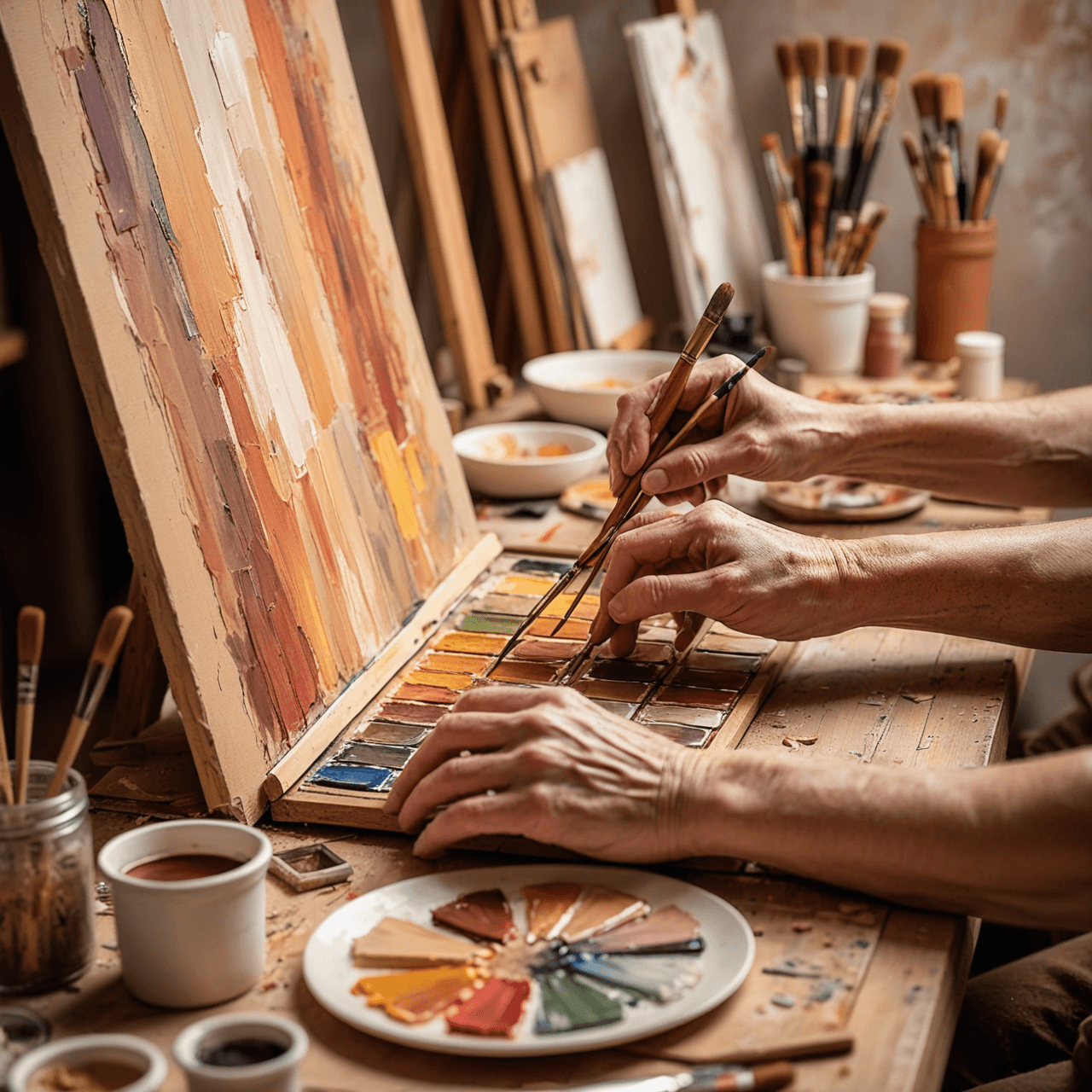
Painting Classes for Adults in Toronto: Beginner to Advanced Pathways
The desire to paint often emerges or re-emerges in adulthood, whether as a long-held dream finally pursued or a newfound interest in creative expression. Adult painting students bring unique advantages to their artistic journey: life experience that enriches creative vision, disciplined learning approaches, and clear personal motivations that drive consistent progress.
At Muzart Music and Art School in Etobicoke, near Cloverdale Mall, we’ve witnessed remarkable transformations as adults discover their artistic voices through structured painting instruction. This comprehensive guide explores the pathway from complete beginner to confident painter, addressing the specific needs, challenges, and opportunities that adult students encounter in their creative development.
Why Adults Excel at Learning to Paint
Adult learners possess distinct advantages that often surprise them in painting classes. Unlike children who may struggle with focus and fine motor control, adults bring developed concentration abilities and refined hand coordination that accelerates technical skill acquisition.
Life experience provides rich source material for artistic expression. Adults have traveled, experienced relationships, faced challenges, and developed emotional depth that translates into more meaningful artwork. This experiential foundation allows adult students to create pieces with personal significance from early stages of their training.
Decision-making skills help adults approach painting systematically. They can analyze what works and what doesn’t, adjust techniques based on results, and set realistic goals for their artistic development. This analytical ability complements the intuitive aspects of painting, creating well-rounded artistic growth.
Adults also understand the value of instruction and practice. They’re more likely to follow teacher guidance, practice consistently between sessions, and invest in quality materials that support their learning. This mature approach to education significantly accelerates progress in painting skills.
The private art lessons at our Etobicoke studio capitalize on these adult learning strengths, providing personalized instruction that builds systematically on each student’s unique background and goals.
Beginner Pathway: Foundation Building Phase
Beginning adult painters start with fundamental skills that form the foundation for all future artistic development. Color theory provides the essential framework, teaching primary, secondary, and tertiary color relationships alongside temperature, value, and saturation concepts.
Basic drawing skills support painting development, even for students primarily interested in color work. Understanding proportion, perspective, and form helps painters create convincing representations of their subjects. These drawing fundamentals integrate naturally with painting instruction.
Brush handling techniques receive thorough attention in beginner classes. Students learn to hold brushes properly, control paint consistency, and create various mark-making effects. Different brush types serve specific purposes, and beginners gradually build their toolkit understanding.
Paint application methods start with simple techniques like flat washes, gradual blending, and basic texture creation. Students practice these fundamental approaches across different subjects, building muscle memory and confidence with their materials.
Composition principles help beginners create visually appealing artwork from their first sessions. Understanding rule of thirds, focal points, and visual balance prevents common compositional mistakes that frustrate new painters.
Beginning students typically spend 6-12 months developing these foundational skills through consistent practice and instruction. The structured approach in our group art lessons provides supportive community learning for adults starting their painting journey together.
Intermediate Development: Style Exploration Phase
Intermediate adult painters focus on developing personal style while expanding their technical toolkit. This phase typically begins after 12-18 months of consistent practice, though progression varies based on practice frequency and natural aptitude.
Advanced color mixing becomes central to intermediate development. Students learn to create subtle color variations, understand optical mixing effects, and develop personal color palettes that reflect their artistic vision. This sophisticated color work distinguishes intermediate painters from beginners.
Subject matter specialization often emerges during this phase. Some students gravitate toward landscape painting, others prefer portraits or still life compositions. Exploring different subjects helps artists discover their natural interests and strengths.
Painting mediums expand beyond basic acrylics or watercolors. Intermediate students might explore oil painting, gouache, or mixed media approaches. Each medium offers unique creative possibilities and technical challenges that broaden artistic expression.
Advanced composition techniques include dynamic asymmetry, complex focal point strategies, and sophisticated use of negative space. Students learn to create visual movement through their compositions and guide viewers’ eyes intentionally through their artwork.
Personal artistic voice begins developing as technical skills become more automatic. Students start making intuitive decisions about color, composition, and subject matter that reflect their individual perspectives and creative priorities.
Advanced Pathway: Artistic Mastery Development
Advanced adult painters focus on artistic mastery that goes beyond technical proficiency. This stage emphasizes personal expression, sophisticated technique, and potential preparation for exhibition or professional development.
Complex lighting scenarios challenge advanced students to understand and depict subtle illumination effects. Students work with multiple light sources, reflected light, and atmospheric conditions that create sophisticated mood and dimensionality in their paintings.
Advanced color harmony explores complex relationships like split-complementary schemes, triadic harmonies, and analogous progressions. Students develop intuitive color sense that allows for spontaneous yet harmonious color decisions during painting sessions.
Surface texture techniques become sophisticated tools for artistic expression. Advanced painters learn to create convincing fabric textures, realistic skin tones, reflective surfaces, and atmospheric effects that demonstrate technical mastery.
Artistic series development helps advanced students explore themes deeply and consistently. Working in series allows for comprehensive exploration of subjects, techniques, or concepts while building substantial portfolios of related work.
Some advanced students pursue portfolio preparation for art school applications or professional development opportunities. Our specialized portfolio program supports adults making career transitions or seeking formal art education later in life.
Medium-Specific Pathways
Different painting mediums offer unique learning pathways suited to various adult preferences and goals. Watercolor painting appeals to students interested in spontaneous, flowing techniques and portable art creation. The medium’s transparency and unpredictability challenge painters to embrace happy accidents while developing control.
Acrylic painting provides versatility and forgiveness that suits many adult learners. Acrylics dry quickly, clean up easily, and work well for both detailed realistic work and expressive abstract approaches. The medium’s flexibility makes it ideal for adult students with busy schedules.
Oil painting attracts students interested in traditional techniques and extended working time. Oils allow for subtle blending, detailed refinement, and classical approaches to portraiture and landscape painting. The slower drying time suits adults who prefer deliberate, methodical approaches.
Mixed media exploration combines multiple materials and techniques within single artworks. This contemporary approach appeals to adults with diverse interests and encourages experimental thinking about art-making processes.
Choosing the right medium depends on personal preferences, practical considerations, and artistic goals. Our instructors help adult students explore different options during their first few sessions, ensuring they find the medium that best supports their creative vision.
Overcoming Common Adult Learning Challenges
Adult painting students face unique challenges that differ from those encountered by children. Perfectionism often inhibits creative risk-taking, with adult students becoming frustrated when their first attempts don’t meet their internal standards.
Time constraints present ongoing challenges for working adults. Balancing painting practice with career and family responsibilities requires realistic scheduling and efficient practice strategies. Short, focused practice sessions often prove more effective than infrequent long sessions.
Physical considerations may affect some adult learners. Arthritis, vision changes, or other age-related factors might require modified techniques or adaptive tools. Experienced instructors can suggest accommodations that allow continued artistic development.
Comparison with other students can discourage adult learners, particularly when they see faster progress in younger students or those with more time for practice. Understanding that artistic development follows individual timelines helps maintain motivation and enjoyment.
Fear of judgment sometimes prevents adults from sharing their work or taking creative risks. Supportive classroom environments and encouraging instruction help students overcome these psychological barriers to artistic growth.
Setting Realistic Adult Learning Goals
Effective goal setting accelerates adult painting progress while maintaining motivation through realistic expectations. Short-term goals might include mastering specific techniques, completing particular projects, or participating in local art events.
Medium-term goals often involve developing competency with chosen mediums, building substantial portfolios, or reaching specific skill milestones. These goals provide direction for 6-12 month periods while remaining flexible enough to accommodate changing interests.
Long-term goals vary widely among adult students. Some aim for gallery exhibitions, others seek personal fulfillment through creative expression, and some pursue art as potential career transitions. Our instructors help students clarify their aspirations and develop appropriate learning pathways.
Progress measurement in adult art education differs from traditional academic assessment. Students track improvement through portfolio development, technique mastery, and personal satisfaction with their creative expression rather than standardized metrics.
Regular goal review sessions help students adjust their expectations and celebrate achievements. What seemed impossible at the beginning often becomes achievable through consistent practice and quality instruction.
Building Your Adult Art Community
Adult painting classes provide opportunities for meaningful social connections with like-minded creative individuals. These relationships often extend beyond the studio, creating lasting friendships based on shared artistic interests and experiences.
Peer learning accelerates individual development as students share techniques, inspire each other’s creativity, and provide supportive feedback. Adult students bring diverse life experiences that enrich group discussions and artistic perspectives.
Exhibition opportunities help adult students share their work and gain confidence in their artistic abilities. Group shows, open studio events, and community art fairs provide venues for displaying finished pieces and connecting with broader artistic communities.
Continuing education keeps adult artists engaged and growing. Workshops, artist talks, and specialized classes provide ongoing learning opportunities that prevent stagnation and introduce new creative challenges.
Our art lessons in Etobicoke foster these community connections through group classes, shared studio events, and opportunities for students to collaborate and inspire each other’s artistic development.
Professional Development Opportunities
Some adult painting students discover serious artistic talent that opens professional possibilities. Gallery representation, commission work, and teaching opportunities may emerge for dedicated students who develop strong technical skills and unique artistic voices.
Art therapy applications attract adults interested in combining painting skills with helping professions. Understanding color psychology, therapeutic art processes, and group facilitation can lead to meaningful career opportunities in healthcare, education, or counseling settings.
Teaching opportunities often appeal to advanced adult students who want to share their knowledge and passion for painting. Many successful adult students eventually offer private lessons, workshops, or community classes that combine their professional skills with artistic expertise.
Online art sales and custom work provide income opportunities for skilled adult painters. Digital marketing skills, often developed through professional careers, help artist-entrepreneurs reach clients and build sustainable art businesses.
Art-related business opportunities might include gallery management, art supply retail, or creative workshop coordination. Adults with business experience can leverage these skills within the art world in various entrepreneurial directions.
FAQ Section
How long does it take adults to become proficient painters? Adult painting proficiency develops over 2-3 years with consistent practice and quality instruction. However, enjoyable results often appear within the first few months, and significant improvement becomes visible after 6-12 months of regular painting practice.
What’s the best painting medium for adult beginners? Acrylic paint offers the best combination of forgiveness, versatility, and convenience for most adult beginners. It dries quickly, cleans up easily, and works well for various painting styles while being more affordable than oil paints.
Can adults with no artistic background succeed in painting classes? Absolutely. Many successful adult painters begin with no previous artistic training. Adult learning advantages like focus, determination, and life experience often outweigh any perceived disadvantages from starting later in life.
How much should adults practice painting between classes? Adult students benefit from 2-3 practice sessions per week, each lasting 30-60 minutes. Consistent shorter sessions typically produce better results than infrequent long sessions, fitting better into busy adult schedules.
What supplies do adult painting students need to get started? Basic supplies include acrylic paints (primary colors plus black and white), various brush sizes, canvas boards or stretched canvases, palette for mixing, and water containers. Our art programs include comprehensive art kits with professional-grade materials for the entire year, providing everything needed for successful learning without additional supply shopping.
Ready to begin your painting journey? Muzart Music and Art School offers comprehensive painting instruction for adults at all skill levels. Book your $70 trial lesson to experience our supportive approach to adult art education, or request more information about our flexible scheduling options designed for working adults in the Toronto area.