Category: Articles

  • Wexford vs ESA: How Two Arts High Schools Actually Differ

    Wexford vs ESA: How Two Arts High Schools Actually Differ

    Wexford vs ESA: How Two Arts High Schools Actually Differ

    Every year, Grade 8 families across Etobicoke, Toronto, and Mississauga narrow their arts high school search down to a short list, and two names come up again and again: the Etobicoke School of the Arts and Wexford Collegiate School for the Arts. The honest answer to “which one is better” is that they are built differently, admit differently, and suit different students — and choosing well means matching your teen to the right fit, not the more famous name. Here’s how the two schools actually differ, where their programs overlap, and what that means for how your family prepares.

    Two Different Schools, Two Different Philosophies

    Both schools sit inside the Toronto District School Board, and both pair a full academic diploma with intensive arts training. That’s where the easy similarities end.

    The Etobicoke School of the Arts (ESA) is the older of the two — it opened in 1981 and is often described as the oldest free-standing arts-focused high school in Canada, meaning the entire building and schedule are organized around the arts rather than an arts wing bolted onto a regular high school. It sits on Royal York Road in Etobicoke and runs a two-week rotating timetable specifically so that rehearsal-heavy afternoons don’t cause students to miss the same academic class every week. ESA offers specialized majors in Dance, Drama, Contemporary Art (its visual art stream), Film, Instrumental Music (band and strings), and Music Theatre. Students commit to one major and go deep.

    Wexford Collegiate School for the Arts, in the Wexford neighbourhood of Scarborough, took its arts-school name in 2006 after decades of building specialized programs. Wexford is structured a little differently: it runs specialized Performing Arts and Visual & Media Arts streams alongside its regular academic student body, plus a Comprehensive Arts option that lets students take two arts credits per year without full specialization. Wexford’s Art Centre is a genuine draw — nine dedicated studios, and it has long been noted as the only public secondary school in Toronto to offer a Life Drawing course.

    So the first real question isn’t “which is more prestigious.” It’s whether your teen wants the total-immersion, everyone-is-an-arts-student environment of ESA, or the specialized-stream-within-a-larger-school model at Wexford. Both are excellent; they feel different day to day.

    How Admission Works at Each School

    This is where families get tripped up most, because the TDSB admissions process for specialized arts programs has changed meaningfully in recent years, and older blog posts and forum threads describe a system that no longer fully applies.

    Both ESA and Wexford now admit through the TDSB’s Central Program Admissions Office rather than through a school-run audition day alone. In broad strokes, the current process combines a centralized online application, previous-year report card results, and a demonstration of skills — a portfolio or a recorded audition submitted through the TDSB portal, depending on the discipline. For Wexford’s Visual & Media Arts stream, for example, applicants have recently been asked to upload a small number of completed or in-progress artworks, with report card marks and the arts demonstration weighted together to produce an application score.

    Because the exact weighting, deadlines, and submission format can shift from one admissions cycle to the next, we always tell families the same thing: confirm the current-year requirements directly on the TDSB Central Program Admissions Office pages and each school’s official website before you plan anything. The application window typically opens in the late fall for the following September, so a Grade 8 student is preparing in the autumn of Grade 8 — which means the real work starts in Grade 7.

    What hasn’t changed is what a strong submission looks like underneath the paperwork: genuine, demonstrable skill and a clear sense of why this student belongs in an arts program.

    Where Muzart Fits Into the Preparation

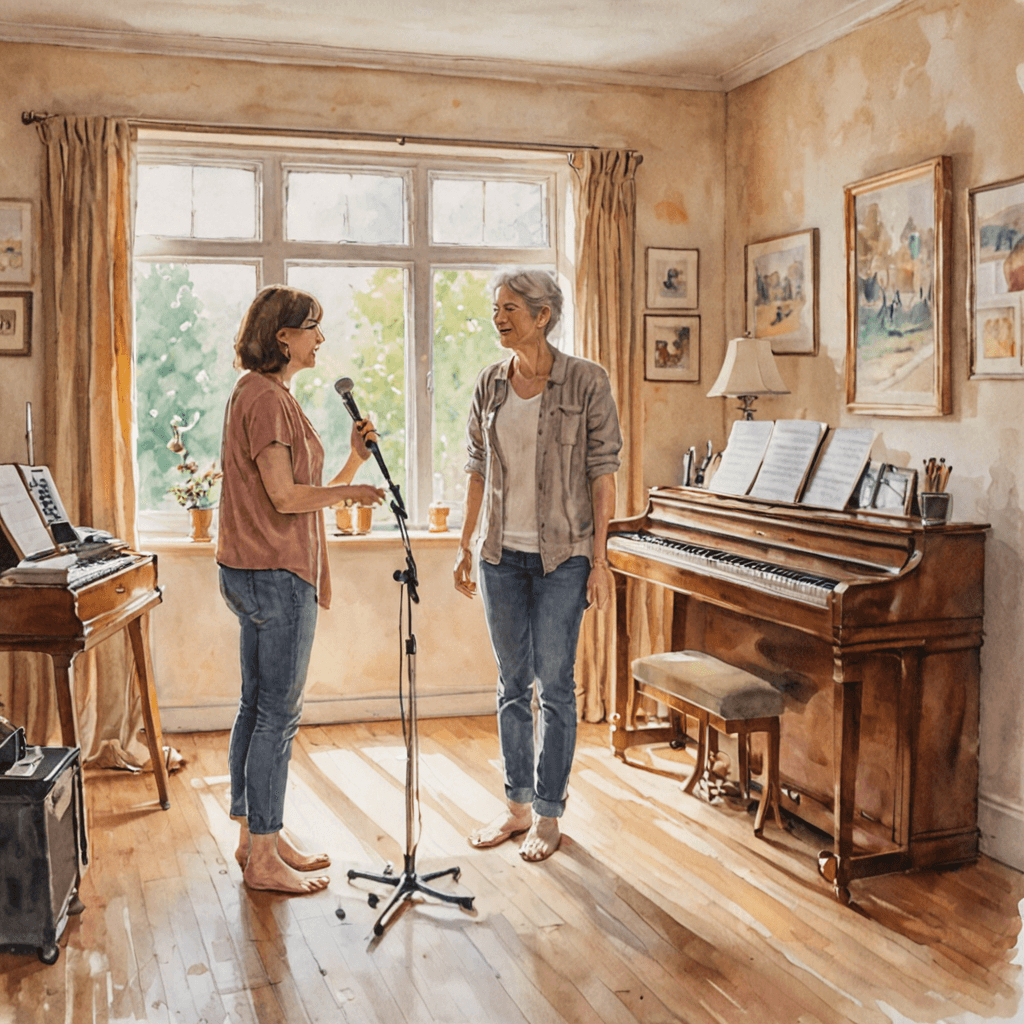
    Muzart Music and Art School is a single studio in Etobicoke, near Cloverdale Mall, and while we are not affiliated with either high school, a good portion of the teens we work with are preparing for exactly these applications. Two of the disciplines these schools screen for map directly onto what we teach: vocal music and visual art.

    For students applying in a music or vocal stream, the foundations that matter for a recorded audition — clean intonation, steady rhythm, comfortable sight-reading, and the ability to perform under pressure rather than just play a piece at home — are the same foundations we build in private lessons. For students applying in a visual art stream, portfolio development is its own discipline, and our portfolio preparation program exists specifically to help students assemble and refine the kind of work these submissions reward.

    There’s one pattern we correct more than any other in the final weeks before an audition, and it applies whether a student is auditioning for ESA, Wexford, or anywhere else. At Muzart, we find students consistently make two related mistakes: they choose a piece that’s more ambitious than they can actually perform cleanly, and they pour all their energy into that piece while neglecting the parts of the audition that aren’t the performance — the interview, the sight-reading, the ear-training, the on-the-spot questions about why they make art or music. A slightly simpler piece performed with control, plus real preparation for the conversation around it, beats a spectacular piece that falls apart under nerves nearly every time. Getting that balance right is often the difference between an offer and a waitlist.

    Comparing the Two by Student Type

    Rather than ranking the schools, it helps to think about which student thrives where.

    The teen who wants to be surrounded entirely by other serious young artists, who is ready to commit fully to a single major, and who is energized rather than overwhelmed by an all-arts environment often flourishes at ESA. The immersion is the point.

    The teen who wants strong arts training but also values being part of a larger, more conventional high school community — or who is drawn specifically to Wexford’s visual and media arts facilities and its Life Drawing offering — may be a better fit at Wexford. The specialized-stream model can also suit students who want serious arts study without feeling they’ve closed every other door.

    Location matters too. For Etobicoke and Mississauga families, ESA’s Royal York Road location is considerably closer than Scarborough, and a shorter daily commute across four years of high school is not a small consideration. That’s a practical factor worth weighing honestly alongside the artistic fit.

    Building the Skills Now, Not in Application Season

    The single most useful thing a family can do is start early. Both schools reward demonstrable skill, and skill is built over months and years, not in a panic during application season. A student who has been in consistent singing lessons in Etobicoke for a year or two walks into a vocal submission with technique already in place. A student who has been developing a body of visual work arrives at portfolio season with real pieces to choose from rather than a blank sketchbook.

    Muzart’s private music lessons run at $155 per month with all materials included, and families typically begin with a $35 trial lesson to see whether the teaching approach fits their child before committing. Our portfolio preparation program, built around one-hour sessions, runs at $310 per month with materials included, and offers a $70 trial for families who want to test the waters before an intensive application year. The trial is genuinely a trial — a low-stakes way to find out whether we’re the right partner for your teen’s goals.

    If your family is weighing ESA against Wexford, it’s also worth reading about the other arts schools in the same conversation, since the right fit sometimes turns out to be a third option. Our companion guides to Cardinal Carter audition preparation and the Karen Kain School of the Arts cover two schools that frequently appear on the same short lists.

    Frequently Asked Questions

    Is ESA harder to get into than Wexford?

    Both schools are competitive, and admission depends heavily on the specific discipline and the strength of that year’s applicant pool rather than on one school being categorically “harder.” ESA has historically drawn a very large number of applicants for a limited number of spots. Rather than trying to game which school is easier, focus on presenting genuine, well-prepared skill — that’s what moves the needle at either school. Always confirm current admissions details on each school’s official website.

    When should my child start preparing for an arts high school audition?

    Ideally, well before the application year. For a Grade 8 student applying for Grade 9 entry, meaningful skill-building should already be underway in Grade 7. Technical foundations in singing or a developing visual art portfolio take months to build. Starting a year or more ahead removes the last-minute scramble that sinks so many applications.

    Can Muzart prepare my teen for any arts high school stream?

    We can directly support vocal music and visual art applications, which are the streams that overlap with what we teach at our Etobicoke studio. For instrumental band, strings, dance, drama, or film streams, we’d point you toward specialists in those areas, though our general musicianship, theory, and performance-confidence work supports any music-related audition.

    What’s the most common mistake families make?

    Two, actually, and they go together: choosing an audition piece that’s too ambitious to perform cleanly under pressure, and underpreparing for the non-performance parts of the audition like the interview and sight-reading. In our experience, controlled execution of a slightly simpler piece, plus real preparation for the conversation, outperforms an over-reaching piece almost every time.

    Do we have to commit to a full program to get help?

    No. Many families start with a single trial lesson to assess fit before committing to anything. It’s the lowest-pressure way to find out whether structured preparation will help your teen.

    Ready to Start Preparing?

    If your teen is looking toward ESA, Wexford, or another GTA arts high school, the best time to build the underlying skill is now — quietly, consistently, in the months before application season turns hectic. To find out whether Muzart is the right fit, you can book a trial lesson or request more information and we’ll talk through your teen’s goals and which kind of preparation makes sense.

  • Art Portfolio Preparation Classes in Etobicoke: What’s Taught

    Art Portfolio Preparation Classes in Etobicoke: What’s Taught

    Art Portfolio Preparation Classes in Etobicoke: What’s Taught

    Families researching portfolio preparation in Etobicoke usually find plenty of programs advertising the service — but very few explain what actually happens inside those sessions, or why structured guidance changes outcomes. Below, we break down what’s genuinely taught in portfolio preparation classes: the skills, the strategy, and the review process that turn a folder of drawings into a competitive submission. Here’s what a real portfolio prep program covers.

    Why Portfolio Prep Is More Than “Make More Art”

    The most common misunderstanding about portfolio preparation is that it simply means producing more pieces. In reality, a strong portfolio is a curated argument — it demonstrates range, technical skill, conceptual thinking, and a personal voice, all shaped to what specific schools or programs are looking for. Making more art without strategy often produces a thicker portfolio that’s no more competitive.

    Portfolio prep teaches students to think like an applicant and an evaluator. They learn what reviewers actually respond to, how to show process and not just polished outcomes, and how to assemble pieces into a body of work that reads as intentional rather than assembled at random. That strategic layer is what separates a guided portfolio from a self-assembled one.

    At Muzart Music and Art School, our portfolio preparation classes in Etobicoke are private, one-hour sessions built around the individual student’s goals and target programs. Because portfolio work is so personal, that one-on-one structure lets the instruction follow the student rather than a fixed template.

    The Core Skills a Portfolio Program Builds

    Underneath the strategy, portfolio prep develops genuine technical foundations. Students typically strengthen observational drawing — the ability to render what’s actually in front of them, which reviewers across nearly every program weight heavily. From there, the work expands into a range of media and techniques so the portfolio demonstrates versatility.

    Equally important is conceptual development: learning to generate ideas, develop them through sketches and iterations, and carry a concept from rough thinking to finished piece. Many strong young artists can render beautifully but struggle to show thinking, and portfolios that show only finished images without process often read as less mature than those that reveal how the artist works.

    The right balance depends on where the student is applying. Our broader portfolio preparation program covers the full arc — observational skill, media range, concept development, and presentation — and tailors the emphasis to each student’s target schools. If you’d like to understand how a program would be shaped for your teen, you can request more information.

    Strategy: Matching the Portfolio to the Target

    A portfolio for a fine arts program looks different from one for design, illustration, or animation — and a program that ignores that distinction does students a disservice. Part of what’s taught is reading the requirements of specific schools and programs, then shaping the body of work to answer them directly.

    This is where guidance earns its keep. Requirements vary, deadlines vary, and the unwritten expectations of reviewers vary even more. Rather than guessing, students learn to research each program’s stated requirements carefully — and we always direct families to verify current requirements directly with each school, since these change year to year. The portfolio is then built backward from those specifics rather than assembled generically and submitted everywhere.

    Strategic curation also means knowing what to leave out. A portfolio is stronger when weaker pieces are cut, even beloved ones, so that every included work pulls its weight. Teaching a student to assess their own work honestly — and to make those hard cuts — is one of the most valuable parts of the process.

    The Review Process: Feedback That Sharpens the Work

    The element families most underestimate is structured review. Regular critique — where an experienced eye examines the work in progress and gives specific, actionable feedback — is what elevates a portfolio over months of preparation. Students learn not just to make work, but to revise it based on critique, which mirrors exactly what art school itself demands.

    Good feedback is concrete: this piece needs stronger contrast, this concept isn’t reading clearly, this medium isn’t serving the idea. Learning to receive that feedback without defensiveness, and to act on it, is a skill in itself — and one that serves students long after the application is submitted.

    Muzart’s portfolio preparation runs as one-hour private sessions, with a monthly program at $310 and a $70 trial, all materials included. The trial is a low-pressure way for a student to experience the critique process and see how structured guidance feels before committing to a longer preparation timeline. You can book a trial lesson to start there.

    Frequently Asked Questions

    When should my teen start portfolio preparation?

    Earlier is almost always better — ideally a year or more before applications are due. Portfolio development takes time: building skills, developing concepts, creating finished pieces, and revising them through critique can’t be rushed in a few weeks. Our portfolio preparation classes in Etobicoke work best with a runway that allows real iteration.

    What’s actually taught in portfolio prep classes?

    A combination of technical skill (observational drawing, media range), conceptual development (generating and developing ideas), strategic curation (matching the portfolio to target programs), and structured critique. It’s far more than producing more art — it’s learning to build an intentional, competitive body of work. The full portfolio program covers all of these.

    How many pieces does a portfolio need?

    It varies significantly by school and program, and requirements change year to year. Rather than a fixed number, the focus should be on quality and intentional range. We help students research each program’s current requirements and always recommend verifying directly with the schools, since these specifications are updated regularly.

    How much do portfolio preparation classes cost?

    Portfolio prep runs as one-hour private sessions: a $70 trial lesson and $310 monthly, with all materials included. The trial lets a student experience the critique-based approach before committing. If you have questions about fit, reach out to us.

    Can portfolio prep help with any art school, not just one?

    Yes. The skills are transferable, and the strategic part of the program is precisely about tailoring a portfolio to each student’s specific target programs — whether fine arts, design, illustration, or animation. The body of work is shaped around where the student actually intends to apply.


    Portfolio preparation is less about making more art and more about building an intentional, well-argued body of work through real skill and honest critique. If your teen is preparing to apply, book a trial portfolio lesson and see what structured guidance can do for their submission.

  • Drum Lessons in Etobicoke: A First-Year Roadmap for Kids

    Drum Lessons in Etobicoke: A First-Year Roadmap for Kids

    Drum Lessons in Etobicoke: A First-Year Roadmap for Kids

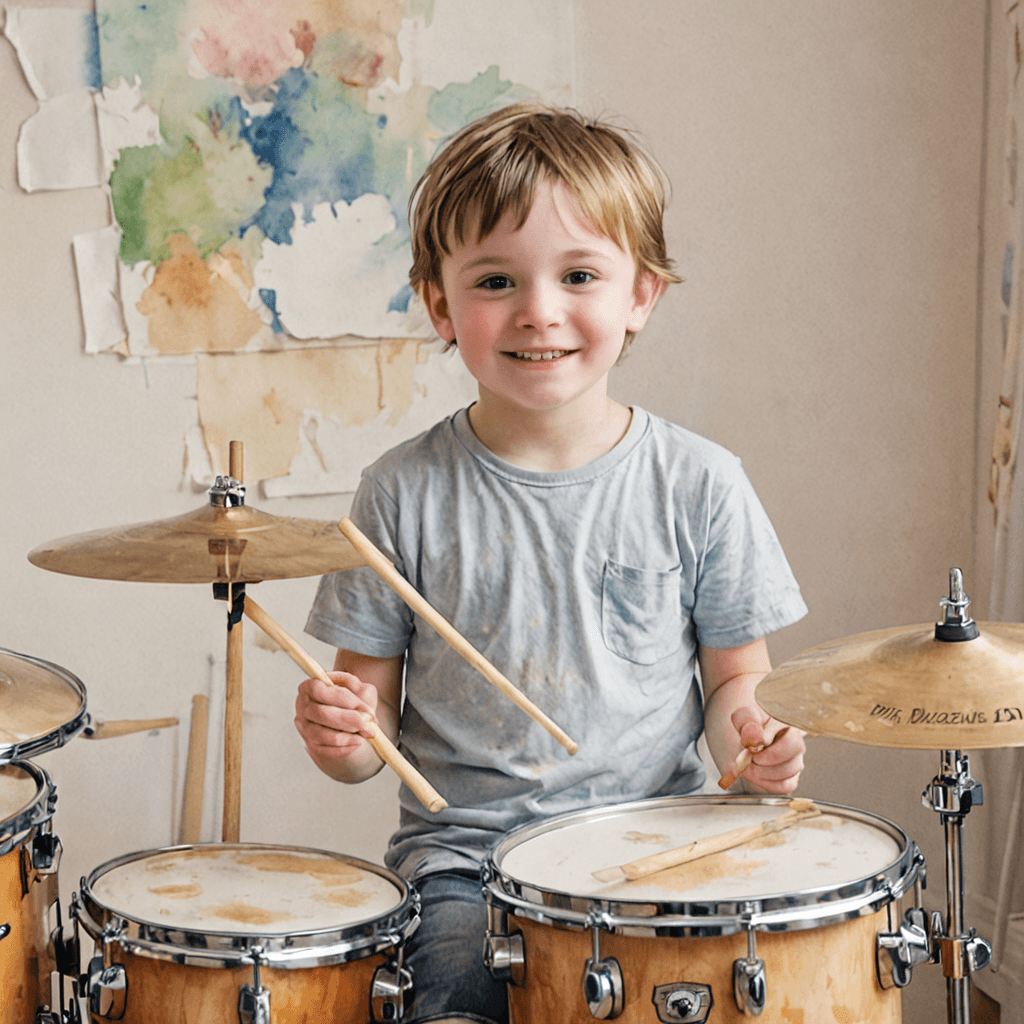
    Parents often sign their child up for drums with no real idea of what the first year looks like — and the gap between “bought a practice pad” and “playing along to a song” can feel mysterious from the outside. Below, we map out a realistic first-year journey on the drums: what a child learns in the early months, where the milestones fall, and how to support practice at home without a full kit in the living room. Here’s what the first twelve months actually unfold like.

    The First Few Months: Foundations Before Flash

    Most kids picture drumming as fast fills and big crashes, but the first months are quietly about something less glamorous and far more important: timing, grip, and coordination. A young drummer starts by learning to hold the sticks correctly, play steady single strokes, and feel a consistent pulse — the foundation everything else is built on.

    This early stage is where good habits are set or missed. A child who learns relaxed, correct technique now avoids the tension and bad form that limit drummers later. It’s also where rhythm reading begins, usually with simple note values that map directly onto what the hands are doing. The flashy stuff comes — but it comes on top of this base.

    At Muzart Music and Art School, our drum lessons in Etobicoke are private and one-on-one, which matters a great deal in these early months: a teacher watching a single student can catch and correct grip or timing issues immediately, before they become habits. A $35 trial lesson is the easiest way to see how that individual attention works.

    Months Three to Six: The First Real Grooves

    By the middle of the first year, most children move from isolated exercises to playing actual beats — the basic rock groove that underlies an enormous amount of popular music, coordinating hands and feet for the first time. This is a genuine milestone, and it’s usually the moment a child first feels like a drummer rather than someone doing drum exercises.

    Coordinating limbs independently is the central challenge here, and it’s also where patience pays off. Some kids click into it quickly; others need weeks of slow, deliberate repetition before the hands and feet stop fighting each other. Both paths are completely normal. A good teacher keeps the process encouraging, breaking grooves into pieces small enough to feel achievable.

    This is also typically when playing along to music begins — and nothing motivates a young drummer like locking into a song they love. The skill-building is real, but it finally starts to feel like the thing they imagined when they asked for lessons.

    Months Six to Twelve: Fills, Reading, and Independence

    In the back half of the first year, drummers usually expand their vocabulary: simple fills, a few rhythmic variations, more confident reading, and the ability to keep time while changing what the hands are doing. The groove becomes a foundation they can decorate rather than a task that consumes all their concentration.

    This is where musicianship starts to deepen. A drummer who can hold steady time and read rhythms and add a fill without falling apart is doing real multitasking — and the confidence that comes with it often spills into how they approach other challenges. By the end of the first year, many students can play along to several full songs, which is a hugely satisfying place to arrive.

    Muzart’s monthly drum program is $155 with all materials included, and because lessons are tailored to the individual child, the roadmap flexes to each student’s pace. If you’d like to understand what the first year might look like for your child specifically, you can request more information.

    Supporting Practice at Home — Without a Full Kit

    One of the most common worries is space and noise, and the good news is that a full drum kit isn’t required to start. A practice pad and a pair of sticks are enough for most of the foundational work in the early months — grip, single strokes, rudiments, and timing all develop on a pad. Many successful first-year drummers do most of their home practice this way.

    What matters far more than the equipment is consistency. Short, regular practice — even ten or fifteen focused minutes most days — beats a single long session before the lesson. A quiet practice pad in a bedroom often produces better results than an intimidating full kit that nobody wants to disturb the household with.

    If you’re weighing what to buy first, the simplest approach is to start lessons and let the teacher guide equipment decisions as your child progresses. You can book a trial lesson and ask exactly that — it saves a lot of guesswork and avoids spending on gear before you know what your child actually needs.

    Frequently Asked Questions

    What age can my child start drum lessons in Etobicoke?

    Many children are ready around age six or seven, when they can sit, focus, and follow direction for a short lesson — though readiness varies by child. A trial lesson is the best way to gauge it. Our drum lessons in Etobicoke are private, so the pace adapts to each student.

    Do we need to buy a drum kit to start?

    No. A practice pad and sticks are enough for the foundational first months — grip, timing, and rudiments all develop on a pad. Many first-year drummers do most of their home practice this way. Your teacher can guide kit decisions later, once it’s clear your child is committed.

    How long until my child can play a real song?

    Many students are playing along to songs they love somewhere in the middle of the first year, once basic grooves come together. The exact timing varies by practice consistency and the individual child, but the first real groove is usually the moment it starts feeling like music rather than exercises.

    Are drum lessons private or group at Muzart?

    All music lessons, including drums, are private. For drumming especially, one-on-one attention lets the teacher catch grip and timing issues early — before they become habits that are hard to unlearn.

    How much do drum lessons cost?

    A trial lesson is $35, and the monthly program is $155 with all materials included. The trial is the simplest way to see whether drums are the right fit for your child before committing. If you have questions first, reach out to us.


    The first year on drums moves from steady timing to real grooves to playing along with songs — a genuinely rewarding arc when the foundations are set well. If your child has been asking to play, book a trial drum lesson and we’ll start them on the right roadmap.

  • RCM Theory Exam Dates 2026: When to Register and Prepare

    RCM Theory Exam Dates 2026: When to Register and Prepare

    RCM Theory Exam Dates 2026: When to Register and Prepare

    Every year, families scramble when they realize an RCM theory exam stands between their child and the next practical certificate — and by then, the registration window and the preparation runway are both uncomfortably short. Below, we walk through how RCM theory exam scheduling works, when to register, and the preparation timeline that keeps theory from becoming a last-minute emergency. Here’s how to stay ahead of it instead of chasing it.

    How RCM Theory Exam Scheduling Works

    The Royal Conservatory offers online theory examinations in fixed sessions across the year, typically clustered into a few sittings with defined registration windows that close well before the exam date itself. The exact dates shift each cycle, so the single most important habit is to verify the current session dates and registration deadlines directly with the Royal Conservatory rather than relying on last year’s calendar.

    Because registration closes weeks ahead of the actual exam, the real planning question isn’t “when is the exam” — it’s “when does registration close, and have we left enough preparation time before that?” Families who only check the exam date often discover the registration deadline has already passed.

    For exact 2026 theory session dates and registration deadlines, always confirm on the official Royal Conservatory website. What we can help with is the part that’s actually within your control: being ready well before the deadline arrives. The RCM examination preparation in Etobicoke we offer is built around keeping students exam-ready rather than scrambling.

    Why “When to Register” Is the Wrong First Question

    Here’s the pattern we see most often, and it’s worth naming directly: theory almost always feels like an afterthought. Students and families focus on the practical exam — the playing, the performance, the visible progress — and theory gets pushed to the margins until a co-requisite suddenly makes it urgent.

    At Muzart Music and Art School, we start theory with the very first grades, woven into regular lessons, precisely so it never becomes that last-minute crisis. In our experience, the difference between a calm theory exam and a stressful one is almost entirely about when preparation started — not how clever the student is. A student who has been doing a little theory all along walks into registration season already most of the way ready. A student who treated theory as separate from playing faces a compressed cram, and that’s where stress and weak results come from.

    So the better first question isn’t “when do I register?” It’s “is theory already a steady part of my child’s weekly work?” If the answer is yes, registration is just an administrative step. If it’s no, that’s the thing to fix first. You can request more information about how theory is built into ongoing lessons.

    Building the Preparation Timeline Backward

    The most reliable way to plan is to work backward from the registration deadline, not the exam date. Start from the deadline you’ve confirmed on the official RCM site, then count back the weeks of preparation your child realistically needs based on their current level and comfort with the material.

    For students who’ve kept theory current, the runway can be relatively short — a focused review of exam format and any weak spots. For students catching up, the runway needs to be considerably longer, because you can’t compress months of foundational understanding into a few weeks of cramming, especially at the higher levels where harmony and analysis demand genuine fluency rather than memorization.

    This is exactly why early, integrated theory matters so much. When theory is a steady habit, the pre-exam period is light. When it’s been neglected, the pre-exam period becomes the whole burden — and that’s the version families dread. Our piano lessons in Etobicoke integrate theory throughout so that the preparation runway stays short and manageable.

    Preparing Without the Panic

    Good theory preparation in the weeks before an exam is about consolidation, not new learning. Reviewing the specific format of the exam level, practising under timed conditions, and shoring up any shaky topics is far more effective than trying to learn whole concepts from scratch. A teacher who knows the student can target exactly the weak spots rather than reviewing everything generically.

    It also helps to keep perspective: theory exams reward steady understanding, and anxiety tends to come from feeling underprepared rather than from the exam itself. The calmest students are simply the ones who arrive having done the work over time. If your child is approaching a theory exam and you’re not sure they’re on track, the earlier you assess that, the more options you have.

    If you’d like help figuring out where your child stands relative to an upcoming session, you can book a trial lesson and get an honest read on their readiness.

    Frequently Asked Questions

    When are the 2026 RCM theory exam dates?

    The Royal Conservatory sets specific online theory sessions each year with registration deadlines that close before the exam dates. Because these shift annually, always confirm the current 2026 session dates and deadlines directly on the official Royal Conservatory website. Our RCM examination preparation in Etobicoke focuses on keeping students ready ahead of whichever session they’re targeting.

    How far in advance should we register?

    Register once you’ve confirmed your child is on track to be ready by that session — but the real work is making sure preparation started early enough. Registration deadlines close weeks before the exam, so check them early and plan the preparation runway backward from the deadline.

    How long does it take to prepare for an RCM theory exam?

    It depends entirely on whether theory has been a steady part of lessons. Students who’ve kept theory current need only a focused review; students catching up need much longer, since higher-level harmony and analysis can’t be crammed. This is why we build theory into lessons from the first grades.

    My child only did practical exams — is it too late for theory now?

    It’s not too late, but the sooner you start, the better. The students who struggle most are those who left theory until a co-requisite forced it. An honest assessment of where they stand is the first step — reach out to us and we can help you map a realistic timeline.


    The families who find theory exam season calm are the ones who never let theory become an afterthought. If you’d like your child to be in that group, book a trial lesson and we’ll help you build a preparation plan that starts early enough to actually work.

  • Vocal Lessons in Mississauga for Adults: Starting Out

    Vocal Lessons in Mississauga for Adults: Starting Out

    Vocal Lessons in Mississauga for Adults: Starting Out

    Plenty of adults in Mississauga quietly want to sing better but assume the window closed sometime in childhood — that voice training is for kids, choirs, or the naturally gifted. It isn’t. Below, we walk through what starting vocal lessons as an adult actually involves, why adult learners often progress faster than they expect, and how to begin without the self-consciousness that holds so many people back. Here’s what your first season of singing can realistically look like.

    It’s Not Too Late — And Adults Have Real Advantages

    The belief that you have to start singing young is one of the most persistent myths in music, and it keeps a lot of capable adults from ever trying. The reality is that adults bring genuine advantages to vocal study: they understand instructions the first time, they can self-monitor, they bring emotional maturity to interpretation, and they actually practise on purpose rather than because a parent insisted.

    What adults often lack isn’t ability — it’s permission to be a beginner. Singing feels exposing, and an adult who’s been told once, somewhere, that they “can’t sing” often carries that verdict for decades. A good teacher’s first job is frequently to dismantle that story, because in our experience the great majority of adults who believe they’re tone-deaf simply never had focused training.

    If you’ve been curious about starting, Muzart Music and Art School offers private vocal lessons in Mississauga built for exactly this — adult learners starting fresh, with no expectation of prior experience. A $35 trial lesson is a low-stakes way to test the water.

    What Actually Happens in Adult Vocal Lessons

    Adult singing lessons are private and individualized — and for voice, that’s not a luxury, it’s a necessity. Every adult arrives with a different range, different habits, and different goals, whether that’s singing confidently at a wedding, joining a community ensemble, or simply enjoying their own voice more.

    A typical lesson builds from gentle warm-ups into breath work, then technical focus on tone and pitch, then repertoire the student actually cares about. Adults tend to be motivated by real songs, so a good teacher chooses material that’s both achievable and genuinely satisfying to sing. Progress in the early months is often about breath control and removing tension — small mechanical changes that produce surprisingly large improvements in sound.

    Muzart’s monthly vocal program is $155 with all materials included, and because lessons are one-on-one, the pace follows the student. If you’d like to understand how a program might fit your schedule and goals, you can request more information before committing to anything.

    Why Adults Often Progress Faster Than They Expect

    Adult learners frequently surprise themselves. Because they can focus an entire lesson, apply feedback immediately, and practise deliberately between sessions, they often move through early milestones quickly. The breath-support concepts that take a child months to internalize can click for an adult in weeks, simply because an adult can understand the mechanics intellectually and then feel for them on purpose.

    The most common obstacle isn’t technical — it’s the inner critic. Adults judge their own sound harshly, especially early on when the voice is still finding its footing. The students who progress fastest are usually the ones who give themselves permission to sound rough for a while, trusting that tone develops with technique. A patient teacher and a private setting make that vulnerability much easier to sit with.

    Setting Realistic Goals as an Adult Singer

    The healthiest way to approach adult singing is with goals that are concrete but kind. Rather than “become a great singer,” something like “sing this one song comfortably and in tune by the end of the season” gives a clear target and a real sense of progress. From there, momentum builds naturally.

    It also helps to separate the goal of singing well from the goal of performing. Many adults have no interest in an audience — they simply want to enjoy singing and improve. That’s a completely valid goal, and a good teacher will honour it rather than push everyone toward a recital stage.

    If you’re in the western GTA and have been meaning to start, the simplest first step is just to try a lesson. You can book a trial lesson and see how it feels to sing with guidance — most adults are surprised by how much changes in a single session.

    Frequently Asked Questions

    Am I too old to start singing lessons?

    No. Voice can be developed at any age — adults often progress faster than they expect because they focus, apply feedback immediately, and practise on purpose. The main barrier is usually self-consciousness rather than ability. Our vocal lessons in Mississauga are designed for adult beginners with no prior experience.

    What if I think I’m tone-deaf?

    True tone-deafness is rare. Most adults who believe they can’t sing simply never had focused training to develop pitch and breath control. A trial lesson is a good way to find out where you actually stand — most people discover they have far more to work with than they assumed.

    Are adult singing lessons private or group?

    All of our vocal lessons are private. For adults especially, one-on-one instruction means the lesson is built around your range, your goals, and your pace — which is exactly what makes progress feel achievable rather than intimidating.

    How much do adult vocal lessons cost?

    A trial lesson is $35, and the monthly program is $155 with all materials included. The trial is the easiest way to experience the teaching approach before deciding on a regular schedule.

    Do I have to perform or join a recital?

    Not at all. Many adults learn purely for their own enjoyment and improvement, with no interest in an audience — and that’s a completely valid goal. If performing isn’t your aim, let us know and lessons will focus on what you actually want from singing.


    Starting to sing as an adult takes a little courage and one good teacher — the rest follows faster than most people believe. If you’ve been meaning to try, book a trial vocal lesson and find out what your voice can do with a bit of guidance.

  • RCM Theory Levels Explained: What Each Exam Tests

    RCM Theory Levels Explained: What Each Exam Tests

    RCM Theory Levels Explained: What Each Exam Tests

    Most parents discover RCM theory the hard way — their child sails through practical piano exams, then suddenly hits a wall where a theory co-requisite is blocking the next certificate. Below, we break down what each stage of RCM theory actually tests, where students reliably stall, and how to stay ahead of the requirement instead of scrambling at the last minute. Here’s what the theory ladder really looks like, level by level.

    How RCM Theory Fits Into the Bigger Picture

    RCM theory isn’t a separate hobby bolted onto practical lessons — it’s the written and analytical foundation that explains why the music a student plays works the way it does. The Royal Conservatory structures theory in tiers that run alongside the practical grades, and at the higher levels, specific theory exams become co-requisites: a student can’t receive certain practical certificates without passing the matching theory.

    That co-requisite structure is exactly where families get caught off guard. A child can be a confident, expressive player and still find their progress paused because theory was treated as an afterthought. At Muzart Music and Art School, we build theory into lessons from the very first grades rather than waiting for it to become a roadblock — and that early, steady approach is the biggest single advantage a student can have. Our piano lessons in Etobicoke and broader instruction weave theory in as part of the regular lesson, so it never arrives as a last-minute crisis.

    The Early Theory Levels: Building the Vocabulary

    The foundational theory levels focus on the raw vocabulary of music: note names, rhythms, time signatures, key signatures, scales, and basic intervals. This is the stage where students learn to read fluently and understand the grid the music sits on.

    For most students, these early levels feel manageable — they map directly onto what students are already doing at the keyboard, so the connection is obvious. A child playing a piece in G major and learning to write the G major scale on paper sees the link immediately. The work here is about consistency and accuracy rather than abstraction.

    The families who do best at this stage are the ones who treat theory as a normal part of weekly practice from the beginning. When the written work is a steady habit rather than an exam-season panic, students arrive at the harder levels already comfortable with the language. If you want to understand how theory is integrated into regular lessons, you can request more information about how a program is structured.

    The Middle Levels: Where Complexity Climbs

    The intermediate theory levels introduce more demanding material — extended intervals, chord construction, cadences, and the beginnings of harmonic thinking. This is the inflection point. In our experience teaching theory alongside practical work, levels six and seven are consistently where things get more complex, and where motivation can dip: the material asks more, and not every student is naturally inclined to push through it.

    What makes this stage harder isn’t just the content — it’s a mindset gap. The most common pattern we see is students dismissing the harmony and analysis work as “not useful” for actually playing, and so they don’t give it the attention it needs. The irony is that this is precisely the material that deepens a player’s musicianship: understanding why a chord progression resolves the way it does is what separates a student who plays the notes from one who understands the music.

    For students preparing for higher practical grades, staying current with theory at this stage is what keeps the path clear. This is also where the RCM examination preparation in Etobicoke we offer focuses heavily — making sure the theory keeps pace with the practical so neither one stalls the other.

    The Advanced Levels: Harmony and Analysis in Depth

    At the top of the theory ladder, the work shifts decisively toward harmony and analysis — voice leading, advanced chord progressions, form, and the analytical reading of real repertoire. These levels reward students who’ve built genuine understanding over years rather than memorizing for each exam in isolation.

    This is where the early-versus-late divide becomes stark. Students who treated theory as a steady companion to their playing tend to find the advanced analysis demanding but navigable. Students who crammed each level as a standalone hurdle often struggle, because advanced analysis assumes a fluency that only comes from sustained exposure. There’s no shortcut that replaces having lived with the material.

    The encouraging part: struggling with advanced theory isn’t a sign a student isn’t “musical enough.” Anyone can find these levels challenging — strong players included. The difference is almost always about how and when theory was approached, not about innate ability.

    Frequently Asked Questions

    When should my child start RCM theory?

    As early as possible — ideally alongside the very first practical grades. Theory introduced gradually from the beginning becomes second nature, whereas theory left until a co-requisite forces it tends to feel overwhelming. At Muzart, theory is woven into lessons from the start rather than treated as a separate, last-minute task. You can book a trial lesson to see how that integration works.

    Which RCM theory level is the hardest?

    For many students, the jump around levels six and seven is where complexity climbs noticeably and motivation can waver. The advanced levels demand more, but students who’ve kept theory current throughout tend to handle them well. The students who struggle most are usually those who left theory until it became urgent. Our RCM examination preparation in Etobicoke is built to keep theory pace with practical work.

    Is RCM theory really necessary if my child just wants to play?

    Yes — both practically and musically. At the higher grades, theory exams are co-requisites for practical certificates, so theory can’t be skipped. Just as importantly, the harmony and analysis work that students sometimes dismiss as “not useful” is exactly what builds deeper musicianship and more expressive playing.

    How is theory taught at Muzart?

    Theory is integrated into regular piano lessons in Etobicoke and other instruction from the first grades onward, so students build the written and analytical foundation steadily rather than cramming. If you’d like the specifics for your child’s level, reach out to us.


    The students who find RCM theory manageable are almost always the ones who started it early and treated it as part of playing, not a separate chore. If you’d like your child to build that foundation from the start, book a trial lesson and we’ll show you how theory fits naturally into every lesson.