Category: Articles

  • Etobicoke Piano Teacher: What to Know Before the First Lesson

    Etobicoke Piano Teacher: What to Know Before the First Lesson

    Etobicoke Piano Teacher: What to Know Before the First Lesson

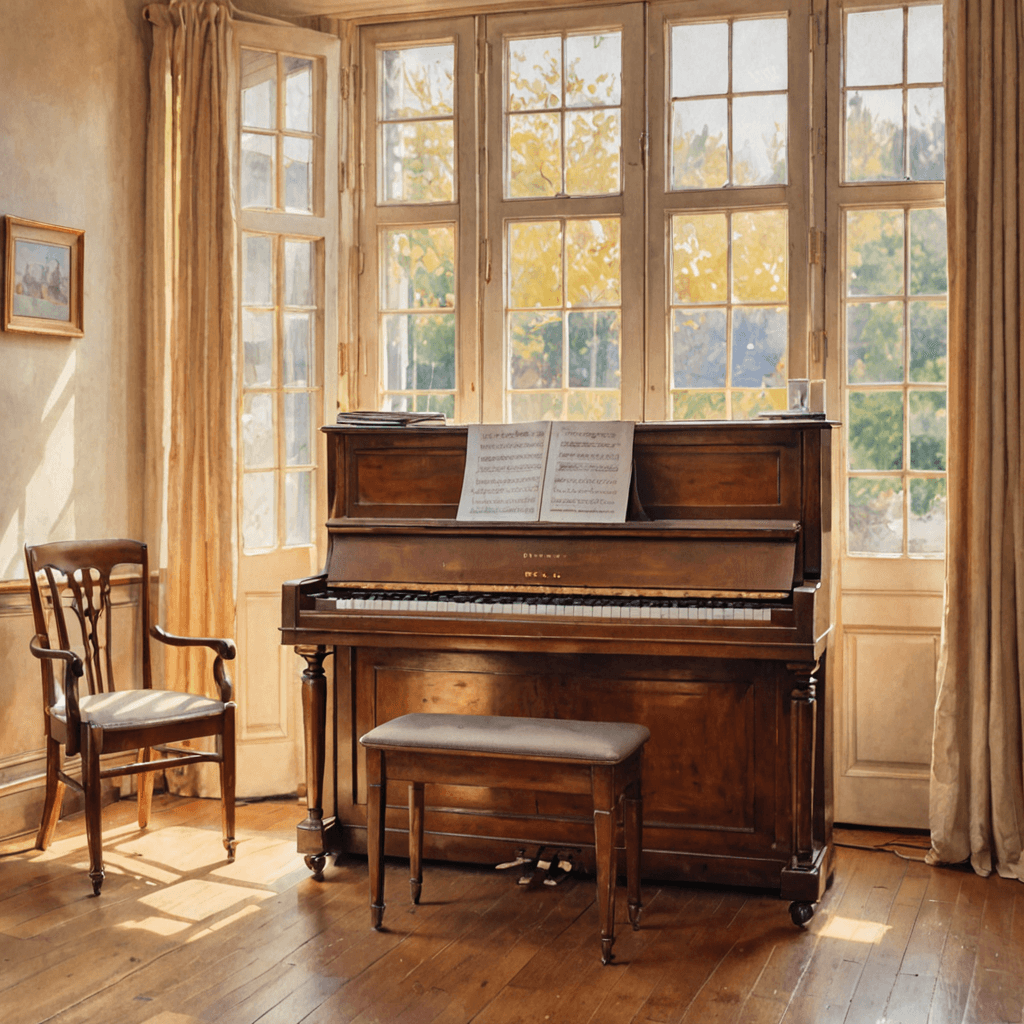
    Most parents book a first piano lesson expecting their child to come home playing a recognizable tune — and the honest reality is more layered than a two-minute video online suggests. Below, we walk through what actually happens in that first session, what experienced teachers quietly wish families understood beforehand, and how real progress unfolds in the opening months. Here’s what the first lesson looks like from the other side of the piano bench.

    What Actually Happens in a First Piano Lesson

    A first lesson is rarely about music in the way parents imagine. It’s an assessment disguised as play. In the opening thirty minutes, a good teacher is reading hand shape, posture, attention span, how a child responds to instruction, and whether they’re comfortable making mistakes in front of an adult they just met. Some of that first lesson will look like “not much” — finding middle C, learning how to sit, tapping rhythms, naming a few notes.

    That’s by design. At Muzart Music and Art School, we run private music lessons out of our single Etobicoke location near Cloverdale Mall, and the first session is where a teacher builds the map they’ll teach from for the next several months. A child who rushes gets a different first month than a child who freezes when corrected. Neither is a problem — but the teacher needs to see it before building a plan.

    For adult beginners, the first lesson does similar diagnostic work, just with different questions: What music do you actually want to play? How much time do you realistically have? Have you tried before and stopped? The answers reshape everything that follows.

    If you’re weighing where to start, our piano lessons in Etobicoke are built around this kind of individualized first read rather than a fixed curriculum every student marches through identically.

    What Piano Teachers Wish Parents Knew

    Here’s the observation we’d put at the top of the list: the first lesson is a starting line, not a demonstration. Parents sometimes stand in the doorway waiting for a payoff moment — a song, a flourish, proof. When it doesn’t come, the worry starts. But a child who spends the first lesson learning to find their way around the keyboard confidently is exactly where they should be.

    A few things that genuinely help before lesson one:

    Let the teacher lead the pace. It’s tempting to ask, “When will she play a real song?” That question, asked in front of the child, adds pressure that slows learning. Progress in piano is cumulative and quiet before it’s visible.

    Don’t pre-teach out of enthusiasm. Well-meaning parents sometimes show a child “the notes” from a chart at home before lessons start. More often than not, this introduces habits — labelling keys with stickers, naming notes by the wrong system — that the teacher then has to gently undo. Coming in with a blank slate is genuinely easier.

    Expect the first month to be about foundations. Posture, hand position, and reading are the unglamorous scaffolding that everything else rests on. Skip them and a student hits a ceiling by intermediate level that’s painful to fix later.

    Understand what’s included. Our monthly music program runs $155 and includes all materials, and a trial lesson is $35 — deliberately low, because the first lesson is as much about fit as it is about music. If the teacher and student don’t click, better to know early.

    The Practice Conversation Nobody Prepares You For

    The single biggest predictor of whether piano “works” for a family isn’t talent — it’s how practice gets set up in the first month. And this is where most families accidentally set themselves up for friction.

    The instinct is to aim high: thirty minutes a day, every day. For a five- or six-year-old, that’s neither realistic nor useful. In our experience teaching beginners, five to ten focused minutes most days beats a heroic half-hour on Sunday that everyone dreads. Short and frequent builds the neural habit; long and rare builds resentment.

    The parent’s job in that first month is smaller than they think. You don’t need to know piano to support practice. You need to protect a consistent time and place — after dinner, before screen time, whatever fits your household — and let the teacher own the content. When practice becomes a scheduled part of the day rather than a nightly negotiation, it stops being a fight.

    Acoustic Piano or Keyboard to Start?

    This question comes up in nearly every first lesson, and the honest answer is: a full-size weighted keyboard is a perfectly good starting instrument. Beginners don’t need a grand piano in the living room to build proper technique in year one. What matters more is that the keys are full-size and, ideally, weighted so the fingers develop real strength rather than the light touch of a toy keyboard.

    Families sometimes worry they need to invest in an acoustic instrument before they even know if lessons will stick. They don’t. Start with what’s reasonable, and upgrade if and when the student’s commitment makes it worthwhile. A student preparing for Etobicoke RCM examination preparation down the line may eventually benefit from an acoustic action — but that’s a conversation for later, not a barrier to starting.

    How Progress Actually Looks in the First Six Months

    Realistic milestones help everyone stay patient. Broadly, a young beginner practising consistently will often spend the first couple of months on hand position, simple five-finger patterns, and reading a handful of notes. By around the three-month mark, short recognizable pieces start to appear — the kind that make a child (and parent) light up. By six months, a committed student is usually reading simple music in both hands and building a small repertoire.

    Adults frequently move through the reading stage faster because they already understand patterns and can self-correct, but they hit their own wall: fitting practice into a full life. The students who last are the ones who make peace with small, regular practice instead of chasing an hour they’ll never consistently find.

    None of these timelines are promises — every child is different, and practice frequency changes everything. But they’re the honest shape of the road, drawn from what we see across our Etobicoke studio rather than from a marketing brochure.

    Ready to start? You can book a trial lesson to meet a teacher and see the fit for yourself, or request more information if you’d like to talk through options first.

    Frequently Asked Questions

    How old should my child be before starting piano lessons?

    Many children are ready around age five or six, when they can sit and focus for a short lesson and follow simple instructions. Some younger children do well with a shorter, play-based approach. In a first lesson, the teacher assesses readiness directly — which is one reason the low-cost trial exists. If your child isn’t quite ready, an honest teacher will tell you rather than take the enrolment.

    Do I need to buy a piano before the first lesson?

    No. A full-size, ideally weighted keyboard is enough to begin and build proper technique. Many families start there and only consider an acoustic instrument once the student’s commitment is clear. Starting shouldn’t require a major purchase.

    How much should my child practise at the beginning?

    Less than most parents assume. Five to ten focused minutes most days is more effective for a young beginner than a long session once a week. Consistency builds the habit; the length can grow naturally as the student does.

    What if my child doesn’t like the first lesson?

    That happens, and it’s useful information rather than a failure. Sometimes it’s the teacher fit, sometimes it’s nerves, sometimes it’s the wrong instrument for that child. The trial lesson at $35 exists precisely so families can test the water before committing to a monthly program. If it’s not right, we’d rather know early.

    Should we prepare anything before the first lesson?

    Mostly, no — coming in without pre-taught habits is genuinely easier for the teacher. What helps is arriving relaxed, well-rested, and without pressure to “perform.” Let the first lesson be the starting line it’s meant to be.


    Curious whether piano is the right fit for your child or for you? Explore our piano lessons in Etobicoke, browse our full range of private music lessons, or book a trial at our Etobicoke studio near Cloverdale Mall.
  • Karen Kain School Audition: What the Process Actually Involves

    Karen Kain School Audition: What the Process Actually Involves

    Karen Kain School Audition: What the Process Actually Involves

    Parents searching for the “Karen Kain School audition” are often surprised by what they find, because the Karen Kain School of the Arts doesn’t run the kind of high-pressure performance audition the word suggests. It’s a Grade 6-entry middle-years arts school with a workshop-based application process built around younger children — and understanding that difference completely changes how you help your child prepare. Here’s what the process actually involves, who it’s for, and how to support a child who wants in.

    What the Karen Kain School of the Arts Actually Is

    The Karen Kain School of the Arts (KKSA) is a Toronto District School Board arts-focused school located on Berl Avenue in the Stonegate-Queensway area of Etobicoke — close to home for many families across west Toronto and the surrounding communities. It opened in 2008 and is named after Karen Kain, the celebrated Canadian dancer and longtime artistic leader of the National Ballet of Canada.

    Two facts about KKSA reshape how families should think about it. First, it’s a middle-years school serving roughly Grades 6 through 8, and students enter at the Grade 6 level only. That means the children applying are in Grade 5. Second, KKSA takes an integrated, generalist approach to the arts: rather than specializing in a single discipline, every student participates in dance, drama, vocal music, visual arts, and media as part of the curriculum. Arts aren’t a separate subject bolted on — they’re woven through how the whole curriculum is taught.

    This matters enormously for preparation. A family imagining a make-or-break audition where a ten-year-old performs a polished solo has the wrong picture. KKSA is looking for young children with genuine curiosity and enthusiasm across the arts, not finished specialists.

    How the Application and Workshop Process Works

    Because KKSA admits at Grade 6, the process unfolds during a child’s Grade 5 year, and it looks more like an application-plus-workshop than a conventional audition.

    Grade 5 students typically submit an online application during a window that opens in the fall and closes before the winter break. Applicants who move forward through the initial screening are then invited to take part in one or more workshops, where the school observes children engaging with the arts and looks for demonstrated commitment and passion rather than technical perfection. The school admits a small Grade 6 cohort each September — around sixty students — and maintains a waitlist beyond that.

    KKSA also holds an information evening, usually in November, where the school explains the current year’s process to prospective families. Because dates, deadlines, and details change from year to year, attending that information night and checking the school’s official page is the single most reliable way to get accurate, current requirements. We always tell families: don’t rely on last year’s blog posts or forum threads for this — go to the source.

    Preparing a Young Child for an Arts Workshop

    If the process is a workshop looking for curiosity and enthusiasm rather than a performance testing polish, then preparation looks very different from preparing a teenager for a specialized secondary audition. For a Grade 5 child, the goal is genuine, broad arts exposure and confidence, not intensive drilling on a single piece.

    At Muzart Music and Art School — a single studio in Etobicoke, near Cloverdale Mall — the most useful preparation we see for a child heading toward this kind of arts-immersion program is simply consistent, joyful experience across the arts. A child who has spent time singing, drawing, and creating walks into a workshop comfortable and confident, able to participate freely rather than freezing up. That comfort is what a screening workshop is designed to surface.

    Because KKSA includes a vocal music strand, children who enjoy singing benefit from building a foundation early. Our singing lessons in Etobicoke give young children age-appropriate vocal experience and, just as importantly, repeated low-stakes practice performing and participating in front of another person. For the visual and creative side, our group art classes for children build the drawing and creative-thinking habits that carry into any arts environment, in a social setting that mirrors the collaborative feel of a workshop.

    Muzart’s private music lessons, including children’s group art programming, run at $155 per month with all materials included, and families almost always begin with a $35 trial to see whether the fit is right for their child. The aim isn’t to manufacture a prodigy — it’s to give a curious child real, enjoyable arts experience so that a workshop feels like play rather than a test.

    It also helps to talk with your child honestly about what the day might involve — that they’ll get to try different arts activities, that there are no wrong answers, and that the grown-ups just want to see them have fun and join in. Children who arrive understanding that the workshop is a chance to play, not an exam to pass, tend to relax and show their real selves, which is precisely what the school hopes to see. A calm, well-rested, low-pressure child participates far more freely than one who’s been told the whole thing rides on this one morning.

    Keeping Perspective on the Whole Thing

    It’s worth stepping back. KKSA is one path, and it’s a middle-years one — many wonderful young artists thrive in their local school and pursue specialized arts education later, at the secondary level. The pressure some families put on a Grade 5 arts application is often out of proportion to what the school is actually looking for, which is enthusiasm and potential in a child who’s still very young.

    So the healthiest preparation is the kind that would benefit your child regardless of the outcome: broad arts exposure, growing confidence, and genuine enjoyment. If your child gets in, they arrive ready to thrive in an arts-rich environment. If they don’t, they’ve still gained skills and confidence that serve them anywhere — including the secondary arts schools they may audition for a few years later.

    For families thinking ahead to that secondary stage, our guides to Wexford versus ESA and Cardinal Carter audition preparation cover the arts high schools that KKSA students — and many others — often move on to consider.

    Why the Generalist Approach Is a Feature, Not a Limitation

    Some parents worry that an integrated, everyone-does-everything arts program won’t let a child who’s passionate about one discipline go deep enough. In practice, the generalist model is well suited to the age it serves. A ten- or eleven-year-old is rarely ready to commit to a single art form for life, and early over-specialization can actually narrow a child before they’ve discovered what they love.

    Exposure across dance, drama, vocal music, visual arts, and media does something valuable at this stage: it lets a child find their strengths and interests through real experience rather than a premature guess. A student who arrives thinking they’re “a visual arts kid” sometimes discovers a love of vocal music they never expected, and vice versa. By the time these students reach the secondary level and the specialized auditions at schools like ESA, Wexford, or Cardinal Carter, they’ve had years of broad arts experience to draw on — which is exactly the foundation those later, discipline-specific auditions reward.

    That’s also why the preparation we recommend mirrors the school’s own philosophy. Rather than pushing a child to specialize early, giving them wide, joyful exposure — a bit of singing, a bit of art, room to explore — builds the confident, curious young artist these programs are actually looking for.

    Frequently Asked Questions

    Is the Karen Kain School audition a real performance audition?

    Not in the conventional sense. KKSA uses an application followed by a workshop-based screening for Grade 5 students applying to enter at Grade 6, and it looks for curiosity, commitment, and enthusiasm across the arts rather than a polished performance. Always confirm the current process on the school’s official page.

    What grade do students enter Karen Kain School?

    Students enter at Grade 6 only, which means children apply during their Grade 5 year. The school serves roughly Grades 6 through 8 as a middle-years arts program before students move on to secondary schools.

    How should my Grade 5 child prepare?

    With broad, enjoyable arts experience rather than intensive drilling. Consistent singing, drawing, and creative activity build the confidence and curiosity a workshop is designed to surface. Our group art classes for children and singing lessons in Etobicoke support exactly this kind of preparation.

    Does KKSA specialize in dance because it’s named after Karen Kain?

    While it honours a great Canadian dancer, KKSA takes a generalist approach — every student participates in dance, drama, vocal music, visual arts, and media. It’s an arts-integrated program, not a single-discipline conservatory.

    When are applications due?

    Applications typically open in the fall of a child’s Grade 5 year and close before winter break, with an information evening usually held in November. Because exact dates change annually, verify them on the school’s official website. You can also request more information about preparing your child.

    Give Your Child a Strong Arts Foundation

    The best preparation for an arts-immersion school like KKSA is a child who genuinely loves making music and art — confidence a workshop can see. To build that foundation, book a trial lesson at our Etobicoke studio or request more information, and we’ll help your child grow the curiosity and confidence that carry into any arts environment.

  • Electric Guitar for Kids in Etobicoke: The Right Starting Age

    Electric Guitar for Kids in Etobicoke: The Right Starting Age

    Electric Guitar for Kids in Etobicoke: The Right Starting Age

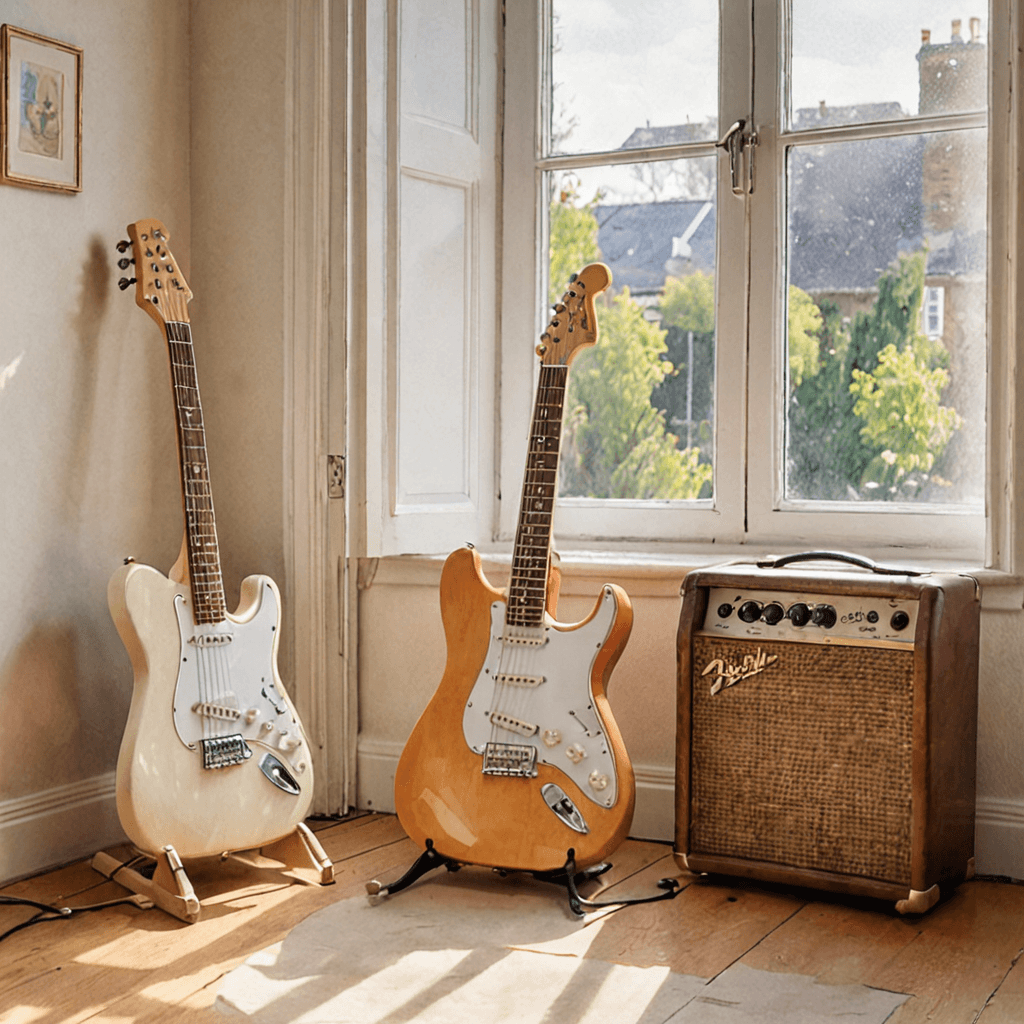
    Plenty of Etobicoke parents have a child who’s begging to play electric guitar and no clear sense of whether they’re old enough to start. The honest answer is that there’s no single magic age — readiness depends on hand size, attention span, and genuine interest far more than a birthday. This post walks through when children are typically ready for electric guitar, why the electric can actually be a better first instrument than parents assume, and how to set your child up to stick with it.

    Is There a “Right” Age to Start Electric Guitar?

    Most children are ready to begin guitar somewhere around age six or seven, but that’s a guideline, not a rule. What actually determines readiness are a few practical factors that have little to do with the number on the calendar.

    The first is hand size and strength. Pressing strings down cleanly against the fretboard takes a certain amount of finger strength and reach, and a very young child with small hands may find a full-size instrument frustrating. The good news is that guitars come in smaller scale sizes, and a properly sized instrument makes an enormous difference for a young beginner. A child who struggles on a full-size guitar can often play comfortably on a three-quarter or half-size instrument.

    The second factor is attention span. Guitar requires focused, repetitive practice, and a child needs to be able to sit with a task for a stretch of time — even a short one — to make progress. This varies hugely from child to child. Some five-year-olds can focus beautifully; some eight-year-olds aren’t there yet. You know your child.

    The third, and most important, is genuine interest. A child who is asking to play, who lights up around the instrument, will push through the early awkwardness that makes a reluctant child give up. Interest is the fuel. If your child is the one requesting electric guitar, that’s the single best predictor that they’re ready to start.

    Why Electric Can Be a Great First Guitar for Kids

    Parents often assume a child should “start on acoustic and graduate to electric,” but that conventional wisdom deserves a second look, especially for young beginners.

    Electric guitars are physically easier to play in some important ways. The strings sit closer to the fretboard and are generally lighter and easier to press down than steel acoustic strings, which means less finger pain and less frustration in those crucial first weeks when a child is deciding whether they like this. The necks are often slimmer too, which suits smaller hands. For a young child, that lower physical barrier can be the difference between sticking with it and quitting.

    There’s also the motivation factor, which parents underestimate. A child who wants to play electric guitar wants to play the electric — it’s the instrument they imagine themselves playing, the one that sounds like the music they love. Handing them an acoustic “for now” can quietly drain the excitement that was going to power their practice. Meeting a child’s actual enthusiasm, rather than redirecting it, keeps them engaged.

    The volume concern is easily solved: electric guitars can be played unplugged (they’re quite quiet acoustically) or through headphones with a small amp or interface, so a child practicing electric doesn’t have to fill the house with sound. That said, both electric and acoustic are excellent starting points, and the right choice ultimately comes down to the individual child. What matters is that they play something they’re excited about, on a properly sized instrument, with good guidance.

    How Private Lessons Make the Difference for Young Beginners

    At Muzart Music and Art School — our single studio in Etobicoke, near Cloverdale Mall — all music instruction is private and one-on-one, and for young guitar beginners that format matters more than it might seem.

    A private teacher sizes the instrument to the child, sets the pace to the child’s attention span, and catches the small technical habits — hand position, posture, how hard to press — before they become frustrating problems. In a group setting, a five- or seven-year-old can easily get lost or discouraged; in a private lesson, everything bends around that one child. A good teacher also knows how to keep a young beginner motivated, mixing the necessary fundamentals with songs the child actually wants to play so that practice feels like fun rather than homework.

    Our guitar lessons in Etobicoke are built exactly this way — around the individual student rather than a class curriculum. The private program runs at $155 per month with all materials included, and most families start with a $35 trial lesson. For a young child especially, that trial is invaluable: it lets you see whether your child engages with the instrument and the teacher before committing, and it lets the teacher assess whether your child is ready to start now or might benefit from waiting a few months.

    If you’re not sure electric guitar is the right first instrument, our Etobicoke studio also teaches acoustic guitar, piano, drums, and voice privately, so it’s easy to explore the full range of private music lessons and find what genuinely fits your child.

    Setting Up Your Child for Success at Home

    Once your child starts, a few simple things at home make an outsized difference in whether they stick with it.

    Keep the guitar accessible, not tucked away in a case in a closet. A child who can see and pick up their instrument easily will play it far more often. Short, frequent practice beats long, rare sessions — ten focused minutes a day does more for a young beginner than an hour on Sunday. And celebrate the small wins: the first clean chord, the first recognizable riff. Young children are powerfully motivated by a parent noticing their progress.

    Above all, keep the pressure low. The goal in the early years is a child who loves playing, not a child who’s been drilled into resenting it. The technical progress follows naturally when the enjoyment is there, and a child who associates the guitar with fun and encouragement is a child who keeps playing for years.

    Frequently Asked Questions

    What age can a child start electric guitar?

    Many children are ready around age six or seven, but readiness depends more on hand size, attention span, and genuine interest than on exact age. A properly sized instrument and a child who wants to play matter far more than the number. A trial lesson is the best way to assess whether your child is ready now.

    Should my child start on electric or acoustic?

    Both are great first instruments. Electric guitars are often physically easier for small hands — lighter strings, slimmer necks, less finger pain early on — and matching a child’s actual enthusiasm keeps them engaged. The right choice depends on the individual child, and our teachers can help you decide.

    Do we need to buy an expensive guitar to start?

    No. What matters most is that the instrument is the right size for your child, not that it’s expensive. A modest, properly sized electric guitar is perfectly good for a young beginner, and our teachers can advise on sizing. You can request more information for guidance before you buy.

    Will electric guitar be too loud for our home?

    Not at all. Electric guitars are quiet when played unplugged and can be practiced through headphones with a small amp, so your child can practice at any hour without filling the house with sound.

    How long are lessons and how much do they cost?

    Muzart’s private guitar lessons in Etobicoke run at $155 per month with all materials included, and families typically begin with a $35 trial lesson to make sure the fit is right before committing.

    How Long Until They Can Play a Real Song

    Parents almost always want to know when their child will play something recognizable, because that first “real song” moment is what turns a curious beginner into a committed one. The reassuring answer is that it usually comes fast on guitar.

    Within the first weeks, a young beginner can typically learn a simple one- or two-string riff — the kind of instantly recognizable line that makes a child feel like a real guitarist. Basic chords take a little longer, because they require pressing multiple strings at once, but many children are playing simplified versions of songs they know within their first couple of months. On electric especially, where the strings are easier to press, that early momentum tends to arrive sooner.

    The key is that progress on guitar is highly visible and rewarding early on, which suits a child’s need for quick wins. A good teacher structures those first months so there’s a steady stream of small victories — a riff here, a chord change there — rather than months of dry technique before anything sounds like music. That visible progress is what carries a young player through the inevitable trickier patches later. Our guide to guitar lessons for kids lays out the first six months step by step.

    Book Your Child’s First Lesson

    If your child is asking to play electric guitar, that enthusiasm is worth acting on while it’s fresh. Book a trial lesson at our Etobicoke studio or request more information, and we’ll help you figure out whether now’s the right time and set your child up to love playing.

  • OCAD Drawing and Painting Portfolio: The Mix That Gets Accepted

    OCAD Drawing and Painting Portfolio: The Mix That Gets Accepted

    OCAD Drawing and Painting Portfolio: The Mix That Gets Accepted

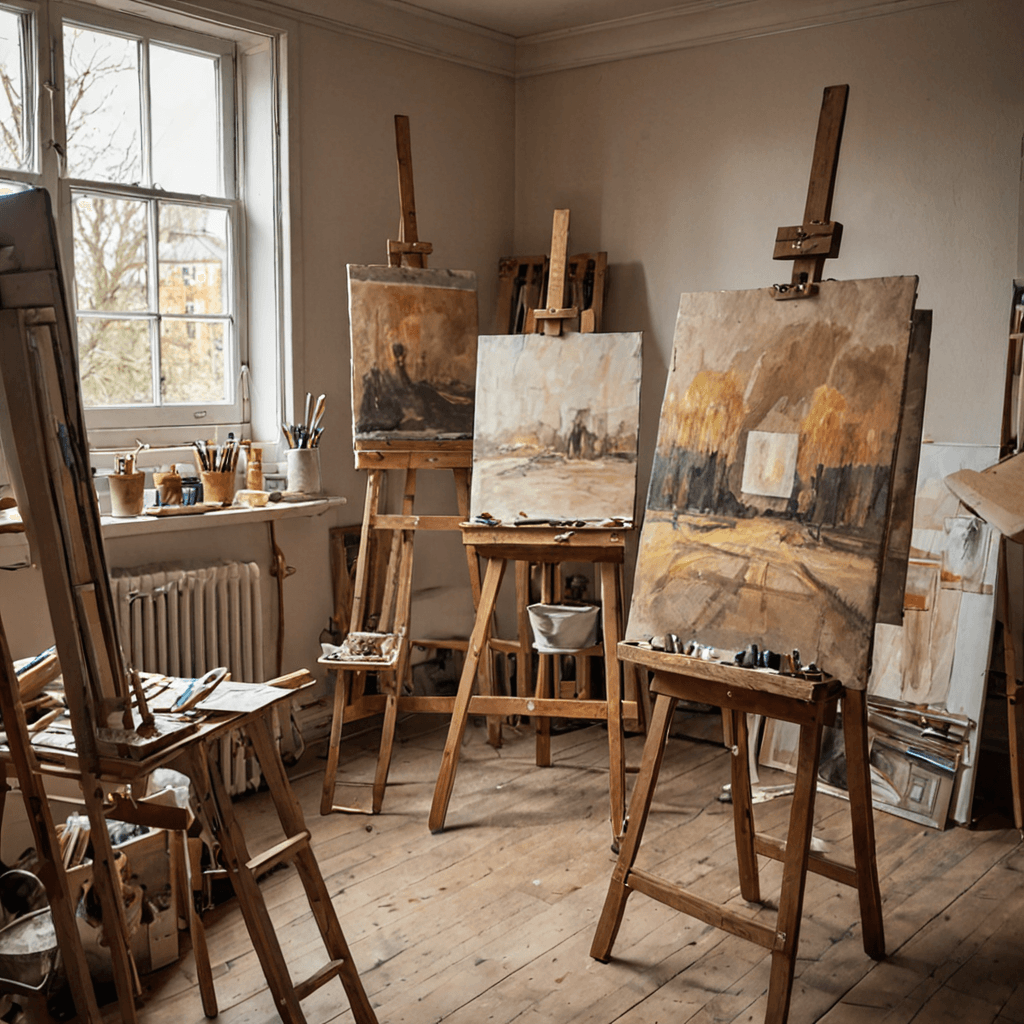
    Applicants to OCAD University’s Drawing and Painting program often ask the same practical question: what should actually go in the portfolio, and in what proportions? The honest answer is that reviewers care far less about a stack of polished paintings than about a thoughtful mix that proves you can observe, experiment, and think as an artist. Below, we break down the right balance of pieces for a Drawing and Painting submission, the mistakes that quietly sink otherwise strong portfolios, and how to build the whole thing over time rather than in a panic.

    What OCAD’s Drawing and Painting Reviewers Are Really Looking For

    Drawing and Painting sits within OCAD University’s Faculty of Art, and reviewers reading these portfolios are trying to answer one question above all: can this student see, and can they translate what they see onto a surface with control and intention?

    That’s why observational drawing carries so much weight. OCAD explicitly favours drawing from direct observation over drawing from photographs, and when work is referenced from a photo, reviewers want to see a creative departure from the source rather than a faithful copy. Life studies — drawing the figure from life — are especially valued because they reveal genuine visual analysis rather than memorized formulas. If your portfolio has one clear foundation, it should be evidence that you can look hard at the real world and render it convincingly.

    But observation alone isn’t enough. Reviewers also want painting skill, a range of media, and — this is the part applicants underestimate — evidence of how you think. Skill, curiosity, personal voice, and the capacity to develop ideas matter as much as any single finished piece. A technically clean but conceptually empty portfolio consistently loses to one that shows a real mind at work.

    The Right Mix of Pieces

    OCAD’s general guidance for its studio programs asks for a manageable number of finished works — most programs request roughly eight to ten examples of original finished work that show a variety of skills and approaches — accompanied by process work or a sketchbook. Because exact numbers, formats, and deadlines can shift each cycle, always confirm the current requirements on OCAD’s official Preparing a Portfolio pages before you finalize anything. That said, the underlying balance for a Drawing and Painting submission tends to look like this.

    Lead with observational work. A meaningful portion of your finished pieces should demonstrate that you can draw and paint from life — still lifes, interiors, figures, whatever puts your observational skill on display. This is the backbone.

    Show range in media and approach. Reviewers want to see that you’ve explored beyond a single comfortable style. Mix drawing and painting, try different materials, and include work that shows you experimenting rather than repeating one safe formula.

    Include process work. A sketchbook or body of process work is not filler — it’s some of the most revealing material in the portfolio. It shows your routine, your creative development, your inspirations, and how a finished piece came to be. Reviewers read it closely, and each sketchbook typically counts as one portfolio piece.

    Add the written layer. OCAD portfolios are accompanied by a statement of intent and short explanations of each finished piece. These aren’t afterthoughts; they give reviewers the context to understand what you were trying to do. A strong statement can meaningfully lift a portfolio.

    The goal isn’t to hit a maximum number of pieces. It’s to curate a set where every inclusion earns its place and the collection as a whole tells reviewers who you are as an artist.

    The Mistakes That Sink Strong Portfolios

    At Muzart Music and Art School — a single studio in Etobicoke, near Cloverdale Mall — portfolio preparation is one of the things we work on most, and a few avoidable mistakes come up repeatedly in Drawing and Painting submissions.

    The most common is leaning too heavily on copied work — meticulous reproductions of photographs or of other artists’ pieces. These demonstrate patience but not the observational and creative thinking OCAD actually wants, and they can flatten an otherwise promising portfolio.

    The second is a lack of range. A portfolio of ten similar pieces in one style reads as a student who found one thing they’re good at and stopped growing. Reviewers want to see exploration.

    The third is neglecting process work, or treating the sketchbook as an afterthought scanned in at the last minute. Since process work reveals how you develop ideas, a thin or absent sketchbook removes one of your strongest chances to show your thinking.

    And the fourth is timing. Portfolios built in a last-minute rush look rushed. Strong submissions are developed over many months, which gives students room to build observational skill, experiment, and select their genuinely best work rather than whatever they managed to finish in time.

    Building It Over Time, Not Overnight

    Because Drawing and Painting portfolios reward observational skill and range — both of which take months to develop — the most useful thing an applicant can do is start early. A student who spends a year building a habit of observational drawing, trying different media, and keeping an active sketchbook arrives at application season with real choices. A student who starts in the fall of their application year is choosing among whatever exists.

    This is exactly what structured portfolio preparation is designed to support. Our Etobicoke portfolio preparation sessions focus on building the observational foundation first, then developing range and personal direction, and finally curating the strongest possible set of pieces with the accompanying written material. The program runs on one-hour sessions at $310 per month with all materials included, and families heading into an application year often start with a $70 trial session to see whether the approach fits before committing to an intensive year.

    For students still deciding which OCAD major to target, it’s worth reading across the program-specific requirements, because a Drawing and Painting portfolio differs meaningfully from a design or animation one. Our companion breakdowns of the OCAD Illustration portfolio, the OCAD Animation portfolio, and the OCAD Environmental Design portfolio walk through how those submissions differ, and our overview of what accepted OCAD students actually submitted shows the pattern across successful portfolios.

    Frequently Asked Questions

    How many pieces should a Drawing and Painting portfolio have?

    OCAD’s general guidance for its studio programs points to roughly eight to ten finished works plus process work or a sketchbook, though you should confirm the exact current requirement on OCAD’s official portfolio pages. What matters more than hitting a specific count is that every piece earns its place and the set shows range, observational skill, and personal direction.

    Does OCAD prefer drawing from life or from photos?

    From life. OCAD favours drawing from direct observation, and work referenced from photographs should show a clear creative departure rather than a faithful copy. Life studies are especially valued because they demonstrate genuine visual analysis. Building this skill is a central focus of our portfolio preparation program.

    How important is the sketchbook or process work?

    Very. Process work reveals how you develop ideas and is read closely by reviewers — it’s often where a portfolio is won or lost. Treat it as a core component, not a last-minute add-on, and keep it active throughout your preparation.

    When should my teen start building an OCAD portfolio?

    Ideally a year or more before the application deadline. Observational skill and range take months to develop, and an early start means a student selects their best work rather than settling for whatever they finished in time. You can request more information to talk through a realistic timeline for your teen.

    Can Muzart help specifically with a Drawing and Painting portfolio?

    Yes. Our Etobicoke portfolio preparation focuses on the observational foundation, media range, and curation that Drawing and Painting submissions reward, along with the statement and piece descriptions. It’s private, all-ages instruction built around each student’s goals.

    How a Drawing and Painting Portfolio Differs From a Design One

    One reason students stumble is that they treat “an OCAD portfolio” as one generic thing, when the expectations shift meaningfully by program. A Drawing and Painting submission is not interchangeable with a design portfolio, and understanding the difference helps a student aim their preparation correctly.

    Design-focused programs tend to reward concept development, problem-solving, and evidence of thinking through a brief — often with more emphasis on ideas, iterations, and sometimes three-dimensional or media work. A Drawing and Painting portfolio, by contrast, puts the weight on fine-art fundamentals: observational skill, command of drawing and painting media, colour and composition, and a developing personal voice as a maker of images. Both value process work and range, but the centre of gravity is different.

    This is why a student targeting Drawing and Painting should invest heavily in observational drawing and painting practice specifically, rather than assembling a scattered collection of whatever they’ve made. The portfolio should read as the work of someone who looks hard at the world and renders it with intention — and who is beginning to develop a point of view. Tailoring the portfolio to the program, rather than submitting a one-size-fits-all set, is one of the clearest markers of an applicant who has done their homework.

    Start Your Portfolio the Right Way

    A strong Drawing and Painting portfolio is built over months, from observation outward — not assembled in a scramble. If your teen is aiming for OCAD, the best time to lay the foundation is now. Book a trial session or request more information, and we’ll help map out the mix that gives them the strongest possible submission.

  • Adult Drum Lessons in Etobicoke: Starting the Kit After 40

    Adult Drum Lessons in Etobicoke: Starting the Kit After 40

    Adult Drum Lessons in Etobicoke: Starting the Kit After 40

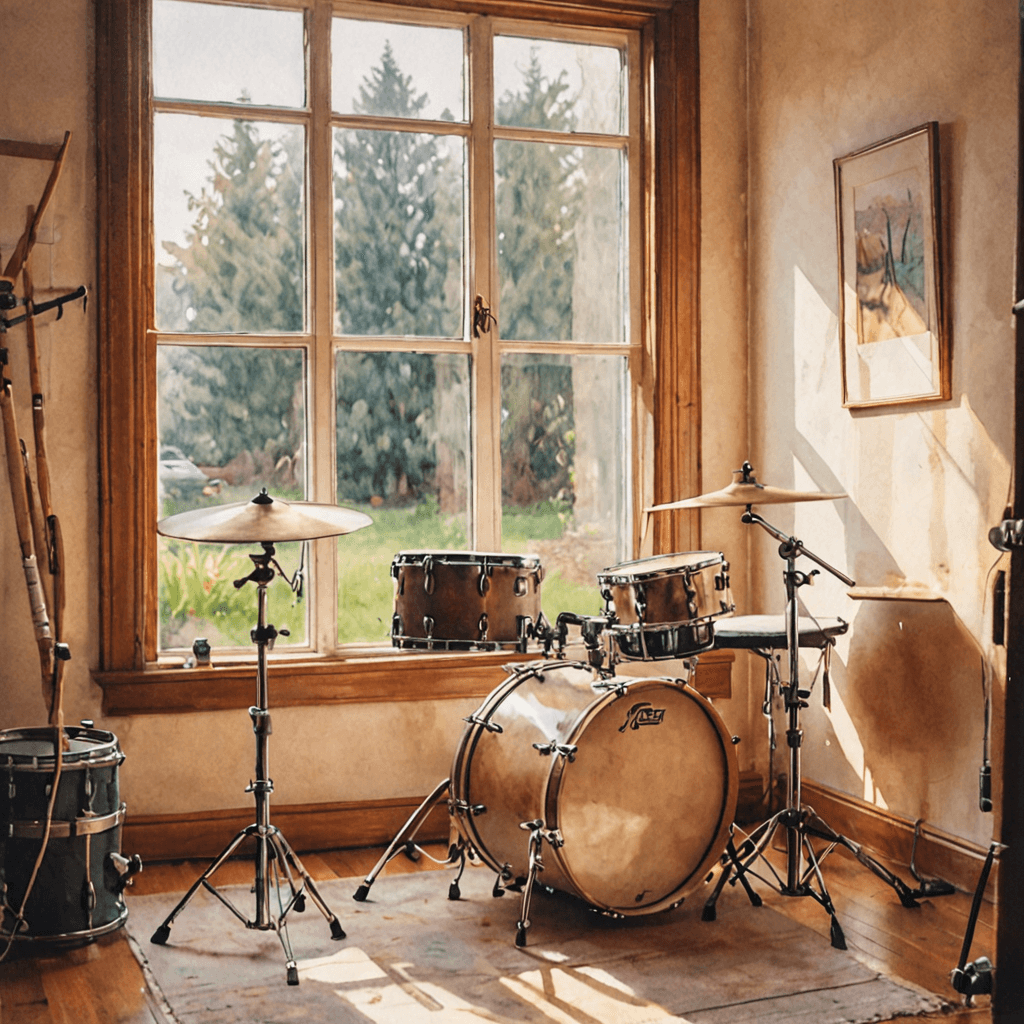
    A lot of adults quietly want to play the drums and assume the window closed decades ago. It didn’t. Starting the kit in your forties, fifties, or beyond is not only possible — it comes with real advantages that younger beginners don’t have. This post lays out what adult drumming progress actually looks like, what to expect in your first months, and how to set yourself up so the hobby sticks rather than fizzles.

    Why Adults Make Better Drum Beginners Than They Expect

    There’s a persistent myth that music is only for the young, and drums attract it more than most instruments because they look physically demanding. In reality, adult beginners bring a set of strengths to the kit that consistently surprise them.

    Adults understand structure. When a teacher explains that a groove is built from a specific relationship between the kick, snare, and hi-hat, an adult grasps the logic quickly, where a child often needs to feel their way there over time. Adults also count better, follow explanations more precisely, and — crucially — they chose to be there. Nobody is dragging a forty-five-year-old to drum lessons. That intrinsic motivation shows up as consistent practice, and consistent practice is the single biggest predictor of progress on drums.

    The physical concern is usually overstated too. Drumming is a coordination skill far more than a strength skill. It’s about limb independence — getting your hands and feet to do different things at the same time — and that’s trained through slow, deliberate repetition, not through power. Adults who worry they’re “not coordinated enough” almost always underestimate how much of that coordination is simply built, patiently, in the first few months.

    What Your First Few Months Actually Look Like

    Honest expectations keep adult learners in the seat, so here’s the real arc.

    In the first few weeks, you’ll learn to hold the sticks in a relaxed grip, play a basic rock beat, and coordinate a simple kick-snare-hi-hat pattern at a slow tempo. It will feel clumsy, and that’s normal — you’re wiring new pathways between your hands and feet. Most adults can play a recognizable basic beat within their first month, which is enormously satisfying and usually the moment the instrument hooks them.

    Over the following months, the work shifts to steadiness and independence: keeping time with a metronome, adding simple fills, and starting to play along with actual songs. Playing to music is a turning point, because that’s when drumming stops feeling like an exercise and starts feeling like making music. By the six-month mark, a committed adult beginner in weekly lessons can typically hold down a straightforward groove through a full song and navigate basic fills.

    None of this requires natural talent. It requires showing up, practicing between lessons, and having a teacher who structures the progression so you’re always working just slightly above your current level. That’s the whole game. Because our drum lessons in Etobicoke are private and one-on-one, the pace is set entirely by you rather than by a class average — which matters a great deal for an adult who wants to move quickly through concepts they already understand and slow down on the physical coordination that takes repetition.

    Setting Up to Practice Without Annoying the Neighbours

    The most common practical worry for adult drummers isn’t ability — it’s noise. This is a solvable problem, and it shouldn’t stop anyone from starting.

    Many adult beginners practice primarily on a practice pad in the early months, which is nearly silent and develops the hand technique that transfers directly to the full kit. Electronic drum kits with headphones are another popular route for apartments and shared homes, letting you practice full grooves at any hour without disturbing anyone. An acoustic kit gives the most authentic feel and is worth aiming toward, but plenty of adults build strong fundamentals for months before they ever sit at a full acoustic setup.

    The point is that a noise concern is a logistics question, not a barrier to entry. A good teacher will help you figure out the right practice setup for your living situation early on, so you’re never stuck choosing between progress and keeping the peace at home.

    Why Private Lessons Suit Adult Learners

    At Muzart Music and Art School — our single studio in Etobicoke, near Cloverdale Mall — all of our music instruction is private and one-on-one, and for adult drummers that format is a genuine advantage rather than just a preference.

    An adult beginner has specific goals: maybe you want to play along to a particular band, maybe you drummed as a teenager and want to rebuild, maybe you just want a satisfying, absorbing hobby that gets you off screens. Private lessons let the instruction bend around those goals instead of forcing you through a generic curriculum. A private teacher also gives immediate feedback on grip, posture, and timing — the small technical details that, left uncorrected, become frustrating habits.

    Muzart’s private music lessons run at $155 per month with all materials included, and adults almost always begin with a $35 trial lesson. For a hobby you’re not sure about yet, a low-stakes trial is the sensible way in: you sit at the kit, play something, and find out whether it clicks before committing to anything. Most adults are surprised by how much fun that first hour is.

    If drums are one of a few instruments you’re weighing, it’s worth knowing our Etobicoke studio also teaches piano, guitar, and voice privately, so you can explore what genuinely fits. You can see the full range of private music lessons and decide from there.

    Staying Motivated Past the Beginner Hump

    Every adult learner hits a point, usually a couple of months in, where the initial novelty fades and progress feels slower. This is the moment most self-taught adults quit — and the moment structured lessons matter most.

    The learners who stick with it tend to do a few things: they practice in short, frequent sessions rather than rare marathon ones, they play along to music they actually love rather than only doing exercises, and they set small, concrete goals like “play through this one song cleanly by next month.” A teacher keeps that momentum going by celebrating the wins you might not notice yourself and adjusting the material the moment it gets stale. Drumming rewards consistency more than intensity, and having someone in your corner every week is often what turns a short-lived experiment into a genuine lifelong hobby.

    Frequently Asked Questions

    Am I too old to start drumming?

    Almost certainly not. Drumming is a coordination skill built through repetition, not a strength or youth skill, and adults’ focus and self-motivation make them strong beginners. We regularly work with adults starting from scratch at our Etobicoke studio, and the physical demands are far gentler than most people expect.

    How long until I can play a real song on drums?

    Many adult beginners play a recognizable basic beat within their first month and can hold a straightforward groove through a full song by around the six-month mark, assuming weekly lessons and regular practice. Your pace in private drum lessons in Etobicoke is set by you, so motivated learners often move faster.

    Do I need to buy a drum kit before I start?

    No. Many adults begin on a practice pad or an electronic kit with headphones, which handles the noise concern and builds the same core technique. You can develop strong fundamentals before investing in a full acoustic kit, and your teacher will help you choose the right setup for your home.

    Will drums be too loud for my apartment?

    Not necessarily. Practice pads are nearly silent and electronic kits let you play through headphones at any hour. Noise is a logistics question we help you solve early, not a reason to avoid starting.

    What does it cost to try drum lessons at Muzart?

    Adults typically start with a $35 trial lesson before committing, and the ongoing private program runs at $155 per month with all materials included. The trial is a genuine, low-pressure way to find out whether the kit is for you. You can request more information to get set up.

    What to Look for in an Adult Drum Teacher

    Not every drum teacher is well suited to adult beginners, and the right match makes a real difference in whether the hobby lasts. Adults learn differently from children — they want to understand the “why” behind what they’re doing, they bring self-consciousness that kids don’t, and they’re fitting practice around jobs and families rather than being shuttled to lessons by a parent.

    A teacher who works well with adults explains the logic of what you’re playing rather than just having you copy patterns, adapts the material to the music you actually want to play, and is patient with the coordination that takes repetition to build. They also understand that an adult’s practice time is limited and precious, so they help you make the most of short, focused sessions rather than assigning unrealistic hours. And crucially, a good teacher creates a low-judgment space — adults are often quietly worried about looking foolish, and the sooner that evaporates, the faster progress comes.

    This is exactly the kind of individualized attention private lessons are built to provide. When the whole hour is about you, the teacher can read your pace, your goals, and your frustrations, and adjust in real time — which is why so many adults who bounced off self-teaching find that structured private lessons finally make it click.

    Sit Down at the Kit

    If you’ve been telling yourself for years that you’d love to play the drums, the honest truth is that the best time to start is now, not later. Book a trial lesson at our Etobicoke studio or request more information, and find out how far an hour behind the kit can take you.

  • Cardinal Carter Audition Prep: What Each Stream Requires

    Cardinal Carter Audition Prep: What Each Stream Requires

    Cardinal Carter Audition Prep: What Each Stream Requires

    Families across Etobicoke, Toronto, and Mississauga who are considering Cardinal Carter Academy for the Arts usually arrive with the same question: what does the audition actually involve, and how do we prepare for it? The honest answer is that the audition differs by arts stream, the process rewards genuine skill over polish, and the students who struggle most are almost always the ones who over-prepared one thing and ignored everything else. This guide walks through what each stream asks for and how to prepare in a way that holds up under real audition-day pressure.

    What Cardinal Carter Is — and Who It’s For

    Cardinal Carter Academy for the Arts is a Catholic arts-focused school within the Toronto Catholic District School Board, serving students from Grade 7 through Grade 12. Its primary entry years are Grade 7 and Grade 9, with admission in other grades possible only when space opens up. Because it’s a magnet arts school, admission is granted almost entirely on the strength of a successful audition, with a student’s report card learning skills and work habits also taken into account.

    One detail families often miss: applicants are granted only a single audition, so students must audition in their strongest arts area rather than hedging across several. The school processes hundreds of applications each year for a limited number of seats, so choosing the right stream — and preparing for it properly — matters enormously. For applicants who live outside the City of Toronto, the child must be Catholic to be eligible; families should confirm the current residency and eligibility rules directly with the school.

    The application itself runs through the TCDSB’s online secondary application system, with a modest audition fee, and the admission cycle opens in the fall. We strongly recommend attending the school’s open house, because that’s where the current year’s specific requirements, dates, and expectations are laid out — and those details can change from year to year.

    What Each Arts Stream Requires

    Cardinal Carter auditions across several disciplines, and the requirements are genuinely different for each. Understanding your stream is the first step.

    Students auditioning in Drama are typically asked to take part in a workshop and to perform a memorized monologue. The workshop tests responsiveness and willingness to take direction; the monologue tests preparation and presence.

    Dance applicants generally participate in a class — often around ninety minutes — and perform a short improvisation. This structure means dancers can’t simply rehearse one routine; they have to demonstrate trainability and the ability to move spontaneously.

    Music applicants — in band, strings, or vocal — can expect an ear-training and rhythm component. Instrumentalists usually sight-read a passage and perform a prepared solo, while vocalists have historically been asked to sing a familiar piece unaccompanied. It’s worth noting that Cardinal Carter’s strings program is classical strings rather than guitar, so students should audition on the instrument the program actually teaches.

    Visual Arts applicants present work that demonstrates skill and creative range across drawing, painting, and other media.

    Because these specifics evolve, treat the descriptions above as the shape of what to expect rather than a fixed checklist, and verify the current-year requirements through the school’s official materials and open house.

    The Two Mistakes We Correct Most Often

    At Muzart Music and Art School — a single studio in Etobicoke, near Cloverdale Mall — a meaningful share of the teens we work with are preparing for exactly this kind of audition. And across all of them, in our experience, the same two mistakes surface again and again in the final weeks.

    The first is choosing a piece that’s too ambitious to perform cleanly. Students, understandably, want to impress adjudicators, so they reach for the hardest monologue, the flashiest solo, the most technically demanding song. But a piece performed at eighty percent under nerves reads as a piece the student hasn’t mastered. A slightly less difficult piece performed with real control, musicality, and confidence almost always makes a stronger impression. Adjudicators are experienced; they can tell the difference between a student stretching past their level and a student in full command of their material.

    The second mistake is neglecting the parts of the audition that aren’t the performance. Students pour every rehearsal hour into their monologue or solo and walk in unprepared for the ear-training test, the sight-reading, the improvisation, or the conversation about why they make art. These “non-performance” elements are where a lot of the real evaluation happens, because they reveal whether a student has genuine musicianship or trained skill underneath the one prepared piece. In our experience, the students who prepare the whole audition — not just the showpiece — are the ones who convert nerves into offers.

    Correcting both of these usually comes down to honest assessment and time. A teacher who will tell a student “this piece is a reach; let’s pick something you can own” is doing them a favour, and building sight-reading and ear-training into weekly practice months ahead removes the scramble entirely.

    How Preparation Actually Works

    For the streams that overlap with what we teach — vocal music and visual art — preparation is a matter of consistent, structured work over months, not a crash course. A student in regular singing lessons in Etobicoke develops the intonation, breath control, and ear-training that a vocal audition tests, and just as importantly, gets repeated low-stakes practice performing in front of another person. That performance familiarity is what steadies the nerves on audition day.

    For visual arts applicants, assembling audition-ready work is its own skill. Our portfolio preparation program and its Etobicoke-based portfolio preparation sessions focus on helping students build a body of work that shows range and control, then curate it thoughtfully rather than submitting whatever happens to be in the sketchbook.

    Muzart’s private music lessons run at $155 per month with all materials included, and most families start with a $35 trial lesson to gauge fit before committing. Portfolio preparation is built around one-hour sessions at $310 per month with materials included, with a $70 trial for families heading into an application year who want to test the approach first. Because Cardinal Carter grants only one audition and admission hinges on it, the months of preparation beforehand are where the outcome is really decided.

    Timing Your Preparation

    A Grade 6 student applying for Grade 7 entry, or a Grade 8 student applying for Grade 9, is auditioning in the fall or winter of their application year. Working backward, that means the skill-building should be well underway a year earlier. Students who begin serious preparation twelve to eighteen months out give themselves room to develop technique, choose the right material, and rehearse the full audition — including the parts that aren’t the performance — without last-minute panic.

    If Cardinal Carter is on your family’s short list, it’s worth comparing it against the other schools in the same conversation. Our guides to Wexford versus ESA and the Karen Kain School of the Arts round out the picture for GTA families weighing their options.

    Frequently Asked Questions

    Can I apply to more than one arts stream at Cardinal Carter?

    No — applicants are granted a single audition, so students should audition in their strongest area rather than splitting their preparation. This makes choosing the right stream a genuinely important early decision. Confirm the current application rules through the school’s official materials.

    Does Cardinal Carter’s music program include guitar or drums?

    Its instrumental streams are band and classical strings, not guitar, so students should prepare on an instrument the program actually offers, or audition in the vocal stream if singing is their strength. Our singing lessons in Etobicoke support vocal-stream preparation directly.

    How early should we start preparing?

    Twelve to eighteen months before the audition is ideal. That timeline lets a student build real technique, select material they can perform cleanly, and prepare the full audition rather than just one showpiece. Starting late is the most common cause of the “over-ambitious piece” problem.

    What’s the single biggest thing students get wrong?

    Two things that go together: picking a piece that’s too hard to perform cleanly under pressure, and ignoring the non-performance parts of the audition like ear-training, sight-reading, and improvisation. In our experience, controlled preparation across the whole audition beats a spectacular but shaky showpiece.

    Do you guarantee admission?

    No responsible program can, and you should be cautious of any that claims to — Cardinal Carter’s adjudicators make the final decision, and residency and eligibility rules apply. What structured preparation does is make sure a student walks in with genuine, well-rehearsed skill and no avoidable weak spots. You can request more information to talk through your teen’s specific situation.

    Start Preparing With a Trial

    If your teen is heading toward a Cardinal Carter audition in a stream we can support, the most useful step is to begin building the underlying skill now, while there’s still time to do it properly. Book a trial lesson or request more information, and we’ll talk through which stream fits your child and how to prepare the whole audition — not just the piece.