Category: Articles

  • Art Techniques Every Young Artist Should Learn: Toronto Studio Curriculum

    Art Techniques Every Young Artist Should Learn: Toronto Studio Curriculum

    Art Techniques Every Young Artist Should Learn: Toronto Studio Curriculum

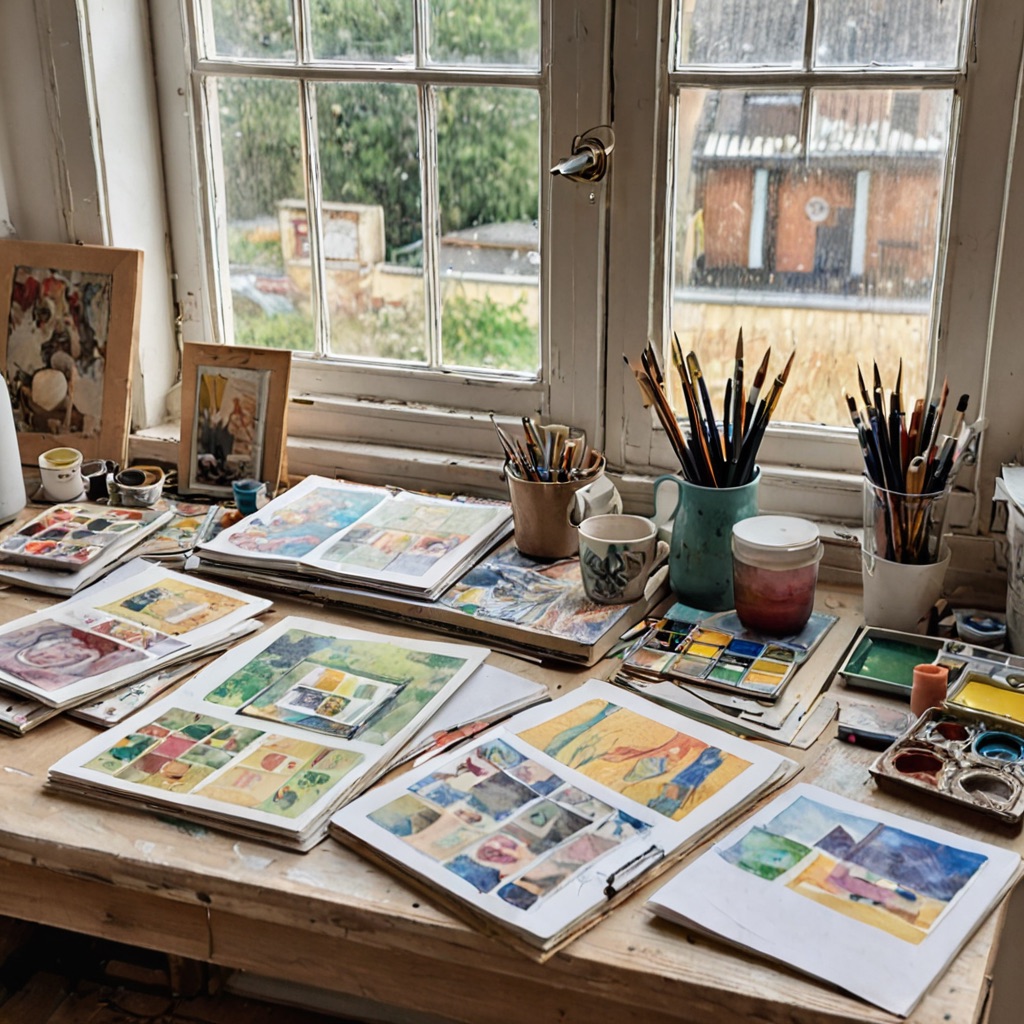
    As the first full week of January concludes, families throughout Toronto, Etobicoke, and Mississauga who enrolled their children in art education this week are beginning a journey that develops far more than artistic ability. At Muzart Music and Art School, located near Cloverdale Mall in Etobicoke, our comprehensive art curriculum introduces young artists to essential techniques that form the foundation for lifelong creative expression and visual literacy.

    Whether your child participates in our group art classes or receives individualized attention through private art lessons, they encounter a carefully structured progression of techniques designed to build skills systematically while maintaining creative freedom and personal expression. Understanding this curriculum helps families appreciate the comprehensive educational approach that distinguishes professional art instruction from recreational craft activities.

    The Foundation: Drawing Fundamentals

    Every accomplished artist builds upon solid drawing fundamentals, regardless of their ultimate artistic direction. Drawing teaches visual observation, hand-eye coordination, and the ability to translate three-dimensional reality onto two-dimensional surfaces. Our curriculum introduces drawing techniques progressively, beginning with basic shapes and contours before advancing to more complex observational work.

    Young students start with line quality exercises—learning to control pressure, create smooth curves, and draw straight lines confidently. These seemingly simple skills require significant practice and form the foundation for all subsequent drawing work. Children discover how varying line weight creates depth and emphasis, and how confident mark-making produces more dynamic artwork than tentative, scratchy lines.

    Shape recognition and construction come next. Students learn to see complex subjects as combinations of basic geometric shapes—circles, squares, triangles. A face becomes an oval with circular eyes and triangular nose. A house becomes rectangles and triangles combined. This analytical approach to seeing demystifies drawing and gives children concrete strategies for tackling any subject.

    As observation skills develop, students progress to contour drawing—following outlines carefully while observing subjects closely. This technique strengthens the connection between eye and hand while teaching patient, careful observation. Students move from simple objects to more complex still life arrangements, developing confidence in their ability to draw anything they see.

    Value and shading introduce three-dimensionality to flat drawings. Children learn to observe light and shadow, understanding how value changes create the illusion of form and volume. They practice creating smooth gradients, cross-hatching techniques, and various mark-making approaches that suggest texture and depth. These foundational drawing skills support every other art technique they’ll learn.

    Color Theory and Application

    Understanding color transforms how children create and perceive visual art. Our curriculum introduces color theory concepts through hands-on experimentation rather than abstract instruction. Students mix colors, discover relationships between hues, and learn practical application of color principles.

    Primary colors and color mixing begin the exploration. Children experiment with red, yellow, and blue paints, discovering how to create secondary colors through mixing. They learn that orange comes from red and yellow, purple from red and blue, green from yellow and blue. This hands-on discovery proves far more memorable than verbal instruction about color relationships.

    Warm and cool colors introduce the emotional and spatial properties of color. Students discover that warm colors (reds, oranges, yellows) appear to advance in space and create energetic, vibrant feelings, while cool colors (blues, greens, purples) recede and evoke calmer atmospheres. They apply this knowledge in creating artwork with intentional mood and spatial depth.

    Color value—the lightness or darkness of colors—teaches students to add white for tints and black for shades. Understanding that pink is really just a tint of red, and navy is a shade of blue, gives children tremendous control over their color palette. They learn to create value scales and understand how value contrast creates visual interest and emphasis.

    Complementary colors and color harmony introduce more sophisticated concepts. Students discover that colors opposite each other on the color wheel (red/green, blue/orange, yellow/purple) create vibrant contrast, while analogous colors (neighbors on the color wheel) create harmonious, cohesive palettes. These principles guide color selection in their artwork and develop visual sophistication.

    Painting Techniques Across Media

    Our art lessons in Etobicoke introduce multiple painting media, each with unique properties and techniques. Students who experience watercolor, tempera, and acrylic paints develop versatility and discover which media resonate with their creative preferences.

    Watercolor techniques emphasize transparency and layering. Children learn wet-on-wet application for soft, blended effects, and wet-on-dry techniques for controlled, defined marks. They discover how to create washes, gradients, and the importance of preserving white paper for highlights. Watercolor’s forgiving nature and vibrant results make it particularly appealing for young artists.

    Tempera paint, common in elementary school art programs, receives more sophisticated treatment in our curriculum. Students learn proper brush care, color mixing on palettes, and techniques for achieving smooth, even coverage. They discover how tempera’s opacity allows for layering and correction—qualities that build confidence in beginning painters.

    Acrylic painting introduces professional-grade materials and techniques. Students learn how acrylics combine the opacity of tempera with greater durability and vibrant color. They discover blending techniques, understand drying time considerations, and learn to create textural effects through varied application methods. Working with acrylics prepares students for advanced painting and provides materials appropriate for serious artistic development.

    Brush techniques apply across all painting media. Students learn proper brush grip, how different brush shapes create various marks, and the importance of brush care and cleaning. They discover dry brush techniques, stippling, impasto application, and glazing—building a vocabulary of mark-making approaches that expands their expressive range.

    Three-Dimensional Techniques: Sculpture and Mixed Media

    Moving beyond two-dimensional work develops spatial thinking and tactile creativity. Our curriculum includes sculptural techniques that engage different learning styles and creative approaches.

    Clay work introduces additive and subtractive sculpture. Students learn hand-building techniques including pinch pots, coil construction, and slab building. They discover how to join clay pieces securely, create texture through various tools, and understand the properties of clay as it dries and hardens. Working with clay provides sensory experiences that benefit all children but particularly supports kinesthetic learners.

    Paper sculpture teaches structural thinking through folding, cutting, and assembling. Children create three-dimensional forms from flat materials, learning about tabs, slots, and scoring techniques that enable complex construction. These projects develop spatial reasoning and problem-solving as students visualize how flat patterns become three-dimensional objects.

    Mixed media exploration encourages creative experimentation. Students combine drawing, painting, collage, and found objects in single artworks. They learn that art doesn’t require single-medium purity but can combine any materials that serve the creative vision. This freedom encourages innovative thinking and personal artistic voice development.

    Assemblage and construction projects develop engineering thinking alongside artistic expression. Children build sculptures from cardboard, wire, recycled materials, and other found objects. They learn to join dissimilar materials, create stable structures, and transform ordinary objects into artistic statements. These projects often resonate particularly strongly with children who struggle with traditional drawing and painting.

    Composition and Design Principles

    Understanding composition elevates student work from random arrangement to intentional design. Our curriculum introduces fundamental design principles through age-appropriate exploration and application.

    Balance teaches visual equilibrium. Students discover symmetrical balance (mirror image on both sides), asymmetrical balance (different visual weights distributed evenly), and radial balance (elements radiating from center point). They apply these concepts in creating compositions that feel stable and visually satisfying.

    Emphasis and focal point instruction teaches intentional viewer guidance. Children learn to create visual hierarchy through size, color, contrast, and placement. They understand that every artwork should have a clear focal point that draws the viewer’s eye and communicates the primary message.

    Rhythm and pattern introduce repetition as organizational principles. Students create regular patterns, alternating patterns, and progressive patterns. They discover how rhythm guides the eye through artwork and creates visual unity. Pattern-making connects to mathematical thinking and often engages students who excel in systematic, logical approaches.

    Unity and variety balance cohesion with interest. Children learn that successful artwork needs enough similarity to feel cohesive (unity) but sufficient variation to maintain interest (variety). They apply this principle through color families, repeated shapes with size variations, and thematic consistency with stylistic diversity.

    Progressive Skill Development and Personalization

    Our curriculum provides structure while allowing for individual interests and developmental pace. Younger students (ages 5-7) focus on fundamental techniques, sensory exploration, and building confidence. Older elementary students (ages 8-12) tackle more complex projects requiring sustained attention and refined motor control.

    Every student progresses through core techniques but applies them in personally meaningful ways. One child might use watercolor techniques to paint fantastical creatures, while another creates realistic landscapes. The technical instruction remains consistent, but the creative application reflects individual interests and imagination.

    Students who continue art lessons at our Etobicoke location for multiple months or years revisit fundamental techniques at increasingly sophisticated levels. A first-year student learns basic color mixing; a third-year student explores subtle color relationships and intentional palette development. This spiraling curriculum ensures continuous growth without repetition.

    The comprehensive technique instruction prepares students for various artistic paths. Some pursue general creative expression, others develop interest in specific media, and serious students prepare foundations for advanced art education or portfolio development. Our curriculum serves all these trajectories by building versatile, comprehensive skills.

    Taking Action: Enrolling in Comprehensive Art Education

    The January enrollment period continues through this weekend, but optimal scheduling becomes increasingly limited as families secure their preferred lesson times. If you’re considering art education for your child, this weekend represents your final opportunity to enroll with full schedule selection available. Book a trial lesson today to experience our comprehensive curriculum approach firsthand.

    Trial lessons demonstrate our teaching methodology and curriculum structure. Your child works with an instructor, experiences actual class format, and creates a finished artwork using techniques from our curriculum. You observe the balance between technical instruction and creative freedom, see how we differentiate instruction for varying ability levels, and ask questions about our comprehensive approach.

    For families who enroll in ongoing programs, children begin immediately accessing this rich curriculum. Group classes provide peer learning and social interaction alongside systematic technique development. Private lessons offer individualized pacing and curriculum customization for students with specific interests or goals. Both formats deliver comprehensive art education that develops lifelong skills and creative confidence.

    All materials and supplies are included in our programs—you don’t need to purchase art materials or worry about replacing supplies. Our studio stocks professional-grade materials that produce quality results and teach children to work with real art supplies rather than cheap alternatives that create frustration.

    Don’t let this January enrollment opportunity conclude without exploring how comprehensive art education could benefit your child’s development. The technical skills, creative confidence, visual literacy, and problem-solving abilities developed through systematic art instruction extend far beyond artwork creation. They influence how children think, observe, and approach challenges throughout their lives. Contact us today to discuss enrollment options and available class times.

    Frequently Asked Questions About Art Curriculum and Techniques

    At what age should my child start learning formal art techniques?

    Children can begin structured art instruction around age 5-6, when they’ve developed sufficient fine motor control and attention span for guided activities. At this age, technique instruction remains very basic and hands-on—learning to hold brushes correctly, exploring how different materials behave, and creating simple compositions. The curriculum at this level emphasizes experimentation and confidence-building rather than precise skill execution. As children mature through elementary years, instruction becomes progressively more detailed and technique-focused. Seven to eight-year-olds can handle more complex projects requiring multi-step processes, while nine to twelve-year-olds often develop serious interest in specific techniques and media. Our instructors adapt curriculum to each child’s developmental stage, ensuring age-appropriate challenges that build skills without creating frustration. Beginning formal instruction at ages 5-7 establishes positive associations with art-making during crucial creative development years.

    Will learning all these techniques overwhelm my child or stifle creativity?

    This concern arises frequently, but research and experience show that technical skill actually enhances rather than limits creativity. Think of technique as vocabulary—the more words you know, the more precisely and creatively you can express ideas. Similarly, students with broader technical skills have more options for creative expression. Our curriculum introduces techniques through exploration and application rather than rigid drill. Children learn watercolor wash techniques while painting subjects they choose, not through repetitive exercises divorced from creative context. The technical instruction provides tools; students determine how to use those tools creatively. Many parents observe that as children’s technical abilities grow, their creative confidence increases because they can execute their imaginative ideas more successfully. Students aren’t frustrated by inability to create what they envision—they have techniques needed to realize their creative concepts.

    How long does it take to see skill improvement in my child’s artwork?

    Visible improvement typically appears within 2-3 months of regular instruction. Early changes might be subtle—more confident mark-making, better color mixing, improved composition—but parents familiar with their child’s work notice these developments. By 4-6 months, progression becomes quite evident in finished pieces that demonstrate clearly improved technical skills and more sophisticated creative thinking. Long-term participation produces dramatic advancement. Comparing artwork from a child’s first month to work created after a year reveals remarkable growth in technical proficiency, creative complexity, and artistic confidence. The pace of improvement depends significantly on practice frequency—students who only create art during class progress more slowly than those who also draw and paint at home. However, even students who participate only in weekly classes without home practice show substantial development over months and years. The systematic curriculum ensures consistent skill building regardless of pace.

    Does the curriculum prepare students for art school or just recreational enjoyment?

    Our comprehensive curriculum serves both purposes. Students pursuing art recreationally gain solid technical foundations that enable confident creative expression throughout their lives. Those developing serious artistic interest build skills that prepare them for advanced art education. The same core techniques serve both trajectories—the difference lies in depth of exploration and additional specialized instruction for serious students. Children who discover strong artistic passion can transition to private lessons focused on portfolio development, receiving more intensive technique instruction and creating work appropriate for art school applications. Students maintaining recreational interest continue with group classes that provide regular creative outlet and ongoing skill development. The curriculum’s comprehensive nature means students don’t need to decide their ultimate direction before beginning—they develop versatile skills that support whatever path their interests take. Many students who begin recreationally discover serious artistic passion through exposure to comprehensive technique instruction.

    Are these techniques taught differently than in school art classes?

    Yes, significantly. School art programs, limited by time, resources, and large class sizes, often emphasize product over process and provide minimal individual instruction. Our studio curriculum focuses on systematic technique development with individualized attention. School art might involve creating a watercolor painting once during the year; our curriculum dedicates weeks to watercolor techniques, ensuring students truly understand the medium. School programs often use lower-quality materials due to budget constraints; we provide professional-grade supplies that produce satisfying results and teach proper material use. Perhaps most importantly, our small class ratios enable instructors to observe each student’s work, provide personalized feedback, and adapt instruction to individual needs. Students receive far more direct instruction and critique than school programs can provide. Many children who participate in both school art and our studio programs comment on the difference in depth of learning and quality of instruction.

    What if my child is only interested in one type of art, like drawing or painting?

    While we encourage exploration across multiple media to develop versatile skills, we respect strong preferences and adapt curriculum when appropriate. A child passionate about drawing receives more drawing-focused instruction while still experiencing other techniques for broader development. Private lessons offer greatest flexibility for media focus, allowing significant customization around student interests. However, we gently encourage at least trying various techniques because children often discover unexpected interests. Many students who believe they only enjoy drawing discover passion for painting or sculpture through guided exploration. Additionally, techniques learned in one medium strengthen abilities in others—painting improves drawing through enhanced color understanding, sculpture strengthens spatial thinking that benefits all visual art. We balance honoring preferences with encouraging growth-promoting exploration, always keeping student motivation and engagement central to curricular decisions.

  • Guitar for Children in Etobicoke: Building Musical Skills from the Ground Up

    Guitar for Children in Etobicoke: Building Musical Skills from the Ground Up

    Guitar for Children in Etobicoke: Building Musical Skills from the Ground Up

    The first full week back to school is winding down, and families throughout Etobicoke, Toronto, and Mississauga who committed to enriching their children’s lives with music education are taking action this week. At Muzart Music and Art School, located near Cloverdale Mall in Etobicoke, our guitar lessons for children focus on building proper technique and solid fundamentals from the very first lesson—creating a foundation that supports lifelong musical growth and enjoyment.

    This Friday represents your final opportunity this week to secure preferred lesson times during our peak January enrollment period. The trial lesson slots available today will be filled by weekend, and families who book now will begin their child’s guitar journey while optimal scheduling remains available. Those who wait until next week often find themselves compromising on lesson times or joining waiting lists for their desired schedule.

    Why Building Proper Guitar Fundamentals Matters

    The way your child begins guitar lessons determines their entire musical trajectory. Children who start with correct hand position, proper picking technique, and appropriate repertoire progress smoothly and maintain motivation through challenges. Those who begin with poor habits often struggle years later, requiring remedial work to unlearn inefficient techniques that have become deeply ingrained through thousands of repetitions.

    Starting music lessons with experienced instructors who emphasize fundamentals prevents these common pitfalls. Our guitar teachers at the Etobicoke location understand child development and know how to introduce technical concepts in ways that make sense to young learners. The physical aspects of guitar—hand position, finger placement, picking motion—are taught carefully and reinforced consistently until they become natural and automatic.

    Too many beginning guitar programs rush students into playing songs before establishing proper technique. While this creates short-term satisfaction, it builds long-term problems. Students develop tension, inefficient movement patterns, and technical limitations that restrict their advancement. Our approach balances immediate musical satisfaction with patient development of proper technique that enables continued growth.

    The $35 trial lesson demonstrates this philosophy in action. You’ll observe how we introduce fundamental concepts to beginning students, see the balance between technical instruction and musical enjoyment, and understand the progression your child would follow. Parents frequently comment that they wish they’d learned guitar this way—with proper foundations rather than shortcuts that create problems later.

    What Beginning Guitar Students Learn First

    The first lesson introduces the guitar itself—understanding the parts of the instrument, how to hold it properly, and correct left and right hand positions. These physical fundamentals matter enormously. Children who hold the guitar incorrectly develop neck strain, back tension, and limited mobility. Those who position their hands incorrectly limit their technical ceiling and may develop repetitive strain issues.

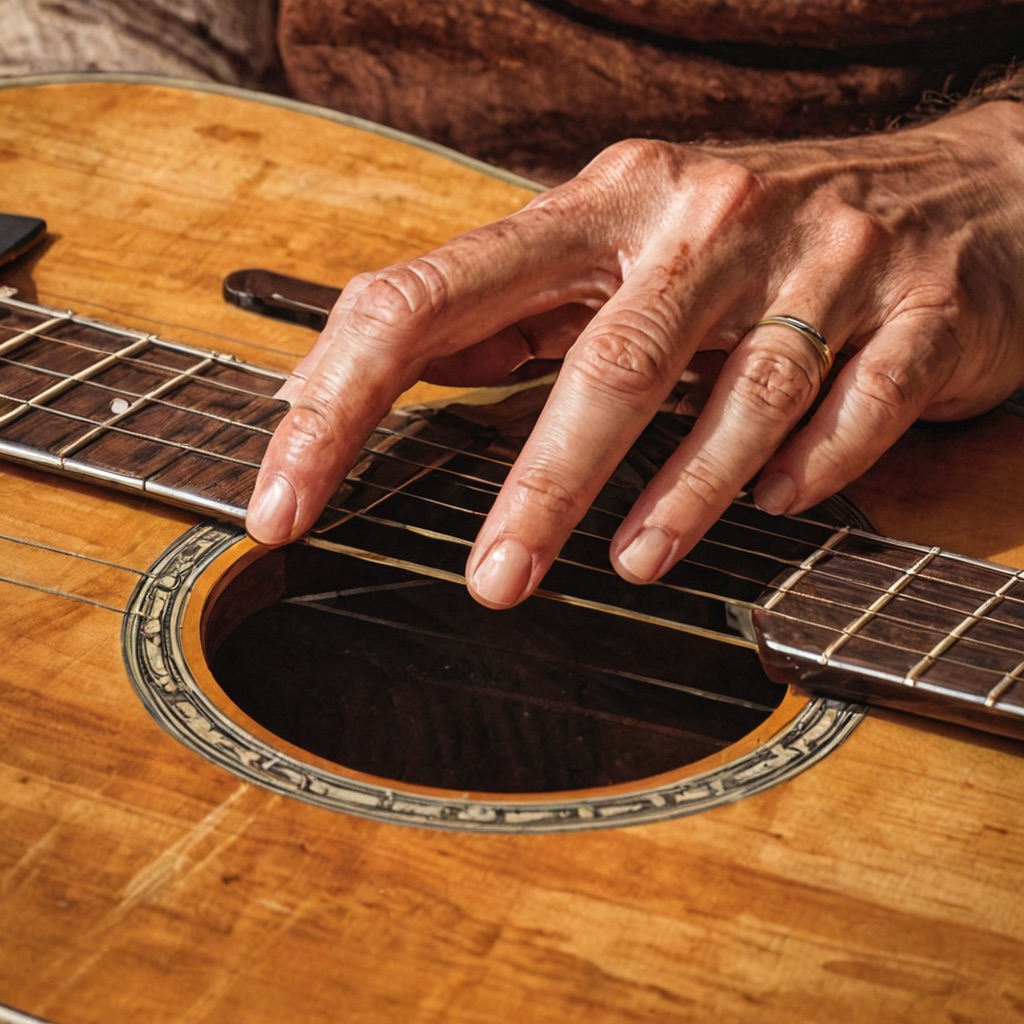
    We teach classical hand position for the left hand—curved fingers, thumb behind the neck, proper wrist angle—because this approach prevents tension and enables efficient finger movement. For the right hand, we introduce either pick technique or fingerstyle approach depending on the student’s interests and physical development. Young children with smaller hands might begin with fingerstyle, while older elementary students often start with pick technique.

    Within the first month, students learn their first chords—typically starting with simple two or three-finger chords like Em, Am, and C. They practice transitioning between these chords smoothly and develop the finger strength needed to press strings clearly. Simultaneously, they learn basic strumming patterns and rhythm concepts. Most children play simple songs using these foundational chords by the end of their first month.

    The second and third months introduce additional chords, more complex strumming patterns, and the basics of reading chord charts and tablature. Students begin learning songs they recognize—often simplified versions of popular music adapted to their current skill level. This recognition factor provides tremendous motivation and proves to students that their practice time produces real results.

    Our instructors provide detailed practice guidance, ensuring students know exactly what to work on between lessons. The $155 monthly program includes all method books and materials, so you don’t need to purchase additional resources. We guide families on appropriate practice guitars for home use, but students don’t need their own instrument to begin lessons—our studio has quality student guitars available during lesson time.

    The Developmental Benefits of Guitar Education

    Guitar instruction develops numerous cognitive and physical skills beyond musical ability. The coordination required to position fingers on frets while strumming or picking with the opposite hand strengthens neural pathways and enhances overall motor coordination. This bilateral coordination—using both hands in different ways simultaneously—provides unique cognitive benefits that support brain development.

    The spatial reasoning required for understanding fret positions, chord shapes, and fingerboard geography enhances mathematical thinking. Children learning guitar develop stronger pattern recognition abilities as they see how chord shapes relate to each other and how musical patterns repeat throughout songs. These cognitive connections support academic learning in mathematics and science.

    Guitar practice builds sustained focus and attention control. Learning a song requires breaking it into manageable sections, practicing each section until mastery, and then combining sections smoothly. This process teaches executive functioning skills—planning, organizing, self-monitoring—that transfer directly to academic work. Children who practice guitar regularly often show improved homework completion and study habits.

    Perhaps most importantly, guitar education builds creative confidence and self-expression. The guitar is an incredibly versatile instrument capable of playing everything from classical music to rock to folk to pop. Students discover musical styles that resonate with them personally and develop the skills to express themselves through their instrument. This creative outlet supports emotional regulation and provides healthy stress relief. Book your child’s trial lesson now to begin accessing these comprehensive developmental benefits.

    Addressing Common Concerns About Children’s Guitar Lessons

    The most frequent question parents ask concerns guitar size and whether their child is physically ready. Children as young as 6-7 can begin guitar lessons on appropriately sized instruments. We recommend ¼ or ½ size guitars for children ages 6-8, ¾ size for ages 8-11, and full-size guitars for children 11 and older. These are approximate guidelines—actual sizing depends on the individual child’s height and arm length. During your trial lesson, our instructors assess your child’s physical development and recommend appropriate guitar sizing.

    Some parents worry about finger pain and whether it discourages young students. Yes, developing calluses on fingertips causes initial discomfort as skin toughens. However, this discomfort is temporary and manageable—it typically resolves within 2-3 weeks of regular practice as calluses develop. We teach students to practice in shorter sessions initially (10-15 minutes rather than 30-45) to build calluses gradually without excessive soreness. Modern guitars with lighter strings cause less discomfort than older instruments with heavy-gauge strings.

    The question of acoustic versus electric guitar comes up regularly. For children, we typically recommend starting with acoustic guitar. Acoustic guitars require no amplification equipment, are simpler for young students to manage, and develop finger strength effectively. Electric guitars can come later as students advance and develop specific musical interests. That said, if your child is particularly motivated by electric guitar sound and you’re willing to invest in an amplifier, starting on electric is acceptable. Student motivation matters more than instrument type—children who are excited about their instrument practice more consistently.

    Cost concerns are understandable when families consider the full investment. The $35 trial lesson provides low-risk opportunity to evaluate whether guitar lessons are appropriate before committing. The $155 monthly program includes all method books and materials—there are no hidden fees for resources or recital participation. You’ll need to provide a practice guitar for home use, which can range from $100-300 for quality student instruments. This one-time purchase lasts for years as children grow into larger sizes. Many families find the total investment quite reasonable compared to other extracurricular activities.

    Schedule flexibility concerns are valid given busy family lives. Our Etobicoke location near Cloverdale Mall offers lesson times throughout the week, including late afternoons and early evenings that work with school schedules. We accommodate occasional rescheduling needs due to illness or unavoidable conflicts. The goal is making guitar lessons a sustainable, enjoyable part of your family’s routine rather than an additional source of stress.

    Understanding the Progression Timeline for Young Guitarists

    Parents naturally want to know when their child will play recognizable music. Most students play simple songs within their first month—perhaps a one or two-chord children’s song or simplified popular tune. By the three-month mark, students typically play 3-4 chord songs with basic strumming patterns. They can perform simplified versions of popular songs they recognize, which provides tremendous motivation.

    After six months of consistent lessons and practice, students generally play at the late beginner/early intermediate level. They know 8-10 common chords, can read basic chord charts and tablature, and play numerous complete songs. They’ve developed calluses, so practice is comfortable, and they’ve established practice routines that feel natural rather than forced.

    By the one-year mark, dedicated students often reach solid intermediate levels. They might explore fingerpicking patterns, learn basic scales, and begin understanding music theory concepts like key signatures and chord progressions. Some students at this stage start expressing interest in specific musical styles—rock, folk, classical, jazz—and lessons begin incorporating style-specific techniques and repertoire.

    This progression assumes consistent practice—students who practice 20-30 minutes, 5-6 days per week, progress predictably along this timeline. Inconsistent practice creates plateaus and slower advancement. The guitar lessons in Etobicoke we provide give students the instruction they need, but home practice determines how quickly they progress.

    Taking Action Today: Your Final Opportunity This Week

    Today represents your last chance this week to secure optimal lesson scheduling during peak January enrollment. The families who book trial lessons today will have their preferred time slots locked in before the weekend. Those who wait until next week often find that the most convenient lesson times—early evening slots that work well with school and dinner schedules—have filled completely.

    Booking your trial lesson is immediate and simple. Visit our booking page to select your preferred trial lesson time. The $35 trial includes a full 30-minute session where your child works one-on-one with an experienced guitar instructor. You’ll observe the teaching approach, ask questions about the program, and receive honest assessment of your child’s readiness and the timeline for their development.

    After the trial lesson, you’ll have complete information needed to make confident decisions about enrolling in the ongoing program. Most families know by the end of the trial whether guitar lessons are the right fit for their child. For those who enroll, lessons begin immediately—we don’t require waiting periods or delayed start dates.

    The $155 monthly program provides comprehensive instruction with all materials included. Your investment covers everything your child needs for successful musical development except a practice guitar for home use. We provide guidance on selecting appropriate practice guitars at various price points, ensuring you find quality instruments within your budget.

    Don’t let this January enrollment window close without exploring whether guitar education could benefit your child’s development. The coordination skills, creative expression, cognitive benefits, and pure enjoyment that guitar brings into children’s lives extends far beyond the music they learn to play. It influences how they approach challenges, how they express themselves, and how they develop as confident, capable individuals. Contact us if you have any questions before booking your trial lesson.

    Frequently Asked Questions About Children’s Guitar Lessons

    Should my child learn acoustic or electric guitar first?

    For most children, we recommend starting with acoustic guitar. Acoustic guitars are self-contained—they require no amplifier, cables, or electrical equipment that adds complexity for young students. They’re simpler to manage, transport, and maintain. Playing acoustic guitar also develops finger strength effectively since acoustic strings require more pressure than electric strings. These physical demands build technique that makes transition to electric guitar easier later. Additionally, acoustic guitars are generally less expensive than electric guitar plus amplifier setups, making initial investment more manageable. That said, student motivation is paramount. If your child is specifically passionate about electric guitar and you’re willing to invest in amplification equipment, starting on electric won’t harm their development. Some children find electric guitars with lower string action easier on their fingers initially. During the trial lesson, discuss your child’s preferences and we’ll recommend the best path for their specific interests and circumstances.

    How much practice is required, and how do we make it happen consistently?

    For elementary-aged beginning students, we recommend 20-30 minutes of practice, 5-6 days per week. This frequency matters more than duration—regular, shorter practice sessions build skills and calluses more effectively than occasional long sessions. Creating consistent practice routines requires initial parental involvement, particularly for children under age 10. Setting a specific practice time each day (perhaps before dinner or after homework) helps practice become habitual rather than negotiated. Parents don’t need guitar knowledge to support practice—our instructors provide clear practice assignments that parents can reference. Many families find that children practice more willingly when they’re learning songs they recognize and enjoy. The practice requirement is substantial but manageable—most families successfully integrate it into daily routines within a few weeks. Children who practice consistently show dramatic progress; those with inconsistent practice plateau and may become frustrated.

    What size guitar does my child need?

    Guitar sizing depends on the child’s age, height, and arm length rather than musical ability. Children ages 6-8 typically need ¼ or ½ size guitars, ages 8-11 use ¾ size guitars, and children 11 and older generally play full-size instruments. These are approximate guidelines—a tall eight-year-old might be ready for ¾ size while a small ten-year-old might still need ½ size. Playing a properly sized guitar is crucial for technique development and comfort. Guitars that are too large force awkward positioning that prevents proper technique and may cause physical strain. During your trial lesson, our instructors assess your child’s size and recommend specific guitar dimensions. As children grow, they’ll eventually transition to larger guitars, but quality student guitars retain resale value well. Many music stores offer sizing consultation and trade-in programs that make upgrading economical as children grow.

    Can my child learn guitar if they don’t read music?

    Absolutely! Guitar instruction for children typically begins with chord charts and tablature rather than traditional music notation. Chord charts show finger positions visually, while tablature indicates which strings to play and which frets to press—both are easier for beginning students to understand than staff notation. Many successful guitarists play beautifully while reading little or no traditional notation. As students advance, we introduce basic music reading for those interested in classical guitar or comprehensive musicianship, but it’s not required for beginning students. The guitar’s visual nature makes it accessible to students who might struggle with more abstract music notation. Children learn hand positions and chord shapes through visual and kinesthetic learning, complementing their developing music reading skills without depending entirely on notation literacy.

    What happens if my child wants to quit after several months?

    Interest fluctuations are normal in any long-term learning commitment. Most children experience periods of lower motivation, often around the 3-6 month mark when initial novelty fades but substantial skill hasn’t yet developed. We work with families through these phases, adjusting repertoire to reignite interest and helping parents support practice routines through motivation dips. Often, students who push through temporary disinterest discover renewed enthusiasm when they achieve breakthrough moments—learning a challenging song, playing along with recordings, or reaching a new skill level. However, we never advocate forcing unwilling children to continue indefinitely against their wishes. Our month-to-month program provides flexibility—you’re not locked into multi-year contracts. If after several months and various motivational approaches your child shows persistent disinterest, we have honest conversations about whether continuing serves their best interests. Some children return to lessons months or years later with renewed interest and greater maturity.

    Will learning guitar help my child with school performance?

    Research consistently shows connections between music education and academic achievement, though the relationship is complex. Guitar instruction develops cognitive skills that support academic learning—pattern recognition, sequential processing, sustained attention, and goal-setting abilities all strengthen through regular music practice. The discipline required for consistent practice builds work habits that transfer to homework completion and studying. The mathematical aspects of rhythm and timing enhance numerical reasoning. The coordination and motor skill development support overall brain function. However, these benefits accrue through sustained engagement—several months or years of lessons and practice, not just a few weeks. Guitar lessons won’t magically transform struggling students into honor roll achievers, but they provide cognitive enrichment that supports overall development. Many parents report that children who maintain music lessons show improved focus, better time management, and enhanced ability to tackle challenging tasks. The $155 monthly investment in guitar lessons provides returns that extend well beyond musical ability.

  • Portfolio Preparation in Etobicoke: Starting Strong for Art School Success

    Portfolio Preparation in Etobicoke: Starting Strong for Art School Success

    Portfolio Preparation in Etobicoke: Starting Strong for Art School Success

    For high school students planning to apply to art programs at OCAD University, York University, Sheridan College, or other competitive institutions, January represents a critical moment in portfolio development. Application deadlines arrive faster than students anticipate, and the difference between starting portfolio preparation now versus waiting another month could determine admission outcomes. At Muzart Music and Art School, located near Cloverdale Mall in Etobicoke, our portfolio preparation program provides the structured instruction, professional feedback, and strategic guidance students need to create competitive art school applications.

    The January enrollment period creates urgency because serious applicants are securing instruction time now for the year ahead. Students applying to art programs in 2026-2027 need comprehensive portfolios by late 2026 or early 2027—which means they need to begin developing work immediately. Our one-hour private lessons, priced at $310 monthly, provide intensive, focused instruction that accelerates portfolio development far beyond what group classes or self-directed work can achieve.

    Why Starting Portfolio Preparation Early Changes Everything

    Art school portfolios require 10-20 finished pieces (depending on the institution) that demonstrate technical skill, creative thinking, and artistic development. Creating this body of work while maintaining academic coursework, extracurriculars, and other responsibilities demands careful time management and sustained effort over months, not weeks.

    Students who begin portfolio preparation in January 2026 have a full year to develop work for winter 2027 applications—or even longer for those applying in subsequent years. This timeline allows for experimentation, revision, and the development of genuinely strong pieces rather than rushed work created under deadline pressure. Art schools recognize rushed portfolios immediately, and they rarely result in admission to competitive programs.

    The early start provides another crucial advantage: time to develop artistic voice. Admissions committees don’t want to see generic still life drawings and landscape paintings—they want to see work that reveals individual perspective, creative thinking, and personal artistic development. Discovering and refining this authentic voice requires exploration, which requires time. Students who start private art lessons in January have months to experiment with different media, subjects, and approaches before selecting their strongest work for portfolio inclusion.

    Starting now also allows for professional feedback cycles that significantly strengthen finished work. Our instructors review portfolio pieces at multiple stages, providing critique and suggestions for improvement. Students revise, refine, and sometimes completely recreate pieces based on this feedback. This iterative process produces dramatically better results than single-draft work, but it requires time that students who start late simply don’t have.

    What Makes Portfolio Preparation Different from Regular Art Classes

    Portfolio preparation requires different instruction than recreational art classes or general art education. The goal isn’t simply learning techniques or exploring creativity—it’s creating specific pieces that meet art school requirements and demonstrate capabilities that admissions committees evaluate. This focused, goal-oriented approach requires specialized instruction from educators who understand current art school expectations.

    Our art lessons in Etobicoke for portfolio preparation begin with assessment of your current skill level and goals. What programs interest you? What are their specific portfolio requirements? What media do you currently work in, and what techniques need development? This initial assessment creates the foundation for customized curriculum designed specifically for your needs rather than following a generic syllabus.

    The one-hour lesson format provides time for substantial work and detailed feedback within each session. Unlike 30-minute lessons that might cover only one concept or technique, hour-long sessions allow for demonstration, guided practice, independent work, and comprehensive critique all within a single lesson. Students leave each session with clear direction for home practice and specific goals for their next portfolio piece.

    The $70 trial lesson gives prospective students and families the opportunity to experience this intensive instruction firsthand. You’ll work directly with the instructor who would guide your entire portfolio development, see examples of successful portfolios from past students, and receive honest assessment of your current abilities and the timeline needed to develop a competitive application. This transparency ensures you make informed decisions about your art school preparation.

    All materials for one-hour portfolio lessons are included in the $310 monthly program. You don’t need to purchase canvases, paints, specialty papers, or other supplies—everything needed for portfolio development is provided. This all-inclusive approach eliminates the financial uncertainty that often accompanies portfolio preparation and ensures you work with professional-grade materials that produce portfolio-quality results.

    Understanding Art School Portfolio Requirements

    Different institutions have varying portfolio requirements, but common elements appear across most competitive programs. Most require 10-20 pieces demonstrating technical skill across multiple media. They want to see observational drawing (still life, figure, landscape from life), evidence of creative thinking and concept development, and work that reveals personal artistic voice and interests.

    OCAD University typically requires 10-15 pieces plus a written statement. York University’s programs want similar numbers with specific requirements varying by program. Sheridan College’s illustration and animation programs have particularly rigorous portfolio standards with emphasis on observational drawing and storytelling ability. Ontario College of Art and Design programs emphasize concept development and creative problem-solving alongside technical execution.

    Beyond these general requirements, each institution values different qualities. Some prioritize technical mastery, others emphasize conceptual innovation, and many seek balance between both. Understanding these institutional preferences allows for strategic portfolio development that aligns work with specific program values. Our instructors stay current on admission trends and requirements at Toronto-area art schools, providing guidance that reflects actual admission committee priorities.

    The portfolio submission process itself requires attention. Most schools now accept digital submissions requiring high-quality photography or scanning of physical work. Three-dimensional pieces need documentation from multiple angles. The presentation quality—image resolution, color accuracy, professional framing—matters significantly. We guide students through not just creating strong work but presenting it professionally in applications.

    What Students Accomplish in Portfolio Preparation Lessons

    The first lessons establish foundation skills if gaps exist. Many students arrive with some artistic ability but uneven skill development—perhaps strong in painting but weak in drawing, or comfortable with realistic work but inexperienced with conceptual projects. We address these gaps systematically, ensuring comprehensive skill development rather than relying solely on existing strengths.

    Observational drawing receives significant attention early in portfolio preparation. The ability to draw accurately from observation demonstrates visual analysis skills that art schools highly value. Students work from still life setups, develop figure drawing abilities (when appropriate), and learn to capture spatial relationships, proportions, and value structures convincingly. These technical drawing skills provide the foundation for all other artistic work.

    As technical abilities develop, lessons shift toward portfolio piece creation. Students begin finished works intended specifically for portfolio inclusion. Each piece moves through stages: conceptual development, compositional planning, material selection, initial execution, revision based on critique, and final refinement. This professional workflow produces dramatically stronger results than the single-draft approach most students use in school art classes.

    The conceptual development component distinguishes portfolio preparation from technical instruction. Art schools want students who think creatively and develop meaningful concepts, not just reproduce what they see. Lessons include ideation exercises, research into artists and movements, and strategies for developing personal artistic interests into substantial body of work. Students learn to articulate concepts verbally and visually—skills essential for artist statements and portfolio defense.

    Within several months, students typically have 3-5 completed portfolio pieces they’re genuinely proud of—work that represents their best abilities and strongest creative thinking. By the 6-8 month mark, substantial progress toward complete portfolios becomes evident. Students who maintain consistent lesson attendance and complete assigned work between sessions develop competitive portfolios within the year timeline most require. Book your trial lesson to begin this transformative development process.

    The Reality of Art School Admission Competition

    Understanding the competitive landscape helps students approach portfolio preparation with appropriate seriousness. Programs at OCAD University, particularly popular majors like illustration and graphic design, receive hundreds of applications for limited spots. York’s art programs similarly attract far more qualified applicants than they can accept. Sheridan’s illustration and animation programs are among the most competitive in Canada.

    This competition means adequate portfolios don’t secure admission—portfolios must stand out. The difference between admission and rejection often comes down to portfolio quality and how effectively work demonstrates the specific qualities each program values. Students who receive professional instruction and develop portfolios strategically have significant advantages over those creating work independently or with only high school art class experience.

    The investment in portfolio preparation often determines educational and career trajectories. Students admitted to competitive art programs gain access to facilities, instruction, and professional networks that launch creative careers. Those who don’t gain admission often settle for less competitive programs or abandon art school plans entirely. The relatively modest investment in professional portfolio instruction—$310 monthly for one-hour lessons—provides enormous return on investment when it enables admission to desired programs.

    Taking Action This January: Beginning Your Portfolio Journey

    This week represents prime time to begin portfolio preparation for upcoming application cycles. Students starting now have optimal timelines for developing competitive portfolios without deadline pressure. Those who wait until spring or summer compress their development timeline significantly and often create rushed work that doesn’t reflect their true capabilities.

    Securing your spot in our portfolio preparation program requires immediate action. Our portfolio preparation schedule accommodates limited students due to the intensive nature of one-hour private instruction. The spots available this January represent your best opportunity for optimal timeline development. Students who wait often find themselves on waiting lists or starting later than ideal for their application timeline.

    The trial lesson booking process provides low-risk opportunity to explore whether professional portfolio preparation serves your needs. The $70 trial includes a full hour of instruction, portfolio review (if you have existing work), discussion of your goals and timeline, and honest assessment of what developing a competitive portfolio requires. You’ll leave with clear understanding of the commitment needed and whether our program aligns with your objectives.

    For students who enroll in the ongoing program, lessons begin immediately. We don’t delay start dates or require waiting periods—students who commit this week can schedule their first regular lesson within days. The comprehensive $310 monthly program includes all materials, so you can begin developing portfolio work immediately without additional supply purchases.

    Don’t let this critical January enrollment period pass without exploring professional portfolio preparation. The difference between independent portfolio development and guided professional instruction often determines admission outcomes. The investment in proper preparation provides returns that extend throughout your entire educational and professional life. Contact us today to schedule your trial lesson and begin your journey toward art school success.

    Frequently Asked Questions About Portfolio Preparation

    When should I start preparing my art school portfolio?

    Ideally, students begin serious portfolio preparation 12-18 months before application deadlines. For winter 2027 applications (submitted fall/winter 2026), starting now in January 2026 provides optimal timeline. This allows a full year for skill development, piece creation, revision, and portfolio refinement without deadline pressure. Students applying for fall 2027 entry (submitting winter/spring 2027) have even more time to develop exceptional work. Starting early doesn’t mean students must complete portfolios immediately—it means they develop work thoughtfully and strategically rather than rushing pieces at the last minute. Some exceptionally skilled students might develop competitive portfolios in 6-8 months, but most benefit from the full year-plus timeline. The $310 monthly program provides flexible, month-to-month enrollment that adapts to your specific timeline needs.

    How many pieces do I need in my portfolio?

    Requirements vary by institution, but most competitive art programs in Ontario require 10-20 finished pieces. OCAD University typically requests 10-15 pieces across multiple media demonstrating technical skill and creative thinking. York University programs have similar requirements with some variation by specific program. Sheridan College’s competitive programs often want toward the higher end of this range, particularly for illustration and animation. Beyond minimum numbers, quality matters more than quantity—12 exceptional pieces create stronger applications than 20 mediocre ones. Our instructors help you determine the optimal number for your target programs and ensure you develop sufficient high-quality work to create competitive applications. During portfolio preparation, students typically create more pieces than they’ll ultimately submit, allowing for selection of only the strongest work.

    Can I use work I created in high school art class?

    You can include school art work if it’s truly portfolio-quality, but most high school art projects don’t meet competitive program standards. School assignments often have constraints (limited time, specific requirements, classroom materials) that prevent students from producing their best work. Additionally, art school portfolios should demonstrate current abilities—including work from grade 9 or 10 when you’re now in grade 12 may suggest limited recent development. That said, if you’ve created exceptional pieces in school art classes that demonstrate strong technique and creative thinking, they may warrant portfolio inclusion. Our instructors review any existing work during trial lessons and provide honest assessment of whether pieces strengthen applications or should be replaced with new work. Portfolio preparation often involves recreating or expanding on successful school projects with better materials, more time, and professional guidance to bring them to truly competitive levels.

    What if I’m not sure which art program I want to apply to?

    Portfolio preparation can begin before you’ve finalized program choices. The foundation skills developed—observational drawing, technical proficiency across media, conceptual development—apply across all art programs. As lessons progress and you explore different media and approaches, you’ll often discover which areas of art practice interest you most, helping clarify program preferences. Our instructors discuss different program focuses and help you understand which might align with your interests and abilities. Some students begin portfolio preparation targeting illustration but discover passion for fine arts, or vice versa. This exploration process is valuable and informs both portfolio development and program selection. The private lesson format allows curriculum customization as your interests and goals clarify. You don’t need every decision finalized before beginning—in fact, portfolio preparation often helps students make informed program choices.

    How much does portfolio preparation cost compared to other application expenses?

    The $310 monthly investment for one-hour lessons with all materials included is substantial but represents relatively modest cost within overall art school application and attendance expenses. Consider that art school tuition at OCAD University or York University exceeds $7,000-8,000 annually, and four-year degrees cost $30,000+ before living expenses. Portfolio preparation that secures admission to desired programs provides enormous return on investment compared to the alternative of not gaining admission or settling for less competitive programs. Additionally, the skills developed during portfolio preparation provide foundation for art school success—students arrive with strong technical abilities and professional work habits that serve them throughout their programs. Many families find that investing in portfolio preparation proves far more cost-effective than additional application rounds or remedial work needed after inadequate initial preparation. The month-to-month program structure provides flexibility—you’re not locked into multi-year contracts but can continue as long as serves your needs.

    Do I need to have my own art supplies for home practice?

    All materials for use during lessons are included in the $310 monthly program. However, completing portfolio-quality work typically requires practice and development between lessons. We recommend students have basic supplies at home for ongoing work—drawing pencils, sketch paper, and other fundamental materials. These basic supplies cost significantly less than the professional-grade materials provided during lessons. As specific portfolio pieces develop, you might want to continue certain works at home, and we provide guidance on materials to purchase for this purpose. Many students find that the combination of professional materials during lessons and basic materials for home practice provides optimal balance between quality and cost. We never require students to purchase expensive supplies independently—the lesson materials alone suffice for portfolio development, though home practice accelerates progress considerably.

  • Piano Lessons for Kids in Toronto: Beginning Music Education the Right Way

    Piano Lessons for Kids in Toronto: Beginning Music Education the Right Way

    Piano Lessons for Kids in Toronto: Beginning Music Education the Right Way

    The first full week of January is here, schools are back in session, and families throughout Toronto, Etobicoke, and Mississauga are transforming New Year intentions into concrete action. At Muzart Music and Art School, located near Cloverdale Mall in Etobicoke, we’re in the heart of our busiest enrollment period—and this week represents your best opportunity to secure a spot in our piano program before the schedule fills completely.

    If you’ve been considering piano lessons in Etobicoke for your child, starting correctly matters more than starting quickly. Too many children begin piano lessons with poor technique, inefficient practice habits, or inappropriate repertoire that creates frustration rather than musical growth. Our approach at Muzart focuses on building strong foundations from the very first lesson, ensuring your child develops skills that support lifelong musical enjoyment and achievement.

    Why Starting Piano Education Correctly Matters

    The habits your child develops in their first months of piano lessons influence their entire musical trajectory. Children who begin with proper hand position, correct posture, and age-appropriate repertoire progress smoothly and maintain motivation. Those who start with poor habits often struggle years later, requiring remedial work to unlearn inefficient techniques that have become deeply ingrained.

    Starting music lessons at a quality studio with experienced instructors prevents these common pitfalls. Our piano instructors at the Etobicoke location have extensive experience working with beginning students and understand how to introduce fundamental concepts in ways that make sense to young learners. The $35 trial lesson allows you to observe this teaching approach firsthand and see how we balance technical instruction with musical enjoyment.

    The January enrollment surge creates urgency—not because we use artificial scarcity tactics, but because families who commit to their New Year goals fill our available time slots quickly. Students starting this week benefit from immediate enrollment while preferred lesson times remain available. Those who wait often find themselves compromising on schedule or joining a waiting list for their desired time slot.

    Beyond scheduling considerations, starting piano in January gives your child the full calendar year to build skills and confidence. By summer, they’ll have developed foundational technique and learned numerous pieces. By year-end, they’ll have accumulated substantial progress and may be ready for performance opportunities or examinations. The students who begin this week will look back twelve months from now amazed at how much they’ve accomplished.

    The Muzart Approach to Beginning Piano Education

    Our piano curriculum for beginning students emphasizes three core elements: proper technique, musical literacy, and enjoyment. All three matter equally—students need correct physical approach to the instrument, ability to read and understand music notation, and genuine pleasure in making music. Programs that focus exclusively on any single element create incomplete musicians.

    Proper technique begins with posture and hand position. In the first lessons, we teach children how to sit at the piano with correct height and distance from the keyboard. They learn how to curve their fingers naturally and use arm weight efficiently. These physical fundamentals prevent tension and strain while enabling the finger independence needed for advanced playing. Many adults who took lessons as children never learned proper technique and find it limits their playing even decades later.

    Musical literacy develops alongside technical skills. We don’t use methods that delay note reading or rely solely on rote learning. From early lessons, children begin recognizing notes on the staff, understanding rhythm values, and connecting what they see on the page to what they play on the keyboard. This foundational literacy allows students to learn new music independently rather than remaining dependent on their teacher to show them every piece.

    The enjoyment factor comes from playing music that resonates with children while appropriately challenging their developing skills. We select repertoire carefully, balancing classical foundation pieces with popular songs and familiar melodies that motivate practice. When children enjoy what they’re playing, practice becomes something they want to do rather than something they’re forced to endure. Book your child’s trial lesson to experience this balanced approach to piano education.

    What Beginning Students Learn in Their First Months

    The first lesson introduces the piano keyboard and basic geography—understanding the pattern of black keys, locating specific white keys, and beginning to associate letter names with piano keys. Children learn correct sitting posture and basic hand position. They play their first simple melodies using finger numbers, experiencing immediate success at creating musical sounds.

    Within the first month, students begin reading notation on the grand staff. They learn to recognize notes in the treble and bass clefs and understand how these notes correspond to piano keys. Rhythm notation is introduced progressively—whole notes, half notes, quarter notes—with plenty of repetition and practical application. Most children can read and play simple pieces by the end of their first month.

    The second and third months build technical facility through exercises and études designed for small hands. Finger independence improves through scales, arpeggios, and technical patterns that strengthen each finger equally. Students learn about dynamics (loud and soft), articulation (smooth and detached), and basic musical expression. The pieces they learn become progressively more sophisticated as technical abilities develop.

    By the three-month mark, most beginning students play with both hands simultaneously, read notation with increasing fluency, and have developed a small repertoire of completed pieces. This represents substantial progress from their first lesson and proves to them that their practice time produces real results. The confidence gained from these achievements motivates continued effort and deeper engagement with piano study.

    Our instructors provide detailed practice guidance, ensuring students know exactly what to work on between lessons and how to practice efficiently. Parents receive clear communication about their child’s progress, upcoming goals, and how to support effective home practice. The $155 monthly program includes all method books and materials—you don’t need to purchase additional resources as your child progresses through the curriculum.

    The Benefits of Piano Education for Child Development

    Piano education strengthens cognitive abilities across multiple domains. The coordination required to read music while playing with both hands simultaneously activates numerous brain regions and builds neural pathways that enhance overall cognitive function. Research consistently shows that children who study piano demonstrate improved spatial-temporal reasoning, mathematical ability, and language development compared to peers without musical training.

    The discipline required for regular piano practice builds executive functioning skills that transfer to academic work. Children learn to break large goals into manageable practice sessions, to persist through challenging passages, and to evaluate their own progress honestly. These metacognitive skills—thinking about thinking, learning how to learn—benefit every academic subject and life challenge they’ll encounter.

    Piano study also develops emotional intelligence and self-expression. Music provides a concrete outlet for processing feelings and experiences. Children who might struggle to verbalize complex emotions often find it natural to express themselves through their piano playing. The emotional awareness developed through musical interpretation supports overall emotional regulation and interpersonal understanding.

    Perhaps most importantly, piano education builds sustained focus and attention. In our screen-saturated environment, the ability to concentrate on a single task for extended periods becomes increasingly valuable and increasingly rare. Piano practice requires focused attention—students can’t multitask their way through learning a piece. This concentrated focus strengthens attention control that benefits academic performance, athletic training, and every other skill-building endeavor.

    Students who continue piano study and pursue RCM examination preparation benefit from structured curriculum and measurable goals that track progress systematically. The Royal Conservatory of Music program provides internationally recognized certification and creates concrete milestones that motivate continued advancement.

    Addressing Common Concerns About Starting Piano Lessons

    The most frequent question parents ask concerns practice requirements. How much practice is necessary, and how do we ensure it happens consistently? For beginning elementary-aged students, we recommend 20-30 minutes of practice, 5-6 days per week. This frequency matters more than duration—regular, shorter practice sessions build skills more effectively than occasional marathon sessions.

    Establishing practice routines requires initial parental involvement, particularly for children under age 8. Parents don’t need musical knowledge to support practice—our instructors provide clear practice instructions that parents can reference. Creating a consistent practice time (perhaps before dinner or after homework) helps practice become a natural part of the daily routine rather than a negotiated battle.

    Some families worry about piano purchase requirements. You don’t need to buy a piano before starting lessons. For the first several months, a quality digital keyboard with weighted keys works perfectly well for practice. These instruments cost a fraction of acoustic pianos and offer volume control and headphone options that make practice convenient for any living situation. As students progress and commit to continued study, we provide guidance on acoustic piano selection appropriate to your budget and space.

    The question of talent versus effort comes up frequently. Parents wonder whether their child has enough “natural talent” for piano lessons. Here’s what decades of music education research shows: while some children might have slightly faster initial progress, sustained achievement in piano depends far more on regular practice and quality instruction than on innate ability. Every child can learn to play piano well with proper teaching and consistent practice. The students who excel aren’t necessarily those who showed the most early promise—they’re the ones who practiced regularly and maintained their commitment.

    Schedule concerns are understandable given how busy family life has become. Our Etobicoke location near Cloverdale Mall offers convenient access with easy parking and lesson times throughout the week, including late afternoons and early evenings. We work with families to find lesson times that integrate smoothly into existing routines rather than creating additional stress. If occasional rescheduling becomes necessary due to illness or unavoidable conflicts, we accommodate reasonable requests and help families maintain consistent lesson attendance.

    Taking Action This Week: Securing Your Piano Lesson Spot

    This week represents the peak of January enrollment momentum. Families throughout Toronto and Etobicoke are acting on their New Year commitments, and our piano lesson schedule is filling rapidly. The preferred lesson times—late afternoon and early evening slots that work well with school schedules—will be completely booked within days.

    Securing your child’s spot requires immediate action. Visit our booking page to schedule the $35 trial lesson. This 30-minute session introduces your child to the piano, demonstrates our teaching approach, and provides you with complete information about the ongoing program. You’ll meet the instructor who would teach your child, see the studio space, and have all questions answered before making any commitment beyond the trial.

    The trial lesson allows both objective assessment and subjective experience. Our instructors evaluate your child’s readiness, hand size, attention span, and musical aptitude—providing honest feedback about whether piano lessons are appropriate at this time. Simultaneously, your child experiences the lesson format and determines whether they enjoy the activity and want to continue. Most families know by the end of the trial lesson whether piano lessons are the right fit.

    For students who enroll in the $155 monthly program, lessons begin immediately. We don’t require waiting periods or have delayed start dates—families who commit this week can have their child’s first regular lesson within days. All method books and materials are provided as part of the program, so you don’t need to purchase anything additional. The comprehensive, all-inclusive approach means your investment covers everything your child needs for successful musical development.

    Don’t let this January enrollment window close without exploring whether piano education could benefit your child’s development. The cognitive skills, emotional intelligence, creative expression, and sheer joy that piano brings into children’s lives extends far beyond the music they learn to play. It influences how they think, how they approach challenges, and how they experience the world.

    Frequently Asked Questions About Beginning Piano Lessons

    At what age should my child start piano lessons?

    Most children are ready for formal piano lessons between ages 5-7, depending on individual development. Key readiness factors include hand size (fingers able to span five keys), attention span (able to focus for 30 minutes), and interest level (genuine curiosity about making music). Some children show readiness at age 5, while others benefit from waiting until 6 or 7. Our trial lesson includes readiness assessment—the instructor evaluates whether your child has the physical and cognitive development needed for successful lessons at this time. Children who aren’t quite ready yet can try again in 6-12 months when they’ve matured further. Starting at the right developmental stage creates positive early experiences that build long-term motivation. Children who begin before they’re truly ready may become frustrated and develop negative associations with music education.

    How long does it take to learn to play piano?

    This question assumes piano is a destination rather than a journey—in reality, pianists continue developing throughout their entire musical lives. However, parents usually want to know when their child will play recognizable music. Most students play simple melodies within the first month, play with both hands by month three, and perform complete beginner-level pieces by month six. After one year of regular lessons and practice, students typically play grade 1-2 level repertoire and demonstrate solid foundational technique. After three years, dedicated students often reach intermediate levels and can learn most popular songs they’re interested in. The progression depends heavily on practice consistency—students who practice regularly advance predictably, while inconsistent practice creates stagnant progress. The $155 monthly program provides structured curriculum with clear milestones that track advancement systematically.

    What if my child loses interest after a few months?

    Interest fluctuations are normal in any long-term learning endeavor. Most children experience periods of lower motivation, often around the 3-6 month mark when initial novelty fades but significant skill hasn’t yet developed. We work with families through these phases, adjusting repertoire to reignite interest and helping parents support practice routines through motivation dips. Often, students who push through temporary disinterest discover renewed enthusiasm when they achieve breakthrough moments—learning a challenging piece, performing successfully, or reaching a new skill level. That said, we never advocate forcing unwilling children to continue indefinitely. If after several months your child shows persistent disinterest despite various motivational approaches, we have honest conversations about whether continuing lessons serves their best interests. Our month-to-month program structure provides flexibility—you’re never locked into multi-year commitments.

    Can my child learn piano if we only have a keyboard, not an acoustic piano?

    Yes! A quality digital keyboard with 88 weighted keys works perfectly well for beginning students and even intermediate players. Modern digital pianos replicate the feel and response of acoustic pianos remarkably well. The advantages of digital keyboards include volume control for apartment living, headphone options for quiet practice, no tuning requirements, and significantly lower cost than acoustic pianos. Many professional musicians practice on digital pianos. As students advance to higher levels, acoustic piano characteristics become more important, but this typically doesn’t matter until several years into study. We recommend 88-key keyboards with weighted or semi-weighted keys—avoid smaller keyboards with unweighted keys as they don’t develop proper touch and finger strength. During your trial lesson, we can discuss specific keyboard models appropriate for beginning students at various price points.

    Do you teach using the Suzuki method or traditional method?

    We use a comprehensive approach that incorporates elements from multiple pedagogical methods while adapting to each student’s learning style and goals. Our curriculum emphasizes notation reading from the beginning (unlike traditional Suzuki which delays reading), includes technical exercises and theory (like traditional methods), and incorporates familiar repertoire that motivates students (Suzuki’s strength). This flexible, student-centered approach allows us to teach reading-focused students differently than ear-focused students, to challenge fast learners while supporting those who need more time, and to select repertoire that matches individual interests. We don’t rigidly follow any single method because no single method works optimally for every student. Our instructors draw from their extensive training and experience to create customized learning paths. During lessons, parents see exactly how we teach and can ask about our pedagogical approach and how it serves their child’s specific needs.

    What about performance opportunities and recitals?

    We host studio recitals twice yearly where students perform for family and friends in a supportive, encouraging environment. These performances are optional but highly recommended—they provide concrete goals to work toward and build confidence through successful public performance. Beginning students might perform a simple piece or scale, while advanced students present more challenging repertoire. The recitals aren’t competitions or high-pressure events—they’re celebrations of progress where every student’s achievement is recognized and appreciated. We also encourage students to pursue RCM examinations, which provide structured performance opportunities with professional adjudication and certification. Some students thrive on performance goals while others prefer to develop skills privately—we respect different comfort levels and never force unwilling students to perform publicly. The focus remains on learning and enjoying music, with performance opportunities available for those who benefit from and enjoy them.

  • Children’s Art Classes in Etobicoke: January Enrollment Now Open

    Children’s Art Classes in Etobicoke: January Enrollment Now Open

    Children’s Art Classes in Etobicoke: January Enrollment Now Open

    January enrollment is officially open at Muzart Music and Art School, and our group art classes in Etobicoke are filling quickly as families throughout Toronto, Etobicoke, and Mississauga act on their New Year commitments to enriching their children’s education. Located near Cloverdale Mall, our studio is welcoming new students this week into our structured, developmentally-appropriate art programs designed specifically for children ages 5-12.

    If you’ve been considering art classes for your child, this week represents the ideal moment to begin. The back-to-school energy creates natural momentum for starting new activities, and children are ready to embrace creative challenges with fresh enthusiasm. Our January class schedule is set, materials are prepared, and experienced art instructors are ready to guide your child’s creative development—but spots are limited and filling fast.

    Why January is the Perfect Time to Start Art Classes

    The New Year brings a unique opportunity to establish positive habits and enriching activities that will benefit your child throughout the entire year. Starting art lessons in Etobicoke in January means your child has twelve months to develop skills, build creative confidence, and discover their artistic voice. Unlike waiting until September, January starters benefit from immediate enrollment in group classes that are just beginning their session cycles.

    The structure of group art classes complements school routines beautifully. Children who attend art classes develop focus, patience, and attention to detail that transfers directly to academic work. The fine motor skills refined through drawing, painting, and sculpting support handwriting development and overall dexterity. The creative problem-solving required in art projects enhances analytical thinking abilities across all subjects.

    Many parents tell us they wish they’d enrolled their children in art classes sooner—this January represents that perfect opportunity you’ll appreciate months from now. The students starting this week will have created dozens of finished artworks by summer, will have developed fundamental techniques that continue strengthening, and will have built creative confidence that influences how they approach challenges in all areas of life.

    The social-emotional benefits of group art classes extend beyond artistic skill development. Children learn to give and receive constructive feedback, to appreciate different approaches to the same creative challenge, and to collaborate on group projects. These social skills developed in our supportive Etobicoke studio environment build communication abilities and emotional intelligence that serve children throughout their lives.

    What Makes Our Group Art Classes Special

    Our approach to children’s art education balances technical instruction with creative freedom. Too many art programs fall into one of two extremes—either rigid, step-by-step instruction that produces identical results from every student, or completely unstructured free play that doesn’t build actual skills. We’ve developed a curriculum that teaches fundamental techniques while encouraging individual creative expression.

    Each class session introduces a specific skill or technique—perhaps watercolor wash techniques, perspective drawing basics, or sculpting with clay. Our instructors demonstrate the technique, provide guided practice, and then encourage children to apply what they’ve learned in their own creative ways. This approach ensures every child leaves class having mastered a new skill while creating artwork that reflects their unique vision and interests.

    All art materials are included in our programs—you don’t need to purchase supplies or worry about replacing expensive materials. Our studio is stocked with quality paints, papers, drawing materials, clay, and specialized tools appropriate for young artists. We introduce children to professional-grade materials that produce satisfying results, building their confidence as they see their ideas come to life with colors that are vibrant and tools that work effectively.

    The group class format creates a vibrant creative community where children inspire each other and learn from shared experiences. Seeing classmates’ different approaches to the same project expands children’s creative thinking and shows them that there are countless ways to solve artistic challenges. The friendships formed in art class often extend beyond studio walls, creating social connections based on shared creative interests.

    The Developmental Benefits of Art Education for Children

    Art education strengthens children’s development across multiple domains. The fine motor skills required for controlling paintbrushes, pencils, and sculpting tools directly support handwriting development and overall hand-eye coordination. The spatial reasoning developed through drawing and composition enhances mathematical thinking, particularly geometry and visual problem-solving.

    The cognitive benefits of art education are well-documented in educational research. Children who participate in regular art instruction show improved focus, enhanced memory, and stronger ability to think creatively about problems. The process of planning an artwork, executing it through multiple stages, and evaluating the results builds executive functioning skills that transfer to academic work and life challenges.

    Perhaps most importantly, art education builds emotional intelligence and self-expression capabilities. Art provides a concrete, acceptable outlet for processing complex emotions and experiences. Children who might struggle to verbalize their feelings often find it natural to express themselves through visual art. This emotional outlet supports mental health and helps children develop healthy coping mechanisms that serve them throughout life.

    The creative confidence built through successful art experiences influences how children approach challenges in all areas. When a child creates something they’re proud of—whether it’s a vibrant painting, a carefully observed drawing, or a sculptural piece—they develop belief in their ability to solve problems and create solutions. This creative self-efficacy translates to academic confidence and willingness to tackle difficult challenges. Book your child’s trial lesson now to begin building these lifelong benefits.

    What to Expect in Your Child’s First Art Classes

    The first class session begins with introductions and a tour of our studio space. Children learn where materials are stored, how to properly care for brushes and tools, and the basic studio procedures that keep our creative space organized and functional. These practical elements create a foundation for independent work and responsible material use.

    Early classes introduce fundamental techniques across multiple media. Children might explore basic drawing exercises one week, experiment with watercolor techniques the next, and work with clay or mixed media in subsequent sessions. This variety keeps classes engaging while building a broad foundation of skills. We believe young artists benefit from exposure to multiple art forms before specializing in any particular medium.

    Our instructors teach age-appropriate versions of professional techniques. Rather than dumbing down art instruction, we break complex concepts into developable steps that children can master progressively. A five-year-old and a ten-year-old working on the same project receive differentiated instruction appropriate to their developmental stage, ensuring each child is challenged appropriately without frustration.

    Within the first month, children typically complete 3-4 finished artworks they’re proud to display at home. These pieces demonstrate clear skill development and creative thinking. Parents often express amazement at the quality of work their children produce with proper instruction and quality materials. The pride children feel in their finished work motivates continued effort and engagement with the artistic process.

    Addressing Common Questions About Children’s Art Classes

    Parents often ask about the age range in group classes. We organize groups to ensure age-appropriate instruction and peer interaction. Younger children (ages 5-7) benefit from shorter sessions with more hands-on guidance, while older elementary students (ages 8-12) work on more complex projects with greater independence. During enrollment, we place children in groups that match their developmental stage and social needs, ensuring comfortable, productive class dynamics.

    Some families wonder whether group or private art lessons would better serve their child. Group classes offer social interaction, peer learning, and the creative energy of working alongside other young artists. Private lessons provide individualized attention, customized curriculum, and flexibility for students with specific goals like portfolio preparation. Many families start with group classes to establish fundamental skills and gauge their child’s interest level before considering private instruction.

    Schedule concerns are understandable for busy families. Our group classes run on consistent weekly schedules that integrate smoothly with school and other activities. If your child occasionally misses class due to illness or family commitments, we work with you to arrange makeup sessions when possible. The goal is creating a sustainable, enjoyable routine that enriches your child’s life without creating stress or scheduling conflicts.

    The question of artistic talent often arises—parents worry their child might not be “artistic enough” for art classes. Here’s the truth: art skills are developed through instruction and practice, not innate talent. Every child can learn to draw, paint, and create with proper teaching. Our instructors work with children across all ability levels, meeting each student where they are and helping them progress from that starting point. Often, children who initially seem less skilled develop into passionate, accomplished artists once they receive proper instruction and encouragement.

    Taking Action This Week: Securing Your January Spot

    Our January enrollment period creates high demand for our limited group class spots. Families acting this week have the best selection of class times and group placements. Those who wait often find themselves on waiting lists or compromising on class schedules that don’t align well with their family’s routine. The group art classes starting this month are carefully structured, properly sized, and taught by our most experienced instructors.

    Enrolling your child is straightforward and immediate. Visit our booking page to schedule a trial class where your child experiences our teaching approach firsthand. Trial classes allow both you and your child to see the studio environment, meet the instructor, and understand what ongoing classes involve. There’s no pressure to commit immediately—you’ll have all the information needed to make a confident decision about enrollment.

    All materials, supplies, and instruction are included in our programs. You don’t need to purchase art supplies or worry about replacing materials as they’re used. Our comprehensive approach means your investment covers everything your child needs for successful creative development. Many families find this all-inclusive structure more economical than purchasing art supplies for home use, especially when factoring in the professional instruction and social benefits of group classes.

    Don’t let this January enrollment opportunity pass without exploring whether art classes could benefit your child’s development. The creative skills, social connections, emotional intelligence, and sheer joy that art brings into children’s lives extends far beyond the artwork they create. It shapes how they see the world, how they solve problems, and how they express their unique perspective. Contact us today to learn more about available class times and enrollment options.

    Frequently Asked Questions About Starting Art Classes in January

    What age groups do you offer art classes for?

    We offer group art classes designed specifically for children ages 5-12, with groups organized by developmental stage rather than strict age cutoffs. Younger children (ages 5-7) work in groups focused on foundational skills, hands-on exploration, and age-appropriate projects that build fine motor skills and creative confidence. Older elementary students (ages 8-12) tackle more complex techniques, detailed projects, and conceptual art challenges that enhance their growing capabilities. Our instructors adapt instruction within each group to meet individual developmental needs, ensuring every child is appropriately challenged. During the enrollment process, we discuss your child’s age, experience level, and developmental stage to place them in the group where they’ll thrive. Some advanced younger children might work well in older groups, while some older children beginning art for the first time might benefit from starting with fundamental groups—we customize placement to serve each child’s needs.

    How large are the group classes?

    Our group art classes maintain small ratios to ensure every child receives adequate attention and instruction. Classes typically include 6-8 students per instructor, allowing for meaningful interaction, individualized feedback, and proper supervision of materials and techniques. This small group size creates the social benefits and creative energy of group learning while maintaining enough instructor attention for personalized guidance. Children aren’t lost in overcrowded classes or competing for teacher attention—they receive regular feedback, have their questions answered promptly, and benefit from observing other students’ creative processes. The intimate group size also creates a supportive community where children feel comfortable taking creative risks and sharing their ideas. Our Etobicoke studio space is designed to accommodate these small groups comfortably while providing adequate workspace for each student’s projects.

    What if my child has no previous art experience?

    No previous art experience is required or expected! Our group classes welcome complete beginners and teach fundamental skills from the ground up. Many of our most successful students started with no art background whatsoever—what matters is willingness to learn and engage with the creative process. Our instructors are experienced in teaching children at all skill levels and excel at breaking down techniques into manageable steps that build confidence progressively. Beginning students often surprise themselves with what they can create once they receive proper instruction and encouragement. We’ve found that children without previous art experience sometimes progress especially quickly because they haven’t developed any bad habits or limiting beliefs about their creative abilities. Your child’s enthusiasm and willingness to try new things matter far more than any previous experience or perceived talent level.

    Can my child continue classes beyond the initial enrollment period?

    Absolutely! Most families continue art classes for multiple months or even years as their children develop skills and deepen their creative practice. Our curriculum builds progressively, so students who continue classes tackle increasingly sophisticated techniques and projects while reinforcing fundamental skills. There’s no pressure to commit long-term initially—you can start with a trial class, continue month-to-month, and evaluate whether art classes remain the right fit for your child as their interests and schedules evolve. Many families find that art classes become a cherished part of their child’s weekly routine that they look forward to and don’t want to discontinue. Students who participate in art classes for extended periods develop impressive portfolios of work, strong technical skills, and often discover lifelong creative passions that influence their academic and career paths.

    What happens to the artwork my child creates in class?

    Children take home every piece they create! We believe artwork belongs to the artists who make it, and children feel tremendous pride in displaying their creations at home. Finished pieces are carefully stored until the end of each class, and we provide guidance on safe transport for wet paintings or delicate three-dimensional work. Many families create dedicated display areas at home for their child’s artwork, rotating pieces as new ones come home each week. We also photograph notable works for our studio documentation and with parent permission may display exceptional pieces in our studio gallery area. Some families keep portfolios of their child’s work to track progress over time—it’s remarkable to see skill development across months and years of classes. The artwork children create represents not just pretty pictures but tangible evidence of their learning, creativity, and growing artistic confidence.

    Is there a performance or exhibition component to the classes?

    While our primary focus is skill development and creative exploration in a low-pressure environment, we do offer optional exhibition opportunities twice yearly. These informal showcases celebrate student work and allow children to see their art displayed professionally alongside their classmates’ creations. Participation is encouraged but never required—some children thrive on sharing their work publicly while others prefer to create for personal satisfaction. We also maintain a studio gallery where rotating student work is displayed, giving children experience seeing their art in exhibition context. These opportunities build confidence and give purpose to creative efforts, but we never create high-pressure performance anxiety around art-making. The focus remains on the creative process, skill development, and personal expression rather than competition or comparison. Every child’s artistic journey is unique and valuable, regardless of whether they choose to share their work publicly.

  • Drum Lessons in Etobicoke: Start Your Child’s Musical Journey This January

    Drum Lessons in Etobicoke: Start Your Child’s Musical Journey This January

    Drum Lessons in Etobicoke: Start Your Child’s Musical Journey This January

    The New Year energy is here, schools are back in session, and there’s no better time than right now to start your child’s drumming journey. January represents the perfect fresh start for families throughout Etobicoke, Toronto, and Mississauga who’ve been considering music lessons for their children. At Muzart Music and Art School, located near Cloverdale Mall in Etobicoke, we’re experiencing our busiest enrollment period of the year—and spots are filling quickly.

    If you’ve been thinking about drum lessons in Etobicoke for your child, this week is the time to act. The momentum of returning to school routines creates the ideal environment for adding a structured, enriching activity like drumming to your child’s weekly schedule.

    Why January is the Perfect Time to Start Drum Lessons

    The back-to-school energy in early January creates a unique window of opportunity for starting new activities. Families have settled back into their routines after the holiday break, and children are ready to embrace new challenges with fresh enthusiasm. This is when New Year resolutions transform from wishful thinking into actual commitments.

    Starting music lessons in January gives your child the entire year to build skills, develop confidence, and discover their musical potential. Unlike waiting until September, January starters benefit from smaller class availability and immediate attention as they begin their musical education journey. Our Etobicoke studio has limited spots available during this peak enrollment period, and families who book their $35 trial lesson this week will secure their preferred time slot before they’re filled.

    The rhythm and structure of drumming naturally complement school routines. Children who begin drum lessons in January develop coordination, focus, and discipline that transfers directly to their academic performance. The cognitive benefits of learning rhythm patterns, maintaining steady tempo, and coordinating multiple limbs simultaneously enhance problem-solving abilities and mathematical thinking.

    Many parents tell us they wish they’d started their children in lessons earlier—January represents that perfect “earlier” moment you’ll be grateful for months from now. The students who start this week will have developed significant skills by summer, will be comfortable performing by year-end, and will have built a foundation that continues strengthening throughout their entire school year.

    What Makes Drum Lessons at Muzart Different

    Our approach to drum instruction at our Etobicoke location focuses on building proper technique from the very first lesson. Too many young drummers develop bad habits that become difficult to correct later. We prevent this by emphasizing correct stick grip, posture, and striking technique right from the start. Your child’s first lesson introduces them to the fundamentals that will support every skill they develop afterward.

    The $35 trial lesson allows both you and your child to experience our teaching approach firsthand. You’ll see how we balance technical instruction with fun, age-appropriate musical activities that keep children engaged and motivated. Parents are welcome to observe this trial lesson and ask questions about our curriculum, teaching philosophy, and the progression they can expect for their child.

    Our monthly program at $155 includes everything your child needs—all materials, books, and resources are provided. You don’t need to purchase drum equipment to start lessons. Our studio is fully equipped with quality drum kits appropriate for young learners, and we guide families on home practice solutions that work for apartments, houses, and every living situation in between.

    The location near Cloverdale Mall in Etobicoke offers convenient access for families throughout the west Toronto area. Parking is easy, the studio is welcoming and professional, and our schedule accommodates various family needs throughout the week. This accessibility means drum lessons fit naturally into your existing routine rather than creating logistical challenges.

    The Developmental Benefits of Drumming for Children

    Drumming offers unique developmental advantages that extend far beyond musical ability. The physical coordination required to play drums—using hands and feet independently while maintaining steady rhythm—strengthens neural pathways that enhance overall motor skills. Children who drum show improved hand-eye coordination that benefits sports, writing, and other physical activities.

    The mathematical aspects of rhythm provide concrete applications of concepts like division, fractions, and patterns. When your child learns that a quarter note receives one beat while an eighth note receives half a beat, they’re working with fractions in a tangible, enjoyable context. This musical-mathematical connection strengthens numerical reasoning in ways that traditional math instruction often doesn’t reach.

    Drumming also develops focus and concentration. Maintaining a steady beat while reading notation and executing specific patterns requires sustained attention. Children who drum regularly show improved ability to concentrate on tasks at school and complete homework with greater focus. The discipline of practicing drum exercises transfers directly to academic discipline.

    Perhaps most importantly, drumming builds confidence. There’s something powerful about creating bold, clear sounds on a drum kit. Children who might be shy or reserved in other contexts often find their voice through drumming. The physical nature of the instrument allows for emotional expression and stress release that benefits overall emotional regulation. When you book your child’s trial lesson now, you’re investing in their holistic development, not just their musical education.

    What to Expect in Your Child’s First Drum Lessons

    The first lesson begins with proper setup and posture. We teach children how to sit at the drum kit with correct posture that prevents strain and allows for efficient movement. They learn how to hold drum sticks using matched grip, which provides the foundation for all future technique development. These fundamentals might seem simple, but they’re crucial for long-term success and injury prevention.

    Early lessons introduce basic rhythm patterns using simple note values—quarter notes, eighth notes, and rests. Children learn to count out loud while playing, connecting the mathematical aspect of rhythm to the physical execution. We start with exercises on a single drum before gradually incorporating multiple drums and the bass drum pedal. This progressive approach prevents overwhelm and ensures each new skill is solidly established before adding complexity.

    Within the first month, most children are playing simple rock beats that coordinate the hi-hat, snare drum, and bass drum. Hearing themselves play recognizable rhythms provides tremendous motivation and proves to them that they’re making real progress. Our instructors celebrate these achievements while maintaining focus on proper technique throughout.

    Parents often ask about practice requirements. We recommend 15-20 minutes of practice, 4-5 times per week for elementary-aged children. This frequency is more important than duration—regular, short practice sessions build skills more effectively than occasional long sessions. We provide guidance on establishing effective practice routines that fit your family’s schedule and living situation.

    Addressing Common Concerns About Drum Lessons

    The number one concern parents express is noise. Modern practice solutions make home drumming practice entirely manageable for any living situation. Practice pads allow for quiet technique development, electronic drum kits offer headphone options, and mesh-head acoustic drums reduce volume significantly. During your trial lesson, we discuss practice solutions appropriate for your specific housing situation—whether you’re in an apartment, townhouse, or detached home.

    Some parents worry that drums might be too challenging for younger children. While drum kits look complex, children as young as 5-6 can begin learning basic rhythm and coordination on age-appropriate equipment. Our instructors adapt lesson content to each child’s developmental stage, ensuring they’re challenged appropriately without becoming frustrated. The physical nature of drumming actually makes it more accessible for some children than instruments requiring fine motor skills like piano or guitar.

    Cost concerns are valid—families want to know the full investment before committing. Our transparent pricing structure includes everything in the $155 monthly program. There are no hidden fees for materials, books, or recital participation. The initial $35 trial lesson allows you to make an informed decision without a major financial commitment. Many families find that the all-inclusive nature of our program makes it more affordable than programs with additional material fees and recital costs.

    Schedule flexibility matters to busy families. We offer lesson times throughout the week, including late afternoons and early evenings that work with school schedules. If you need to reschedule occasionally due to illness or family commitments, we work with you to find makeup lesson options. The goal is making drum lessons a sustainable, enjoyable part of your family’s routine, not an additional source of stress. Contact us for more information about specific scheduling options and availability this January.

    Taking Action This Week: Securing Your Spot

    January enrollment at our Etobicoke studio fills quickly as families act on New Year commitments and back-to-school momentum builds. The spots available this week represent your best opportunity to secure your preferred lesson time before the schedule fills completely. Families who wait often find themselves on a waiting list or compromising on lesson times that don’t work as well with their schedule.

    The trial lesson booking process is simple and immediate. Visit our booking page to select your preferred trial lesson time. The $35 trial lesson includes a full 30-minute session where your child works one-on-one with an experienced drum instructor. You’ll receive immediate feedback about your child’s aptitude and interest, along with clear information about what the ongoing program involves.

    After the trial lesson, you’ll have all the information needed to make a confident decision about enrolling in the monthly program. There’s no pressure, no hard sell—just honest information from experienced music educators who care about your child’s musical development. Most families know by the end of the trial lesson whether drumming is the right fit for their child, and our instructors can answer any remaining questions you have.

    Don’t let this January enrollment window close without exploring whether drum lessons in Etobicoke could be the perfect addition to your child’s development. The rhythm, coordination, confidence, and joy that drumming brings into children’s lives extends far beyond the music room. It influences how they approach challenges, how they express themselves, and how they engage with the world around them.

    Frequently Asked Questions About Starting Drum Lessons in January

    What age is appropriate for starting drum lessons?

    Children can begin drum lessons as early as 5-6 years old, depending on their physical development and attention span. At this age, lessons focus on basic rhythm, coordination exercises, and simple patterns that build foundational skills. Children ages 7-10 typically progress quickly as they have the physical coordination and focus needed for more complex drumming patterns. Older elementary students and teens can advance rapidly if they’re motivated and practice regularly. During the $35 trial lesson, our instructors assess your child’s readiness and create an age-appropriate lesson plan that challenges without overwhelming them. Every child develops differently, so we tailor our approach to meet your child where they are developmentally.

    Do we need to buy a drum kit before starting lessons?

    No, you don’t need to purchase any equipment before starting lessons. Our Etobicoke studio has professional drum kits that students use during their lessons. For home practice, we recommend starting with an inexpensive practice pad and sticks, which costs less than $50 and allows for quiet practice anywhere. As your child progresses and commits to continued lessons, we provide guidance on practice equipment appropriate for your living situation—from electronic kits with headphones to mesh-head acoustic drums to traditional drum sets. Many families wait 2-3 months before investing in home practice equipment, giving their child time to establish interest and commitment. The $155 monthly program includes all materials and method books, so your only initial investment is the practice pad for home use.

    How quickly will my child be able to play actual songs?

    Most children play recognizable rhythm patterns within their first month of lessons. These aren’t complete songs, but they’re the foundation rhythms used in countless popular songs. By the second or third month, students typically begin learning simplified versions of familiar songs, playing along with recorded music. The timeline varies based on practice frequency and natural aptitude, but our progressive curriculum ensures consistent advancement. Children who practice regularly (4-5 times per week for 15-20 minutes) generally play complete beginner-level songs by the 3-4 month mark. The satisfaction of playing music they recognize provides tremendous motivation and proves to them that their practice time is producing real results. We celebrate these milestones and help students set realistic goals for continued progress.

    What if the noise bothers neighbors or other family members?

    Modern practice solutions make drumming compatible with any living situation. Practice pads provide nearly silent practice for technique development, allowing your child to work on stick control and reading rhythms without creating noise issues. Electronic drum kits offer the feel of acoustic drums with volume control and headphone options—perfect for apartments and attached housing. Mesh-head drum kits reduce volume by 70-80% compared to traditional drums while maintaining realistic feel and response. During your trial lesson, we discuss your specific housing situation and recommend practice solutions that work for your family. Many of our students in Etobicoke live in apartments and condos, and we’ve helped hundreds of families create effective practice setups that don’t create neighbor conflicts or family tension.

    Can my child participate in performances or recitals?

    Yes! Performance opportunities are an important part of music education, building confidence and providing goals to work toward. Our Etobicoke studio hosts recitals twice yearly where students perform for family and friends in a supportive, encouraging environment. These aren’t high-pressure competitions—they’re celebrations of progress where every student’s achievement is recognized and appreciated. Beginning students might perform a simple rhythm pattern, while more advanced students play complete songs. Participation is encouraged but never mandatory; some children thrive with performance goals while others prefer to focus on personal progress without public performance. We work with each family to create the right performance experience for their child. Students who start lessons this January will be well-prepared for our spring recital, giving them a concrete goal to work toward.

    What happens if my child wants to switch instruments later?

    Musical exploration is valuable, and we support students who want to try different instruments. The coordination and rhythm skills developed through drumming transfer beautifully to other instruments—drummers who switch to piano, guitar, or other instruments often progress quickly because they already understand rhythm and timing. If your child wants to explore other instruments after several months of drums, we can facilitate that transition. The $155 monthly program gives you flexibility—you’re not locked into multi-year contracts. Some students maintain drum lessons while adding a second instrument, creating a broader musical education. We’re committed to supporting your child’s musical journey, whatever path that takes, and we help families make informed decisions about instrument choices based on their child’s interests, goals, and development.